English हिन्दी
Connect with us

India News

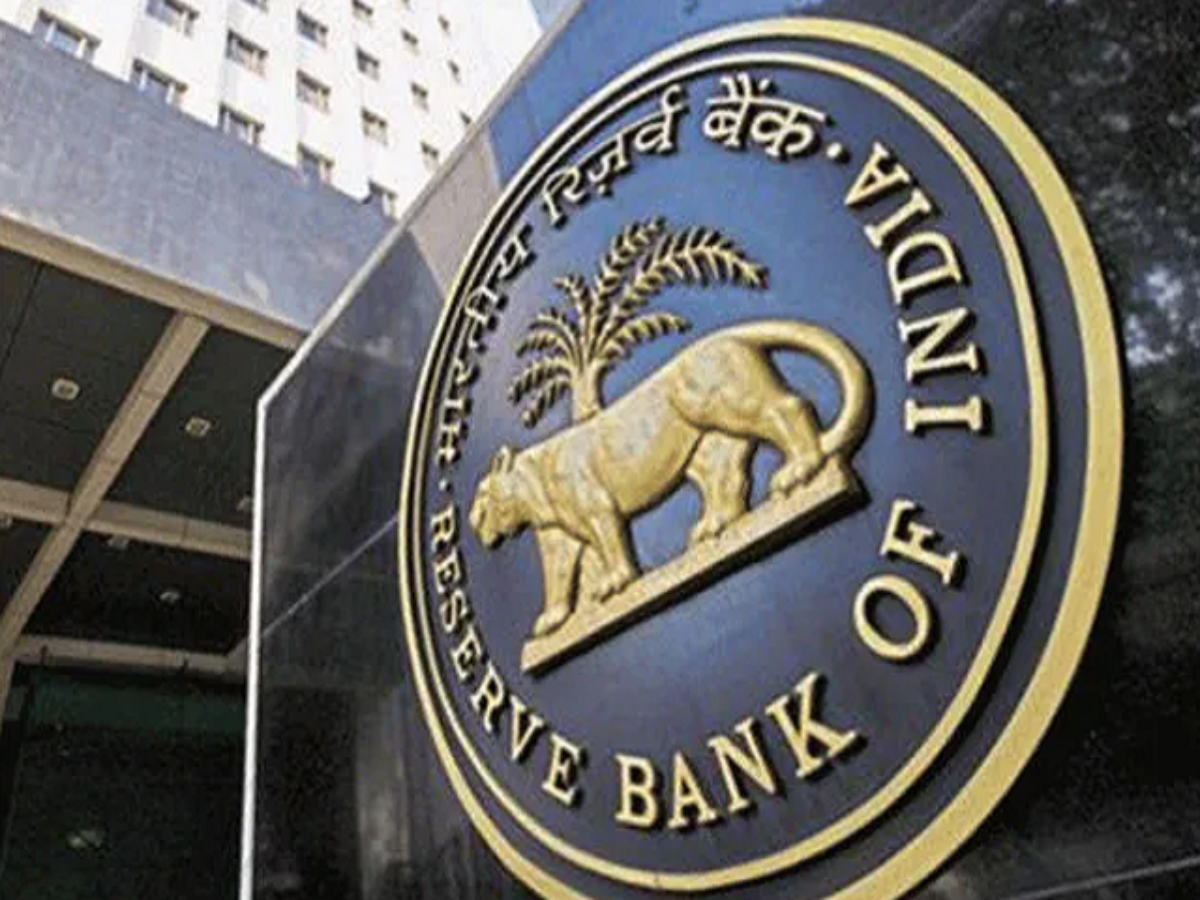
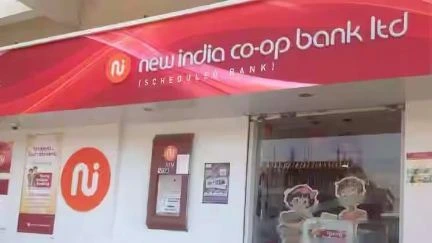
RBI halts New India Co-operative Bank’s operations

RBI imposes a series of restrictions on Mumbai’s New India Co-operative Bank, halting withdrawals and loans. Customers face a financial crisis with limited access to funds.

Published

on

The Reserve Bank of India has imposed restrictions on New India Co-operative Bank in Mumbai, halting withdrawals, loans, and deposits. Customers left worried.

In a shocking move, the Reserve Bank of India (RBI) has imposed stringent restrictions on Mumbai’s New India Co-operative Bank, citing concerns over the bank’s financial health. This action has left customers unable to access their accounts or withdraw funds, creating panic among account holders. Here’s a breakdown of the situation and what it means for customers and the bank.

RBI’s decision to impose restrictions

As of February 13, 2025, the RBI has barred New India Co-operative Bank from offering new loans, accepting fresh deposits, or renewing existing loans. In addition, the bank is not allowed to make any payments or sell its assets. These restrictions will remain in effect for the next six months, with the RBI highlighting that the financial condition of the bank is not secure.

The RBI’s actions come amid reports of financial irregularities within the bank, which have raised serious questions about its solvency. These measures are intended to safeguard the interests of customers and to prevent further financial instability.

What does this mean for the customers?

While depositors are protected under the Deposit Insurance Scheme (DIS), which guarantees up to Rs 5 lakh in case of the bank’s collapse, the immediate concern is the inability to withdraw funds. Customers across Mumbai have been lining up at branches in desperation, hoping to withdraw their savings, but the restrictions prevent them from accessing their accounts.

Social media has been flooded with images and videos of long queues outside the bank, with customers expressing frustration and anxiety. The closed doors of the bank and the absence of staff to handle the situation have only fueled the unrest.

How does the Deposit Insurance Scheme help?

Though depositors are covered under the Deposit Insurance Scheme, which ensures that up to Rs 5 lakh of their deposits are protected, many account holders may face difficulties accessing funds in the interim. This has led to increasing concerns among smaller depositors who rely on their savings for daily expenses.

The RBI’s intervention is aimed at providing the bank time to resolve its financial issues, but it remains unclear how long the restrictions will last or when normal banking operations will resume.

What caused the RBI intervention?

The primary reason for the RBI’s action stems from the bank’s questionable financial status. According to sources, there are ongoing concerns about the bank’s ability to meet its financial obligations, and questions have been raised about whether the institution has enough liquidity to sustain itself.

By halting new loans and deposits, the RBI aims to prevent further financial instability and ensure that the bank does not take on additional risk while working to stabilize its operations.

Customer reactions and growing concerns

Customers of the New India Co-operative Bank have been left in limbo, with many turning to social media to voice their concerns. The closure of the bank’s branches and the ban on withdrawals have created a sense of uncertainty. It’s clear that this development has caught many customers off guard, leading to widespread unease.

As the situation develops, many are questioning the future of the bank and what steps will be taken to ensure that customer interests are protected. For now, all eyes remain on the Reserve Bank of India to provide further clarity and guidance.

India News

EC extends SIR deadlines for 6 states, no change for West Bengal

The Election Commission has extended the SIR exercise in six states and a Union Territory, while West Bengal and three others received no extension as the voter roll update process progresses.

Published

on

The Election Commission has revised the timeline for the ongoing Special Intensive Revision (SIR) of electoral rolls in six regions, while keeping the schedule unchanged for West Bengal, Goa, Lakshadweep and Rajasthan. The SIR exercise, aimed at removing inaccuracies and updating voter lists, will now continue for longer in Tamil Nadu, Gujarat, Madhya Pradesh, Chhattisgarh, Uttar Pradesh, and the Andaman and Nicobar Islands.

Revised dates for voter roll revision

According to the Election Commission, the enumeration period has been extended as follows:

  • Tamil Nadu and Gujarat: Till December 14
  • Madhya Pradesh, Chhattisgarh, Andaman and Nicobar Islands: Till December 18
  • Uttar Pradesh: Till December 26

The publication of draft rolls will now be:

  • December 19 for Tamil Nadu and Gujarat
  • December 23 for Madhya Pradesh, Chhattisgarh, Andaman and Nicobar Islands
  • December 31 for Uttar Pradesh

Meanwhile, the SIR period concluded today in Goa, Lakshadweep, Rajasthan and West Bengal, with no extension granted.

As West Bengal heads towards a crucial election expected early next year, the voter list update process has become part of a broader political narrative between the NDA and Opposition parties, especially after the Bihar polls.

Continue Reading

India News

Mamata Banerjee urges women to resist if voter names are deleted during SIR review

At a Krishnagar rally, Mamata Banerjee alleged misuse of the SIR voter list review and urged women to stand firm if their names were removed.

Published

on

Mamata Banerjee

West Bengal Chief Minister Mamata Banerjee, sharpening her attack on the ongoing Special Intensive Revision (SIR) of voter lists, called on women to stand up against any attempt to remove their names from the electoral roll. Addressing a gathering in Krishnagar, she alleged that the process was being misused to target voters ahead of elections.

Mamata accuses BJP of trying to intimidate women voters

Banerjee questioned the removal of names from the voter list under the SIR exercise, asserting that mothers and sisters of the state should not allow such actions to go unchecked. She said women possess the strength and the everyday tools used at home, urging them to be ready if their rights were undermined.

She alleged that attempts would be made to influence the electoral process by bringing police from outside the state and using fear tactics. Banerjee added that during elections, efforts were often made to divide people and misuse money power.

Reaffirming her stance on secularism, she said she wanted to see whether the women of Bengal or the BJP were “more powerful” in this fight.

Continue Reading

India News

Andhra Pradesh High Court orders anti-corruption probe into Tirupati donation theft case

Andhra Pradesh High Court has ordered the CID and ACB to file an FIR and conduct a coordinated probe into the TTD Parakamani theft case, including scrutiny of a Lok Adalat settlement and the complainant’s suspicious death.

Published

on

tirupatitirumala

The Andhra Pradesh High Court has directed the Criminal Investigation Department (CID) and the Anti-Corruption Bureau (ACB) to initiate criminal action and register an FIR in the Tirumala Tirupati Devasthanams (TTD) Parakamani (donation box) theft case. The court instructed both agencies to continue investigating the alleged theft, the suspect’s assets, and the earlier settlement reached at a Lok Adalat.

Court seeks deeper scrutiny and coordination among agencies

The High Court emphasised that the probe must also examine how the case was taken to mediation and settled through a compromise. It ordered the CID and ACB to share information with each other and, if necessary, with the Income Tax Department and the Enforcement Directorate (ED) to ensure a comprehensive investigation.

Taking note of the unexplained death of the complainant, Y Satish Kumar—then part of the TTD vigilance team—whose body was found near a railway track in Anantapur district on November 14, the court asked the CID to submit his post-mortem report in a sealed cover within three days.

The next hearing is scheduled for December 16.

Senior TTD officials questioned; theft traced to April 2023 incident

The CID has already examined several former officials, including ex-TTD chairmen B Karunakar Reddy and YV Subba Reddy, and former executive officer AV Dharma Reddy.

The case began on April 29, 2023, when CV Ravi Kumar, an employee at a mutt linked to TTD, was allegedly caught stealing $900 inside the Parakamani hall—the temple’s donation-counting centre. While a local police case was initially filed, it was soon shifted to a Lok Adalat, where a compromise settlement was reportedly reached. Under this arrangement, Ravi Kumar is said to have offered seven properties worth about ₹40 crore in Tirupati and Chennai as restitution to TTD.

Continue Reading

Trending

© Copyright 2022 APNLIVE.com