English हिन्दी
Connect with us

India News

SC notice to NHRC, government on implementation of directions against mob lynching

Published

on

[vc_row][vc_column][vc_column_text]The Supreme Court today (Friday, July 26) issued notice to the Centre, the National Human Rights Commission (NHRC) and states for implementation of its directions in 2018 to prevent mob lynching.

A bench comprising Chief Justice of India (CJI) Ranjan Gogoi and Justice Deepak Gupta issued the notice based on a petition filed by an anti corruption watchdog. 

In the July 17, 2018 jugdement, a three-judge Bench led by then CJI Dipak Misra had condemned the incidents of lynching and mob violence against Dalits and minority community members as “horrendous acts of mobocracy”, and asked Parliament to pass law establishing lynching as a separate offence with punishment. This special law, the court said, should be effective enough to instill a sense of fear in the perpetrators.

The court held that it was the obligation of the State to protect citizens and ensure that the “pluralistic social fabric” of the country holds against mob violence.

The court had said the growing numbness of the ordinary Indian to the frequent incidents of lynchings happening right before his eyes in a society based on rule of law is shocking. The government should see the judgment as a “clarion call” in a time of exigency and work towards strengthening the social order.

It was also the obligation of the Centre and the States to ensure that “nobody takes the law into his hands nor become a law into himself”, the court said. It also ordered that cases of lynching and mob violence shall be specifically tried by designated court/Fast Track Courts earmarked for that purpose in each district and that “upon conviction of the accused person(s), the trial court must ordinarily award maximum sentence as provided for various offences under the provisions of the IPC.”

It directed several preventive, remedial and punitive measures to deal with lynching and mob violence and directed state governments to prepare a lynching/mob violence victim compensation scheme and file compliance reports within the next four weeks.

Also Read: Indian Embassy granted consular access to 18 Indian nationals by Iran

In the last hearing of the case, the court had classified lynchings as sheer “mob violence”. It had said compensation for victims should not be determined solely on the basis of their religion, caste, etc, but on the basis of the extent of injury caused as “anyone can be a victim” of such a crime.[/vc_column_text][/vc_column][/vc_row]

India News

Bill against paper leaks eclipsed by Opposition push for Amit Shah reply

Published

on

By

Amit Shah

The Monsoon Session of Parliament witnessed Opposition-Government scenes on Monday as Union Minister Dr. Jitendra Singh introduced the Public Examinations (Prevention of Unfair Means) Amendment Bill, 2026 in the Lok Sabha.

The Bill aims to strengthen laws against examination paper leaks and organized cheating following the NEET-UG 2026 controversy.

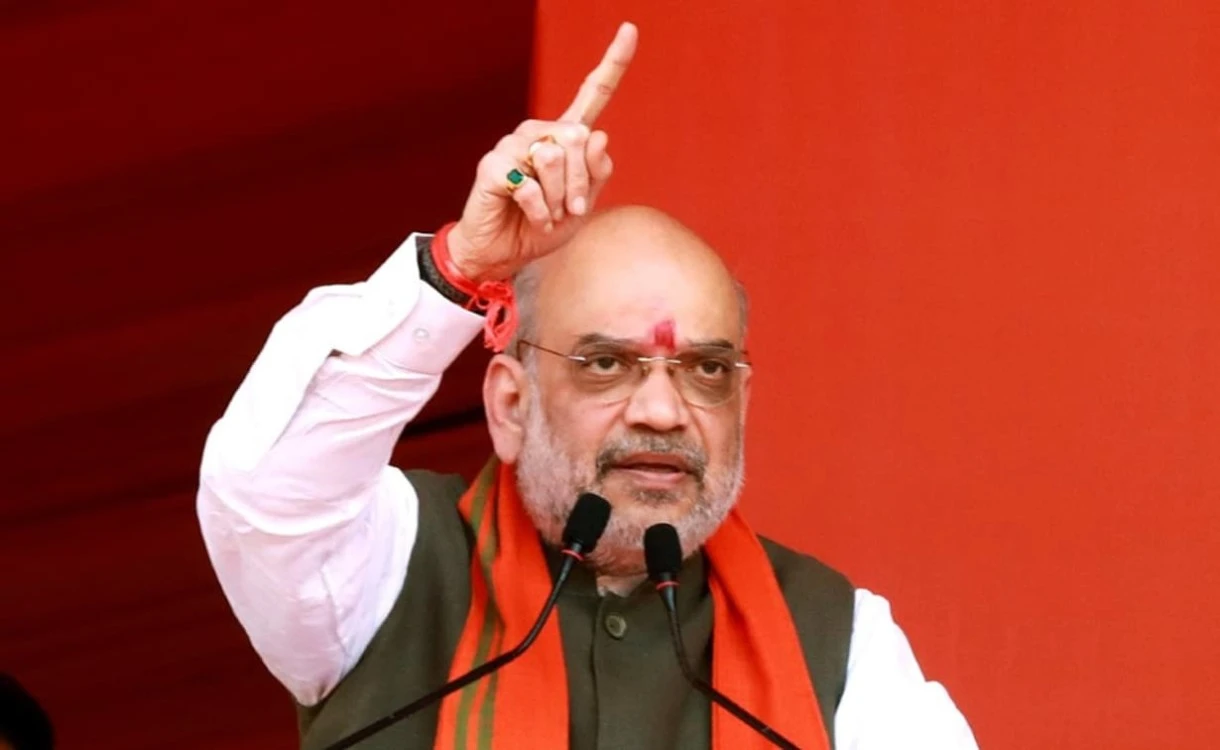
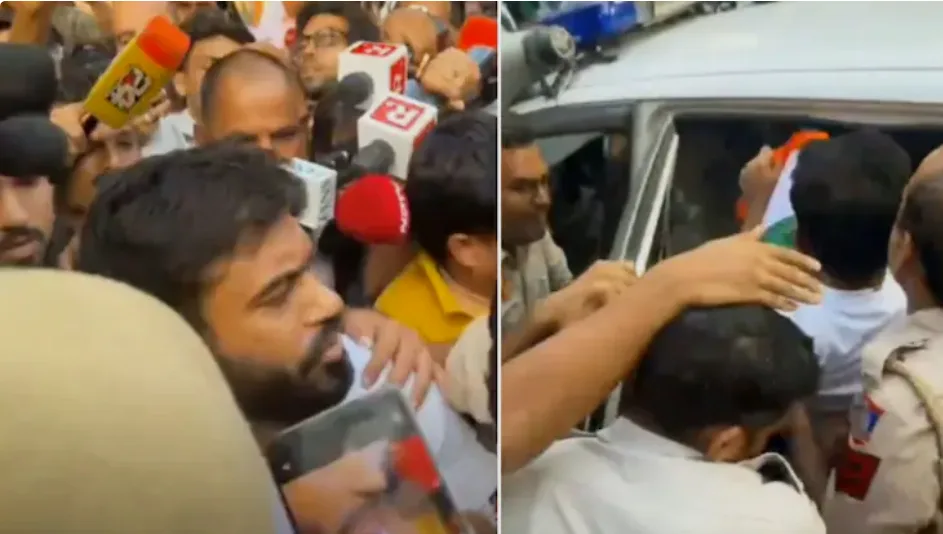
During the discussions, the Opposition Congress demanded Home Minister Amit Shah’s reply to allegations of police excesses on July 20 during the Cockroach Janta Party (CJP) march to Parliament. Over 100 students were treated for injuries ranging from fractures to pellet wounds. CRPF personnel have confirmed seven rounds of pellets were fired and five rounds were fired at the students.

Congress leader Pawan Khera said such force should not have been used against the students and the Home Minister must reply to the allegations. Following disruptions, the House was adjourned several times.

The legislation seeks to impose stricter penalties for paper leaks, organized examination fraud, and other unfair practices. It also provides for faster investigations, time-bound trials, and the establishment of a STF to investigate major examination-related offenses. According to the government, the amendments are intended to improve transparency, protect the credibility of public examinations, and restore students’ confidence in the system.

The Congress and several Opposition parties demanded a detailed discussion in both the Lok Sabha and the Rajya Sabha, arguing that the government must be held accountable for both the examination irregularities and the police response.

The debate comes days after the resignation of former Union Education Minister Dharmendra Pradhan, following weeks of nationwide protests over paper leaks and examination malpractice. While the Centre has announced reforms and introduced the amendment Bill, Opposition leaders maintain that legislative changes alone are insufficient without fixing responsibility for the controversy and the police action against students.

The government defended its response, stating that it has initiated investigations into examination fraud, introduced stricter legal provisions, and taken steps to strengthen the security of public examinations. Parliamentary Affairs Minister Kiren Rijiju urged MPs to participate in the debate and allow the House to function smoothly instead of disrupting proceedings.

Continue Reading

India News

E20 Janta Party set to follow in CJP footsteps

Published

on

By

Excise duty on petrol

After the success of the Cockroach Janta Party (CJP), a new outfit, calling itself the E20 Janta Party, has come into being.

It trended across social media platforms on Thursday after the CJP claimed victory following the resignation of Union Education Minister Dharmendra Pradhan, with supporters applauding the outcome as a major milestone in the ongoing student-led movement over alleged NEET-UG examination irregularities.

Thousands of posts, memes and videos flooded social media with users celebrating what they described as the growing influence of the CJP-led agitation. The term “E20 Janta Party” quickly gained traction on X and other platforms as motorists worried over the mixing of ethanol in petrol claimed they would themselves stage protests a la CJP.

Motorists all over India have been protesting against the fuel mixture given that their cars and motorcycles bought earlier had not been tuned for such increase in ethanol ratio. Some have claimed damage, ranging from engine damage to lower mileage. The government has not conceded the engine damage claim but has accepted that mileage may be compromised. Further, they have been agitating for a lowered fuel price for E20 since it has 20% ethanol but the government has shown willingness only to lower prices for the E85 blend which is being introduced slowly.

The public outpouring of support for the anti-NEET protests seems to have egged the anti-E20 people to come out of the woodwork though they have been vocal on social media. The Delhi taxi drivers association is also believed to have lent support to this cause. Transporters are also expected to join the protest slated on August 4 year since there are moves afoot to introduce isobutanol-diesel blend this year.

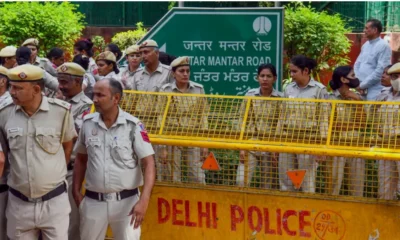
During the protests at Jantar Mantar, many activists had raised the ethanol issue time and again targeting Road Transport and Highways Minister Nitin Gadkari, an overzealous advocate for ethanol blending.

Continue Reading

India News

Parliament Monsoon Session 2026: Bill against paper leaks to be introduced in Lok Sabha today

The Lok Sabha will introduce and consider the Public Examinations (Prevention of Unfair Means) Amendment Bill, 2026, proposing stricter punishment, fast-track courts and stronger safeguards against paper leaks.

Published

on

The Lok Sabha is set to take up the Public Examinations (Prevention of Unfair Means) Amendment Bill, 2026 for consideration and passage on Monday as the Centre moves to tighten laws against paper leaks and examination-related fraud.

Union Minister Dr Jitendra Singh will seek the House’s permission to introduce the Bill before moving it for consideration and passing during the day’s legislative business.

The proceedings of the Lok Sabha are scheduled to begin at 11 am with the Question Hour, during which ministers will respond to listed oral questions.

Bill proposes stricter action against paper leaks

The proposed amendment aims to strengthen transparency and integrity in the public examination system through stricter legal provisions while safeguarding the interests of students.

Among its major provisions are:

  • Imprisonment of up to 10 years for those found guilty.
  • A fine of up to Rs.10 crore.
  • Confiscation of assets of convicted offenders.
  • A mechanism to ensure verdicts in such cases are delivered within three months through fast-track courts.

The proposed changes follow the Union Cabinet’s approval of the legislation and related measures aimed at tackling paper leaks and examination fraud with stricter punishment and expedited trials.

Supreme Court judges amendment Bill also on agenda

Apart from the anti-paper leak legislation, the Lok Sabha is also scheduled to consider the Supreme Court (Number of Judges) Amendment Bill, 2026.

Union Law Minister Arjun Ram Meghwal will move the Bill for consideration. It seeks to further amend the Supreme Court (Number of Judges) Act, 1956.

Ministers to present implementation reports

Several Union ministers are also expected to place statements before the House on the implementation of recommendations made by various Parliamentary Standing Committees.

Among them:

  • Gajendra Singh Shekhawat will present an update on recommendations related to the Ministry of Tourism.
  • Jayant Chaudhary will report on recommendations concerning the Ministry of Skill Development and Entrepreneurship.
  • Pankaj Chaudhary will table a statement on recommendations relating to the Ministry of Finance.
  • Suresh Gopi will present implementation updates on recommendations made by the Standing Committee on Petroleum and Natural Gas.

Continue Reading

Trending

© Copyright 2022 APNLIVE.com