
India News
3-yr-old raped, killed in UP’s Lakhimpur Kheri in third incident in a row
Lakhimpur Kheri continues to shock the rest of Uttar Pradesh and the country with the rape of a 3-year-old girl


Lakhimpur Kheri continues to shock the rest of Uttar Pradesh and the country with the rape of a 3-year-old girl, who had been raped and strangled to death. The child’s body was found on Wednesday in the district’s Singahi area and the post-mortem revealed the sexual assault the next day. Police have arrested the accused, Lekhram.
The girl had been missing since Wednesday. Police recovered the body from the vicinity of her village. The girl had injury marks on her head. The autopsy conducted by a panel of doctors confirmed internal tears and strangulation as reason of death. District police chief Satendra Kumar said the police formed four teams to hunt for the accused.

The toddler’s father had said in his complaint that he suspected that Lekhram had abducted and killed her due to family enmity. The rape and murder of the toddler is the third such incident in the district. Lakhimpur Kheri was in the news recently when a 17-year-old girl was found dead outside her village. She was allegedly raped and murdered after she left home to fill a scholarship application. Her mutilated body was found near a dry pond, around 200 metres from her village falling under Neemgaon police limits. A few weeks ago, a 13-year-old had also been raped and strangled. The girl had left for her fields when she went missing and was found dead in a sugarcane field.
Opposition parties have been alleging that the Yogi Adityanath government has been unable to rein in crimes in the state and allege a breakdown of law and order. In an attack on the Uttar Pradesh chief minister, Congress state chief Ajay Kumar Lallu said even after so many incidents the Chief Minister had not fixed responsibility.
Read Also: NCB questions Rhea Chakaborty’s brother
Though the Yogi government had recently instituted the Women and Child Safety Organisation under a senior police officer to check crimes against women and especially minors, the crimes in Lakhimpur Kheri call for swift action to put a stop to them.








India News
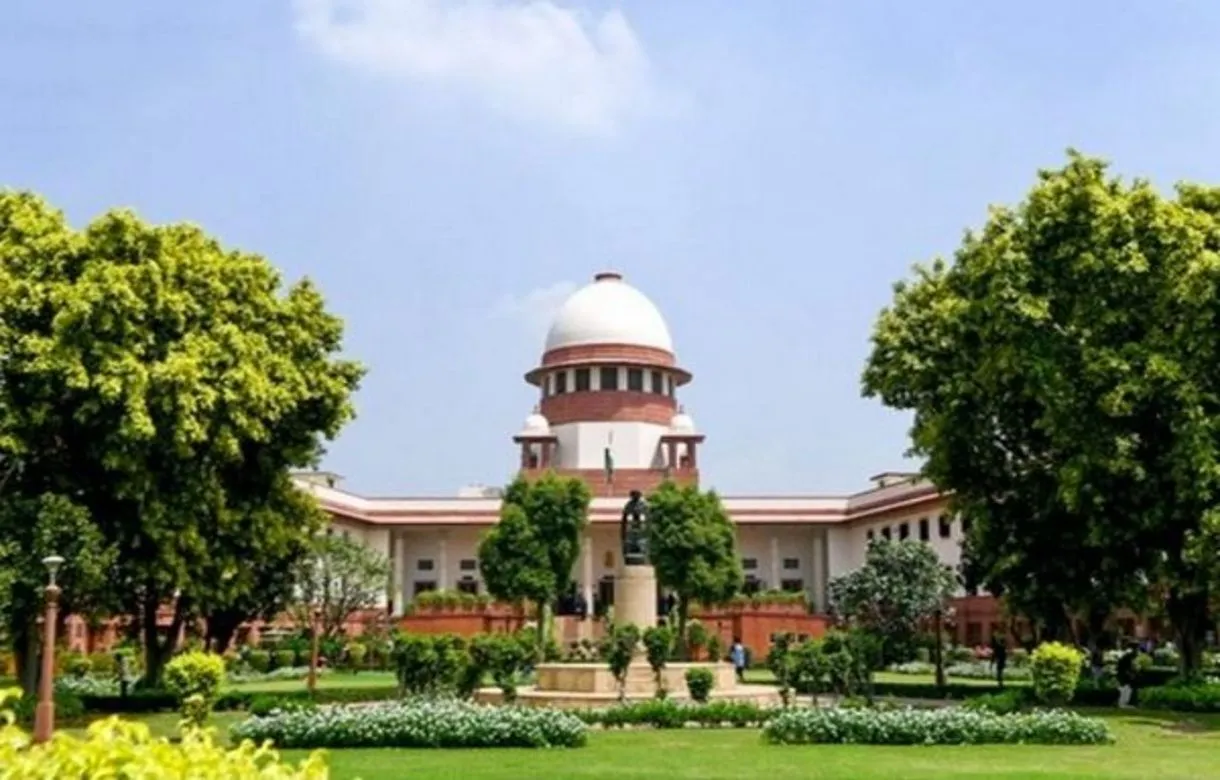
Supreme Court questions EC over missing records in Sringeri election dispute
The Supreme Court questioned the Election Commission over missing video footage of the 2023 counting in Karnataka’s Sringeri constituency. The case involves a revised result following a recount of postal ballots.

India News
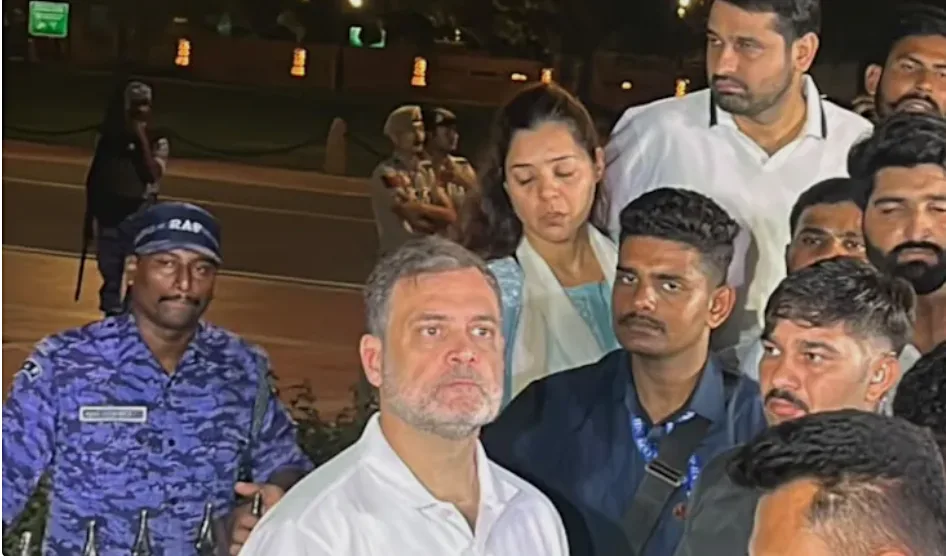
Rahul Gandhi joins India Gate protest by Ankita Bhandari’s parents
Rahul Gandhi joined the protest by Ankita Bhandari’s parents at India Gate in New Delhi on October 14. The demonstration has brought renewed attention to the 2022 murder case and the family’s concerns following Dushyant Gautam’s appointment as Sikkim Governor.
India News
Meerut murder: Muskaan Rastogi and Sahil Shukla get death sentence
A Meerut court has sentenced Muskaan Rastogi and Sahil Shukla to death in the blue drum murder case involving the killing of merchant navy officer Saurabh Rajput in March 2025.

CJP leaders Saurav Das, Ashutosh Ranka, Ajinkya Shinde sent to 5-day judicial custody

PM Modi speaks to Mark Carney as India and Canada push to strengthen ties

S Jaishankar says India is a natural option for Russia amid Europe tensions

Meerut murder: Muskaan Rastogi and Sahil Shukla get death sentence

Rahul Gandhi joins India Gate protest by Ankita Bhandari’s parents

Supreme Court questions EC over missing records in Sringeri election dispute
Rahul Gandhi joins India Gate protest by Ankita Bhandari’s parents
Meerut murder: Muskaan Rastogi and Sahil Shukla get death sentence
PM Modi speaks to Mark Carney as India and Canada push to strengthen ties
S Jaishankar says India is a natural option for Russia amid Europe tensions

Afghan Men Try To Hang With The Jet Engine Of The Aircraft in Kabul- Afghanistan News – Kabul News
Trending Top 10 News: 10000 Crore Fine on Flipkart, Apple to Launch Unique Feature, Hdfc Bank Job Ad

Trending Top 10 News: Nokia 6310, Apple sales, Bachpan ka Pyar Video Kid, Dainik Bhaskar IT Raid

Trending Top 10 News: Canada bans Indian flights, Rain in Delhi NCR, AIMIM Twitter hacked, Raj Kundra case

Trending Top 10 News: Shein India, Apple New Service, Pocket Oxygen, Oppo Launched New Phone
-
 India News14 hours ago
CJP leaders Saurav Das, Ashutosh Ranka, Ajinkya Shinde sent to 5-day judicial custody
-
 India News14 hours ago
PM Modi speaks to Mark Carney as India and Canada push to strengthen ties
-
 Latest world news14 hours ago
S Jaishankar says India is a natural option for Russia amid Europe tensions
-
 India News3 hours ago
Meerut murder: Muskaan Rastogi and Sahil Shukla get death sentence
-
 India News3 hours ago
Rahul Gandhi joins India Gate protest by Ankita Bhandari’s parents
-
 India News2 hours ago
Supreme Court questions EC over missing records in Sringeri election dispute
