
India News
Covid-19 outbreak: India crosses 50 lakh cases mark
Coronavirus Cases In India: With a total of 50,20,359 coronavirus cases, India has become the second country after the US to have crossed the 50-lakh mark. The country also recorded 1,290 deaths – the highest 24-hour


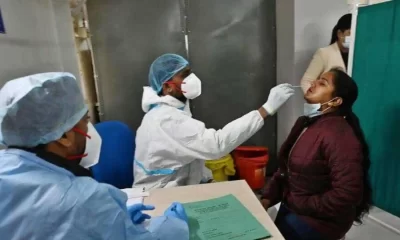
With India now having over 50 lakh coronavirus cases in total, the country recorded 90,123 new cases on Wednesday taking the total to 5,02,0359. The active cases in the country account for 19.84 percent of the total caseload. 39,42,360 people have recovered so far in the country, according to Union Health Ministry data.
India also reported 1,290 deaths in the last 24 hours, the highest in a day, taking the total deaths so far to 82,066. States like Maharashtra, Karnataka, Andhra Pradesh, Tamil Nadu and Uttar Pradesh continue to report the highest number of active cases, accounting for 60 percent of the total cases in the country.
Maharashtra and Karnataka are also among the two states reporting the highest number of deaths in the last 24 hours. While 515 people succumbed in Maharashtra, 216 died in Karnataka, the health ministry’s data stated.

The country is loosening restrictions with most facilities being resumed, the prime among them being the resumption of the Metro services which returned to full service as before the Covid-19 outbreak. The decision to open up has also been underpinned by the disastrous quarter GDP growth rate of minus 23.9 percent due to the lockdowns and the forced migration of workers back to their native states.
Malls, restaurants and bars are back in business with social distancing norms. Gyms are the most recent facility to open up. While Europe has opened up schools, schools, colleges and cinema halls remain closed. Though there have been suggestions from the government to stagger school timings or open only senior classes in a bid to reopen schools, the schools are yet to decide which way they would opt for. Several states have asked schools to lower or not charge the full fees for these months.
With greater public interaction in mass transit systems and the autumn equinox falling on Sunday, the numbers are likely to go up, say independent experts.






India News
Delhi Police offers 11-person limit for CJP’s Connaught Place protest
Delhi Police has offered to facilitate a group of 11 people at Central Park in Connaught Place for the Cockroach Janata Party’s October 16 protest, while warning that violations of prohibitory orders could invite legal action.


India News
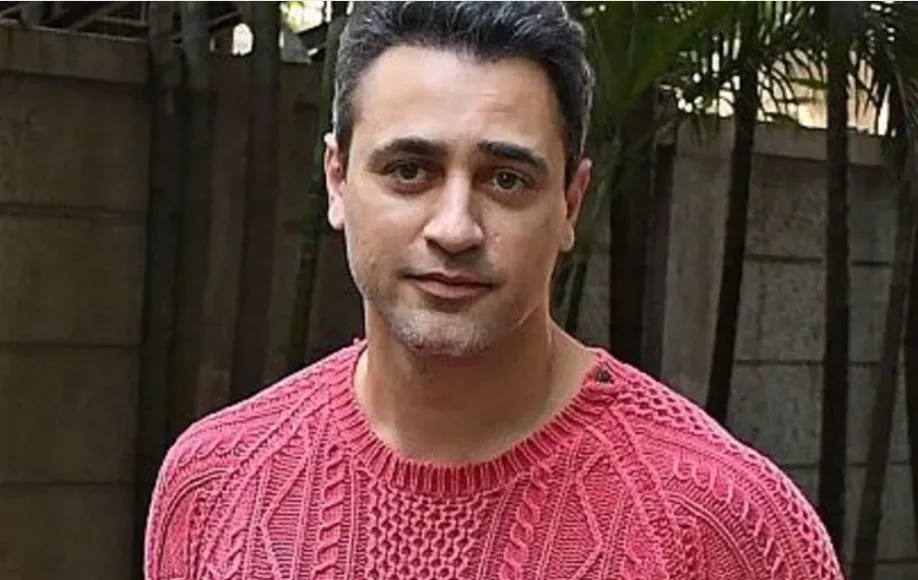
Actor Imran Khan asked to leave India after CJP protest
Actor Imran Khan has been asked to leave India by October 28, days after participating in a protest called by the Cockroach Janta Party (CJP) in Mumbai.
India News
Election Commission orders voter roll revision in 17 states, UTs
The Election Commission has ordered a Special Summary Revision of electoral rolls in 17 states and Union Territories. Draft rolls are scheduled for November 12, with final rolls due on January 4, 2027.


Dhruv Rathee gets fresh summons in 2018 BJP IT cell video case

Nobody can browbeat judiciary, Chief Justice warns over Rahul Gandhi’s march

India-US trade deal first phase finalised, drafting underway

Election Commission orders voter roll revision in 17 states, UTs

Actor Imran Khan asked to leave India after CJP protest

Delhi Police offers 11-person limit for CJP’s Connaught Place protest
Actor Imran Khan asked to leave India after CJP protest
Election Commission orders voter roll revision in 17 states, UTs
India-US trade deal first phase finalised, drafting underway
Nobody can browbeat judiciary, Chief Justice warns over Rahul Gandhi’s march

Afghan Men Try To Hang With The Jet Engine Of The Aircraft in Kabul- Afghanistan News – Kabul News
Trending Top 10 News: 10000 Crore Fine on Flipkart, Apple to Launch Unique Feature, Hdfc Bank Job Ad

Trending Top 10 News: Nokia 6310, Apple sales, Bachpan ka Pyar Video Kid, Dainik Bhaskar IT Raid

Trending Top 10 News: Canada bans Indian flights, Rain in Delhi NCR, AIMIM Twitter hacked, Raj Kundra case

Trending Top 10 News: Shein India, Apple New Service, Pocket Oxygen, Oppo Launched New Phone
-
 India News20 hours ago
Dhruv Rathee gets fresh summons in 2018 BJP IT cell video case
-
 India News17 hours ago
Nobody can browbeat judiciary, Chief Justice warns over Rahul Gandhi’s march
-
 India News12 hours ago
India-US trade deal first phase finalised, drafting underway
-
 India News10 hours ago
Election Commission orders voter roll revision in 17 states, UTs
-
 India News10 hours ago
Actor Imran Khan asked to leave India after CJP protest
-
 India News8 hours ago
Delhi Police offers 11-person limit for CJP’s Connaught Place protest
