
India News
New Covid-19 cases in India again hover over 95,000
India registered a record single-day spike with 95,735 Covid-19 cases and the highest death toll per day of 1,172 fatalities reported in 24 hours on Wednesday.


India registered a record single-day spike with 95,735 Covid-19 cases and the highest death toll per day of 1,172 fatalities reported in 24 hours on Wednesday. The Covid tally in India rose to 44,65,863 with the total death toll reaching 75,063 according to latest data released by the Ministry of Health and Family Welfare. The number of recoveries stood at a cumulative 3,471,783 with 72,939 people recovering in the last 24 hours.
A few days ago, India became the country with the second highest number of cases after the United States, which has over 6.38 million cases currently. However, in terms of deaths due to Covid-19, India ranks third after the US and Brazil. There are over 27.7 million cases of Covid-19 across the world, and 902,468 deaths so far, according to a Reuters tally.

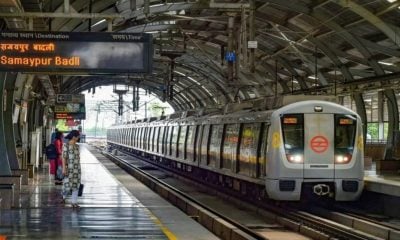
Maharashtra is the most affected state in the country, which recorded 23,577 cases in 24 hours. The state also registered the highest number of deaths with 380 fatalities. Delhi saw a record surge with over 4,000 cases on Wednesday. This comes even as Delhi Metro services are being expanded across several lines. After a month-long decline in July, Delhi is again seeing a surge in cases. Experts maintain that it is important to focus on wearing masks and washing hands regularly to ensure cases don’t spiral out of control due to Metro services.
The Union Health Ministry official informed that the recovery rate in the country is 77.7% with the death rate dropping to 1.6%. As per government data, 11.29 lakh samples were tested in the last 24 hours.
Read Also: Rafales can counter current threat, says Rajnath Singh at Ambala induction
AIIMS director Randeep Guleria recently said some states are showing signs of the second wave of infection. This is possible due to community transmission in some pockets including the 5 states which account for almost 70 per cent of the active cases.








India News
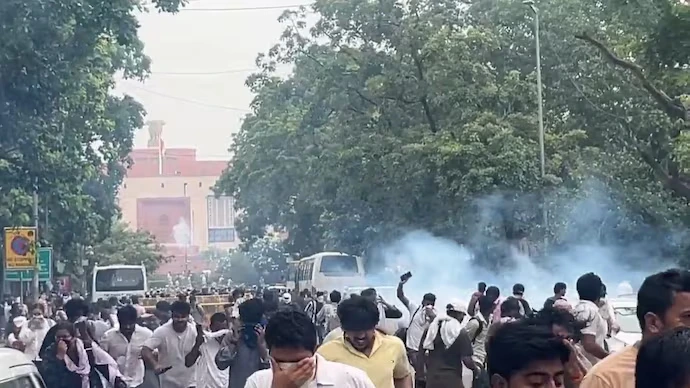
Delhi deploys 25,000 personnel, installs CCTV cameras ahead of CJP march
More than 25,000 police and paramilitary personnel have been deployed in Delhi ahead of the CJP’s planned protest march at Connaught Place. Authorities have also imposed restrictions and stepped up CCTV surveillance.

India News
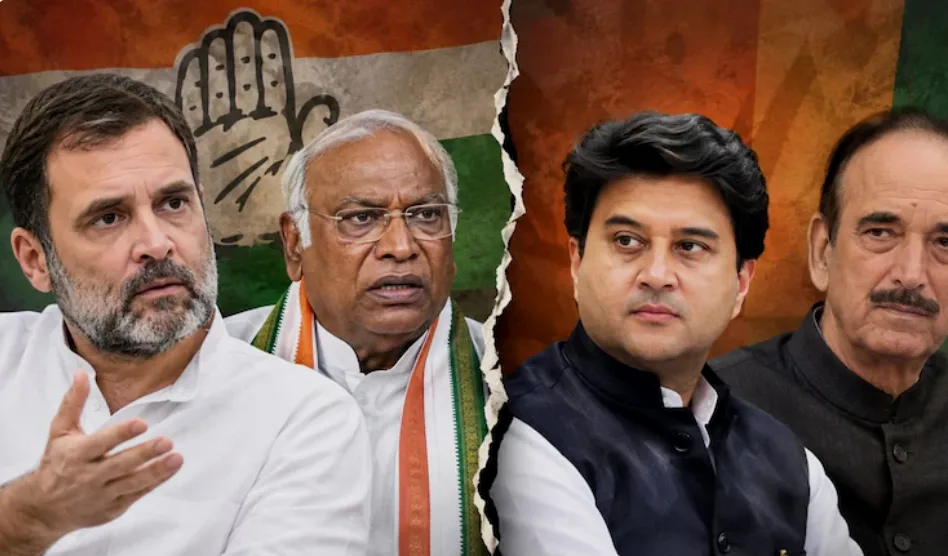
Mallikarjun Kharge’s ‘Your Friends’ jab at Rahul Gandhi over congress exits
Congress president Mallikarjun Kharge took a dig at Rahul Gandhi after the Leader of the Opposition reportedly described former party leaders Jyotiraditya Scindia and Ghulam Nabi Azad as among those who had left the Congress.
India News
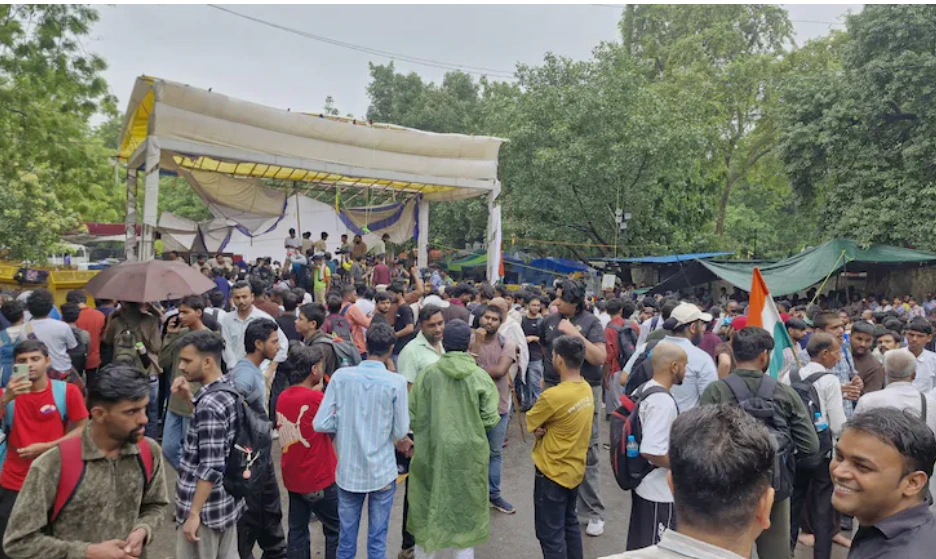
Delhi Police offers 11-person limit for CJP’s Connaught Place protest
Delhi Police has offered to facilitate a group of 11 people at Central Park in Connaught Place for the Cockroach Janata Party’s October 16 protest, while warning that violations of prohibitory orders could invite legal action.

Nobody can browbeat judiciary, Chief Justice warns over Rahul Gandhi’s march

India-US trade deal first phase finalised, drafting underway

Election Commission orders voter roll revision in 17 states, UTs

Actor Imran Khan asked to leave India after CJP protest

Delhi Police offers 11-person limit for CJP’s Connaught Place protest

Magnitude 7 earthquake strikes Russia’s Kamchatka Peninsula

Delhi deploys 25,000 personnel, installs CCTV cameras ahead of CJP march

Mallikarjun Kharge’s ‘Your Friends’ jab at Rahul Gandhi over congress exits
Delhi Police offers 11-person limit for CJP’s Connaught Place protest
Actor Imran Khan asked to leave India after CJP protest

Afghan Men Try To Hang With The Jet Engine Of The Aircraft in Kabul- Afghanistan News – Kabul News
Trending Top 10 News: 10000 Crore Fine on Flipkart, Apple to Launch Unique Feature, Hdfc Bank Job Ad

Trending Top 10 News: Nokia 6310, Apple sales, Bachpan ka Pyar Video Kid, Dainik Bhaskar IT Raid

Trending Top 10 News: Canada bans Indian flights, Rain in Delhi NCR, AIMIM Twitter hacked, Raj Kundra case

Trending Top 10 News: Shein India, Apple New Service, Pocket Oxygen, Oppo Launched New Phone
-
 India News24 hours ago
Nobody can browbeat judiciary, Chief Justice warns over Rahul Gandhi’s march
-
 India News19 hours ago
India-US trade deal first phase finalised, drafting underway
-
 India News17 hours ago
Election Commission orders voter roll revision in 17 states, UTs
-
 India News17 hours ago
Actor Imran Khan asked to leave India after CJP protest
-
 India News15 hours ago
Delhi Police offers 11-person limit for CJP’s Connaught Place protest
-
 India News4 hours ago
Mallikarjun Kharge’s ‘Your Friends’ jab at Rahul Gandhi over congress exits
-
 India News4 hours ago
Delhi deploys 25,000 personnel, installs CCTV cameras ahead of CJP march
-
 Latest world news3 hours ago
Magnitude 7 earthquake strikes Russia’s Kamchatka Peninsula
