
India News
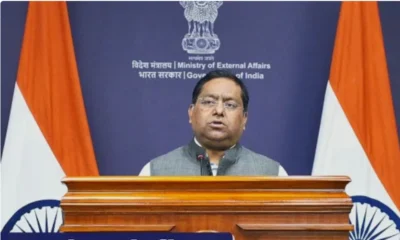
Rafales can counter current threat, says Rajnath Singh at Ambala induction
India on Thursday inducted its first 5 Rafale fighter jets as part of the 17th squadron at the Indian Air Force base in Ambala, Haryana on Thursday.


India on Thursday inducted its first 5 Rafale fighter jets as part of the 17th squadron at the Indian Air Force base in Ambala, Haryana on Thursday. India received the first set of 5 Rafale jets in July this year out of the contracted 36 from France as per the agreement signed with Paris in September 2016 for Rs 59,000 crore. All 36 aircraft are to be delivered by the end of 2021 as per schedule.
The Rafale jets were built by French aerospace major Dassault Aviation. The 4.5-generation jets are known for their air superiority, dominance and precision strikes on ground targets.

The ceremony at Ambala base included a ceremonial unveiling of the Rafales, a traditional all-faith ceremony and air display by Rafale, Sukhoi-30 MKI and Tejas aircraft. The proceedings culminated with the Rafales’ induction into the 17 squadron.
Defence Minister Rajnath Singh, who spoke at the event, said the induction of the Rafales an important milestone since the tensions at the Line of Actual Control (LAC) were heightened though he didn’t name China. The induction of the 5 Rafales into the IAF also represents the strong ties between India and France. Singh said with the induction of Rafale in Indian Air Force, the strategic ties between two countries have also been strengthened.
French Defence Minister Florence Parly, who was present at the induction ceremony, said together India and France are writing a new chapter in defence ties. She said France was fully committed to the Make in India initiative and the further integration of Indian manufacturers in their global supply chain.
Read Also: New Covid-19 cases in India again hover over 95,000
Despite Rafale being a 4.5 generation aircraft, China claims superiority over it citing that its J-20 is 5th generation with capabilities to counter the Rafales. While the J-20 was hyped to be a stealth fighter, the Rafale has real stealth features as they are designed for a reduced radar cross-section and infrared signature. Reports said the Rafale can lift loads up to 1.5 times its weight which means it can carry weapons and fuel for far greater capability than the J-20.







India News
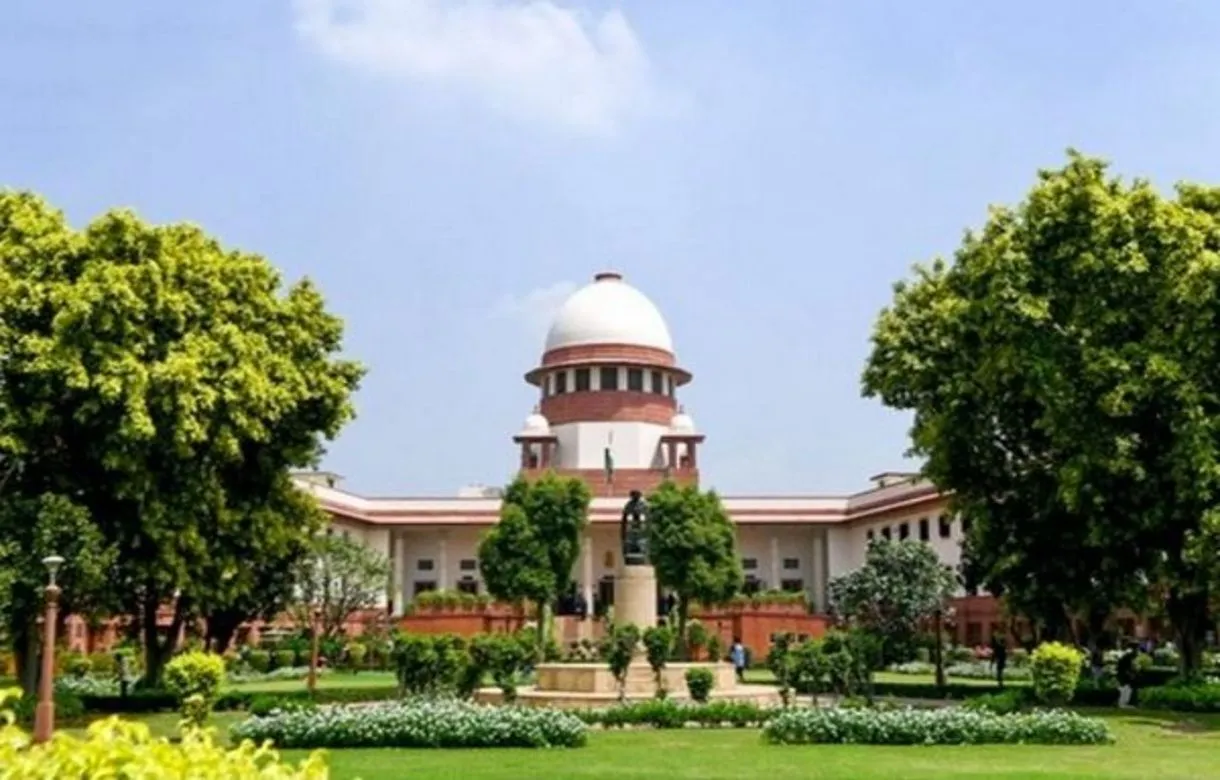
Supreme Court questions EC over missing records in Sringeri election dispute
The Supreme Court questioned the Election Commission over missing video footage of the 2023 counting in Karnataka’s Sringeri constituency. The case involves a revised result following a recount of postal ballots.

India News
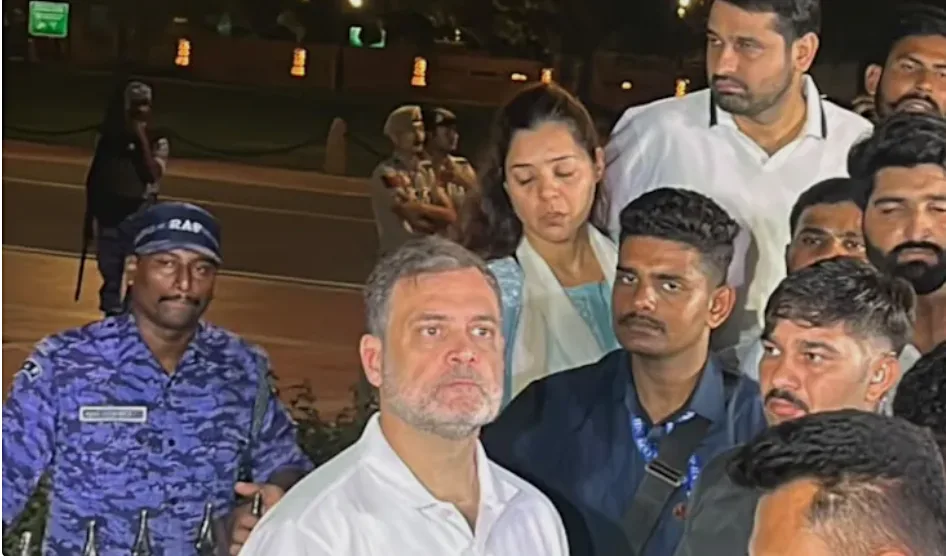
Rahul Gandhi joins India Gate protest by Ankita Bhandari’s parents
Rahul Gandhi joined the protest by Ankita Bhandari’s parents at India Gate in New Delhi on October 14. The demonstration has brought renewed attention to the 2022 murder case and the family’s concerns following Dushyant Gautam’s appointment as Sikkim Governor.
India News
Meerut murder: Muskaan Rastogi and Sahil Shukla get death sentence
A Meerut court has sentenced Muskaan Rastogi and Sahil Shukla to death in the blue drum murder case involving the killing of merchant navy officer Saurabh Rajput in March 2025.

BJP focuses on religion as opposition pushes BDM strategy in UP

CJP leaders Saurav Das, Ashutosh Ranka, Ajinkya Shinde sent to 5-day judicial custody

PM Modi speaks to Mark Carney as India and Canada push to strengthen ties

S Jaishankar says India is a natural option for Russia amid Europe tensions

Meerut murder: Muskaan Rastogi and Sahil Shukla get death sentence

Supreme Court questions EC over missing records in Sringeri election dispute

Rahul Gandhi joins India Gate protest by Ankita Bhandari’s parents
Meerut murder: Muskaan Rastogi and Sahil Shukla get death sentence
PM Modi speaks to Mark Carney as India and Canada push to strengthen ties
S Jaishankar says India is a natural option for Russia amid Europe tensions

Afghan Men Try To Hang With The Jet Engine Of The Aircraft in Kabul- Afghanistan News – Kabul News
Trending Top 10 News: 10000 Crore Fine on Flipkart, Apple to Launch Unique Feature, Hdfc Bank Job Ad

Trending Top 10 News: Nokia 6310, Apple sales, Bachpan ka Pyar Video Kid, Dainik Bhaskar IT Raid

Trending Top 10 News: Canada bans Indian flights, Rain in Delhi NCR, AIMIM Twitter hacked, Raj Kundra case

Trending Top 10 News: Shein India, Apple New Service, Pocket Oxygen, Oppo Launched New Phone
-
 India News24 hours ago
BJP focuses on religion as opposition pushes BDM strategy in UP
-
 India News13 hours ago
CJP leaders Saurav Das, Ashutosh Ranka, Ajinkya Shinde sent to 5-day judicial custody
-
 India News13 hours ago
PM Modi speaks to Mark Carney as India and Canada push to strengthen ties
-
 Latest world news13 hours ago
S Jaishankar says India is a natural option for Russia amid Europe tensions
-
 India News2 hours ago
Meerut murder: Muskaan Rastogi and Sahil Shukla get death sentence
-
 India News1 hour ago
Rahul Gandhi joins India Gate protest by Ankita Bhandari’s parents
-
 India News53 mins ago
Supreme Court questions EC over missing records in Sringeri election dispute
