
India News
ROW OVER EXAMS: OVER 150 ACADEMICIANS WRITE TO PM
Referring to the growing chorus against the conduct of these exams in September in view of the rising COVID-19 cases, about 150 academicians from India and abroad in a letter the PM Modi said, “Some are trying to play with future of students to propel their own political agenda.

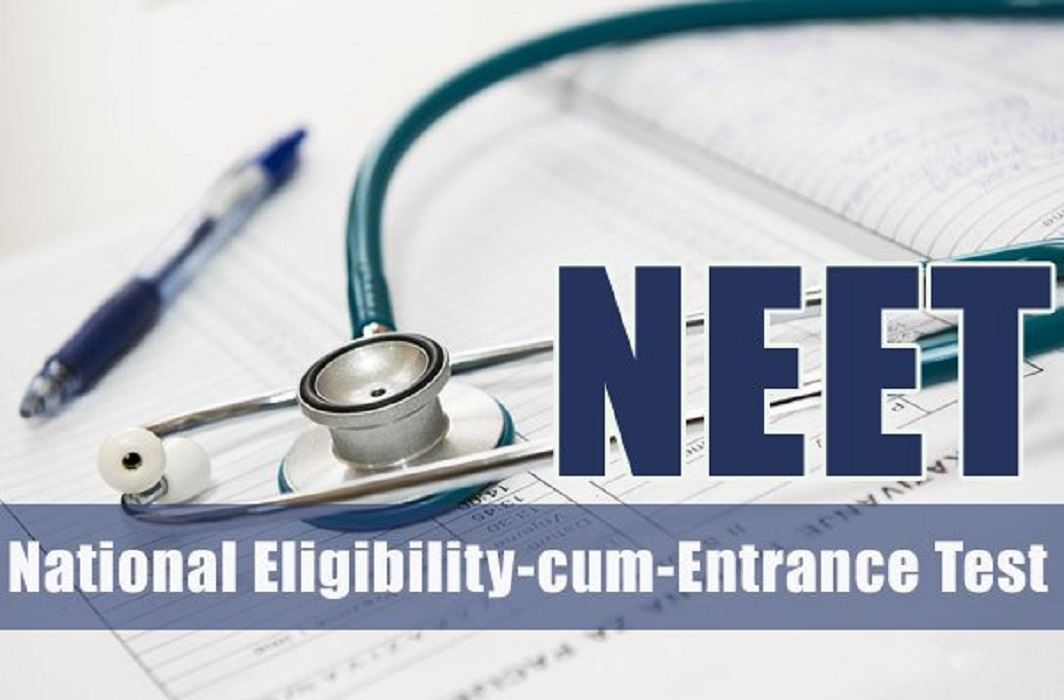
Referring to the growing chorus against the conduct of these exams in September in view of the rising COVID-19 cases, about 150 academicians from India and abroad in a letter the PM Modi said,
“Some are trying to play with future of students to propel their own political agenda. Youths and students are the future of the nation but in wake of the COVID-19 pandemic, clouds of uncertainty have gathered over their careers too. There are lot of apprehensions about admission and classes which need to be resolved at the earliest,” they have said in their letter.
Like every year, this year too millions of students have passed their Class 12 exams and are now waiting at home to eagerly take the next step, the letter said.
“The government has announced the dates for JEE-Mains and NEET…any further delay in conducting the exams will result in waste of precious year for students. The dreams and future of our youth and students cannot be compromised at any cost. However, some are trying to play with the future of our students simply to propel their own political agenda and oppose the government,” it said.

The signatories include academicians from the Delhi University, IGNOU, Lucknow University, JNU, BHU, IIT Delhi and Indian academicians from foreign universities such as University of London, University of California, The Hebrew University of Jerusalem and Ben Gurion University, Israel, among others.
“We strongly believe that the central government will successfully conduct the JEE and NEET exams taking full precautions to ensure that the future of students is taken care of and the academic calendar for 2020-21 is rolled out,” it added.
Over 14 lakh admit cards for the medical and engineering entrance exams –NEET and JEE– were downloaded after the National Testing Agency (NTA) released them on Wednesday, even as the issue was discussed extensively during a meeting of chief ministers of non-BJP ruled states who decided to jointly move the Supreme Court to seek deferment of these exams.

The issue, which has been a matter of intense public discourse for the past few months, has evoked contrasting views with many backing the holding of the tests arguing that not doing so would result in a zero academic year for students, while the Opposition and a section of activists demanding their postponement in view of the COVID-19 pandemic.
The issue also took political undertones on Wednesday with opposition leaders attacking the Central government.
Read Also: Yogi tweeted warning, Mukhtar Ansari’s bad days begin
While the NEET is planned on September 13, engineering entrance exam JEE Main is scheduled from September 1-6. Around 9.53 lakh candidates have registered for JEE-Mains and 15.97 lakh students have registered for NEET.
These exams have already been deferred twice in the wake of the novel coronavirus pandemic.







India News
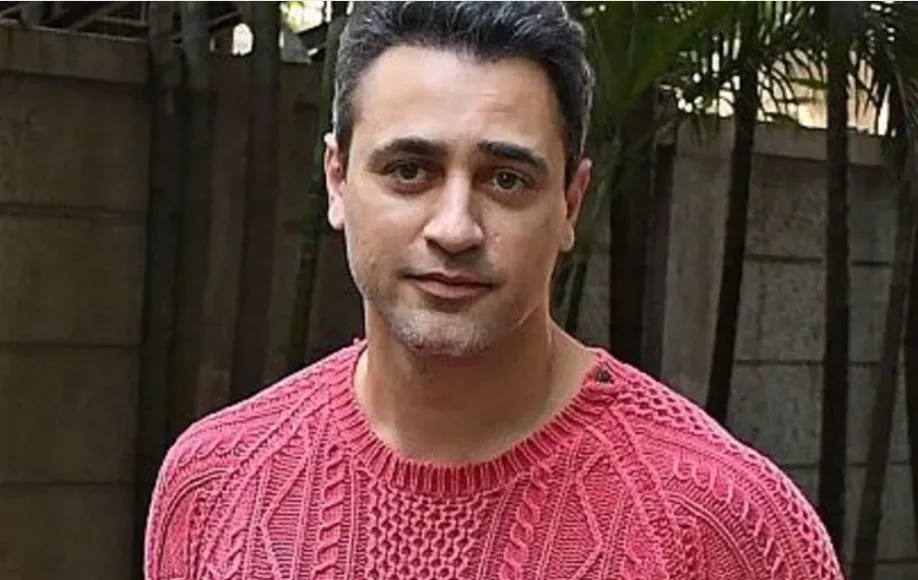
Actor Imran Khan asked to leave India after CJP protest
Actor Imran Khan has been asked to leave India by October 28, days after participating in a protest called by the Cockroach Janta Party (CJP) in Mumbai.

India News
Election Commission orders voter roll revision in 17 states, UTs
The Election Commission has ordered a Special Summary Revision of electoral rolls in 17 states and Union Territories. Draft rolls are scheduled for November 12, with final rolls due on January 4, 2027.
India News
India-US trade deal first phase finalised, drafting underway
The first phase of the India-US trade agreement has been finalised and is undergoing legal drafting, Commerce Minister Piyush Goyal said. The deal is expected to be operationalised once India secures a competitive advantage over peer countries.

Supreme Court questions EC over missing records in Sringeri election dispute

Dhruv Rathee gets fresh summons in 2018 BJP IT cell video case

Nobody can browbeat judiciary, Chief Justice warns over Rahul Gandhi’s march

India-US trade deal first phase finalised, drafting underway

Election Commission orders voter roll revision in 17 states, UTs

Actor Imran Khan asked to leave India after CJP protest
Election Commission orders voter roll revision in 17 states, UTs
India-US trade deal first phase finalised, drafting underway
Nobody can browbeat judiciary, Chief Justice warns over Rahul Gandhi’s march
Dhruv Rathee gets fresh summons in 2018 BJP IT cell video case

Afghan Men Try To Hang With The Jet Engine Of The Aircraft in Kabul- Afghanistan News – Kabul News
Trending Top 10 News: 10000 Crore Fine on Flipkart, Apple to Launch Unique Feature, Hdfc Bank Job Ad

Trending Top 10 News: Nokia 6310, Apple sales, Bachpan ka Pyar Video Kid, Dainik Bhaskar IT Raid

Trending Top 10 News: Canada bans Indian flights, Rain in Delhi NCR, AIMIM Twitter hacked, Raj Kundra case

Trending Top 10 News: Shein India, Apple New Service, Pocket Oxygen, Oppo Launched New Phone
-
 India News24 hours ago
Supreme Court questions EC over missing records in Sringeri election dispute
-
 India News11 hours ago
Dhruv Rathee gets fresh summons in 2018 BJP IT cell video case
-
 India News8 hours ago
Nobody can browbeat judiciary, Chief Justice warns over Rahul Gandhi’s march
-
 India News4 hours ago
India-US trade deal first phase finalised, drafting underway
-
 India News1 hour ago
Election Commission orders voter roll revision in 17 states, UTs
-
 India News56 mins ago
Actor Imran Khan asked to leave India after CJP protest
