
India News
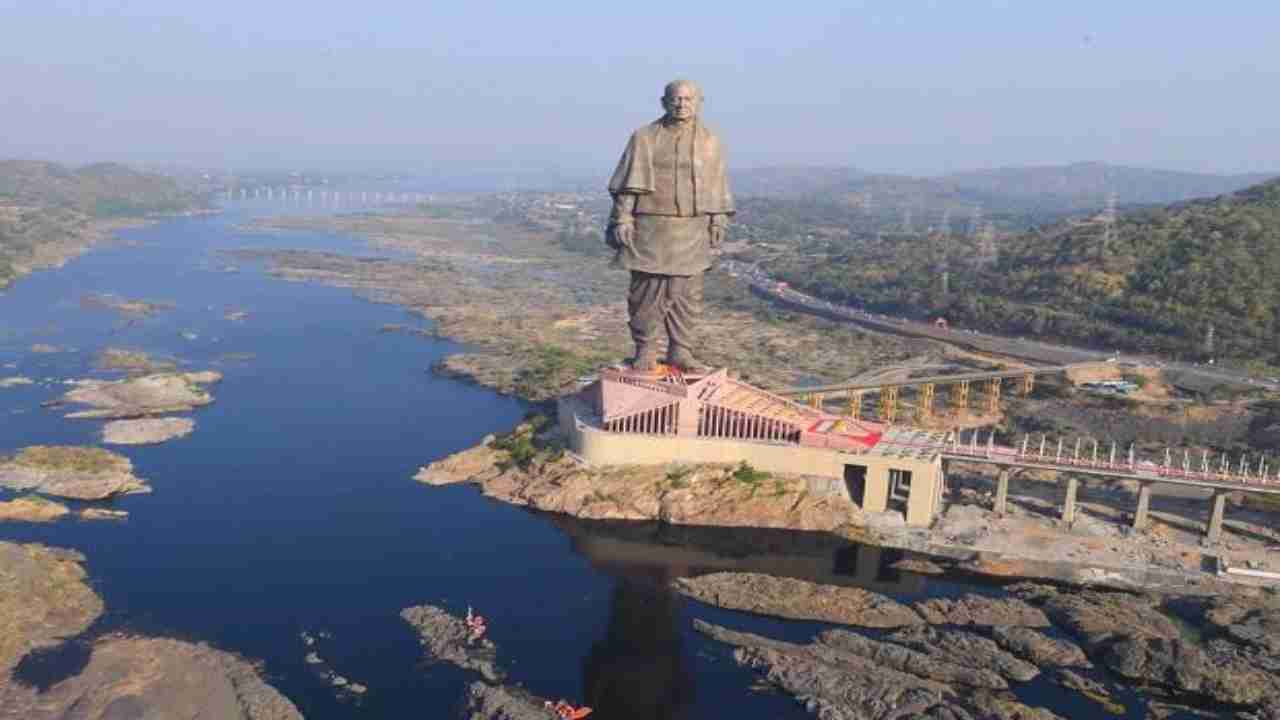
Sardar Vallabhbhai Patel Covid Hospital, a beacon of hope in dreary days
The Sardar Vallabh bhai Patel COVID Hospital is inaugurated by Mr. Amit Shah, Home minister and Mr. RajnathSingh, Defence Minister of India in July 2020. This Hospital is raided from PM care fund. Is being managed by a team of dedicated doctors, nursing officers and paramedics from the Armed forces.


The Sardar Vallabhbhai Patel COVID Hospital was inaugurated by Home Minister Amit Shah and Defence Minister Rajnath Singh in July 2020. The Hospital, which has been raised from PM Cares fund, is being managed by a team of dedicated doctors, nursing officers and paramedics from the Armed Forces.
The maximum contribution is from the prestigious Armed Forces Medical College, Pune. Prime Minister Narendra Modi in his address to the nation through “Man Ki Baat” on 26 July 20 appreciated corona warriors working in this hospital. During the height of ongoing COVID Pandemic, critical care anaesthesiologists from Pune were detailed to set up and operationalise the completely de novo 1000-bed Sardar Vallabhbhai Patel COVID Hospital in Delhi.

As a result of the officers’ consistent efforts and professional interventions, the facility could be operationalised in record time and saved the lives of 500 serious COVID patients till now. Dr Shalendra Singh and his team in ICU showed the extreme professional competence. The hospital admitted 500 serious COVID patients till now and only 7 deaths have been reported from this hospital, which is one of lowest death rate by any COVID Hospital in India. A 71-year-old lady got admitted in mid-July as a case of severe COVID 19. She had multiple comorbidities. Her general condition was very poor and on the 3rd day of admission, she was put on ventilator. Her course of disease was eventful which required advanced drugs to keep her blood pressure, blood sugar and lung and heart condition normal. She also required tracheostomy at her 11th day on the ventilator.
Read Also: Facebook bans Telangana BJP MLA Raja Singh from platform
With utmost dedication of the Faculty and Residents of Anaesthesiology and Critical care, the patient was slowly taken off ventilator after 20 days. Slowly, she recovered and her tracheostomy tube was also taken out. Now she talks, smiles and enjoys her warm cup of tea. The efforts of the team of nursing officers from the College of Nursing, Pune is indeed appreciable. Dr Shamik Paul,an anaesthesiologist working in ICU for last two months, was happy that after about 40 days of hospitalisation, she is ready to be discharged. The hospital has gained a lot of appreciation from the people of Delhi and NCR.






India News
Actor Imran Khan asked to leave India after CJP protest
Actor Imran Khan has been asked to leave India by October 28, days after participating in a protest called by the Cockroach Janta Party (CJP) in Mumbai.


India News
Election Commission orders voter roll revision in 17 states, UTs
The Election Commission has ordered a Special Summary Revision of electoral rolls in 17 states and Union Territories. Draft rolls are scheduled for November 12, with final rolls due on January 4, 2027.

India News
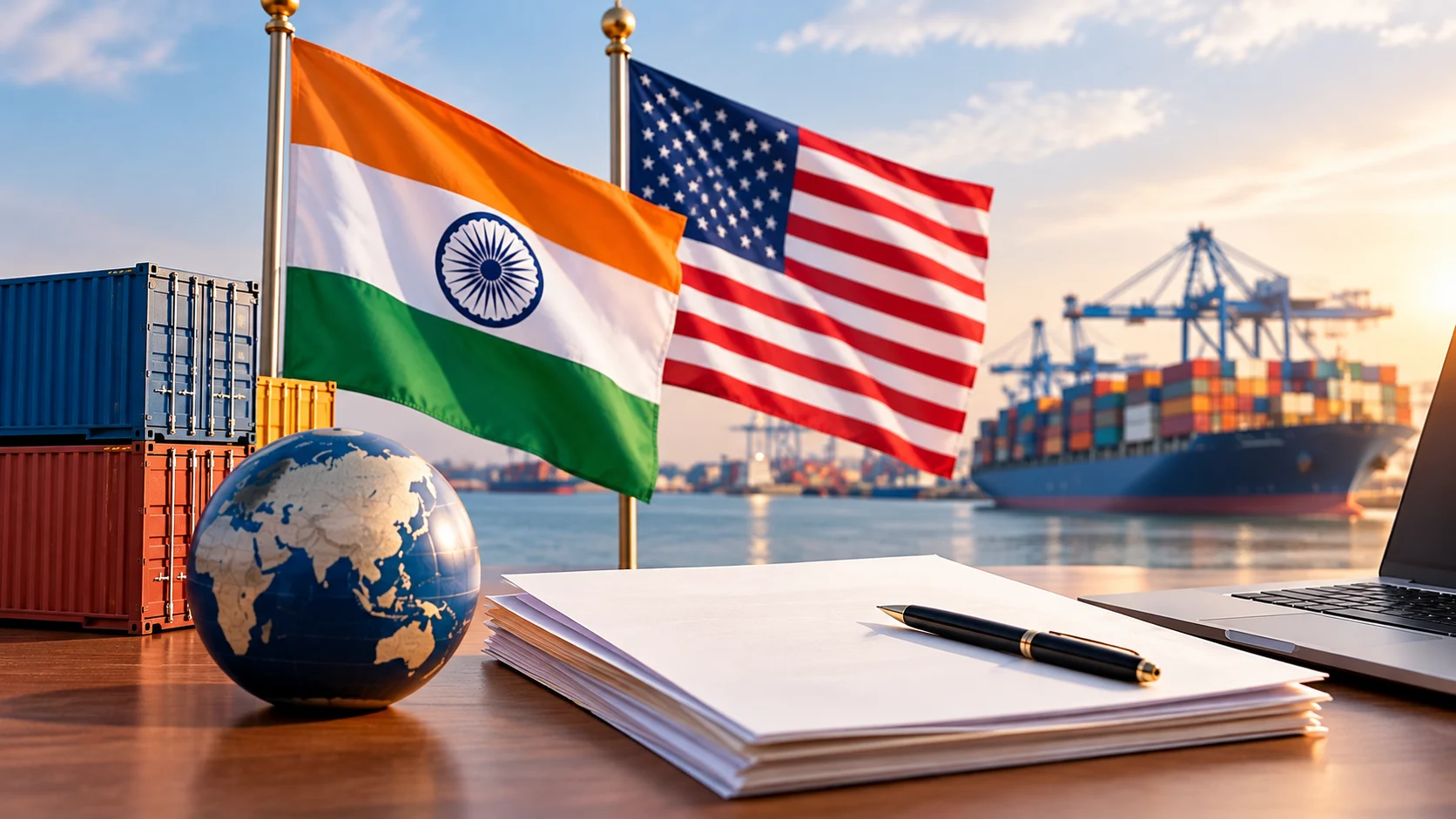
India-US trade deal first phase finalised, drafting underway
The first phase of the India-US trade agreement has been finalised and is undergoing legal drafting, Commerce Minister Piyush Goyal said. The deal is expected to be operationalised once India secures a competitive advantage over peer countries.

Rahul Gandhi joins India Gate protest by Ankita Bhandari’s parents

Supreme Court questions EC over missing records in Sringeri election dispute

Dhruv Rathee gets fresh summons in 2018 BJP IT cell video case

Nobody can browbeat judiciary, Chief Justice warns over Rahul Gandhi’s march

India-US trade deal first phase finalised, drafting underway

Actor Imran Khan asked to leave India after CJP protest

Election Commission orders voter roll revision in 17 states, UTs
India-US trade deal first phase finalised, drafting underway
Nobody can browbeat judiciary, Chief Justice warns over Rahul Gandhi’s march
Dhruv Rathee gets fresh summons in 2018 BJP IT cell video case

Afghan Men Try To Hang With The Jet Engine Of The Aircraft in Kabul- Afghanistan News – Kabul News
Trending Top 10 News: 10000 Crore Fine on Flipkart, Apple to Launch Unique Feature, Hdfc Bank Job Ad

Trending Top 10 News: Nokia 6310, Apple sales, Bachpan ka Pyar Video Kid, Dainik Bhaskar IT Raid

Trending Top 10 News: Canada bans Indian flights, Rain in Delhi NCR, AIMIM Twitter hacked, Raj Kundra case

Trending Top 10 News: Shein India, Apple New Service, Pocket Oxygen, Oppo Launched New Phone
-
 India News23 hours ago
Rahul Gandhi joins India Gate protest by Ankita Bhandari’s parents
-
 India News23 hours ago
Supreme Court questions EC over missing records in Sringeri election dispute
-
 India News11 hours ago
Dhruv Rathee gets fresh summons in 2018 BJP IT cell video case
-
 India News7 hours ago
Nobody can browbeat judiciary, Chief Justice warns over Rahul Gandhi’s march
-
 India News3 hours ago
India-US trade deal first phase finalised, drafting underway
-
 India News12 mins ago
Actor Imran Khan asked to leave India after CJP protest
-
 India News32 mins ago
Election Commission orders voter roll revision in 17 states, UTs
