
India News
India dismisses China’s assertion on 1959 LAC claim
India has never accepted the so-called unilaterally defined 1959 LAC and the position has been consistent and well known, including to the Chinese side, says Ministry of External Affairs (MEA)


The Central government on Tuesday rejected Chinese claims on the location of the Line of Actual Control (LAC) in Ladakh. The government said the 1959 stand by Beijing was not mutually agreed upon and asked it to refrain from advancing an untenable unilateral interpretation of the de-facto border. The development comes after China has insisted that it considers the 1959 line as the LAC.
India has never accepted the so-called unilaterally defined 1959 LAC and the position has been consistent and well known, including to the Chinese side, Ministry of External Affairs (MEA) spokesperson Anurag Srivastava said. The two countries are committed to reach a common understanding of the LAC and the Chinese side’s assertion that there is only one LAC, is against Beijing’s own commitments made earlier, the MEA said.

The ministry added that the countries had tried to clarify and confirm the LAC till early in the 2000s but China has not pursued on that tack, it said.
The entire disagreement on the LAC in the western sector had begun with a letter written to then Prime Minister Jawaharlal Nehru by his Chinese counterpart Zhou Enlai in 1959. The letter had described the LAC in general terms and not to scale.
Union Minister Rajnath Singh had told Parliament that the different perceptions about the LAC was the reason behind repeated flare-ups between the armies of the two Asian neighbours. India has repeatedly accused China of making attempts to transgress the LAC since the border row erupted in May this year.
Read Also: Prefer to hang than seek bail, Uma Bharati writes to JP Nadda ahead of Babri verdict
Some 20 Indian soldiers died in June this year when the conflict between the 2 armies turned physical at the Galwan Valley. Since then, both sides have fired in the air to warn each other’s patrols off.
The unease in Ladakh comes ahead of China’s flexing its aerial muscle over the Taiwan Straits and in the South China Sea.







India News
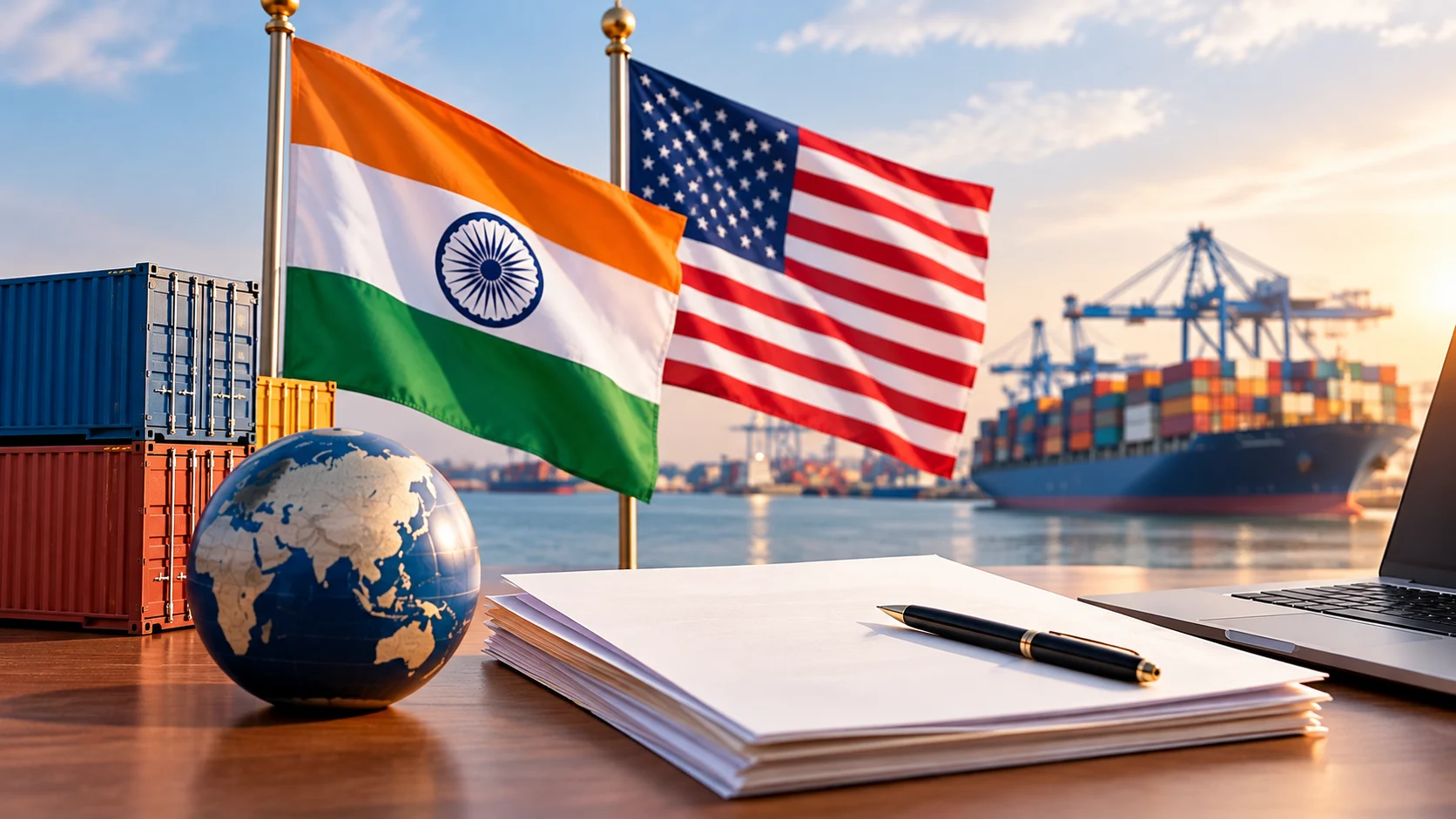
India-US trade deal first phase finalised, drafting underway
The first phase of the India-US trade agreement has been finalised and is undergoing legal drafting, Commerce Minister Piyush Goyal said. The deal is expected to be operationalised once India secures a competitive advantage over peer countries.

India News
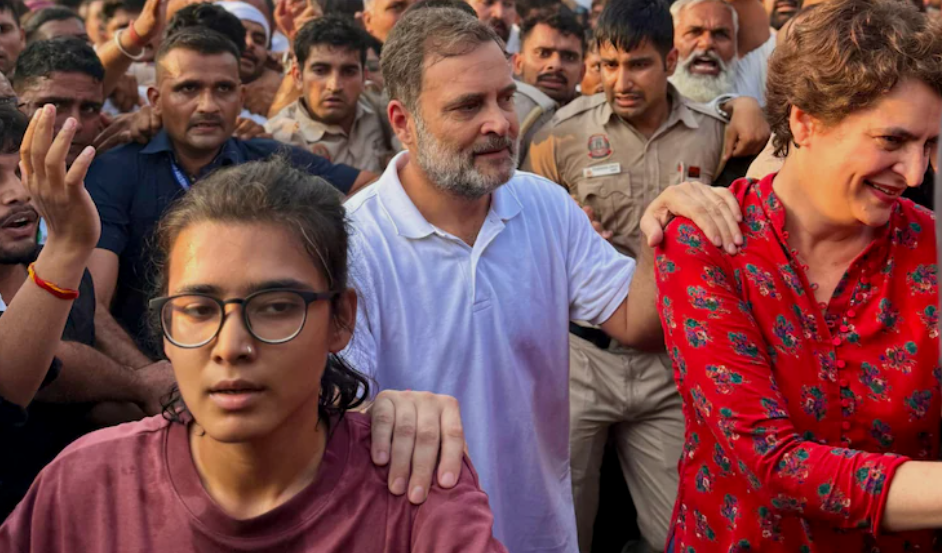
Nobody can browbeat judiciary, Chief Justice warns over Rahul Gandhi’s march
The Supreme Court issued notices to opposition leaders, including Rahul Gandhi and Akhilesh Yadav, over their march to the court on October 12 concerning irregularities in the Special Intensive Revision of electoral rolls.
India News
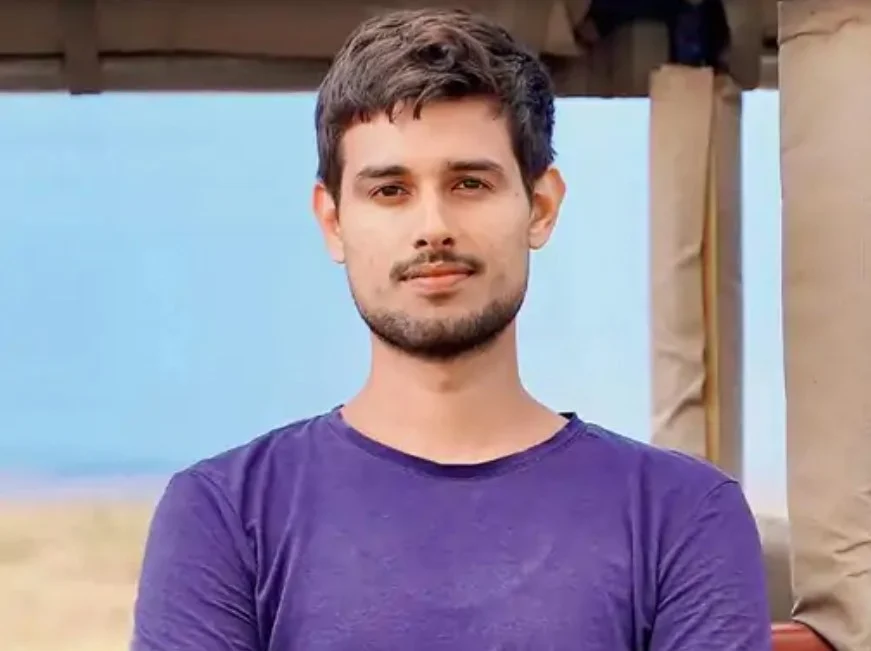
Dhruv Rathee gets fresh summons in 2018 BJP IT cell video case
YouTuber Dhruv Rathee has received fresh summons from a Delhi court in a 2018 criminal defamation case filed by Vikas Pandey over a video concerning the BJP IT Cell. The matter will next be heard on October 17.

Meerut murder: Muskaan Rastogi and Sahil Shukla get death sentence

Rahul Gandhi joins India Gate protest by Ankita Bhandari’s parents

Supreme Court questions EC over missing records in Sringeri election dispute

Dhruv Rathee gets fresh summons in 2018 BJP IT cell video case

Nobody can browbeat judiciary, Chief Justice warns over Rahul Gandhi’s march

India-US trade deal first phase finalised, drafting underway
Nobody can browbeat judiciary, Chief Justice warns over Rahul Gandhi’s march
Dhruv Rathee gets fresh summons in 2018 BJP IT cell video case
Supreme Court questions EC over missing records in Sringeri election dispute
Rahul Gandhi joins India Gate protest by Ankita Bhandari’s parents

Afghan Men Try To Hang With The Jet Engine Of The Aircraft in Kabul- Afghanistan News – Kabul News
Trending Top 10 News: 10000 Crore Fine on Flipkart, Apple to Launch Unique Feature, Hdfc Bank Job Ad

Trending Top 10 News: Nokia 6310, Apple sales, Bachpan ka Pyar Video Kid, Dainik Bhaskar IT Raid

Trending Top 10 News: Canada bans Indian flights, Rain in Delhi NCR, AIMIM Twitter hacked, Raj Kundra case

Trending Top 10 News: Shein India, Apple New Service, Pocket Oxygen, Oppo Launched New Phone
-
 India News22 hours ago
Meerut murder: Muskaan Rastogi and Sahil Shukla get death sentence
-
 India News21 hours ago
Rahul Gandhi joins India Gate protest by Ankita Bhandari’s parents
-
 India News20 hours ago
Supreme Court questions EC over missing records in Sringeri election dispute
-
 India News8 hours ago
Dhruv Rathee gets fresh summons in 2018 BJP IT cell video case
-
 India News5 hours ago
Nobody can browbeat judiciary, Chief Justice warns over Rahul Gandhi’s march
-
 India News15 mins ago
India-US trade deal first phase finalised, drafting underway
