
Latest Politics News
What Triggered the Priyanka Takeover Talk

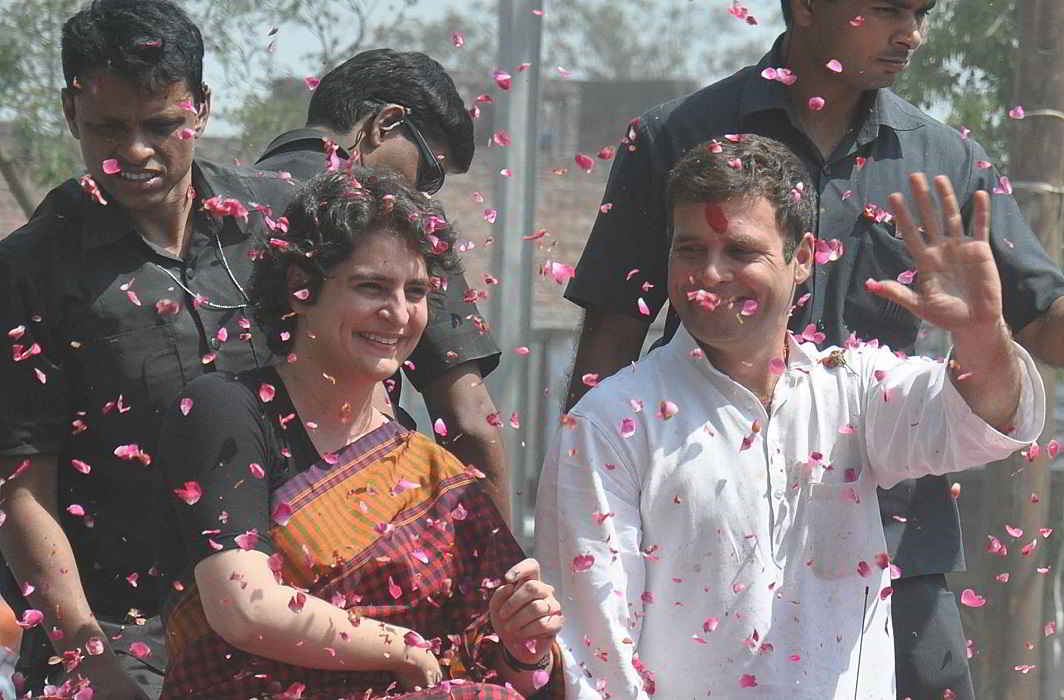
[vc_row][vc_column][vc_column_text]A tweet, her Dimple gambit, not much more
By Sujit Bhar
Political observers can often concentrate so hard on a molehill that it looks like a mountain. It happens to the best of them. So when the “experts” started on the Priyanka Gandhi effect on the UP electoral strategy and alliance with Samajwadi Party (SP), saying it was curtains for Rahul ‘Baba’ and enter Priyanka, they were wrong.
It was like one “expert” pointing out that the SP infighting was actually was a “show” put up for the aam janta by the ruling Yadav family, especially by patriarch Mulayam Singh, to “promote the image of Akhilesh” among the public. That was an interesting twist to an otherwise bare-fist fight between father and son, which was open for all to see. Yes, it was interesting, and created a TRP wave, but it wasn’t true.
These experts have probably taken a leaf out of the Yadav family fight and planted it onto the Nehru-Gandhi tree. That branch will not flourish, nor will it bear fruit.
Congress vice-president Rahul Gandhi, for all practical purposes is the rightful “heir” to the Congress gaddi and so shall he remain till Sonia Gandhi decides otherwise. Remember, the only noted differences within the Nehru-Gandhi family arose just on two occasions—during Indira’s marriage to Feroze and between mother Indira and son Sanjay. The family has held together through thick and thin, and that is one of the principal reasons why the entire party looks up to it.
One has to look back at the Bihar elections not so long back to realize the importance of Rahul and his ideologies within the Congress. The alliance Rahul helped forge between Nitish Kumar and Lalu Prasad Yadav did not result in a huge profile boost for the Congress—it has remained a fringe player —but the fact that he was able to act as the quick-fix between the two was “victory” for the party.
It was supposed to be an alliance against the BJP and that succeeded. The fact that Nitish later opened a back-channel with the BJP on national issues, shaking up the alliance to its roots, is not Rahul’s fault. Rahul has remained vehemently opposed to Prime Minister Narendra Modi’s demonetisation adventure and has openly advocated an alliance with West Bengal Chief Minister Mamata Banerjee on this, despite the Congress being one of the opponents of Mamata in that state.
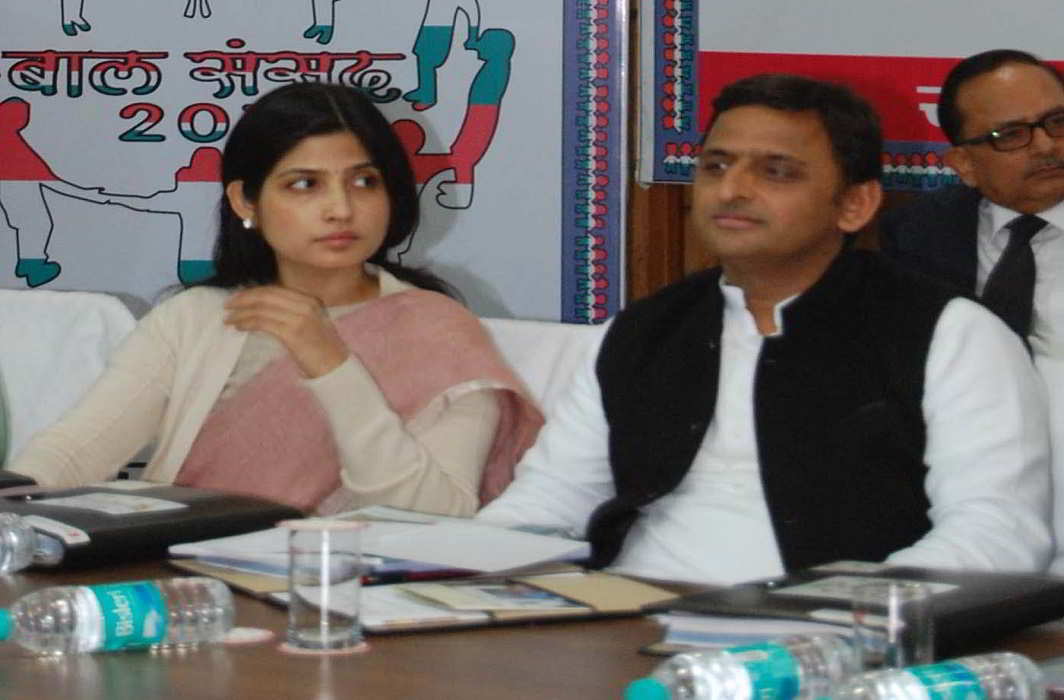
SEALING THE DEAL: It was Priyanka who opened a back-channel with Dimple Yadav, Akhilesh’s wife, to help finalise the seat sharing arrangement between the two parties
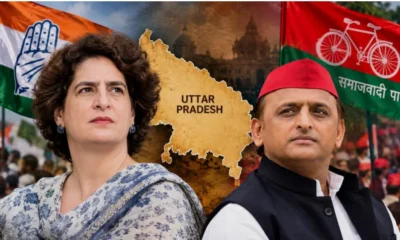
What Priyanka did in securing a proper seat-sharing agreement before talks broke down, was open a similar back-channel with Dimple Yadav, Akhilesh’s wife. That was only to be expected. These are bypass surgeries that every political party worth its salt is wont to take. That does not mean Rahul had little say in it. In fact, even as Mulayam stayed away from the seat-sharing talks—reports say he was sulking, before Akhilesh went to his home and then shared a joint picture on his Facebook page—Rahul was the one who took on a pro-active role in drawing up the list for Congress, with a little help from mother Sonia.
It was this prescription, more or less, that has been ratified by the talks. Priyanka’s advice from the backseat isn’t an unknown commodity in public circles. She has always been active in Rae Bareli and Amethi, where the Nehru-Gandhis have their emotional haveli, so to say.
So how did this talk of Rahul taking the backseat really gain currency?
It has to do, obviously, with the age-old sycophancy that Congress has always promoted and always suffered from. Ahmed Patel, Sonia’s political secretary, created the confusion through his tweet on January 21, from his official handle @ahmedpatel. Said the tweet: “Wrong to suggest lightweights were dealing on behalf of Congress party. Discussion was at highest level- b/w CM (UP), GS I/C & Priyanka Gandhi.”
It would have, probably, been a wise decision on the part of Patel to not provoke an already heated situation by sending out a tweet that could be interpreted in many different ways. That was certainly not the responsible thing to do.
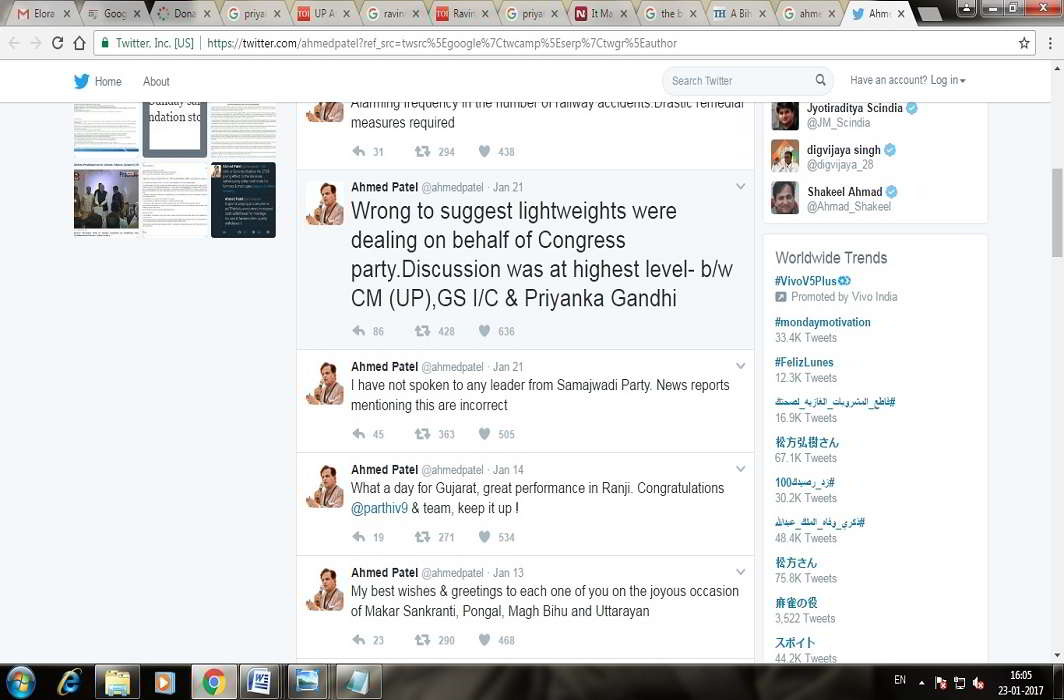 Reams are now being written on the basis of this little tweet, explaining how Priyanka has decided to shove her little brother from the hot seat and has taken over. The fact is, Priyanka has always maintained that Rahul is the de facto chalak of the party now. Technically, even mother and president of the party Sonia has taken a backseat, emerging only when essential.
The UP elections will be a big test for the Congress, too. This alliance is extremely critical and any slip-ups for the Grand Old Party could mean a long vanavas for it. At the beginning of a new friendship with the SP, the Congress is unlikely to make such mistakes, and the likes of Patel should be careful not to provide the BJP a stick to beat the party with all over again.[/vc_column_text][/vc_column][/vc_row]








India News
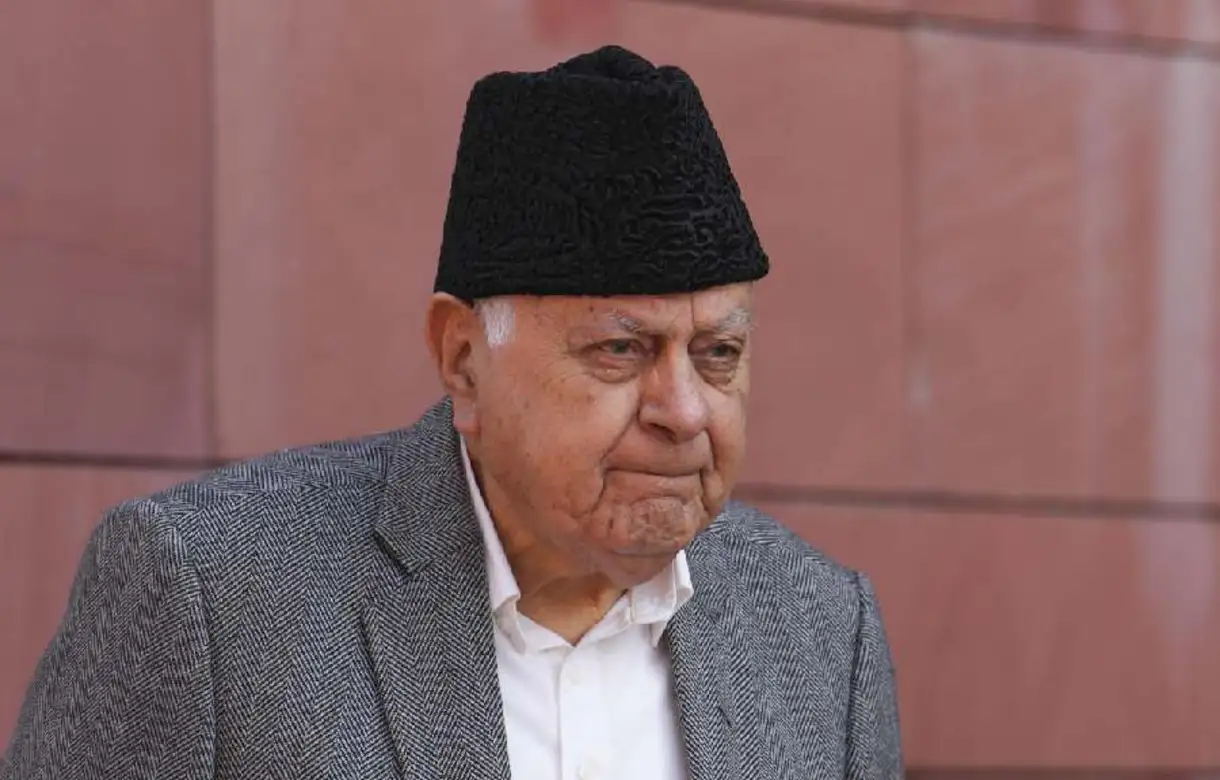
Farooq Abdullah’s Pakistan remarks spark row, BJP demands action
Farooq Abdullah’s remarks about Pakistan’s role in raising the Kashmir issue internationally triggered a political controversy, with BJP leaders accusing him of echoing Pakistan’s narrative and demanding action.

India News
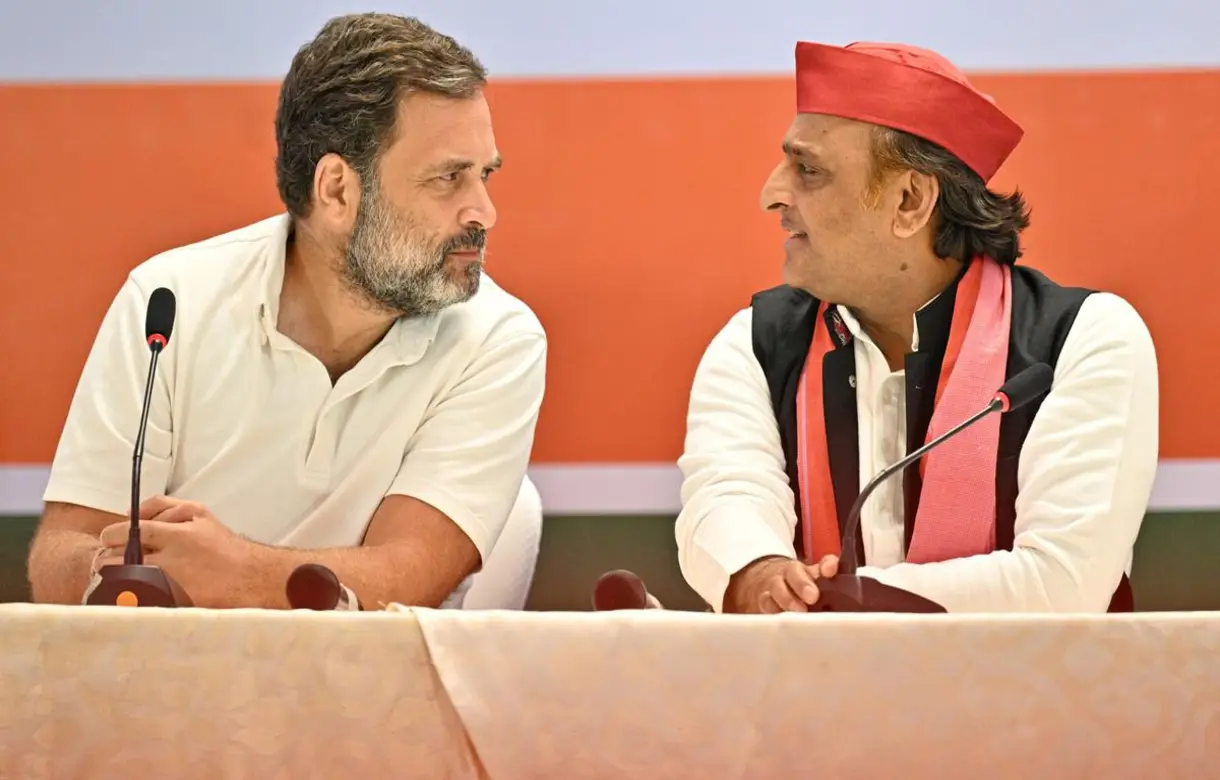
Congress seeks 175-200 seats in UP, Samajwadi Party stresses on winnability
Congress has initiated seat-sharing talks with the Samajwadi Party for the 2027 UP Assembly elections, seeking to contest 175–200 seats. The SP has emphasised winnability as the key criterion for allocating constituencies.
India News
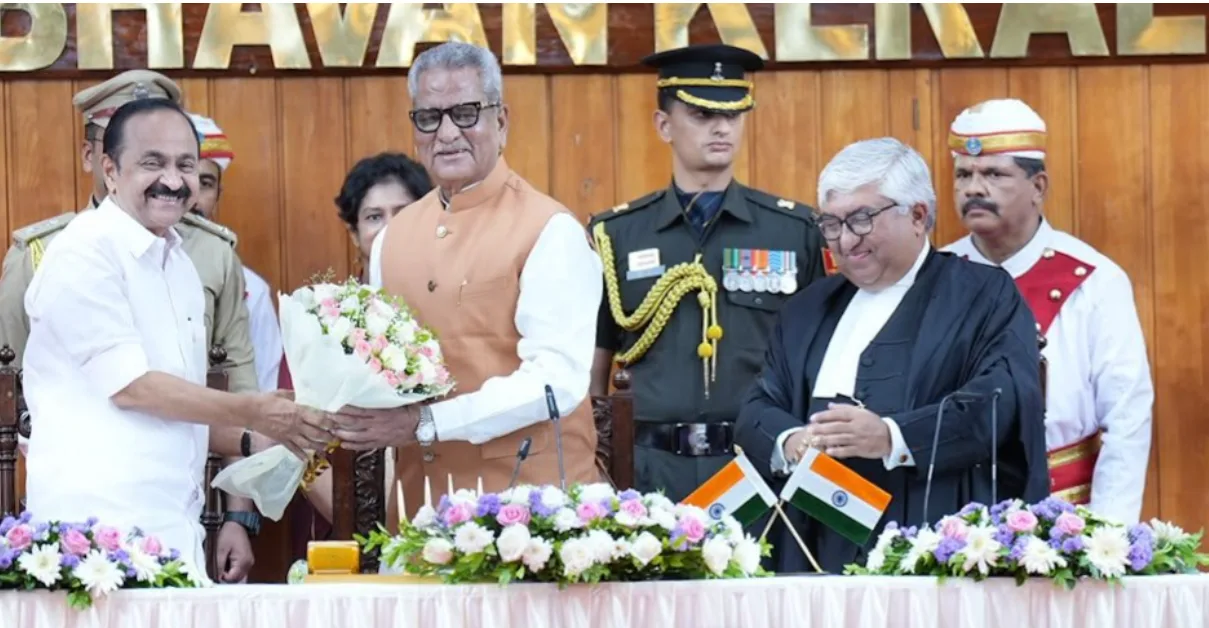
Om Prakash Mathur sworn in as Keralam Governor
Om Prakash Mathur was sworn in as Keralam Governor on Friday. Kerala High Court Chief Justice Soumen Sen administered the oath at Lok Bhavan in Thiruvananthapuram.

Congress seeks 175-200 seats in UP, Samajwadi Party stresses on winnability

Thousands bang utensils, beat drums in Manipur protest over continued killings

Jamia Millia Islamia shifts classes online after student-guard clash

Farooq Abdullah’s Pakistan remarks spark row, BJP demands action

Delhi’s winter pollution persists despite emergency curbs under GRAP
Delhi’s winter pollution persists despite emergency curbs under GRAP
Farooq Abdullah’s Pakistan remarks spark row, BJP demands action
Jamia Millia Islamia shifts classes online after student-guard clash
Congress seeks 175-200 seats in UP, Samajwadi Party stresses on winnability
Thousands bang utensils, beat drums in Manipur protest over continued killings

Afghan Men Try To Hang With The Jet Engine Of The Aircraft in Kabul- Afghanistan News – Kabul News
Trending Top 10 News: 10000 Crore Fine on Flipkart, Apple to Launch Unique Feature, Hdfc Bank Job Ad

Trending Top 10 News: Nokia 6310, Apple sales, Bachpan ka Pyar Video Kid, Dainik Bhaskar IT Raid

Trending Top 10 News: Canada bans Indian flights, Rain in Delhi NCR, AIMIM Twitter hacked, Raj Kundra case

Trending Top 10 News: Shein India, Apple New Service, Pocket Oxygen, Oppo Launched New Phone
-
 India News17 hours ago
Congress seeks 175-200 seats in UP, Samajwadi Party stresses on winnability
-
 India News18 hours ago
Thousands bang utensils, beat drums in Manipur protest over continued killings
-
 India News9 hours ago
Jamia Millia Islamia shifts classes online after student-guard clash
-
 India News8 hours ago
Farooq Abdullah’s Pakistan remarks spark row, BJP demands action
-
 India News8 hours ago
Delhi’s winter pollution persists despite emergency curbs under GRAP
