English हिन्दी
Connect with us

India News

Ajit Pawar concedes civic poll setback, says public mandate is supreme

Ajit Pawar has accepted defeat in Maharashtra’s civic polls, acknowledging the public mandate and pledging stronger efforts to rebuild trust ahead of future elections.

Published

on

Ajit Pawar

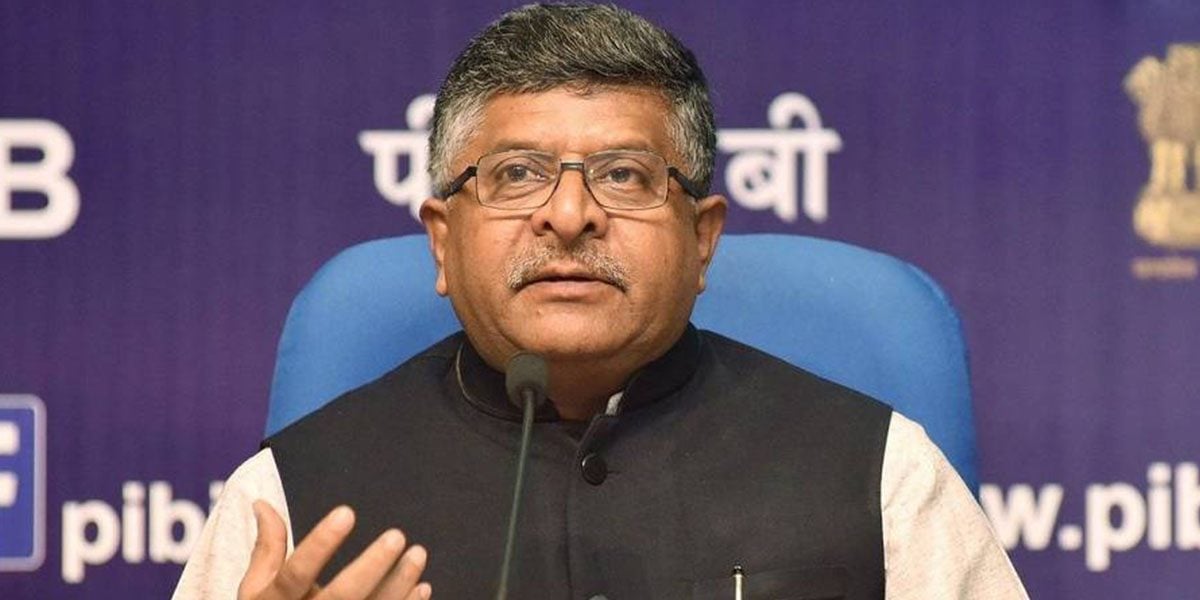
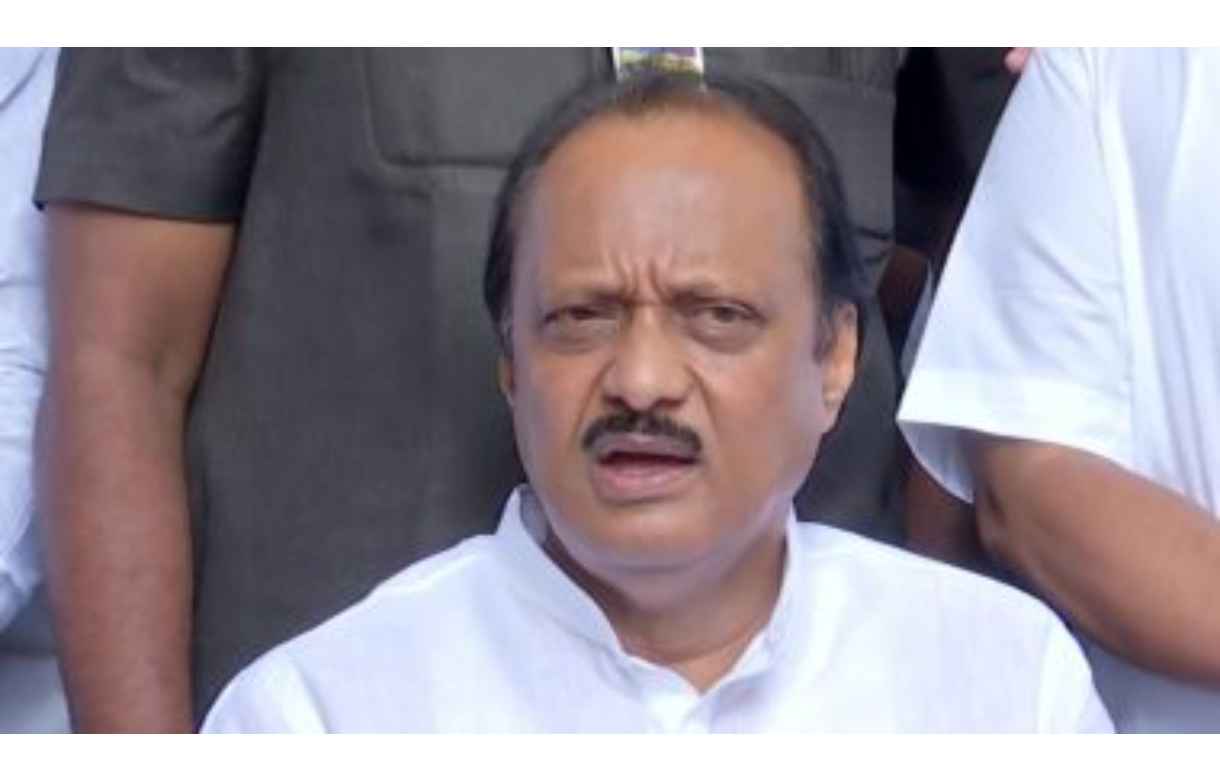
Deputy Chief Minister and Nationalist Congress Party (NCP) chief Ajit Pawar on Friday accepted the verdict of the recently concluded municipal corporation elections in Maharashtra, stating that the public’s mandate must be respected above all else.

Following near-clear results in the 29 municipal corporations across the state, Pawar took to social media to formally acknowledge the party’s poor performance in several major urban centres. He said the outcome reflected the will of the people and congratulated all winning candidates.

“The public’s mandate is supreme, and we accept it with complete respect. I heartily congratulate all the winning candidates and wish them success in their upcoming terms,” Pawar said.

Ajit Pawar promises renewed effort after losses

Addressing the party’s inability to achieve the expected results, the NCP leader said his faction would introspect and work harder to regain the confidence of voters.

“In this local body election, where we did not achieve the expected success, I assure you that we will work with more responsibility, honesty and double the vigour to regain the public’s trust,” he said.

He also urged newly elected representatives to focus on public issues and speed up development work. At the same time, Pawar encouraged party workers and candidates who lost the elections to remain committed to public service, underlining that serving citizens should remain the central objective.

Setback in traditional strongholds

The civic poll results have been viewed as a significant setback for Ajit Pawar, particularly in western Maharashtra. Despite choosing to contest independently in several areas—separate from Mahayuti partners BJP and the Eknath Shinde-led Shiv Sena—to demonstrate the strength of his faction, the NCP suffered major losses in Pune and Pimpri-Chinchwad.

Both municipal corporations, long regarded as strongholds of the Pawar family, witnessed a decisive lead and victory for the BJP, leaving Ajit Pawar’s faction trailing in third or fourth position.

In Mumbai and Chhatrapati Sambhajinagar, the party struggled to make an impact, failing to secure even double-digit seats in the Brihanmumbai Municipal Corporation.

Political observers believe the strategy of “friendly contests” against the BJP did not yield the desired outcome. The results indicate that the traditional Pawar support base may have split between Ajit Pawar and his uncle Sharad Pawar’s faction, indirectly benefiting the BJP.

The outcome of the 2026 civic polls is being seen as an important signal ahead of the 2029 Maharashtra Assembly elections, pointing to shifting political equations within the ruling alliance.

India News

India eyes bigger role in global AI race with mega summit in New Delhi

India hosts one of the largest AI gatherings in New Delhi, with global tech leaders and policymakers discussing frontier models, multilingual AI and digital infrastructure.

Published

on

ai impact summit

India on Monday began hosting one of the world’s largest artificial intelligence gatherings, with Prime Minister Narendra Modi seeking to position the country as a key player in the race to build advanced AI systems.

The India AI Impact Summit in New Delhi is drawing world leaders, technology executives, AI founders and investors. Among those expected to attend are Sundar Pichai of Alphabet Inc., Sam Altman of OpenAI Inc., Dario Amodei of Anthropic PBC and Alexandr Wang, linked to Meta Platforms Inc. initiatives. AI researchers such as Yann LeCun and Arthur Mensch are also on the guest list.

French President Emmanuel Macron will deliver a keynote address on February 19, followed by remarks from PM Modi during the summit’s concluding sessions.

Leveraging India’s digital infrastructure

The summit is being seen as an opportunity for India to showcase its digital public infrastructure, including the Aadhaar biometric identity system that covers more than a billion people. Officials argue that combining AI with digital identity, payments, health, education and governance platforms could accelerate development across sectors.

India has previously demonstrated rapid technological adoption — transitioning from limited landline penetration to nearly a billion smartphones within two decades and emerging as a global software services hub despite missing the personal computer boom.

The country’s digital identity model has also been exported. MOSIP, an open-source platform inspired by Aadhaar’s framework, is assisting countries such as the Philippines, Morocco and Uganda in building national ID systems. Some are also adopting similar frameworks for digital payments.

India’s position in the AI race

According to Stanford University’s Institute for Human-Centered AI, India ranks third globally in AI competitiveness, behind the United States and China.

Major AI firms are expanding their footprint in the country. OpenAI and Anthropic are building operations targeting enterprise users, developers and government agencies. Companies such as Google and Meta are increasing data centre capacity to support demand for products like ChatGPT, Gemini and Claude. Nvidia Corp. has also identified India as an important market amid US export restrictions on high-end chips to China, although its chief executive withdrew from the summit citing unforeseen circumstances.

Focus on local and affordable AI models

At the summit, government-backed BharatGen is set to unveil Param2, a 17-billion-parameter AI model supporting 22 Indian languages. Sarvam AI, supported by global venture investors, will present a larger voice-first model aimed at serving India’s multilingual population.

Developers say these models are designed to lower costs and expand AI access across governance, education, healthcare and agriculture. The emphasis on affordability is intended to accelerate adoption in India and other developing markets.

However, industry observers note that limited historical investment in research and development could pose challenges. Strengthening India’s domestic research ecosystem, they argue, will be key to ensuring the country moves beyond serving as a testing ground for global AI products.

Some entrepreneurs believe India can still narrow the gap by focusing on advanced reasoning systems for science and robotics, particularly as future AI development increasingly depends on data beyond the internet.

Continue Reading

India News

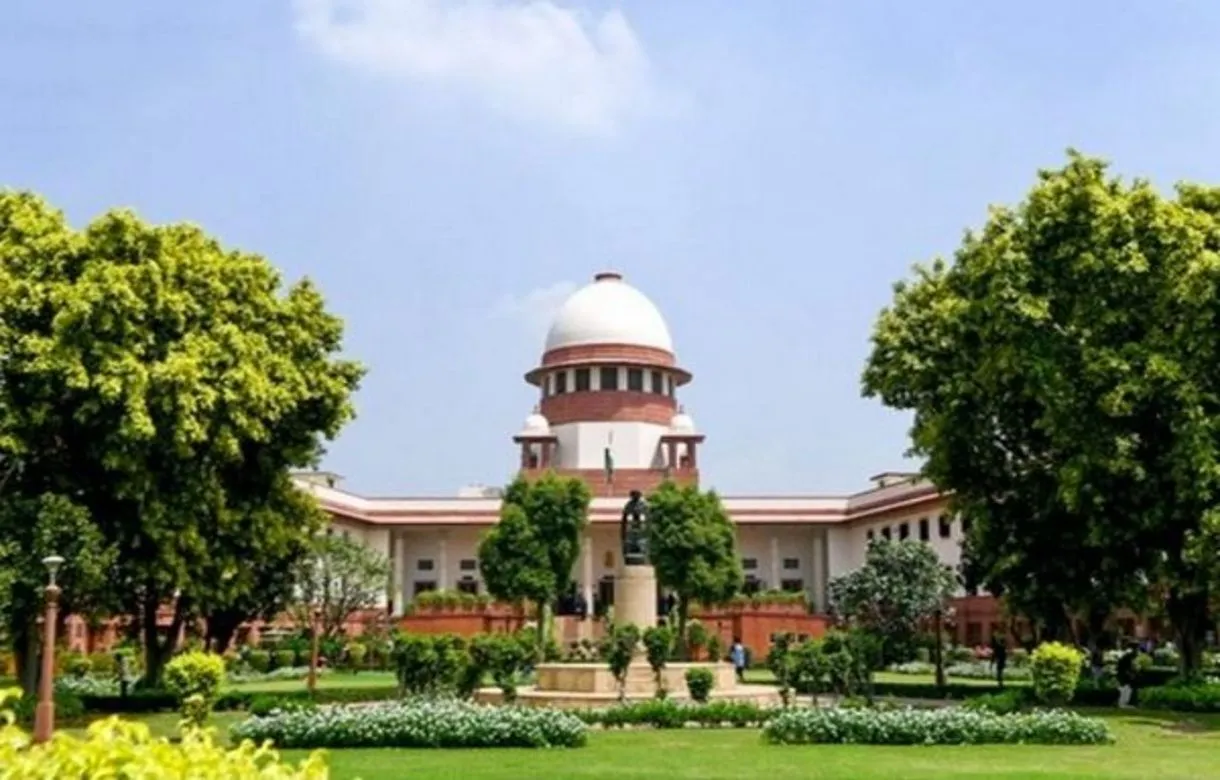
Madras High Court orders vigilance probe into alleged bribe in gold fraud case

The Madras High Court has ordered a vigilance probe into allegations that a senior lawyer received Rs 50 lakh in a gold trade fraud case registered by the CBI.

Published

on

Madras High Court

The Madras High Court has directed a vigilance inquiry into allegations that a senior lawyer allegedly accepted Rs 50 lakh from accused individuals in a gold trade fraud case, purportedly to secure favourable judicial orders.

Justice Nirmal Kumar, who was hearing petitions related to the case, ordered the probe and subsequently recused himself from further proceedings.

Allegations linked to Rs 89.90 crore gold fraud case

The matter stems from a Rs 89.90 crore gold trade fraud case registered by the Central Bureau of Investigation (CBI). Two accused persons have moved the High Court seeking quashing of the case and discharge from the proceedings.

According to court records, a communication sent by a body identifying itself as the All India Lawyers Association for Justice to the judge and the Union Law Ministry alleged that a senior lawyer representing the petitioners had received Rs 50 lakh from the accused. The letter claimed the amount was meant to obtain favourable orders in the case.

Lawyer denies charges

Following receipt of the letter, the court summoned the concerned lawyer for clarification. The lawyer denied the allegations and stated willingness to cooperate with any inquiry.

The CBI’s special public prosecutor urged the court to disregard the letter, arguing that it affected the dignity of the institution and sought steps to identify the sender.

After considering the submissions, the court ordered a vigilance inquiry into the claims. Justice Nirmal Kumar then recused himself from hearing the related petitions.

Continue Reading

India News

Rahul Gandhi meets farmers over India-US trade deal, BJP calls it stage-managed

Rahul Gandhi met farmer leaders over concerns surrounding the India-US trade deal, drawing sharp criticism from BJP, which termed the interaction stage-managed.

Published

on

Rahul-Gandhi

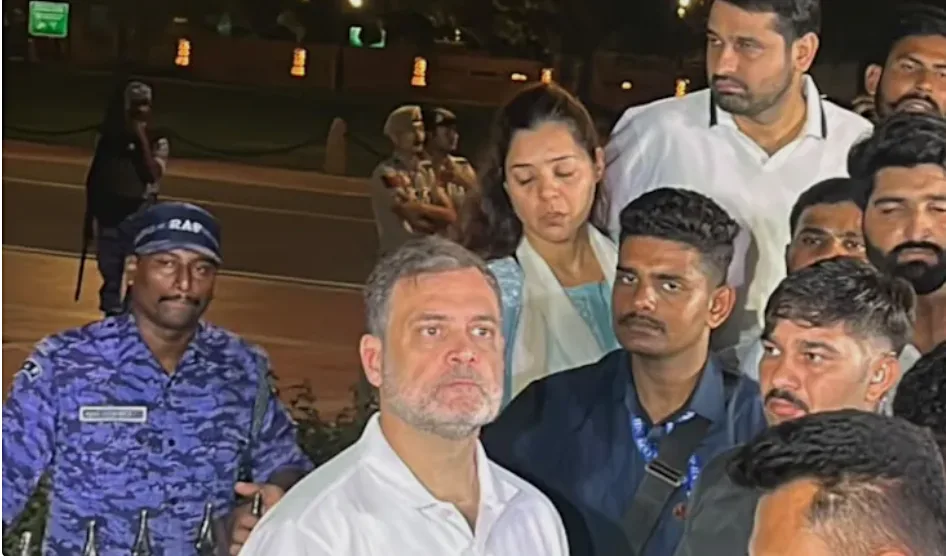
Congress leader Rahul Gandhi met representatives of several farmer organisations at his Parliament office to discuss concerns related to the proposed India-US trade framework. The meeting has triggered sharp political reactions, with the Bharatiya Janata Party (BJP) alleging that the interaction was “stage-managed”.

According to details shared, Gandhi — who is the Leader of Opposition in the Lok Sabha — held discussions with representatives of 17 major farmer unions from across the country. The farm leaders conveyed apprehensions that the trade agreement could adversely affect cultivators, particularly those growing corn, soyabean, cotton, fruits and nuts.

They urged the need for a nationwide movement to safeguard farmers’ rights and protect their incomes from any potential impact of the agreement.

BJP alleges ‘artificial narrative’

Responding to the development, Union Minister Piyush Goyal criticised the Congress leader, terming the meeting “artificial” and “baseless”. In a video post on X, Goyal alleged that Gandhi was attempting to mislead farmers.

“Mr Rahul Gandhi has once again rolled out a stage-managed, most artificial and fake narrative,” Goyal said. He further claimed that individuals posing as farmer leaders were aligned with the Congress party and were part of an orchestrated attempt to create confusion.

The minister added that the government had fully protected the interests of farmers in the India-US trade deal and accused the opposition of provoking sentiment against the country’s economic policies.

What the India-US trade framework proposes

The interim trade agreement between India and the United States focuses on lowering tariff barriers while balancing domestic agricultural sensitivities. As part of the arrangement, the US has agreed to reduce reciprocal tariffs on Indian goods — from levels as high as 50 per cent to 18 per cent — benefiting sectors such as textiles, leather, footwear and pharmaceuticals.

The government has maintained that between 90 and 95 per cent of Indian agricultural products remain outside the scope of the agreement, ensuring protection for farmers.

The political exchange reflects broader debate over the potential implications of the trade framework, particularly for the agriculture sector.


Continue Reading

Trending

© Copyright 2022 APNLIVE.com