
India News
Bhim Army chief Chandrashekhar Azad detained in Aligarh, say his supporters
They were with the family of the 19-year-old Dalit gangrape victim, who died on Tuesday in Delhi’s Safdarjung hospital. Azad’s associates said on Wednesday that their leaders had been detained but the police denied any such detention.


Bhim Army chief Chandrashekhar Azad and the outfit’s Delhi unit chief Himanshu Balmiki were detained by Uttar Pradesh police near Aligarh in the early hours of Wednesday when they were enroute to Hathras district. They were with the family of the 19-year-old Dalit gangrape victim, who died on Tuesday in Delhi’s Safdarjung hospital. Azad’s associates said on Wednesday that their leaders had been detained but the police denied any such detention.
On Tuesday, workers of Chandrashekhar’s Azad Samaj Party and Bhim Army had joined the protest outside Safdarjung Hospital to demand justice for the gangrape victim and her family. After a day, the body of the gangrape victim was forcibly cremated by the Uttar Pradesh Police in the early hours of September 30 in Boolgarhi village of Hathras district, against the wishes of her family.

Ravindra Bhati, a core committee member of Azad Samaj Party, said there is no clue about the two leaders’ location after reaching Jewar toll plaza to get on the lane to Tappal, Aligarh. He alleged the two were detained during the intervening night on Tuesday and Wednesday but police were not making it public.
Around 12.30 pm on Wednesday, dozens of Azad Samaj Party and Bhim Army activists reached the Tappal police station in Aligarh and demonstrated outside the police station. Bhati told the protesters that their representatives will meet senior police officials to inquire about Azad and Balmiki.
Read Also: Hathras gangrape victim’s family says UP cops cremated her in a hurry
When the protesters contacted a senior Aligarh police official, he replied that he had no idea of any detention. The district police chief and some other senior officials could not be contacted as they have been under home isolation after contracting coronavirus.







India News
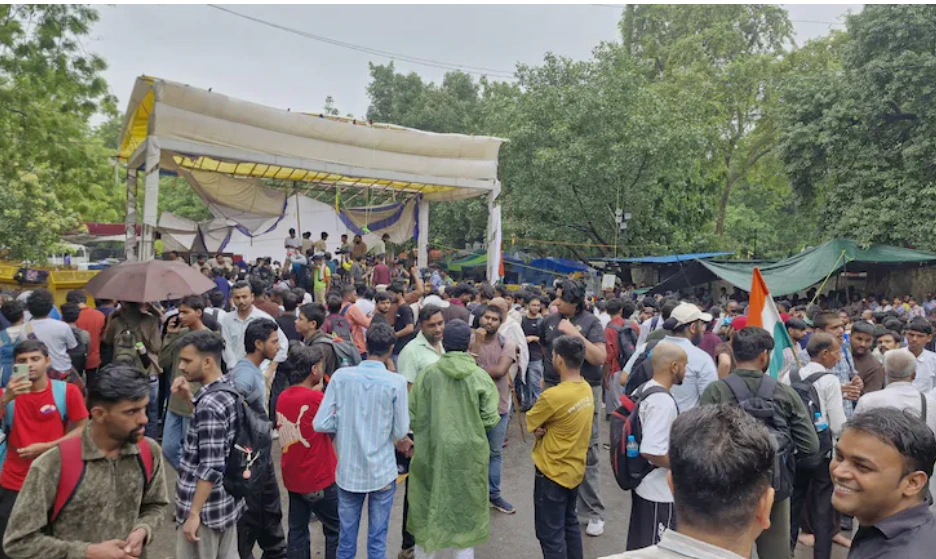
Delhi Police offers 11-person limit for CJP’s Connaught Place protest
Delhi Police has offered to facilitate a group of 11 people at Central Park in Connaught Place for the Cockroach Janata Party’s October 16 protest, while warning that violations of prohibitory orders could invite legal action.

India News
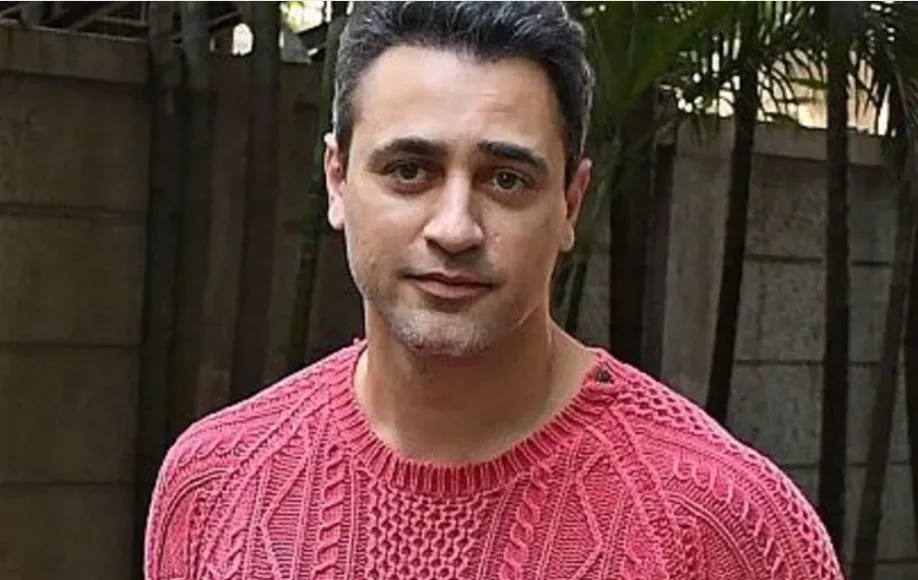
Actor Imran Khan asked to leave India after CJP protest
Actor Imran Khan has been asked to leave India by October 28, days after participating in a protest called by the Cockroach Janta Party (CJP) in Mumbai.
India News
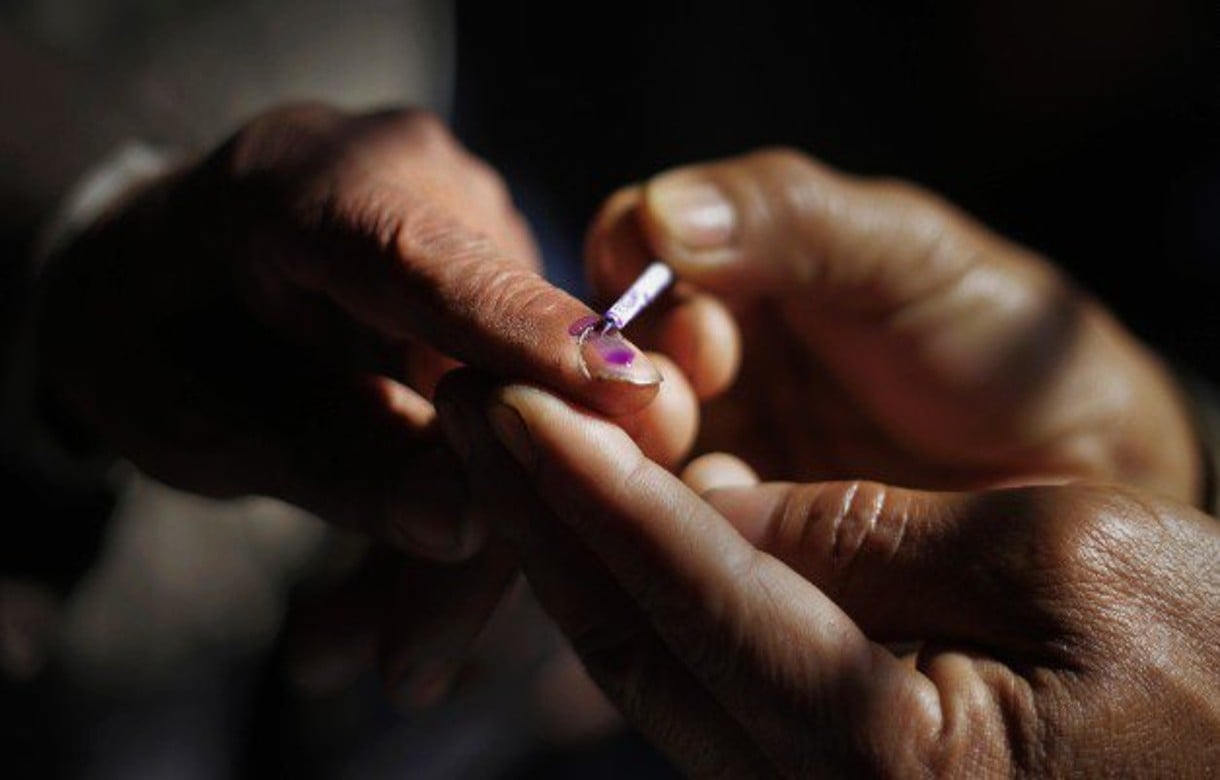
Election Commission orders voter roll revision in 17 states, UTs
The Election Commission has ordered a Special Summary Revision of electoral rolls in 17 states and Union Territories. Draft rolls are scheduled for November 12, with final rolls due on January 4, 2027.

Dhruv Rathee gets fresh summons in 2018 BJP IT cell video case

Nobody can browbeat judiciary, Chief Justice warns over Rahul Gandhi’s march

India-US trade deal first phase finalised, drafting underway

Election Commission orders voter roll revision in 17 states, UTs

Actor Imran Khan asked to leave India after CJP protest

Delhi Police offers 11-person limit for CJP’s Connaught Place protest
Actor Imran Khan asked to leave India after CJP protest
Election Commission orders voter roll revision in 17 states, UTs
India-US trade deal first phase finalised, drafting underway
Nobody can browbeat judiciary, Chief Justice warns over Rahul Gandhi’s march

Afghan Men Try To Hang With The Jet Engine Of The Aircraft in Kabul- Afghanistan News – Kabul News
Trending Top 10 News: 10000 Crore Fine on Flipkart, Apple to Launch Unique Feature, Hdfc Bank Job Ad

Trending Top 10 News: Nokia 6310, Apple sales, Bachpan ka Pyar Video Kid, Dainik Bhaskar IT Raid

Trending Top 10 News: Canada bans Indian flights, Rain in Delhi NCR, AIMIM Twitter hacked, Raj Kundra case

Trending Top 10 News: Shein India, Apple New Service, Pocket Oxygen, Oppo Launched New Phone
-
 India News14 hours ago
Dhruv Rathee gets fresh summons in 2018 BJP IT cell video case
-
 India News10 hours ago
Nobody can browbeat judiciary, Chief Justice warns over Rahul Gandhi’s march
-
 India News6 hours ago
India-US trade deal first phase finalised, drafting underway
-
 India News4 hours ago
Election Commission orders voter roll revision in 17 states, UTs
-
 India News3 hours ago
Actor Imran Khan asked to leave India after CJP protest
-
 India News2 hours ago
Delhi Police offers 11-person limit for CJP’s Connaught Place protest
