English हिन्दी
Connect with us

India News

Twitter India public policy head Mahima Kaul resigns

Kaul’s resignation comes at a controversial time for the microblogging website, which came under the radar of the Ministry of Electronics and Information Technology for violating Indian laws by tweeting about farmers’ genocide.

Published

on

mahima kaul

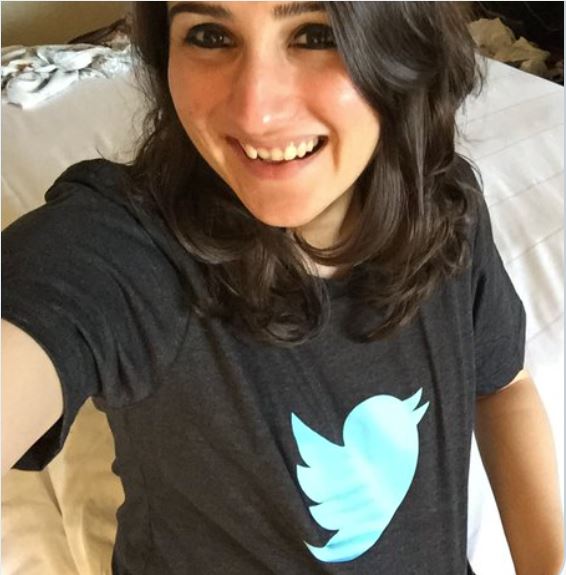
Twitter India Public Policy head Mahima Kaul has resigned from her post citing personal reasons, a senior executive of the micro-blogging site Twitter confirmed on Saturday. Kaul said she has stepped down from her role in the firm to take some time off. Reuters reported about her resignation on Saturday citing two sources.

Twitter Global Policy head Monique Meche said at the start of this year Mahima Kaul decided to step down from her role as Twitter Public Policy Director for India and South Asia to take a well-deserved break. He said in a statement Kaul will continue in her role till the end of March and will support the transition. She had joined the micro-blogging platform in 2015.  

Kaul’s resignation comes at a controversial time for the microblogging website, which came under the radar of the Ministry of Electronics and Information Technology for violating Indian laws with many of its users tweeting about farmers’ genocide.

On Wednesday, the Ministry had sent Twitter a sternly worded notice, threatening the company with penal consequences if over 250 accounts and posts that were flagged by the government weren’t blocked. Later, the Twitter blocked the handles of Caravan magazine, Kisan Ekta Morcha, Bharatiya Kisan Union Ekta Ugrahan and several others. The firm, which blocked the accounts on Monday, restored them shortly stating that they constituted free speech and were newsworthy. The lifting of the ban came in the backdrop of widespread outrage against Twitter for censoring free speech.

There has been a clampdown on the farmers’ protest in the aftermath of the violence during the Republic Day tractor rally. Protest sites near Delhi have been heavily barricaded, with nails dug into the roads. The government has also cut the protestors’ access to internet. More than 100 people have been arrested in connection with the violence and several are reportedly missing.

The clampdown came amid growing outrage on social media platforms over the clashes between Delhi Police and farmers on Republic Day. After the death of a farmer at the Central Delhi’s ITO, several journalists and activists had claimed that the protesting farmer was shot dead by the cop’s bullet. They also shared the information from their handles.

Read Also: PM Modi says Mamata Banerjee gets angry when people raise slogan Bharat Mata ki Jai but not when people speak against India

Later, the cases were filed against journalist Rajdeep Sardesai and Congress MP Shashi Tharoor, as well as several others, for posts and comments on this matter. Registering the FIRs, Delhi Police said they posted fake, misleading and wrong information regarding unfortunate death of the tractor driver to instigate violence.

India News

Telegram CEO Pavel Durov criticises India restriction, says leak networks shifted to other apps

Telegram founder Pavel Durov has responded to India’s temporary restriction on the platform ahead of the NEET-UG 2026 re-examination, arguing that the move affected ordinary users without stopping alleged leak networks.

Published

on

Telegram founder and CEO Pavel Durov has criticised India’s decision to temporarily restrict access to the messaging platform, arguing that the move failed to curb alleged exam leak operations and instead affected millions of legitimate users.

The restriction was imposed ahead of the NEET-UG 2026 re-examination as authorities sought to prevent the spread of leaked exam-related material and disrupt networks allegedly involved in malpractice.

In a public response, Durov said the action had inconvenienced a large number of users across India while those responsible for sharing leaked content had simply migrated to alternative platforms.

According to Durov, restricting access to Telegram did not eliminate the problem authorities were trying to address. He claimed that groups involved in distributing exam-related leaks quickly shifted their activities elsewhere, raising questions about the effectiveness of platform-specific restrictions.

The temporary curbs were announced by the government in the lead-up to the NEET-UG re-test scheduled for June 21. Officials said the move was aimed at safeguarding the integrity of the examination process following concerns about the circulation of leaked material online.

The restriction is currently expected to remain in place until June 22.

Durov also stressed that millions of Indian users rely on Telegram for communication, education, business activities and community engagement. He argued that measures targeting an entire platform can have wider consequences for users who have no connection to alleged wrongdoing.

The government’s action came amid broader efforts to prevent cheating and malpractice in competitive examinations. Authorities have been closely monitoring digital platforms and messaging services after reports that exam-related content was being circulated through online channels.

The debate has sparked discussions about how governments and technology platforms should balance examination security with access to digital communication services. While officials maintain that strong measures are necessary to protect the fairness of high-stakes examinations, critics argue that restrictions on entire platforms may not effectively stop determined offenders.

For now, Telegram remains at the centre of the discussion as authorities continue efforts to ensure a fair and secure conduct of the NEET-UG 2026 re-examination.

Continue Reading

India News

Telegram restricted ahead of NEET-UG re-exam, NTA backs move to curb exam fraud

NTA has welcomed the Centre’s decision to temporarily restrict Telegram ahead of the NEET-UG 2026 re-examination, citing the need to prevent fraud and misinformation.

Published

on

NEET

The Centre has imposed temporary restrictions on messaging platform Telegram ahead of the NEET-UG 2026 re-examination, with the National Testing Agency (NTA) welcoming the decision as part of efforts to prevent exam-related fraud and misinformation.

The temporary curbs will remain in place until June 22, a day after the NEET-UG re-exam scheduled for June 21. Authorities said the action was taken following concerns that the platform was being misused by cheating networks and individuals circulating misleading claims related to the examination.

NTA says move aimed at protecting exam integrity

According to the NTA, the restrictions are intended to safeguard candidates from fraudulent activities and false information that could affect the fairness of the examination process. The agency stated that maintaining the integrity of the re-examination remains a priority as lakhs of students prepare to appear for the test.

The NEET-UG re-exam is being conducted after the original examination was cancelled amid allegations of question paper leaks and irregularities. Since then, authorities have been monitoring online platforms for suspicious activity and misleading content targeting candidates.

Restrictions linked to concerns over fake paper leak claims

In recent weeks, several reports surfaced about Telegram channels allegedly offering access to leaked examination papers. The NTA had repeatedly advised students not to trust such claims and referred suspicious links and posts for verification by cybercrime authorities. No official confirmation of any genuine leaked re-exam paper had been issued.

Authorities believe the temporary restrictions will help limit the spread of fake content and reduce opportunities for organised exam fraud in the days leading up to the re-test.

Wider efforts to secure the re-examination

The government and examination authorities have introduced several measures ahead of the re-exam, including monitoring social media platforms and creating channels for reporting suspicious claims related to NEET-UG 2026. The NTA has also urged candidates to rely only on official communications for updates regarding the examination.

With the re-examination approaching, officials say the latest action is part of a broader effort to ensure a fair and transparent process for all candidates.

Continue Reading

India News

Abhishek Banerjee says will not bow to BJP after nearly 11 hours of ED questioning

After spending nearly 11 hours before the Enforcement Directorate, TMC leader Abhishek Banerjee said he would not bow to the BJP and accused the ruling party of using investigative agencies for political purposes.

Published

on

Abhishek Banerjee

Trinamool Congress leader and Diamond Harbour MP Abhishek Banerjee on Tuesday said he would not bow to the BJP after spending nearly 11 hours being questioned by the Enforcement Directorate (ED) in connection with an ongoing investigation.

Speaking after the questioning, Banerjee alleged that central agencies were being used to target opposition leaders and asserted that he would continue his political fight despite what he described as sustained pressure.

The TMC leader has repeatedly maintained that investigations involving him are politically motivated, a charge he has made on several previous occasions while appearing before central agencies.

His appearance before the ED comes amid a period of heightened political activity and multiple investigations involving leaders in West Bengal. Recent days have also seen Banerjee face summons and questioning in separate matters by state investigative agencies.

After leaving the ED office, Banerjee reiterated that he would not be intimidated and said he remained committed to his political responsibilities. He also accused the BJP of attempting to weaken opposition parties through investigative action, an allegation that the BJP has rejected in the past.

The Enforcement Directorate has not publicly commented on Banerjee’s remarks. The investigation related to the questioning remains ongoing.

Continue Reading

Trending

© Copyright 2022 APNLIVE.com