
India News
Central govt officials say NSA Doval letter lauding Kumbh Mela for Covid conduct fake
The government officials on Tuesday said that a letter circulating on social media suggesting that National Security Advisor Ajit Doval has appreciated the effort of Uttarakhand government officials for successfully organising the Kumbh Mela in Haridwar, is fake.

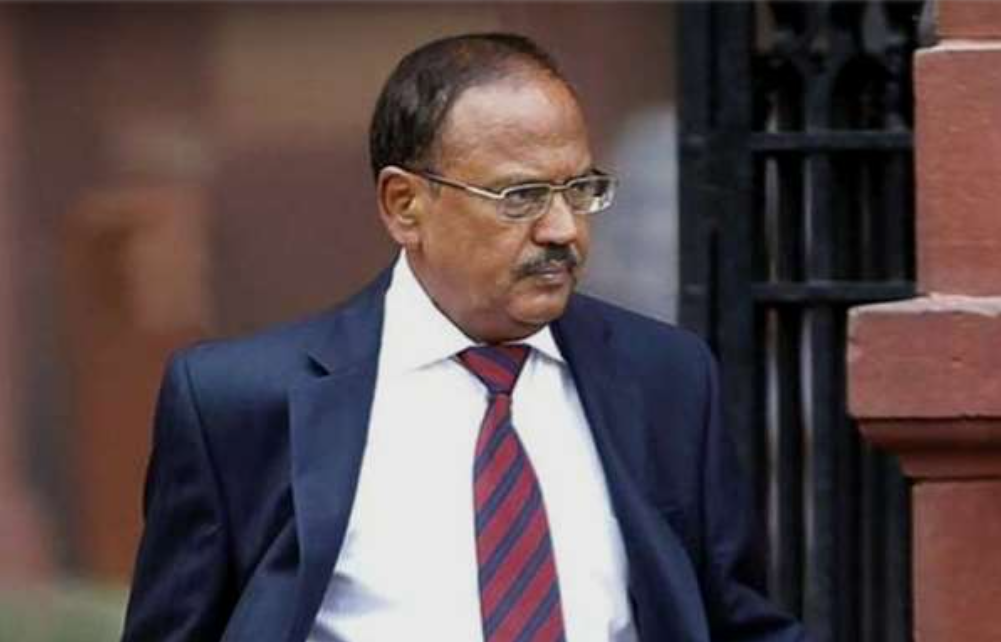
The government officials on Tuesday said that a letter circulating on social media suggesting that National Security Advisor Ajit Doval has appreciated the effort of Uttarakhand government officials for successfully organising the Kumbh Mela in Haridwar, is fake.
The officials claimed that the letter is fake and the NSA has not written any such letter.
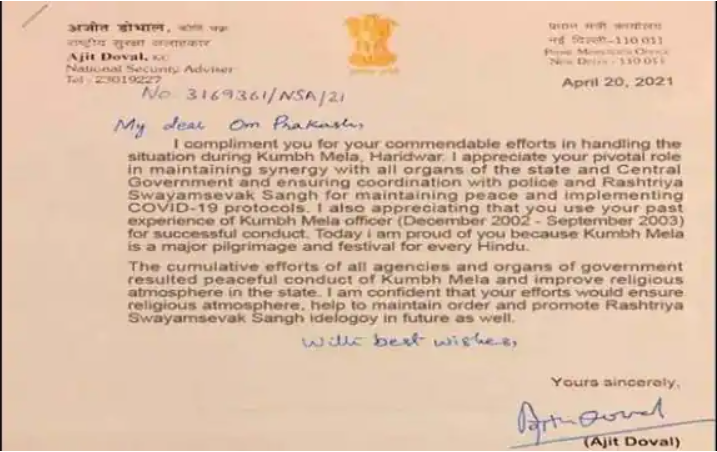
In the purported letter addressed to the Uttarakhand Chief Secretary, Ajit Doval compliments him “in handling the situation during Kumbh Mela”.
The letter ends by saying that his efforts for the successful conduct of Kumbh Mela would ensure a religious atmosphere, help to maintain order and promote RSS ideology in the future as well.
Kumbh is held periodically at four different locations in India – Nashik, Haridwar, Prayagraj, and Ujjain. In normal circumstances, Kumbh continues for nearly four months but this year due to the Covid-19 pandemic, the duration of the congregation has been curtailed to one month.
The ongoing Kumbh Mela has triggered debates at a time when India is battling the second wave of the novel coronavirus.
Also Read: Niti Aayog’s Paul says union territories should plan Covid-19 strategies for next three weeks
Earlier on Saturday, PM Modi urged Kumbh Mela devotees and Management to make weeks-long religious festival only symbolic amid an unprecedented surge in Covid-19 cases. Huge number of people testing positive in and around Kumbh Mela in Haridwar.
Supporting the PM Modi’s appeal to make Kumb symbolic, singer Sonu Nigam joined in instagram and said that Kumbh Mela shouldn’t have taken place amid huge surge in Covid-19 cases. He also said that good sense has prevailed after Kumbh was declared symbolic. Sonu’s video comes after Prime Minister Narendra Modi called Kumbh Mela a symbolic event to strengthen India’s fight against Covid-19.
Also Read: Delhi hospitals get oxygen tankers hours after HC pulls up Centre
Sonu Nigam, in his video, questioned the need to go ahead with a gathering as large as Kumbh, especially during these trying times. He also said that religious gatherings should have been avoided at this time. Sonu also added that he is a Hindu and has the right to speak about his religion.







India News
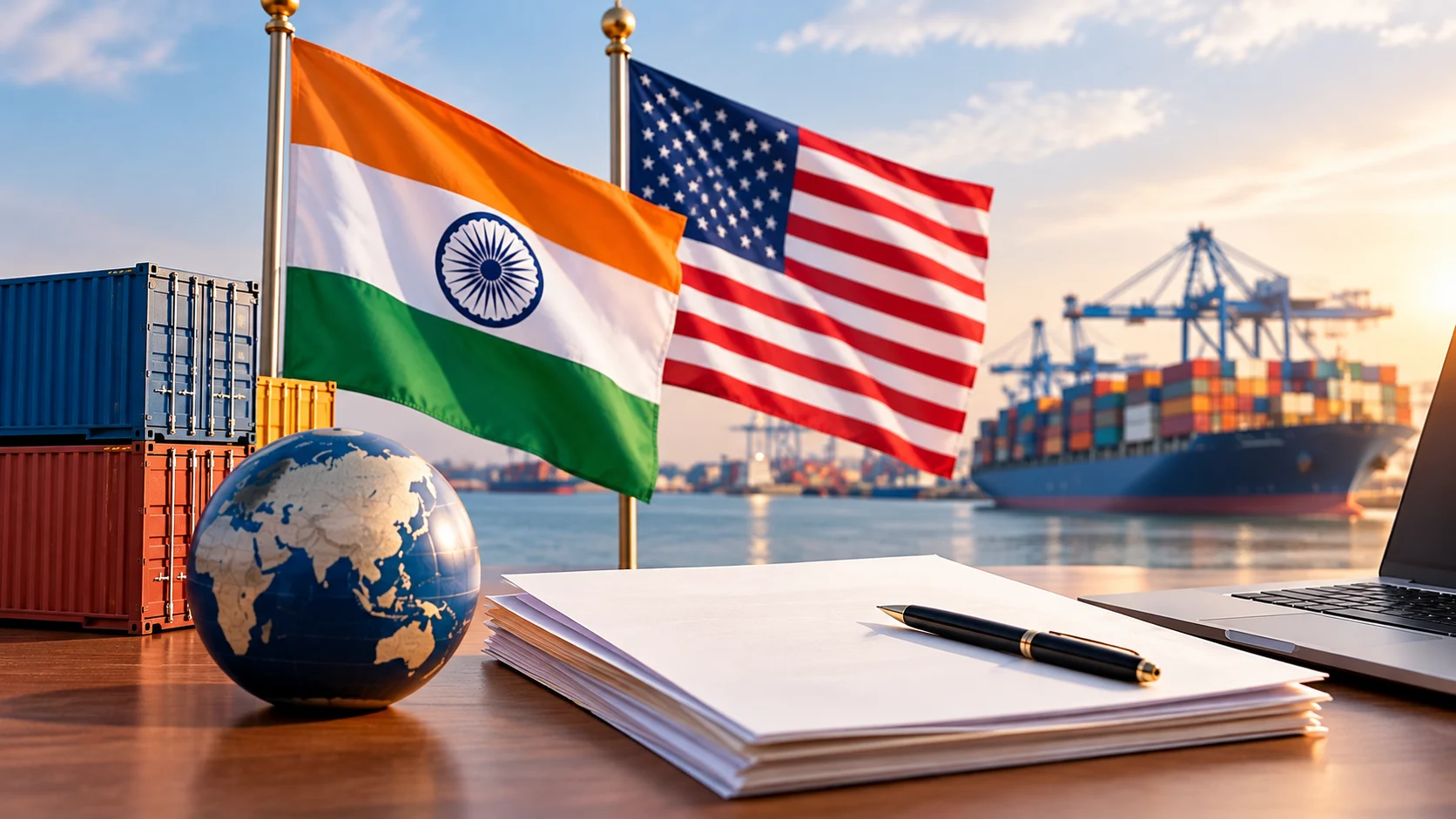
India-US trade deal first phase finalised, drafting underway
The first phase of the India-US trade agreement has been finalised and is undergoing legal drafting, Commerce Minister Piyush Goyal said. The deal is expected to be operationalised once India secures a competitive advantage over peer countries.

India News
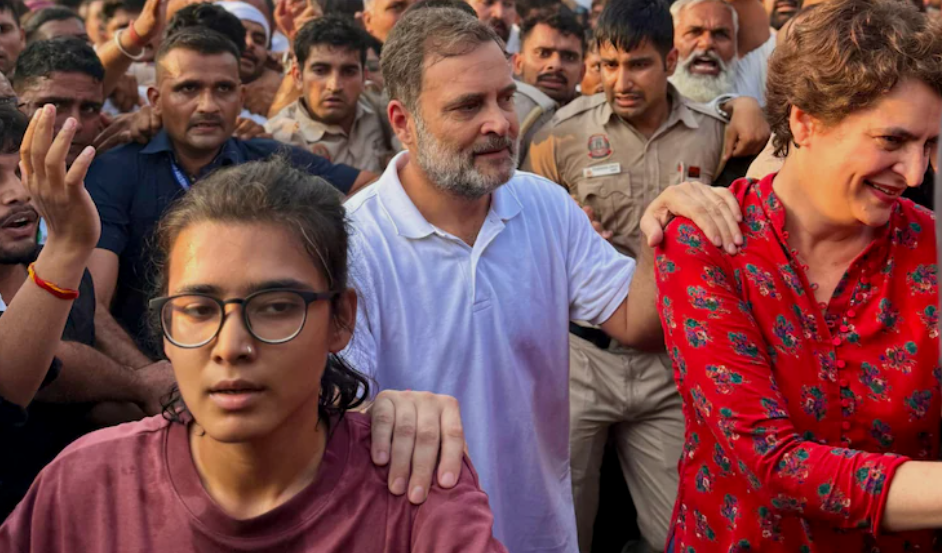
Nobody can browbeat judiciary, Chief Justice warns over Rahul Gandhi’s march
The Supreme Court issued notices to opposition leaders, including Rahul Gandhi and Akhilesh Yadav, over their march to the court on October 12 concerning irregularities in the Special Intensive Revision of electoral rolls.
India News
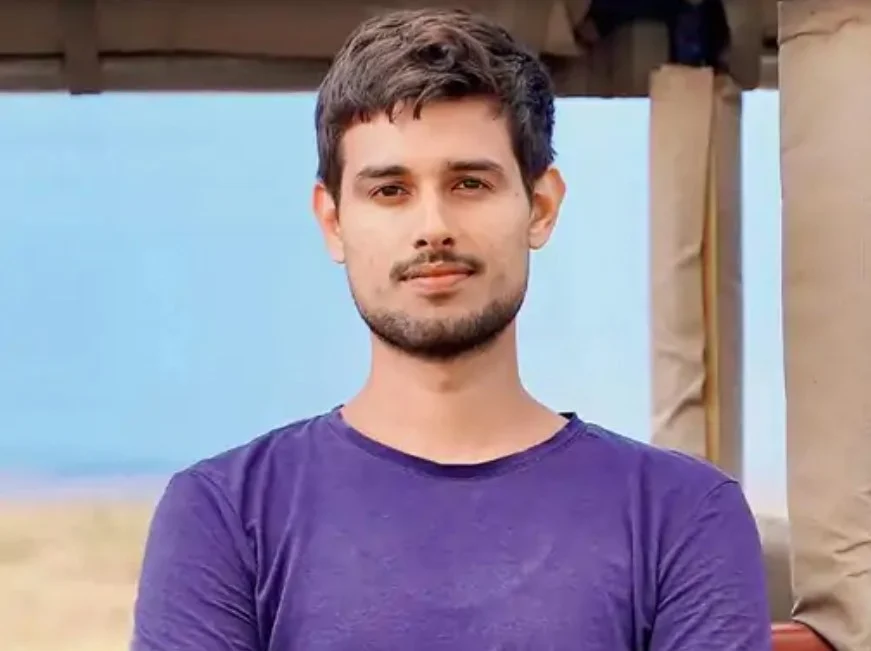
Dhruv Rathee gets fresh summons in 2018 BJP IT cell video case
YouTuber Dhruv Rathee has received fresh summons from a Delhi court in a 2018 criminal defamation case filed by Vikas Pandey over a video concerning the BJP IT Cell. The matter will next be heard on October 17.

Meerut murder: Muskaan Rastogi and Sahil Shukla get death sentence

Rahul Gandhi joins India Gate protest by Ankita Bhandari’s parents

Supreme Court questions EC over missing records in Sringeri election dispute

Dhruv Rathee gets fresh summons in 2018 BJP IT cell video case

Nobody can browbeat judiciary, Chief Justice warns over Rahul Gandhi’s march

India-US trade deal first phase finalised, drafting underway
Nobody can browbeat judiciary, Chief Justice warns over Rahul Gandhi’s march
Dhruv Rathee gets fresh summons in 2018 BJP IT cell video case
Supreme Court questions EC over missing records in Sringeri election dispute
Rahul Gandhi joins India Gate protest by Ankita Bhandari’s parents

Afghan Men Try To Hang With The Jet Engine Of The Aircraft in Kabul- Afghanistan News – Kabul News
Trending Top 10 News: 10000 Crore Fine on Flipkart, Apple to Launch Unique Feature, Hdfc Bank Job Ad

Trending Top 10 News: Nokia 6310, Apple sales, Bachpan ka Pyar Video Kid, Dainik Bhaskar IT Raid

Trending Top 10 News: Canada bans Indian flights, Rain in Delhi NCR, AIMIM Twitter hacked, Raj Kundra case

Trending Top 10 News: Shein India, Apple New Service, Pocket Oxygen, Oppo Launched New Phone
-
 India News23 hours ago
Meerut murder: Muskaan Rastogi and Sahil Shukla get death sentence
-
 India News22 hours ago
Rahul Gandhi joins India Gate protest by Ankita Bhandari’s parents
-
 India News22 hours ago
Supreme Court questions EC over missing records in Sringeri election dispute
-
 India News9 hours ago
Dhruv Rathee gets fresh summons in 2018 BJP IT cell video case
-
 India News6 hours ago
Nobody can browbeat judiciary, Chief Justice warns over Rahul Gandhi’s march
-
 India News2 hours ago
India-US trade deal first phase finalised, drafting underway
