English हिन्दी
Connect with us

Latest Politics News

Sonia Gandhi to attend 2nd opposition meet in Bengaluru, 24 other parties invited

Eight additional parties are anticipated to attend the Bengaluru summit, though.

Published

on

Sonia Gandhi

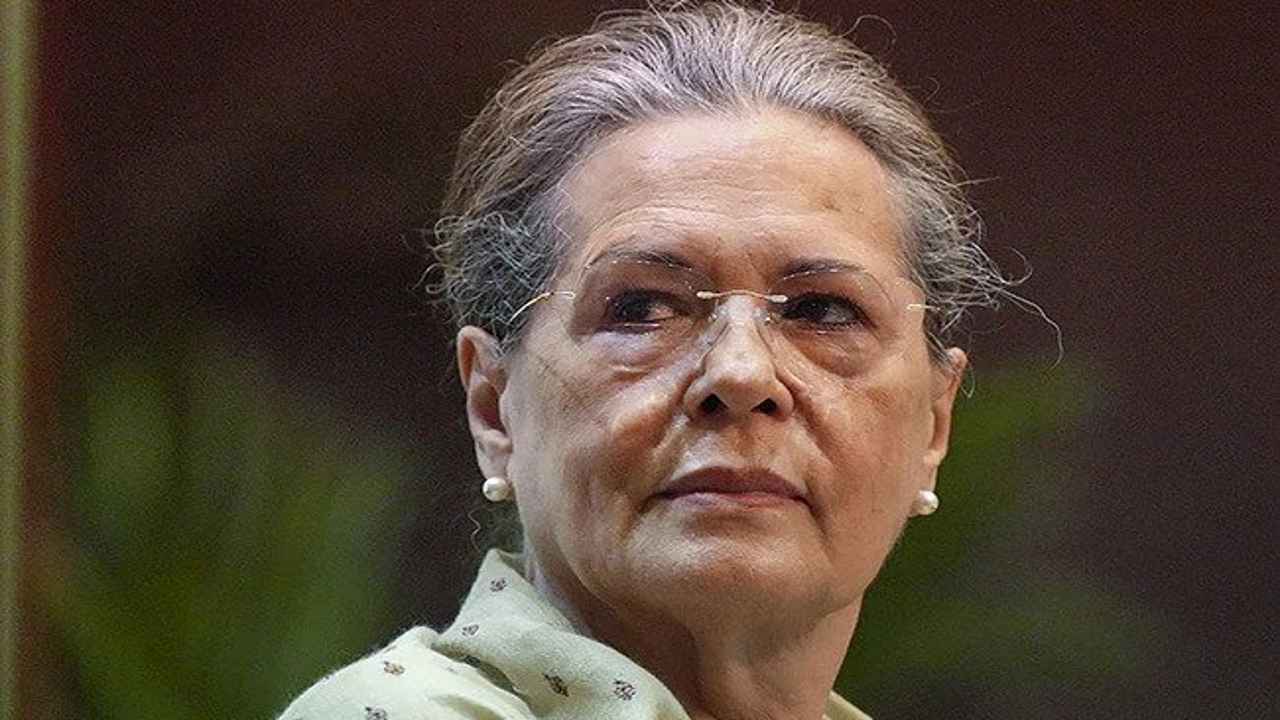
On July 17 and 18, former Congress chief Sonia Gandhi, will join the next meeting of opposition leaders in Bengaluru. On June 23, Patna, Bihar, hosted the first meeting of this kind between parties in opposition to developing unity before the 2024 Lok Sabha elections.

Since Sonia Gandhi is the chair of the United Progressive Alliance (UPA), her attendance can ensure that goodwill prevails and difficult issues are resolved without difficulty. On July 17 in Bengaluru, representatives from 24 political parties will meet informally before engaging in more official discussions the next day. After the meetings on Day 1 are over, Karnataka Chief Minister Siddaramaiah will host a formal supper.

Ajit Pawar’s uprising against his uncle Sharad Pawar in Maharashtra caused the Nationalist Congress Party (NCP) to split, and the meeting was moved from July 13 to July 17 as a result. The division sparked worry about the fragmentation of Opposition alliances in states like Bihar.

Eight additional parties are anticipated to attend the Bengaluru summit, though. The Kerala Congress (Joseph), Kerala Congress (Mani), Revolutionary Socialist Party (RSP), All India Forward Bloc, Indian Union Muslim League (IUML), Marumalarchi Dravida Munnetra Kazhagam (MDMK), Kongu Desa Makkal Katchi (KDMK), Viduthalai Chiruthaigal Katchi (VCK), and Revolutionary Socialist Party have all been invited to the mega meeting.
Aam Aadmi Party said it would be difficult for it to be a part of any such gathering in the future until the Congress publicly supports it on the Delhi ordinance, and 15 opposition parties agreed to fight the BJP together in the 2024 Lok Sabha elections despite growing divisions.

Following their meeting in Patna, the opposition parties promised to work together on a common agenda and state-by-state election plan, putting aside their differences and adopting a flexible strategy.

India News

Stalin loses Kolathur seat in Tamil Nadu results 2026 as TVK’s VS Babu scores upset

Media reports suggest MK Stalin has lost his Kolathur stronghold to TVK’s VS Babu in Tamil Nadu election results 2026.

Published

on

MK Stalin

In a significant political development in the Tamil Nadu Assembly election results 2026, Chief Minister M. K. Stalin is reported to have lost the Kolathur constituency, according to media reports based on counting data.

As per these reports, Stalin was defeated by V. S. Babu of Tamilaga Vettri Kazhagam (TVK), marking a notable upset in a seat long regarded as a stronghold of the DMK leader.

Kolathur, located in Chennai, has been closely associated with Stalin for years, making the reported outcome particularly significant in the current election cycle. Earlier counting trends had indicated a tight contest, with Stalin trailing before the result was reported.

The development comes amid a strong showing by actor-turned-politician Vijay’s party, Tamilaga Vettri Kazhagam, which has performed competitively across several constituencies in the state, according to media reports.

While the Dravida Munnetra Kazhagam (DMK) has been leading in multiple seats, the reported loss in Kolathur is being viewed as a key moment in the party’s overall performance.

Final results across Tamil Nadu are still being compiled as counting continues.

Continue Reading

India News

K Kavitha suggests US Senate-like model for Rajya Sabha amid delimitation debate

K Kavitha has proposed a US Senate-like model for the Rajya Sabha, calling for equal representation of states and stronger legislative powers amid the delimitation debate.

Published

on

K Kavitha

Telangana leader K Kavitha has proposed a significant restructuring of the Rajya Sabha, suggesting it be given powers similar to the United States Senate to protect the interests of states amid the ongoing debate over delimitation.

Speaking on the issue, Kavitha said the Upper House should have greater authority in legislative matters, including the ability to stall bills if states do not agree. She argued that such a mechanism would ensure political and financial security for states within India’s federal structure.

Her proposal comes at a time when discussions around delimitation — the redrawing of parliamentary constituencies based on population — have raised concerns about potential imbalances between states.

Equal representation for states proposed

Kavitha suggested that each state should have a fixed number of seats in the Rajya Sabha, regardless of population, to maintain balance across regions. She also advocated equal voting rights for states in the Upper House.

According to her, empowering the Rajya Sabha in this manner would help ensure that states have a stronger voice in national decision-making.

She further proposed that all key legislation, including finance bills, should be routed through the Rajya Sabha, similar to the functioning of the US Senate.

Context of delimitation debate

The proposal comes against the backdrop of the Delimitation Bill, 2026, which aims to readjust the allocation of Lok Sabha seats based on population changes. The exercise has sparked political debate, with concerns that some states could gain more representation while others may lose relative influence.

Kavitha indicated that even if some states lose seats due to delimitation, a stronger Rajya Sabha with equal representation could help maintain federal balance.

Focus on strengthening federal structure

Emphasising the need to protect the role of states, Kavitha said enhancing the powers of the Rajya Sabha would ensure that no single region dominates national policymaking.

Her remarks add to the broader political discourse around delimitation and federalism, with multiple leaders proposing alternative models to address concerns of regional imbalance.

Continue Reading

India News

Clashes erupt between TMC and BJP supporters during Bengal repolling in South 24 Parganas

Clashes between TMC and BJP supporters disrupt repolling in Bengal’s South 24 Parganas as voting continues under tight security.

Published

on

Clashes broke out between supporters of the Trinamool Congress (TMC) and the Bharatiya Janata Party (BJP) during repolling in West Bengal’s South 24 Parganas district on Saturday, highlighting ongoing political tensions in the state.

The incidents occurred as fresh voting was underway at 15 polling booths across the Magrahat Paschim and Diamond Harbour assembly constituencies. The repolling was ordered by the Election Commission following reports of irregularities during the earlier phase of voting held on April 29.

According to reports, confrontations between rival party supporters led to disruption in some areas, with allegations that certain voters were being prevented from casting their votes. Authorities responded by deploying heavy security forces to bring the situation under control and ensure the continuation of polling.

The repolling exercise is being conducted under strict security arrangements, with personnel deployed across sensitive locations to maintain order. Officials have emphasised that the process is being closely monitored to ensure free and fair voting.

The Election Commission had earlier declared polling in these booths void after receiving complaints of electoral malpractices and procedural lapses. Fresh voting began at 7 am and is scheduled to continue until 6 pm.

The affected booths include 11 in Magrahat Paschim and four in Diamond Harbour, both considered politically significant constituencies in the ongoing assembly elections.

Despite the clashes, authorities said efforts were being made to ensure that voting proceeds without further disruption, as the state moves closer to the counting of votes.

Continue Reading

Trending

© Copyright 2022 APNLIVE.com