
Cricket news
ICC Rankings: Ravichandran Ashwin named no 1 Test bowler, Jadeja declared no 1 all-rounder in Tests, Rohit-Virat falter
Former Indian skipper has slipped from 16th to 17th position. Virat Kohli has been able to score one half-century in the last 15 innings.

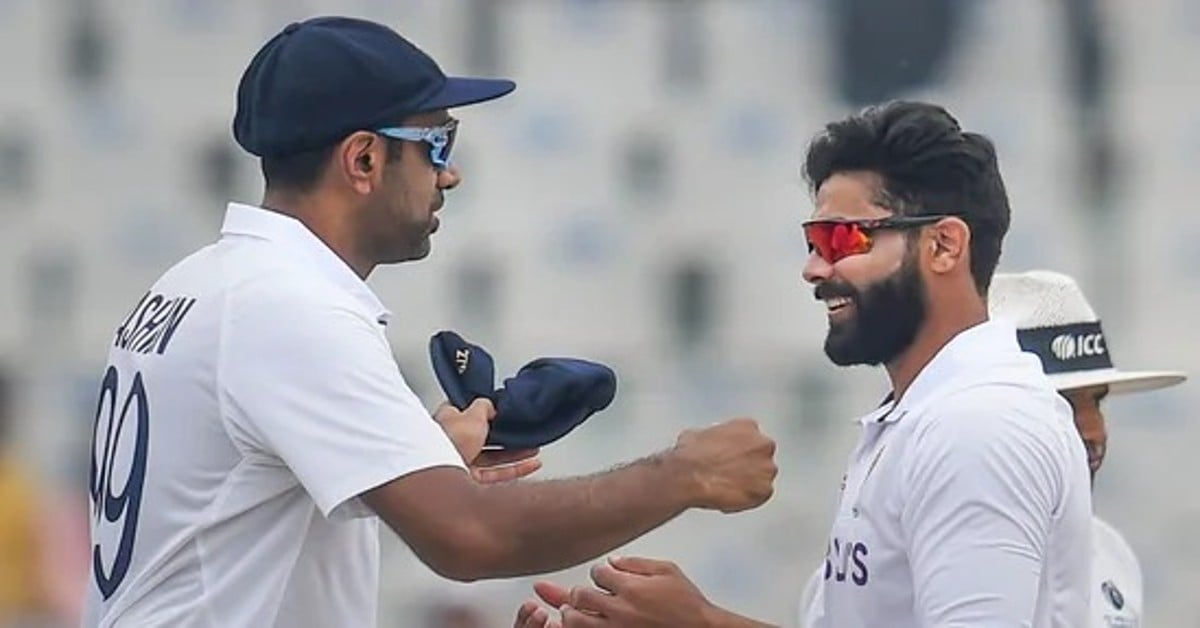
Even though the conditions for Team India is narrowing in the ongoing Indore Test match against Australia, but in spite of this, the magic of Ravichandran Ashwin is speaking volumes. The latest rankings have been released by the ICC on Wednesday. Ravichandran Ashwin has been named the number 1 bowler in the Test rankings.
Pushing back England’s veteran fast bowler James Anderson, Ashwin has confirmed his place in the first spot. Ashwin has received this award in the ICC Test rankings because of his excellent bowling in the Delhi and Nagpur Test. He dismissed set batters like Steve Smith and Marnus Labushen and bowled several maiden overs.
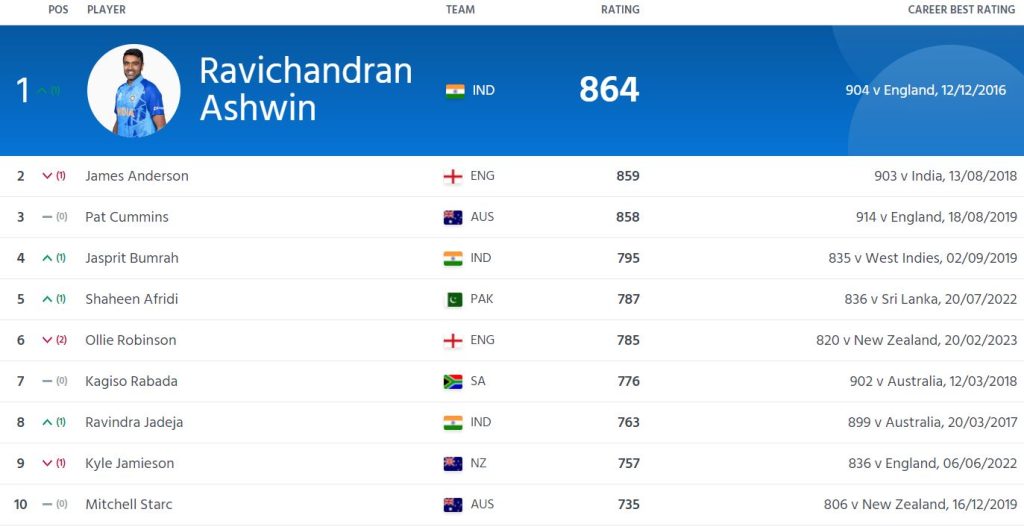
Even though this spin bowler seems to be struggling to take wickets in the ongoing Test in Indore, but in Delhi, Ashwin had shown the way to pavilion to six batsmen. On the other hand, if we talk about England, they have faced a close defeat by one run in the Wellington Test on New Zealand tour. Due to which James Anderson has slipped to the second spot on ICC Test rankings.
Read Also: IND vs AUS: India all out for 109, Matthew Kuhnemann strikes 5 wickets
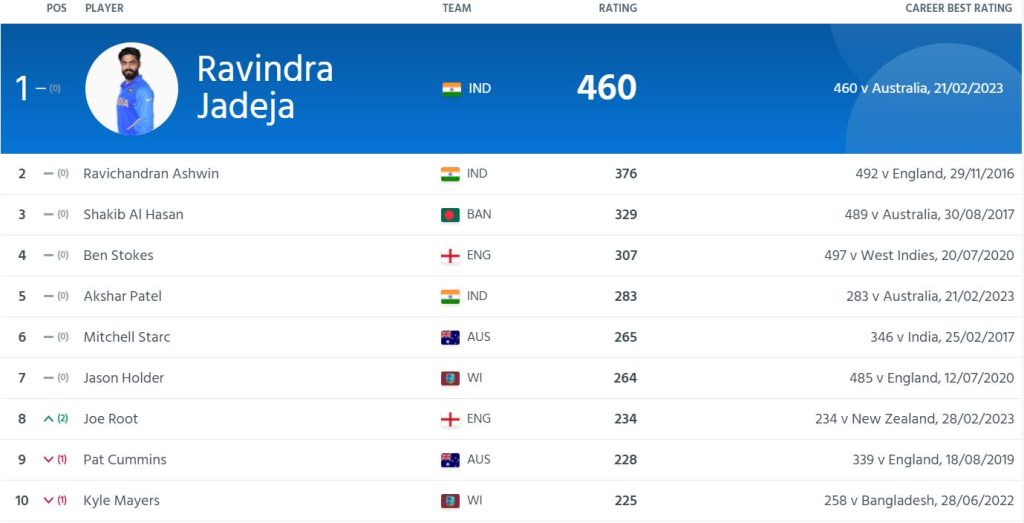
Ravindra Jadeja number 1 Test all-rounder
Ravindra Jadeja, who marked the perfect comeback in the Border Gavaskar Trophy has been named the player of the match in both Delhi and Nagpur test matches. He took 10 wickets in Delhi and has moved up one place to eighth in the bowlers’ rankings in Test cricket. But the big highlight of the day is that the Indian all-rounder has been named the no 1 Test all-rounder in the world. He has also moved up one place to 32nd in the batsmen’s rankings.
Virat-Rohit slip down
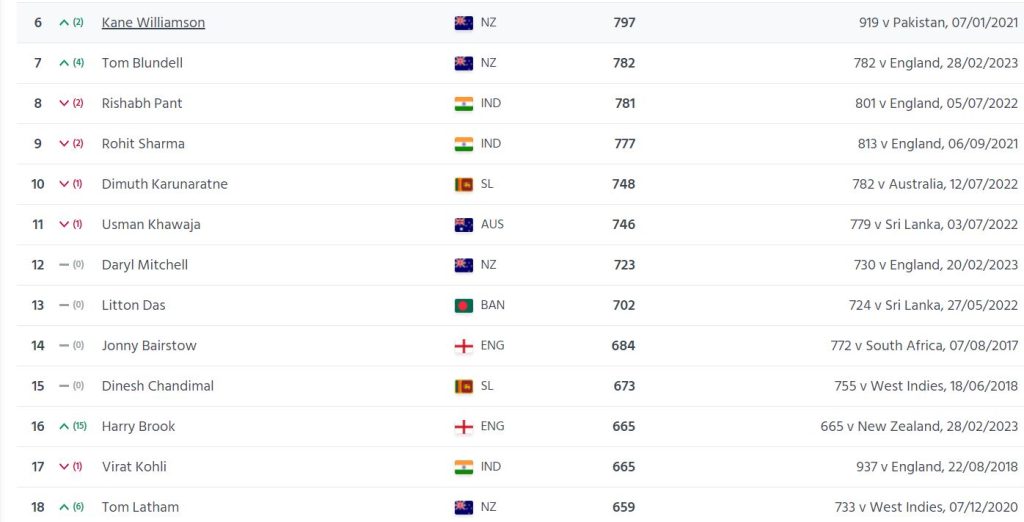
Virat Kohli has lost one place in the latest Test rankings. He has slipped from 16th to 17th position. Virat Kohli has been able to score one half-century in the last 15 innings. On the other hand, Rohit Sharma has slipped two places down to the ninth position. Shreyas Iyer gained one spot and has reached to the 26th position. Mayank Agarwal is out of Team India, yet he has gained one position and now he is at 27th position on the ICC Test rankings.
IND vs AUS: Nathan Lyon, Matthew Kuhemann strike 6 wickets in 1st session, India in deep trouble now
Rahul Gandhi’s new look shows, trimmed beard, suited-up RaGa for Cambridge talk






Cricket news
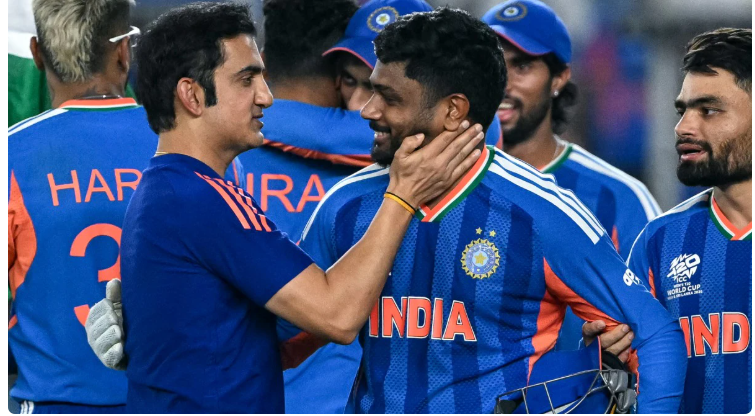
India’s T20 World Cup triumph validates Gautam Gambhir’s approach, coach dedicates win to Dravid and Laxman
Gautam Gambhir said he is accountable only to the team dressing room after India defeated New Zealand by 96 runs to win the 2026 T20 World Cup and dedicated the title to Rahul Dravid and VVS Laxman.

Cricket news
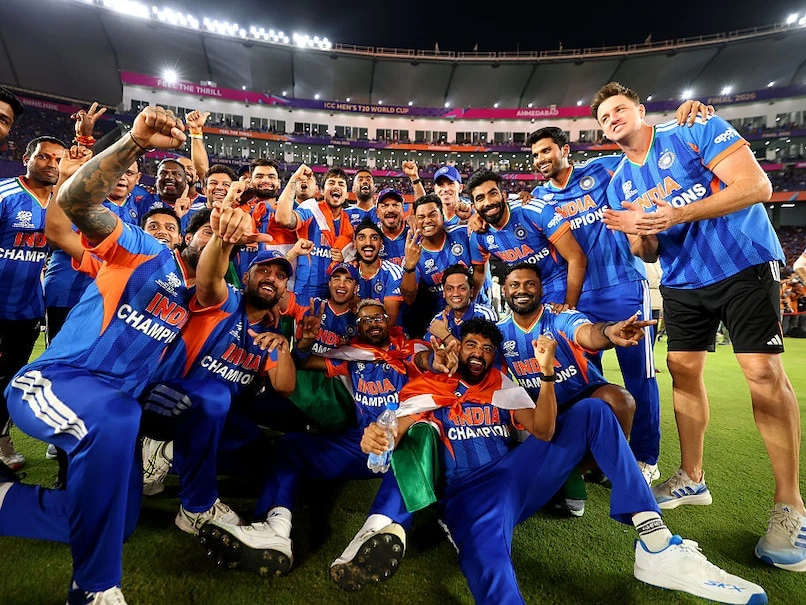
India win record third T20 World Cup after thrashing New Zealand in 2026 final
India defeated New Zealand by 96 runs in the T20 World Cup 2026 final in Ahmedabad, becoming the first team to win the tournament three times and defend the title.
Cricket news
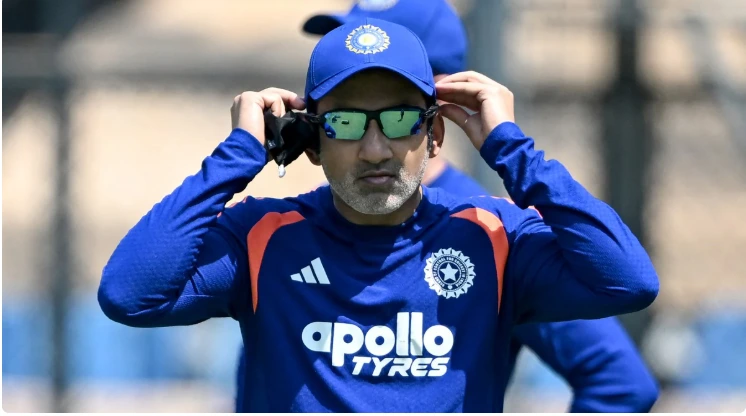
Gautam Gambhir’s tactical calls help India edge past England to reach T20 World Cup final
India defeated England by seven runs in the T20 World Cup 2026 semifinal in Mumbai as tactical decisions and a flexible batting order helped secure a place in the final.

Om Birla likely to move motion to revoke suspension of 8 opposition MPs today

Pakistan airstrike allegations on Kabul hospital leave hundreds dead, claims Taliban

Mamata Banerjee writes to poll chief over officers’ reshuffle, calls move arbitrary

Maharashtra passes freedom of religion bill with jail term up to 10 years

Centre assures action on LPG supply disruption, court closes distributors’ plea

Top US counterterrorism official resigns over Iran war, cites conscience

Mamata Banerjee warns BJP, EC over Bengal polls, says they will be accountable
Centre assures action on LPG supply disruption, court closes distributors’ plea
Om Birla likely to move motion to revoke suspension of 8 opposition MPs today
Maharashtra passes freedom of religion bill with jail term up to 10 years

Afghan Men Try To Hang With The Jet Engine Of The Aircraft in Kabul- Afghanistan News – Kabul News
Trending Top 10 News: 10000 Crore Fine on Flipkart, Apple to Launch Unique Feature, Hdfc Bank Job Ad

Trending Top 10 News: Nokia 6310, Apple sales, Bachpan ka Pyar Video Kid, Dainik Bhaskar IT Raid

Trending Top 10 News: Canada bans Indian flights, Rain in Delhi NCR, AIMIM Twitter hacked, Raj Kundra case

Trending Top 10 News: Shein India, Apple New Service, Pocket Oxygen, Oppo Launched New Phone
-
 India News19 hours ago
Om Birla likely to move motion to revoke suspension of 8 opposition MPs today
-
 India News20 hours ago
Pakistan airstrike allegations on Kabul hospital leave hundreds dead, claims Taliban
-
 India News20 hours ago
Mamata Banerjee writes to poll chief over officers’ reshuffle, calls move arbitrary
-
 India News19 hours ago
Maharashtra passes freedom of religion bill with jail term up to 10 years
-
India News11 hours ago
Centre assures action on LPG supply disruption, court closes distributors’ plea
-
 India News9 hours ago
Mamata Banerjee warns BJP, EC over Bengal polls, says they will be accountable
-
 Latest world news8 hours ago
Top US counterterrorism official resigns over Iran war, cites conscience
