
Cricket news
Here’s what the experts said on Pakistan’s Champions Trophy win

[vc_row][vc_column][vc_column_text]By Abhishek Kumar
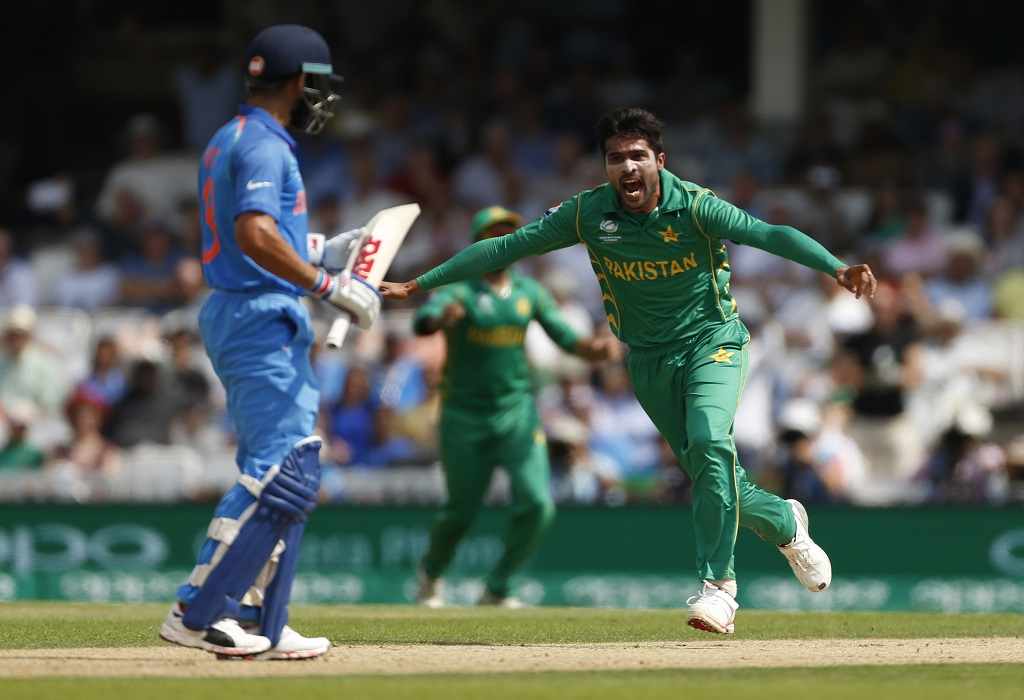
India suffered a humiliating defeat in the hands of a resurgent Pakistan in the Champions Trophy final on Sunday. Pakistan rode on opener Fakhar Zaman’s 114 to post a fighting total of 338 after being asked to bat first. In response Indian batsmen failed to counter Mohammad Amir’s pace and swing as he demolished India’s top order in the first powerplay itself. India were bundled out for 158 in less than 31 overs, providing 180 run win to Pakistan.
Following the match, cricket experts shared their views on the final match through various platforms and also pointed out the key performers and moments of the match. Mohammad Amir and Fakhar Azam received accolades for their spirited performance while Indian team was criticised for poor team selection and lackluster performance of the senior members.
Jonathan Agnew in his article in BBC heaped praise on Mohammad Amir and Fakhar Azam for their crucial role in Pakistan’s win.
“His attitude in this tournament has been excellent, that of a man who has moved on from the problems of his past. Is it redemption for Amir? I suppose it is. There were people who did not want him back in the game but, now that he is back, he will be a high-class performer. Good luck to him,” wrote Agnew.
Agnew also praised Azam for his attacking instinct which allowed other batsmen to play around him.
Cricketer turned journalist, Mike Atherton in his article described the transformation that Pakistan had undergone in 2 weeks along with acknowledging individual performances of Azam, Amir and Hardik Pandya.
“So it was that a team written off and derided after their first outing, comprising a batting line-up thought of as the weakest of the eight teams, lacking the kind of dynamism and power common to others, and ranked lowest of them all coming into the tournament, put on the most exhilarating display of the competition,” Atherton wrote in his article in The Times.
Apart from Amir and Azam, Atherton had a few words in praise of Pandya for his fighting knock. “Pandya is as thin as Chinese soup, but hits a mighty ball and briefly raised hopes of an Indian revival with six enormous blows into the stands.”
Cricket commentator and journalist, Harsha Bhogle shared his views in a series of tweets during and after the match.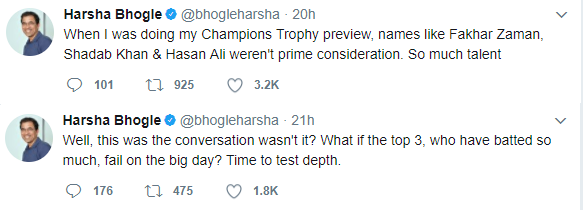 [/vc_column_text][/vc_column][/vc_row]








Cricket news
India’s T20 World Cup triumph validates Gautam Gambhir’s approach, coach dedicates win to Dravid and Laxman
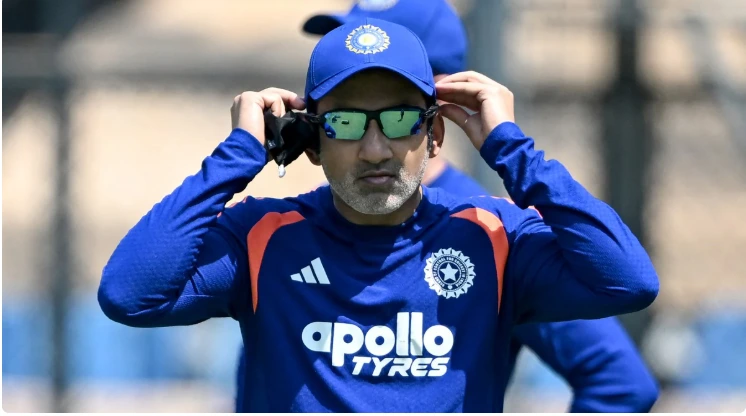
Gautam Gambhir said he is accountable only to the team dressing room after India defeated New Zealand by 96 runs to win the 2026 T20 World Cup and dedicated the title to Rahul Dravid and VVS Laxman.

Cricket news
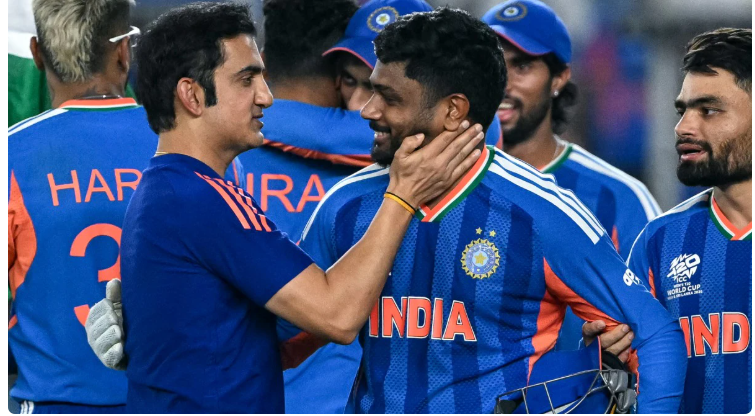
India win record third T20 World Cup after thrashing New Zealand in 2026 final
India defeated New Zealand by 96 runs in the T20 World Cup 2026 final in Ahmedabad, becoming the first team to win the tournament three times and defend the title.
Cricket news
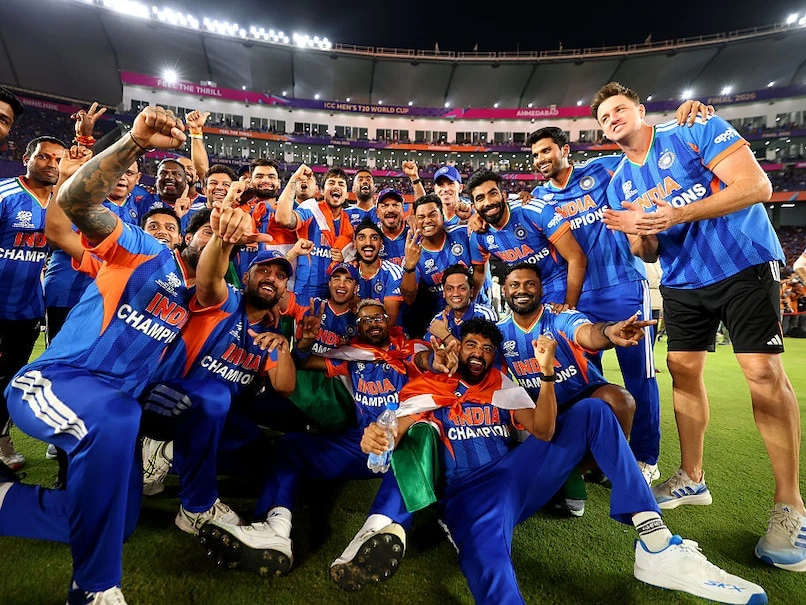
Gautam Gambhir’s tactical calls help India edge past England to reach T20 World Cup final
India defeated England by seven runs in the T20 World Cup 2026 semifinal in Mumbai as tactical decisions and a flexible batting order helped secure a place in the final.

Centre assures action on LPG supply disruption, court closes distributors’ plea

Mamata Banerjee warns BJP, EC over Bengal polls, says they will be accountable

Top US counterterrorism official resigns over Iran war, cites conscience

US strikes Iranian missile sites near Hormuz with 5,000-pound bunker buster bombs

Netanyahu dismisses death rumours in video with US envoy, says I’m alive

Delhi Palam fire leaves 6 dead, massive rescue operation underway

Centre mandates 60% free seat allocation on flights, caps selection fees
Netanyahu dismisses death rumours in video with US envoy, says I’m alive
US strikes Iranian missile sites near Hormuz with 5,000-pound bunker buster bombs
Top US counterterrorism official resigns over Iran war, cites conscience

Afghan Men Try To Hang With The Jet Engine Of The Aircraft in Kabul- Afghanistan News – Kabul News
Trending Top 10 News: 10000 Crore Fine on Flipkart, Apple to Launch Unique Feature, Hdfc Bank Job Ad

Trending Top 10 News: Nokia 6310, Apple sales, Bachpan ka Pyar Video Kid, Dainik Bhaskar IT Raid

Trending Top 10 News: Canada bans Indian flights, Rain in Delhi NCR, AIMIM Twitter hacked, Raj Kundra case

Trending Top 10 News: Shein India, Apple New Service, Pocket Oxygen, Oppo Launched New Phone
-
India News22 hours ago
Centre assures action on LPG supply disruption, court closes distributors’ plea
-
 India News20 hours ago
Mamata Banerjee warns BJP, EC over Bengal polls, says they will be accountable
-
 Latest world news19 hours ago
Top US counterterrorism official resigns over Iran war, cites conscience
-
 Latest world news6 hours ago
US strikes Iranian missile sites near Hormuz with 5,000-pound bunker buster bombs
-
 Latest world news6 hours ago
Netanyahu dismisses death rumours in video with US envoy, says I’m alive
-
 India News6 hours ago
Centre mandates 60% free seat allocation on flights, caps selection fees
-
 India News4 hours ago
Delhi Palam fire leaves 6 dead, massive rescue operation underway
