
LATEST SPORTS NEWS
India continues winning gold at CWG, stands third


Sunday was another shining day for India at 21st Commonwealth Games being played at Gold Coast in Australia. India continued to bag gold medals on Day 4, with weightlifter Punam Yadav and 16-year-old shooter Manu Bhaker winning a gold medal each. Yadav bagged hers in women’s 69kg weightlifting, while Bhaker’s came in 10-metre air pistol event.
According to reports, Manu Bhaker, 16, and Heena Sidhu took a gold and silver medal, respectively, in the Women’s 10m Air Pistol event. Bhaker produced a spectacular performance, setting a new CWG record with a total of 240.9 points in the final round. Sidhu registered 234 to make it 1-2 for India at the top of the podium.
Punam Yadav won gold in the women’s 69 kg category by lifting a total of 222 kg which included 100 kg in snatch and 122 kg in clean and jerk. England’s Sarah Davies took silver with 217 kg, while Apolonia Vaivai of Fiji lifted 216 kg for the bronze. This is the fifth gold medal for India at this year’s CWG.
Among Indian men, shooter Ravi Kumar won India’s 10th medal at CWG 2018. a bronze in 10-m air rifle shooting. Deepak Kumar, who broke the Commonwealth record in the 10-m air rifle quarters, finished at the 6th position.
In boxing, five-time world champion M C Mary Kom confirmed a medal (48 kg category) as she advanced to the semi-finals of the Commonwealth Games 2018 boxing event. This is Mary Kom’s first appearance in CWG. She will face Sri Lanka’s Anusha Dilrukshi in the semi-final on April 11. Her entry into the last four stage confirms a bronze medal for Mary Kom.
Indian shooters Deepak Kumar and Ravi Kumar have qualified for the men’s 10 metre air rifle finals by securing the top two positions. Deepak created a Commonwealth Games record by shooting a total of 627.2 while Ravi secured his place in the final by total of 626.8 points.
India’s Sajan Prakash qualified for the semi-finals of swimming men’s 100 metre Butterfly. He finished second in Heat 2 of the competition after clocking 54.11 seconds only behind Australia’s Grant Irvine, who finished with a timing of 53.89 at the Optus Aquatic Centre.
As of now, India stands at the 3rd position in medals tally: with 6 gold, 2 silver and 1 bronze medals. Australia is at the top with a total 60 medals, while England is placed at second position with a total of 34 medals.








LATEST SPORTS NEWS
PM Modi praises Team India after historic T20 World Cup triumph
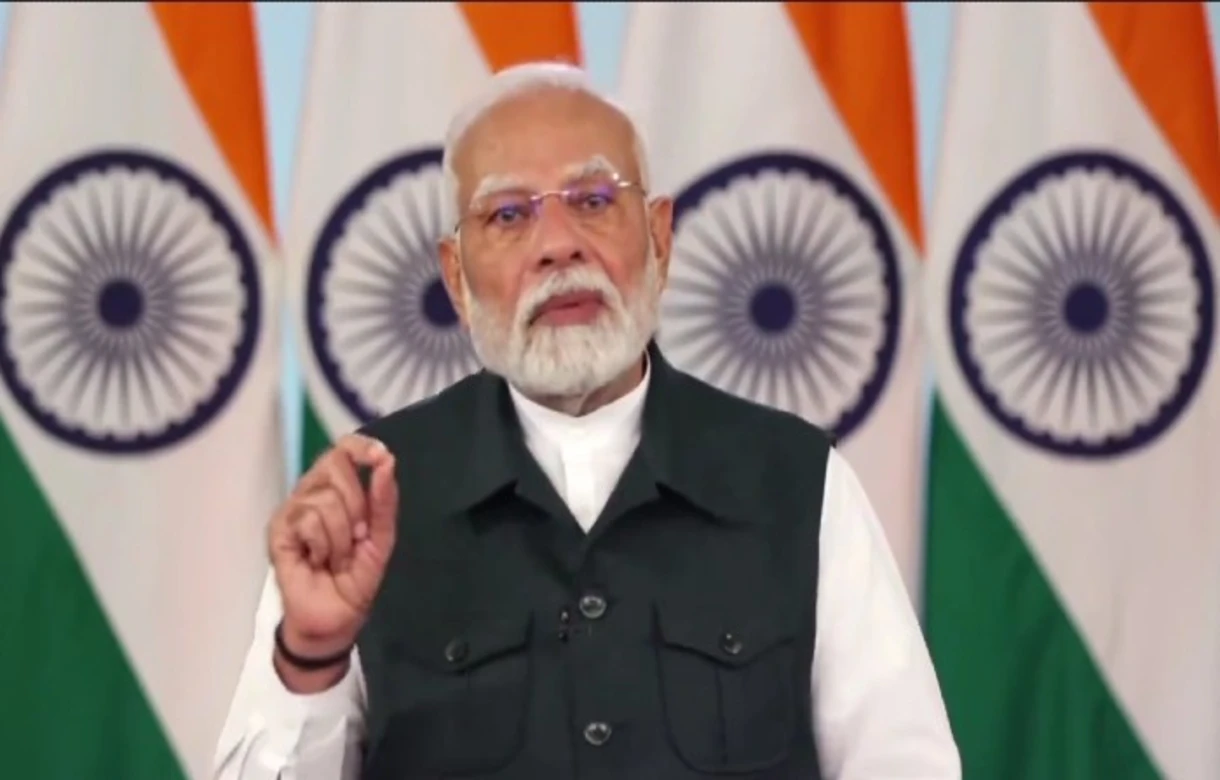
Prime Minister Narendra Modi congratulated Team India after its dominant win over New Zealand in the T20 World Cup 2026 final, praising the team’s exceptional skills, determination and teamwork.

Cricket news
India’s T20 World Cup triumph validates Gautam Gambhir’s approach, coach dedicates win to Dravid and Laxman
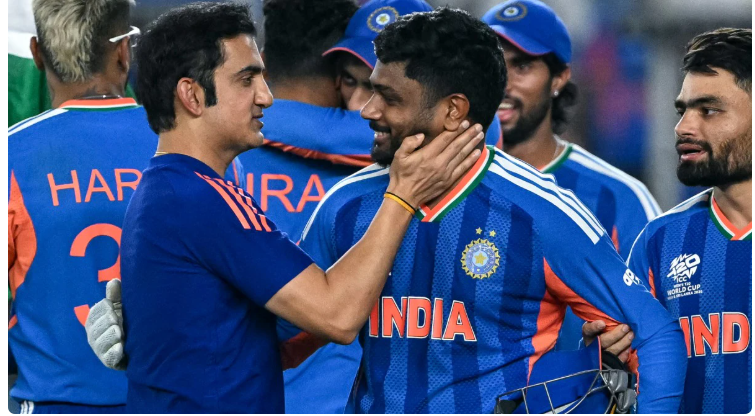
Gautam Gambhir said he is accountable only to the team dressing room after India defeated New Zealand by 96 runs to win the 2026 T20 World Cup and dedicated the title to Rahul Dravid and VVS Laxman.
Cricket news
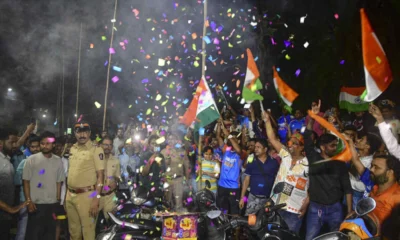
India win record third T20 World Cup after thrashing New Zealand in 2026 final
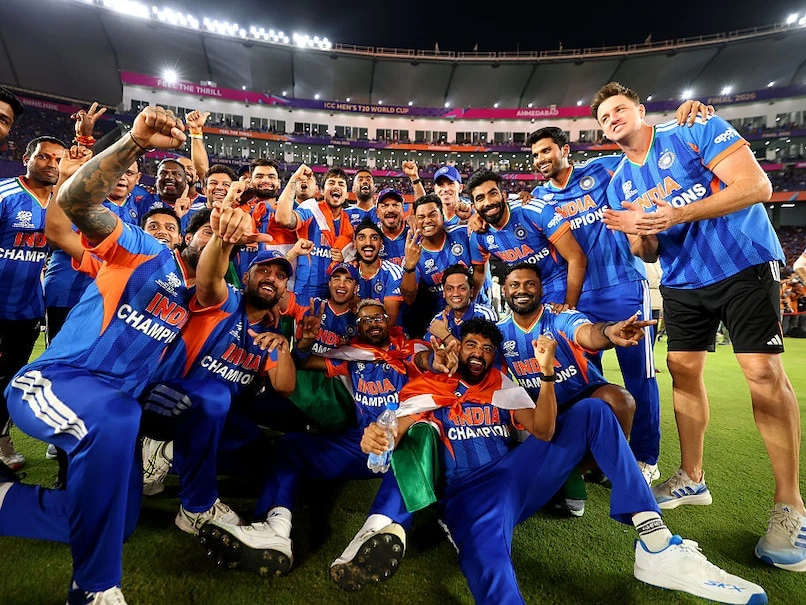
India defeated New Zealand by 96 runs in the T20 World Cup 2026 final in Ahmedabad, becoming the first team to win the tournament three times and defend the title.

Mamata Banerjee slams poll body over officials’ transfer, calls move unprecedented

PM Modi speaks to Qatar, France, Jordan, Oman and Malaysia leaders on Middle East tensions

Oppo K14 5G launched in India with 7000mAh battery, starts at Rs 17,999

AIADMK-BJP seat-sharing talks to be finalised soon, says Edappadi K Palaniswami after Amit Shah meet

Late-March western disturbance brings 1,000-km rain band across India, Pakistan and Afghanistan

Eid Mubarak 2026 wishes and greetings highlight joy and togetherness

Bangladesh envoy meets S Jaishankar, Dhaka foreign minister may visit India in April
Late-March western disturbance brings 1,000-km rain band across India, Pakistan and Afghanistan
Oppo K14 5G launched in India with 7000mAh battery, starts at Rs 17,999
Mamata Banerjee slams poll body over officials’ transfer, calls move unprecedented

Afghan Men Try To Hang With The Jet Engine Of The Aircraft in Kabul- Afghanistan News – Kabul News
Trending Top 10 News: 10000 Crore Fine on Flipkart, Apple to Launch Unique Feature, Hdfc Bank Job Ad

Trending Top 10 News: Nokia 6310, Apple sales, Bachpan ka Pyar Video Kid, Dainik Bhaskar IT Raid

Trending Top 10 News: Canada bans Indian flights, Rain in Delhi NCR, AIMIM Twitter hacked, Raj Kundra case

Trending Top 10 News: Shein India, Apple New Service, Pocket Oxygen, Oppo Launched New Phone
-
 India News12 hours ago
Mamata Banerjee slams poll body over officials’ transfer, calls move unprecedented
-
 Latest world news12 hours ago
PM Modi speaks to Qatar, France, Jordan, Oman and Malaysia leaders on Middle East tensions
-
 Gadgets12 hours ago
Oppo K14 5G launched in India with 7000mAh battery, starts at Rs 17,999
-
 India News13 hours ago
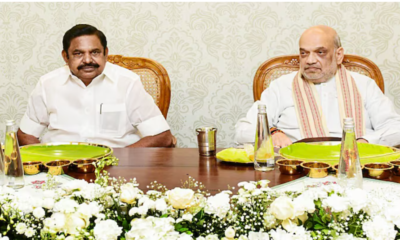
AIADMK-BJP seat-sharing talks to be finalised soon, says Edappadi K Palaniswami after Amit Shah meet
-
 India News6 hours ago
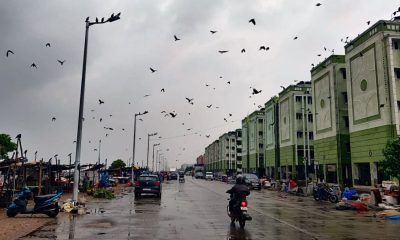
Late-March western disturbance brings 1,000-km rain band across India, Pakistan and Afghanistan
-
 Latest world news2 hours ago
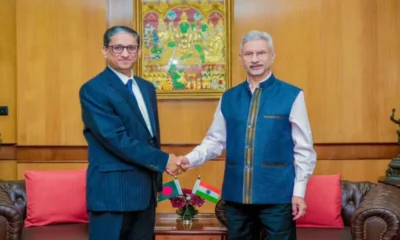
Bangladesh envoy meets S Jaishankar, Dhaka foreign minister may visit India in April
-
 Festivals2 hours ago
Eid Mubarak 2026 wishes and greetings highlight joy and togetherness
