
Top Stories
Stray dogs: Can Colombia model keep stray dogs from turning into a menace?
Colombia’s community ownership model of stray dogs can help teach India on dealing with the issues of dog menace in the country. The columbian culture promotes empathetic way of dealing with stray dogs.


By Utkarsh Tripathi
The death of a 7-month-old old infant after a stray dog attack in Noida has brought back the eternal fear of stray dogs in the country. The attack in Noida comes after a very brief lull in similar incidents most of them involving pedigreed dogs lurching at Swiggy delivery men and the such. To add insult to injury, a PETA spokesperson blamed the infant’s construction worker parents for leaving the child unattended. She is very popular among trolls as this piece is being written.
This is not to ignore the dog menace in Kerala with several videos viral showing dogs attacking or biting humans. It reached a saturation point after which multiple accounts came to light where many Keralites resorted to taking the law into their own hands, often killing the animals.
Read Also: Caught on camera: UP clerk takes bribe from farmers to prepare Samman Nidhi documents in Lalitpur
The incidents also saw advocates move the Supreme Court to allow culling of the dogs. Following such killing of dogs, the Pinarayi Vijayan government urged the people to not to resort to such behaviour. The state government also started a state-wide vaccination drive from mid-September to mid-October. It also mandated pet owners to get a pet licence from the citizen portal website.

There has been debate on the ethical way to go about dealing with it without humans turning animals. But is that the only way? The Delhi High Court had last year said RWAs should not evict strays and instead should vaccinate them and keep them. But in the North of the country where the standard reaction to a dog is “Kaatega”, there is not much hope apart from a few good samaritans, who often end up making enemies of their neighbours. Twitter user gaurav Sabnis, who gets his fair share of trolling, points to a solution.
Apart from Pablo Escobar, cocaine and Bogota’s famous bus transit system which flunked in Delhi as the BRT, the land of Simon Bolivar has a woof-olution.
Read Also: Caught on camera: UP clerk takes bribe from farmers to prepare Samman Nidhi documents in Lalitpur
Colombia model
In Colombia, stray dogs are dealt with empathy where people of a particular area take charge of providing for and sustaining the dogs. According to different accounts, stray dogs are taken care of by locals with food and other necessities. The local restaurants also help by giving the strays leftover food, hygienic mind you. Not heaps of it in the garbage!
The cultural phenomena of community ownership of dogs in different areas of Colombia help the dogs be accustomed to humans while also conditioning them not to perceive humans as threats. Community ownership also conditions stray dogs to feel comfortable in the company of humans and not resort to feral behavior to an extent.
Sabnis’s tweet thread talked about how people of Colombia said that if dogs are fed, they don’t get territorial, implying dogs felt domesticated and trained to a certain degree. In the not-very-long thread, there is a picture of a dog paying back a college canteen with leaves since the animal had seen students pay for their food!
MP shocker: Man carries newborn’s body in bike’s side-bag as hospital denies ambulance
India News
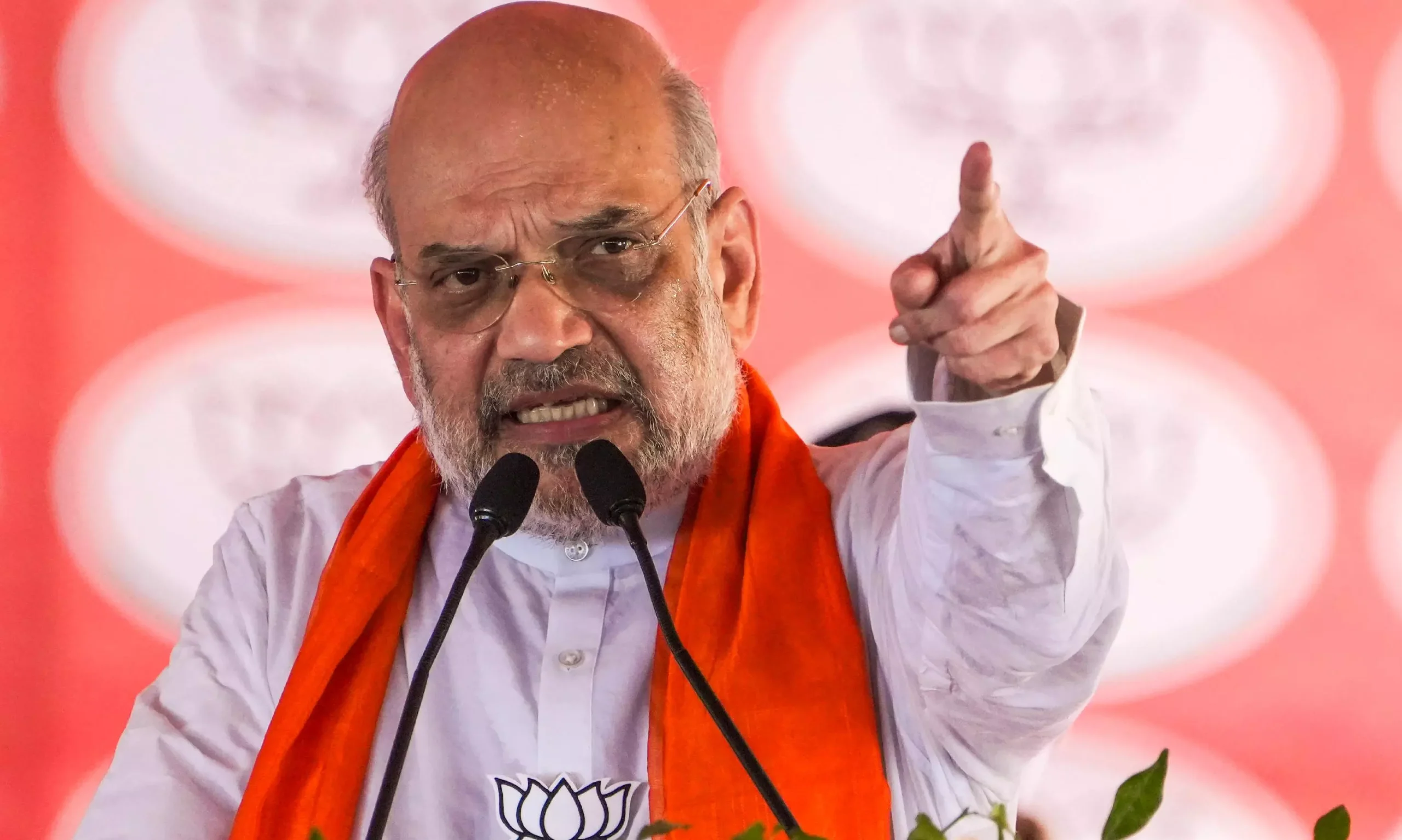
Amit Shah attacks Rahul Gandhi over Congress poll losses, questions SIR row
Union Home Minister Amit Shah criticised Rahul Gandhi over the Opposition’s allegations concerning the Special Intensive Revision (SIR) of electoral rolls. Shah argued that the Congress had been losing elections before the exercise began after 2024 and cited the BJP’s victories in Gujarat’s civic polls.

India News
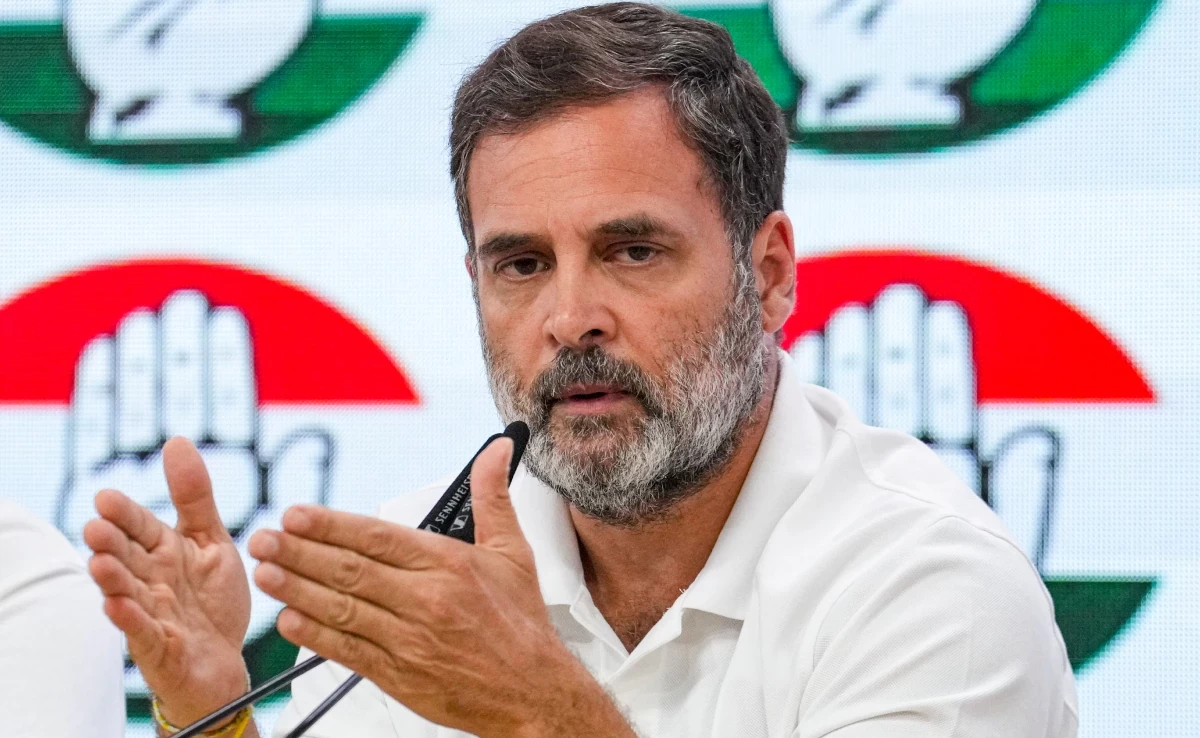
Supreme Court stays defamation case against Rahul Gandhi over PM Modi remarks
The Supreme Court has temporarily halted trial court proceedings in the criminal defamation case against Rahul Gandhi over his alleged remarks concerning Prime Minister Narendra Modi. The court has issued notices seeking responses within four weeks.
India News
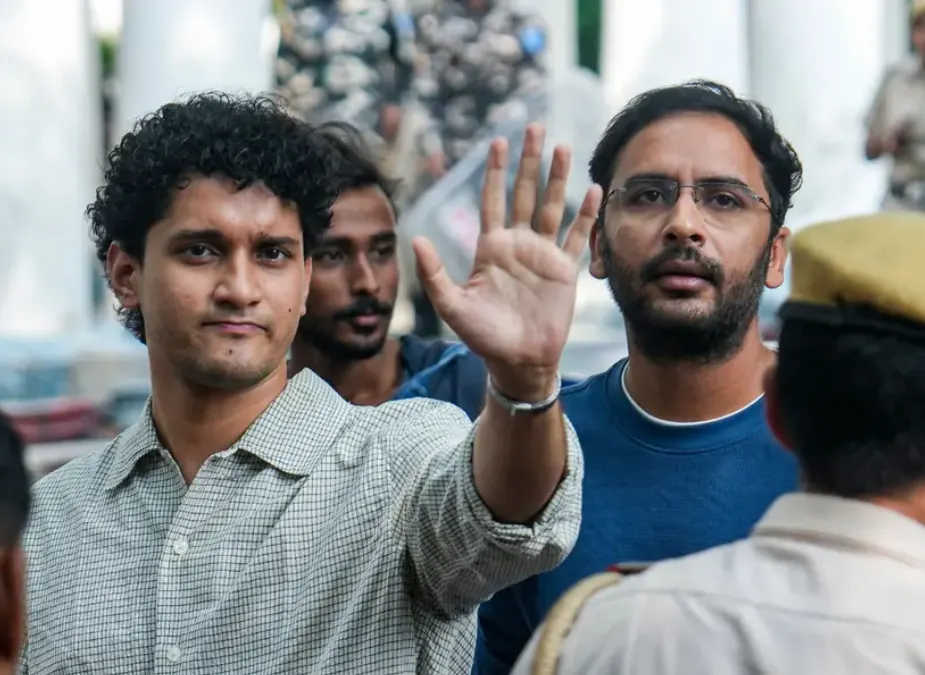
CJP claims Saurav Das, Ashutosh Ranka detained at Jantar Mantar
The Cockroach Janta Party (CJP) claimed that leaders Saurav Das and Ashutosh Ranka were detained by Delhi Police during a protest at Jantar Mantar against Chief Election Commissioner Gyanesh Kumar.

CJP claims Saurav Das, Ashutosh Ranka detained at Jantar Mantar

Supreme Court stays defamation case against Rahul Gandhi over PM Modi remarks

Rahul Gandhi hosts high tea for INDIA bloc after Gyanesh Kumar protests

L Murugan quits Union ministry to strengthen BJP in Tamil Nadu

Amit Shah attacks Rahul Gandhi over Congress poll losses, questions SIR row

BJP focuses on religion as opposition pushes BDM strategy in UP
L Murugan quits Union ministry to strengthen BJP in Tamil Nadu
Amit Shah attacks Rahul Gandhi over Congress poll losses, questions SIR row
Rahul Gandhi hosts high tea for INDIA bloc after Gyanesh Kumar protests
Supreme Court stays defamation case against Rahul Gandhi over PM Modi remarks

Afghan Men Try To Hang With The Jet Engine Of The Aircraft in Kabul- Afghanistan News – Kabul News
Trending Top 10 News: 10000 Crore Fine on Flipkart, Apple to Launch Unique Feature, Hdfc Bank Job Ad

Trending Top 10 News: Nokia 6310, Apple sales, Bachpan ka Pyar Video Kid, Dainik Bhaskar IT Raid

Trending Top 10 News: Canada bans Indian flights, Rain in Delhi NCR, AIMIM Twitter hacked, Raj Kundra case

Trending Top 10 News: Shein India, Apple New Service, Pocket Oxygen, Oppo Launched New Phone
-
 India News22 hours ago
CJP claims Saurav Das, Ashutosh Ranka detained at Jantar Mantar
-
 India News20 hours ago
Supreme Court stays defamation case against Rahul Gandhi over PM Modi remarks
-
 India News12 hours ago
Rahul Gandhi hosts high tea for INDIA bloc after Gyanesh Kumar protests
-
 India News11 hours ago
L Murugan quits Union ministry to strengthen BJP in Tamil Nadu
-
 India News11 hours ago
Amit Shah attacks Rahul Gandhi over Congress poll losses, questions SIR row
-
 India News10 hours ago
BJP focuses on religion as opposition pushes BDM strategy in UP
