English हिन्दी
Connect with us

Top Stories

PM Modi’s birthday: From gold rings to infants to distribution of 720 kg fish, special gifts by BJP’s Tamil Nadu on September 17

The government has selected RSRM hospital for this scheme.

Published

on

PM Modi's birthday: From gold rings to infants to distribution of 720 kg fish, special gifts by BJP's Tamil Nadu on September 17

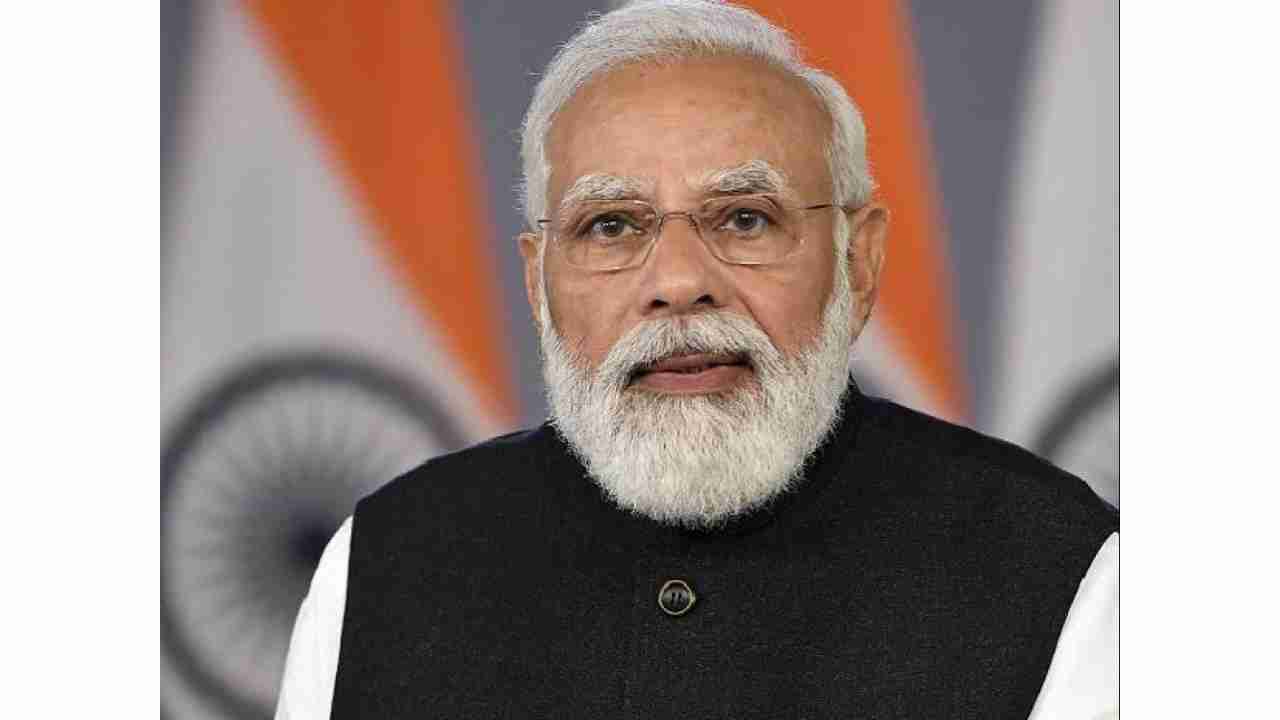
The Bharatiya Janata Party of Tamil Nadu will celebrate Prime Minister Narendra Modi’s birthday in a unique way on September 17. The BJP government has announced that it will gift a gold ring to each infant born on PM Modi’s birthday. The government will also distribute 720 kilograms of fish under this scheme.

The government has selected RSRM hospital for this scheme. The state’s minister L Murugan said every ring will weigh 2 grams which is about Rs 5,000. He, however, said it isn’t a freebie but the party just wants to welcome the newborns. According to the reports, around 10-15 infants are expected to be born at this hospital on September 17.
For distribution of fish, MK Stalin’s constituency has been selected, said Murugan. Since Modi will turn 72 years old, the party has decided to distribute 720 kg of fish. The reason for the distribution of fish is to enhance its consumption.

Fisheries Minister said the Pradhan Mantri Matsya Sampada Yojna (PMMSY) scheme encourages fish consumption and so, we are distributing it. Modi’s birthday will also be marked as a coastal clean-up day.

Arun Singh, the national president of the party, stated on August 30 that all the states have been asked to observe the day as Sewa Pakhwada, similar to the events planned in previous years. Its activities include medical check-up camps and blood donations, among others. Cake cutting and organizing of havans are absolutely forbidden by the party’s leadership.

Latest world news

US strikes Iranian missile sites near Hormuz with 5,000-pound bunker buster bombs

US forces hit Iranian missile positions near the Strait of Hormuz using deep penetrator bombs to counter threats to global shipping.

Published

on

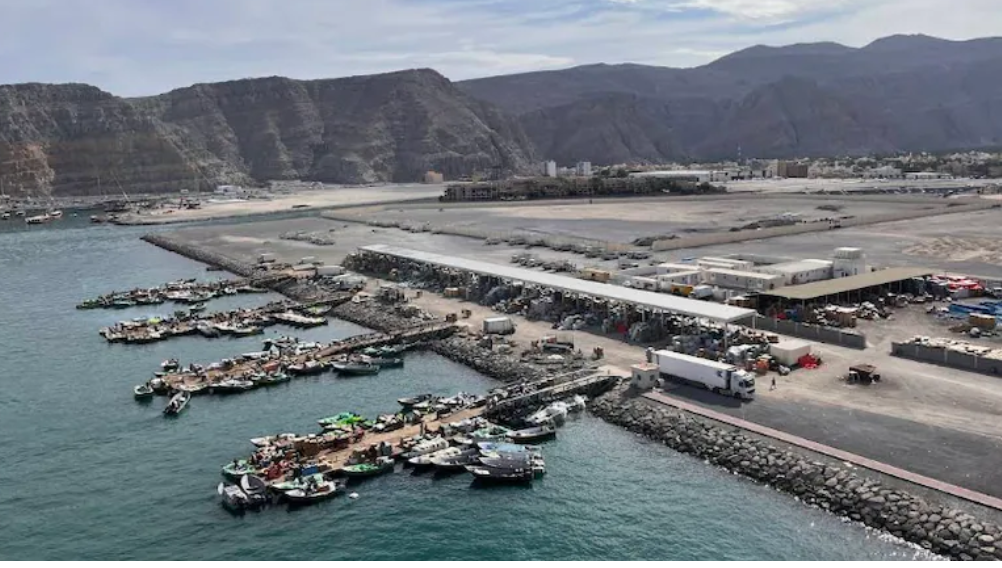
In a major escalation aimed at restoring maritime movement, the United States has carried out airstrikes on Iranian missile positions near the Strait of Hormuz using powerful deep-penetration bombs.

The US military confirmed that multiple 5,000-pound bunker buster munitions were used to target hardened missile infrastructure along Iran’s coastline. According to an official statement, the sites housed anti-ship cruise missiles that posed a significant threat to international shipping in the strategic waterway.

The strikes mark the first major US military action to reopen the Strait of Hormuz after Iran reportedly shut it down in response to the ongoing conflict involving the United States and Israel.

Strait disruption triggers global concern

The Strait of Hormuz is a critical global النفط transit route, with nearly one-fifth of the world’s oil supply passing through it. Its closure has severely disrupted shipping activity and triggered a sharp rise in global energy prices.

The US action appears to be aimed at neutralising immediate threats to vessels and restoring safe passage through the region.

Allies reluctant to back US move

The development comes amid reports that several US allies, including NATO members, have declined calls from President Donald Trump to support efforts to secure the strait.

Expressing frustration, Trump criticised allies for not contributing even limited resources such as minesweepers, despite longstanding US support to NATO. He maintained that preventing Iran from acquiring nuclear weapons remains a priority for global security.

However, Iran has consistently denied pursuing nuclear weapons, stating that its nuclear programme is intended solely for peaceful purposes, including energy production.

Use of bunker buster bombs

The bombs used in the operation are designed to destroy fortified or deeply buried targets. These 5,000-pound munitions, often referred to as bunker busters, are capable of penetrating hardened structures before detonation.

While powerful, they are smaller compared to the 30,000-pound bombs reportedly used by the US in previous strikes on Iranian nuclear facilities.

Continue Reading

Latest world news

Top US counterterrorism official resigns over Iran war, cites conscience

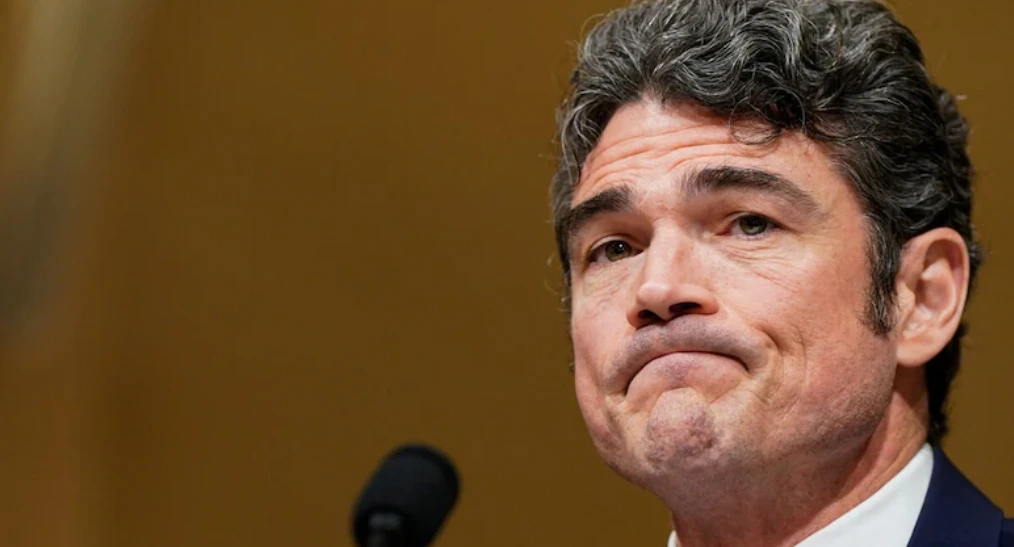
Joseph Kent steps down as US counterterrorism chief, questioning the justification for the Iran war and citing moral concerns.
Published

on

Trump official resigns

A senior US national security official has stepped down in protest against the ongoing war with Iran, citing moral concerns and disagreement with the administration’s decision.

Joseph Kent, who headed the National Counterterrorism Center, resigned from his post, stating he could not support the conflict “in good conscience.” In his resignation letter, Kent argued that Iran did not pose an “imminent threat” to the United States.

He also alleged that external pressure, particularly from Israel and influential pro-war voices, played a role in shaping the decision to enter the conflict under President Donald Trump.

“I cannot in good conscience support the ongoing war in Iran,” Kent wrote, adding that the US had been drawn into the conflict despite a lack of direct threat.

Kent further claimed that a “misinformation campaign” by senior Israeli officials and sections of the American media contributed to building support for military action. According to him, this created an “echo chamber” that influenced the president’s perception of Iran as an immediate danger.

In his letter, Kent said that until mid-2025, Trump had acknowledged that prolonged wars in the Middle East had drained US resources and cost lives. However, he suggested that this position shifted under sustained pressure and messaging.

He urged the president to reconsider the course of action, warning that the conflict could push the country toward instability. “You can reverse course and chart a new path for our nation, or allow us to slip further toward decline and chaos,” he wrote.

Kent’s resignation marks the first high-level departure from the administration directly linked to the Iran war.

As head of the National Counterterrorism Center, Kent was responsible for analysing and monitoring terrorist threats. His tenure, however, had been controversial. He was confirmed to the role last year by a narrow Senate vote, facing strong opposition from Democrats over his past associations.

Critics had raised concerns about his links to far-right figures and his stance on conspiracy theories. During his earlier political campaign, Kent had professional associations with individuals connected to extremist groups, which became a point of contention during his confirmation hearings.

Continue Reading

India News

Centre assures action on LPG supply disruption, court closes distributors’ plea

The Bombay High Court closed a plea by LPG distributors after the Centre assured diplomatic efforts to stabilise supply amid global disruptions.

Published

on

LPG cylinder

The Union government on Tuesday informed the Bombay High Court that it is taking diplomatic steps to address disruptions in Liquefied Petroleum Gas (LPG) supply linked to the ongoing Iran-Israel conflict, following which the court disposed of a petition filed by LPG distributors.

Appearing before the Nagpur bench, Solicitor General Tushar Mehta said the Centre was actively engaged in international-level negotiations to stabilise LPG supply. However, he noted that specific measures could not be disclosed due to their sensitive nature.

The matter was heard by a division bench comprising Justices Anil S Kilor and Raj D Wakode. The bench accepted the government’s assurances and closed the plea.

Distributors flagged supply disruption in Vidarbha

The petition was filed by six LPG distributors, including Omkar Sales, who raised concerns over disruptions in supply chains across Maharashtra’s Vidarbha region. They claimed the situation had led to a significant shortage of LPG for domestic consumers.

The distributors, dependent on Confidence Petroleum India Ltd (CPIL), alleged that despite directives prioritising domestic consumption, LPG was being diverted for export to capitalise on high international prices.

Government cites policy compliance, CPIL denies diversion

The petitioners referred to recent orders issued under the Essential Commodities Act and the Natural Gas (Supply Regulation) Order, 2026, which mandate prioritising household LPG supply during crises.

However, CPIL rejected the allegations, stating it was fulfilling pre-existing export commitments and had not violated any policy norms.

Court had earlier termed issue ‘serious’

During earlier hearings, the court had described the matter as “serious” and of “grave importance”, issuing notices to the Centre and the Ministry of Petroleum and Natural Gas.

On Tuesday, the Centre reiterated that macro-level supply challenges arising from global geopolitical tensions were being handled through diplomatic channels. It also said that any localised supply issues could be resolved by state authorities.

Taking note of these submissions, the bench disposed of the petition.

Continue Reading

Trending

© Copyright 2022 APNLIVE.com