
Latest world news
Afghanistan: Daesh controls two districts, Islamabad supports terror group

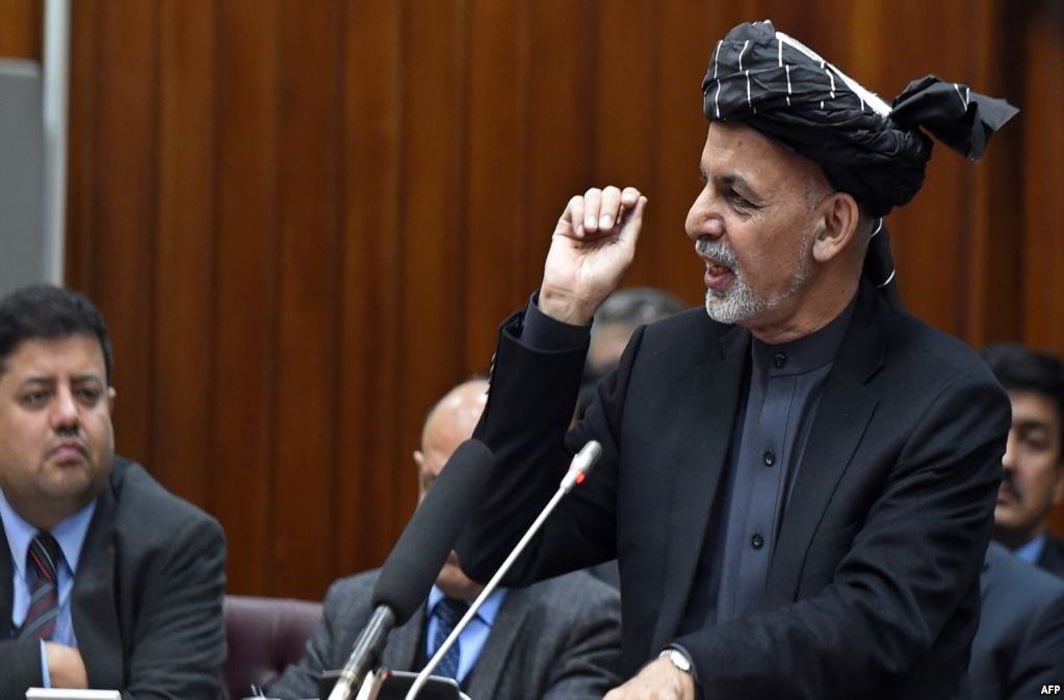
Foreign terrorists enter Afghanistan through Tajikistan, says report
After being defeated badly in Syria and Iraq, the dreaded terrorist organization Daesh (IS) is now strengthening its positions in Afghanistan. The officials have revealed that all villages of the Darzab and Qosh Tepa districts of Jawzjan province were controlled by the Daesh terrorists while security forces hold handful of checkpoints and few government buildings. Afghan officials blame Pakistan for financially supporting and providing arms to the terror group.
According to Afghanistan Times, Baz Mohammad Dawar, the district governor of Darbaz told this on Tuesday. He said, “Only the buildings of the police department and the district office are still controlled by the government and the rest are under Daesh control.”
He also said that the local people have moved to the Sheberghan city, the provincial capital and have been waiting for army operations to “take back the areas”.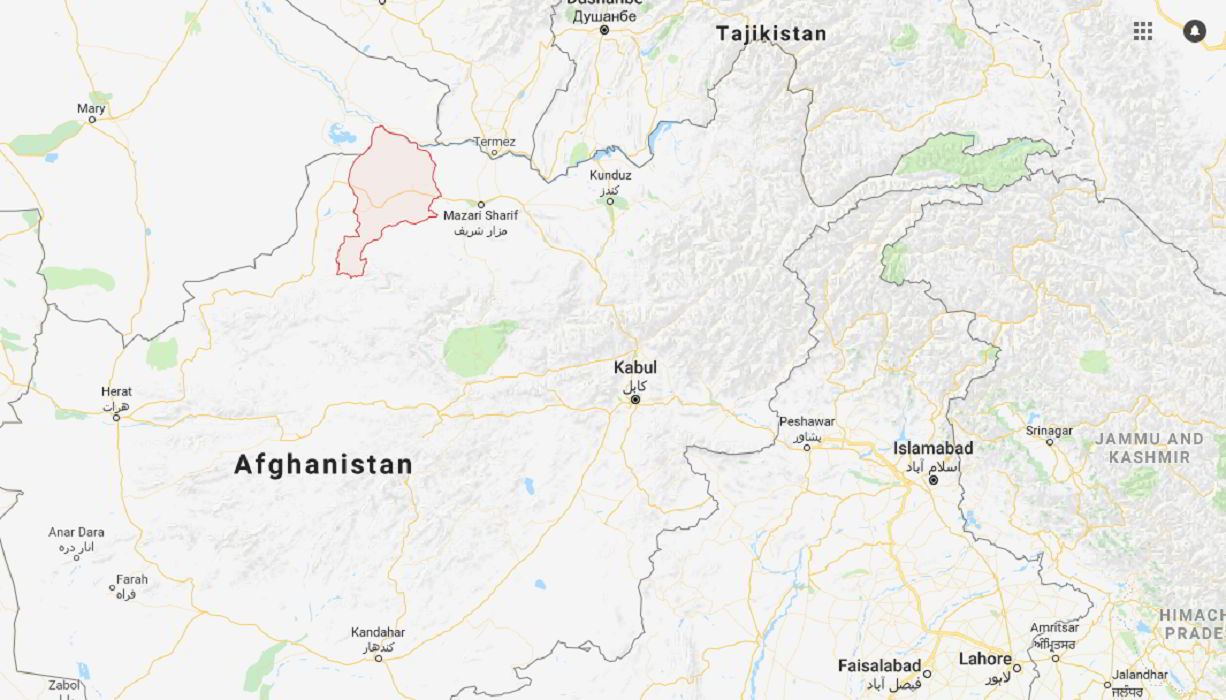
Dawar has further revealed that Daesh command centers were situated in Sardara, Golkhani and Moghul villages from where the terror group launch attacks on other nearby areas.
Meanwhile, Rahmatullah Kohestani, provincial police chief has reportedly said, “There are French, Chechen and even German terrorists in Darzab and Qosh Tepa, while the Uzbek terrorists who are the fighters of Taher Yoldash are living along with their families.” He further said that the terrorists buy foodstuff in the local markets and arms and money come to them from Pakistan.
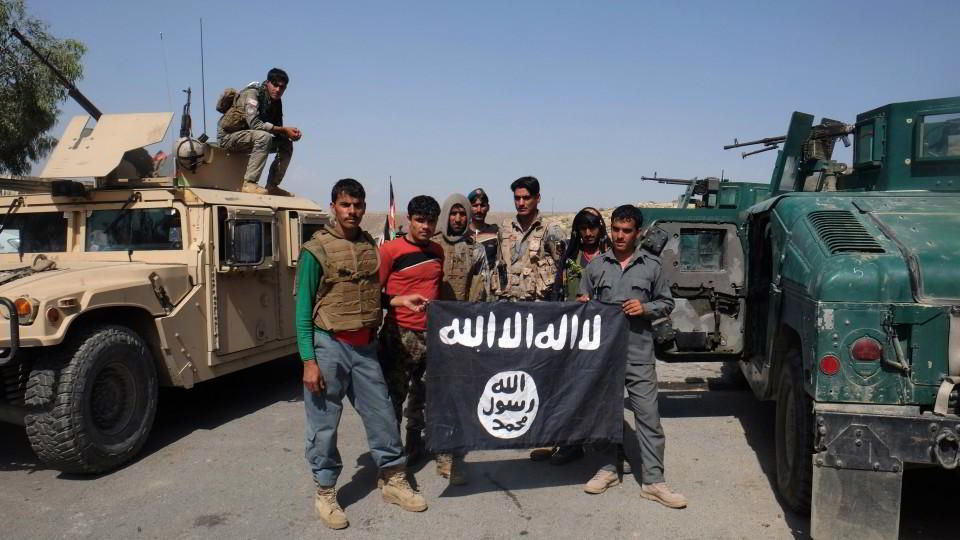 The villagers have claimed of having seen terrorists from France and Algeria who have reportedly entered the province from Tajikistan.
Daesh terrorists have reportedly closed schools in the districts and their fighters were recruiting locals to train them for suicide attacks.
Meanwhile, the country’s Interior ministry has claimed that that army began its operations on Tuesday to retake the areas from Daesh terrorists.
In June 2015, Aimal Faizi, spokesman to the former President Hamid Karzai claimed in an article published by BBC that Daesh in Afghanistan is the creation of Islamabad to gain access to the energy-rich Central Asia, China and Russia. He also blamed local media outlets for not differentiating news from propaganda and promoting terrorist group. Hamid Karzai was President of Afghanistan from December 2001 to September 2014.







Latest world news
Magnitude 7 earthquake strikes Tibet after floods
A magnitude 7 earthquake struck northern Tibet on Thursday, October 22. The tremor came weeks after deadly flash floods and landslides hit the mountainous region near the Nepal-China border. Initial reports did not confirm casualties or damage from the earthquake.


Latest world news
Macron rejects Trump’s immigration claims over France riots
French President Emmanuel Macron criticised Donald Trump and other foreign leaders over their comments on France’s recent unrest. Macron rejected claims that the country was being overrun by migrants and Islamists, calling such assertions false.

Latest world news
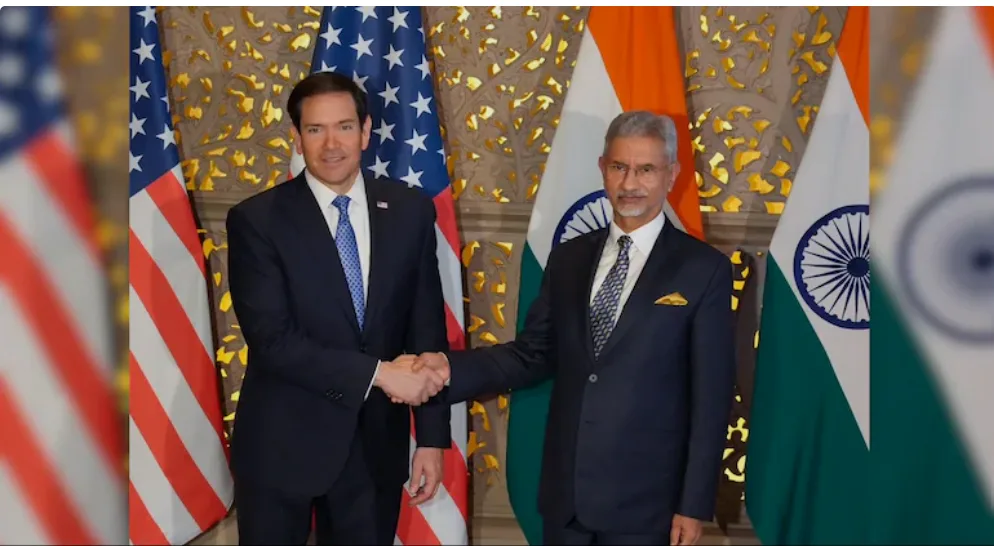
Marco Rubio says India and US share extraordinary alignment on key issues
US Secretary of State Marco Rubio said India and the United States share an extraordinary alignment on core issues, even though disagreements between the two countries may arise.

Punjab strike hits public services as 3 lakh employees and roadways workers protest

Two election commissioners complained against senior poll officer, RTI reveals

Om Prakash Mathur sworn in as Keralam Governor

PM Modi to inaugurate Rs 169-crore RBI data centre in Odisha on October 25

Delhi High Court rejects Neha Bora’s plea against peace bond notice

MEA responds after ITBP chief flags ongoing face-offs with China in Arunachal
Delhi High Court rejects Neha Bora’s plea against peace bond notice
PM Modi to inaugurate Rs 169-crore RBI data centre in Odisha on October 25
Om Prakash Mathur sworn in as Keralam Governor
Two election commissioners complained against senior poll officer, RTI reveals

Afghan Men Try To Hang With The Jet Engine Of The Aircraft in Kabul- Afghanistan News – Kabul News
Trending Top 10 News: 10000 Crore Fine on Flipkart, Apple to Launch Unique Feature, Hdfc Bank Job Ad

Trending Top 10 News: Nokia 6310, Apple sales, Bachpan ka Pyar Video Kid, Dainik Bhaskar IT Raid

Trending Top 10 News: Canada bans Indian flights, Rain in Delhi NCR, AIMIM Twitter hacked, Raj Kundra case

Trending Top 10 News: Shein India, Apple New Service, Pocket Oxygen, Oppo Launched New Phone
-
 India News24 hours ago
Punjab strike hits public services as 3 lakh employees and roadways workers protest
-
 India News23 hours ago
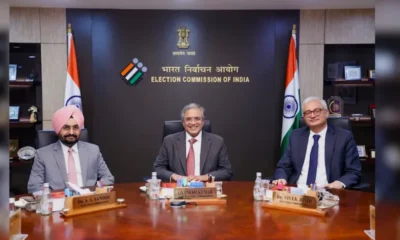
Two election commissioners complained against senior poll officer, RTI reveals
-
 India News12 hours ago
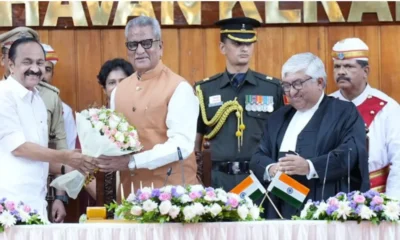
Om Prakash Mathur sworn in as Keralam Governor
-
 India News12 hours ago
PM Modi to inaugurate Rs 169-crore RBI data centre in Odisha on October 25
-
 India News11 hours ago
Delhi High Court rejects Neha Bora’s plea against peace bond notice
-
 India News10 hours ago
MEA responds after ITBP chief flags ongoing face-offs with China in Arunachal
