
Latest world news
Imran Khan:Pakistan values ties with China,Saudi Arabia


New PM meets Chinese FM and Saudi Info Minister
Amidst Pakistan’s cricket turned politician Prime Minister Imran Khan’s ongoing engagements setting domestic goals and country’s foreign policy, Islamabad hosted dignitaries from it’s traditionally important allies; China and Saudi Arabia on Sunday.
According to Dawn, the Chinese State Councillor and Foreign Minister Wang Yi and Saudi Minister for Information Dr Awwad bin Saleh Al Awwad called on Prime Minister Imran Khan and reiterated importance of their ties with Pakistan.
The Chinese Foreign Minister, who was accompanied with a high-level delegation including three vice ministers, congratulated Khan on his assumption of the office and conveyed the desire of the Chinese leadership to work with the new government for further enhancing the strategic partnership between the two counties.
Read More: Spy chiefs of Russia, China, Iran and Pakistan to counter terror in Afghanistan
Wang underscored the significance of the bilateral ties which served as a model of friendship in interstate relations. He underscored the significance of China-Pakistan Economic Corridor (CPEC) for mutual benefit of the both countries.
 In response, Imran Khan reiterated that friendship with China was a cornerstone of Pakistan’s foreign policy and thanked Chinese Premier Li Keqiang for his congratulatory telephone call and extending invitation. He said that he look forward to the visit and meetings with the Chinese leadership. Khan reiterated his government’s commitment for implementation of CPEC.
Read More: China proposes trilateral summit with India, Pakistan
During his meeting with Saudi Arabia’s Information Minister Dr Awwad bin Saleh Al Awwad Pakistan’s PM underscored the strong bilateral relations and expressed satisfaction at the pace of progress in this direction. He called for sustaining the momentum through tangible progress on areas identified for the future cooperation.
PM Khan invited greater investment by Saudi public and private sectors in petroleum, energy, livestock and agriculture sectors in his country. He also emphasized the need for addressing the current imbalance in bilateral trade between the two countries, which is now in favor of Saudi Arabia.
 Saudi Arabia’s Information Minister arrived in Islamabad on Friday on a two-day visit. During his stay he called on President Arif Alvi, National Assembly Speaker Asad Qaisar, Foreign Minister Shah Mehmood Qureshi and Chief of the Army Staff Gen Qamar Javed Bajwa, besides having a meeting with Federal Minister for Information and Broadcasting Fawad Chaudhry.
Read More: Pakistan: Caught in the Iran vs Saudi Arabia great game
According to Associated Press of Pakistan (APP), the Saudi minister termed his visit very fruitful for having met the top civil and military leadership of the country.
Before leaving for home, Dr Awwad said that the two countries enjoyed unique and special relationship and expressed hope that his visit to this “brotherly country” would further strengthen the ties.
According to PPI, a delegation led by the Chinese foreign minister met Chief of the Army Staff (COAS) Gen Qamar Bajwa and discussed matters related to regional security and bilateral cooperation. He said that the ties were based on convergence of views and mutual respect.
Wang said the world should acknowledge Pakistan’s efforts towards regional peace and stability and appreciated security provided to CPEC.







Latest world news
Fire near Dubai International Airport after drone incident, flights temporarily suspended
Flights at Dubai International Airport were temporarily suspended after a drone-related incident caused a fuel tank fire near the facility. Authorities confirmed the blaze was contained and no injuries were reported.


Latest world news
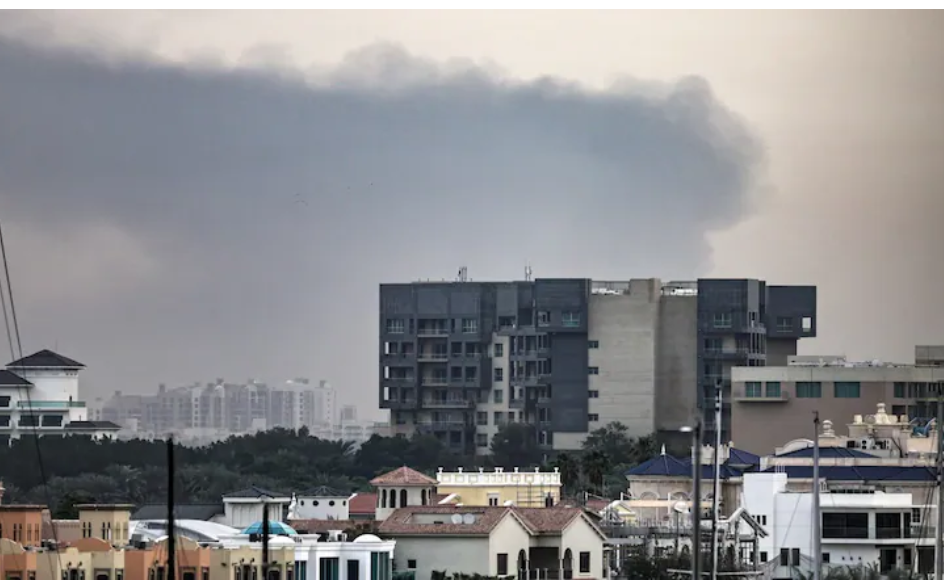
Dubai hit again within 24 hours as debris strikes building, drone targets US embassy in Baghdad
A building in Dubai’s financial hub was struck by debris from an intercepted attack while a drone targeted the US embassy in Baghdad, officials said.
Latest world news
US KC-135 refuelling aircraft crashes in Iraq amid ongoing Iran war
A US KC-135 refuelling aircraft crashed in western Iraq during the ongoing Iran war, marking the fourth American aircraft lost in the conflict, according to the US military.


BJP releases first list of 47 candidates for Kerala assembly polls

Pakistan airstrike allegations on Kabul hospital leave hundreds dead, claims Taliban

Om Birla likely to move motion to revoke suspension of 8 opposition MPs today

Mamata Banerjee writes to poll chief over officers’ reshuffle, calls move arbitrary

Maharashtra passes freedom of religion bill with jail term up to 10 years
Om Birla likely to move motion to revoke suspension of 8 opposition MPs today
Maharashtra passes freedom of religion bill with jail term up to 10 years
Mamata Banerjee writes to poll chief over officers’ reshuffle, calls move arbitrary
Pakistan airstrike allegations on Kabul hospital leave hundreds dead, claims Taliban
BJP releases first list of 47 candidates for Kerala assembly polls

Afghan Men Try To Hang With The Jet Engine Of The Aircraft in Kabul- Afghanistan News – Kabul News
Trending Top 10 News: 10000 Crore Fine on Flipkart, Apple to Launch Unique Feature, Hdfc Bank Job Ad

Trending Top 10 News: Nokia 6310, Apple sales, Bachpan ka Pyar Video Kid, Dainik Bhaskar IT Raid

Trending Top 10 News: Canada bans Indian flights, Rain in Delhi NCR, AIMIM Twitter hacked, Raj Kundra case

Trending Top 10 News: Shein India, Apple New Service, Pocket Oxygen, Oppo Launched New Phone
-
 India News22 hours ago
BJP releases first list of 47 candidates for Kerala assembly polls
-
 India News8 hours ago
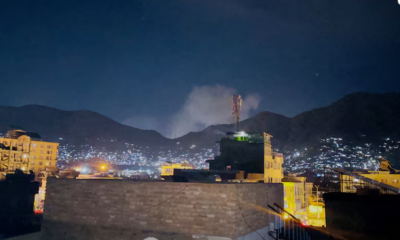
Pakistan airstrike allegations on Kabul hospital leave hundreds dead, claims Taliban
-
 India News7 hours ago
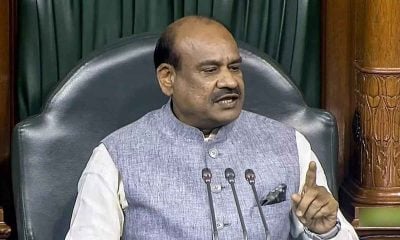
Om Birla likely to move motion to revoke suspension of 8 opposition MPs today
-
 India News8 hours ago
Mamata Banerjee writes to poll chief over officers’ reshuffle, calls move arbitrary
-
 India News8 hours ago
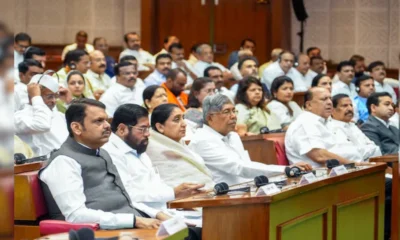
Maharashtra passes freedom of religion bill with jail term up to 10 years
