English हिन्दी
Connect with us

Latest world news

PM Modi and Netanyahu pledge deeper defence, trade ties during Israel visit

PM Narendra Modi and Benjamin Netanyahu pledged to deepen defence, trade and connectivity ties during Modi’s visit to Israel, with missile deals and IMEC discussions on the agenda.

Published

on

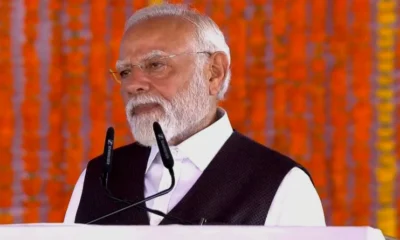
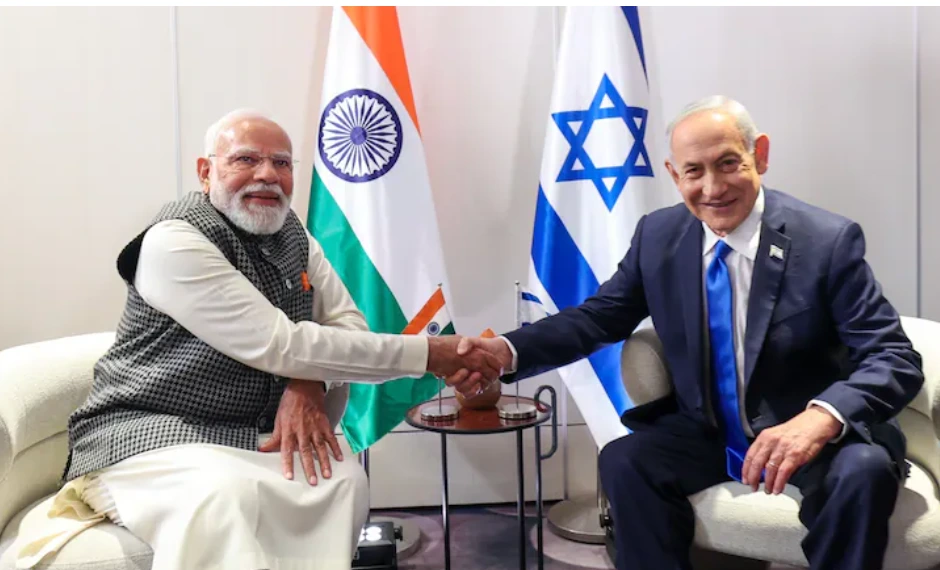
Prime Minister Narendra Modi and Israeli Prime Minister Benjamin Netanyahu have reaffirmed their commitment to strengthening defence, trade and security cooperation, marking a significant step forward in India-Israel relations during Mr Modi’s visit to Tel Aviv.

Addressing Israel’s parliament, the Knesset, Mr Modi described defence cooperation as an “important pillar” of the bilateral partnership and stressed the need for closer collaboration in an increasingly uncertain global environment.

“In today’s uncertain world, a strong defence partnership between trusted partners like India and Israel is of vital importance,” he said.

Defence deal likely on agenda

During the visit — Mr Modi’s first to Israel in nine years — discussions are expected to include a major order for Israeli-made missile systems. An official in New Delhi familiar with the matter indicated that details of the potential deal may not be publicly disclosed, as both governments are keen to keep the spotlight on broader strategic ties.

India’s Ministry of External Affairs has not commented on the reported missile purchase.

Israel has long been among India’s key arms suppliers. Over the years, the defence relationship has evolved into joint manufacturing projects, including drones and missile systems. Ahead of the visit, Israel’s Ambassador to India, Reuven Azar, said both sides are working towards a more comprehensive defence and security framework that could open doors for cooperation on more sensitive projects.

Focus on trade and investment

Trade and investment featured prominently in the leaders’ discussions. Mr Modi said both governments are committed to expanding bilateral trade, boosting investment flows and promoting joint infrastructure projects.

Israeli negotiators recently travelled to India to begin formal talks on a proposed free-trade agreement, building on terms agreed in November. Such a pact could provide Israel greater access to one of the world’s fastest-growing economies.

According to Israel’s Economy and Industry Ministry, India is Israel’s second-largest trading partner in Asia, with bilateral trade estimated at $5 billion in 2025, excluding defence transactions.

India is also the largest buyer of Israeli defence equipment, accounting for up to 34% of Israel’s total arms exports, according to data from the Stockholm International Peace Research Institute.

Regional security and Gaza ceasefire

The visit comes amid shifting regional alliances and ongoing security challenges. Referring to last year’s ceasefire in Gaza, Mr Modi said the truce created an opportunity for closer cooperation.

He also welcomed the US-brokered peace plan for Gaza, later endorsed by the United Nations, saying it holds the promise of a just and durable peace, including progress on the Palestine issue. However, uncertainty remains over the future of the truce with Hamas, with key governance and security questions yet to be resolved.

Strategic observers note that both leaders see their countries as operating in complex neighbourhoods marked by security threats and geopolitical shifts.

Connectivity push through IMEC

Connectivity initiatives also featured in the discussions. Mr Netanyahu told the Knesset that India and Israel are working on developing a maritime and land corridor linking India to Israel’s port of Haifa and onward to Europe.

The plan builds on the India-Middle East-Europe Economic Corridor initiative unveiled in September 2023. Although the outbreak of the Israel-Hamas conflict soon after raised concerns about the project’s future, Israeli officials have indicated that the corridor remains viable.

Haifa port, partly acquired by India’s Adani Group, is expected to play a key role as the Mediterranean endpoint of the corridor.

As India and Israel seek to reinforce strategic, economic and security ties, the visit underlines the growing convergence between New Delhi and Tel Aviv in defence, trade and regional connectivity.

Latest world news

Netanyahu dismisses death rumours in video with US envoy, says I’m alive

Israel PM Benjamin Netanyahu has denied viral claims about his death, appearing in a video with US envoy Mike Huckabee and mocking online conspiracy theories.
Published

on

PM Benjamin Netanyahu

Israeli Prime Minister appears alongside US envoy, addresses conspiracy theories and ongoing conflict remarks

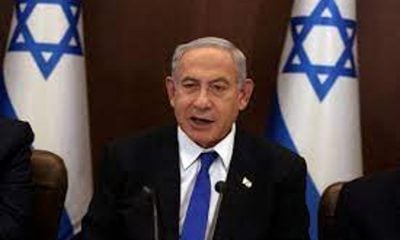
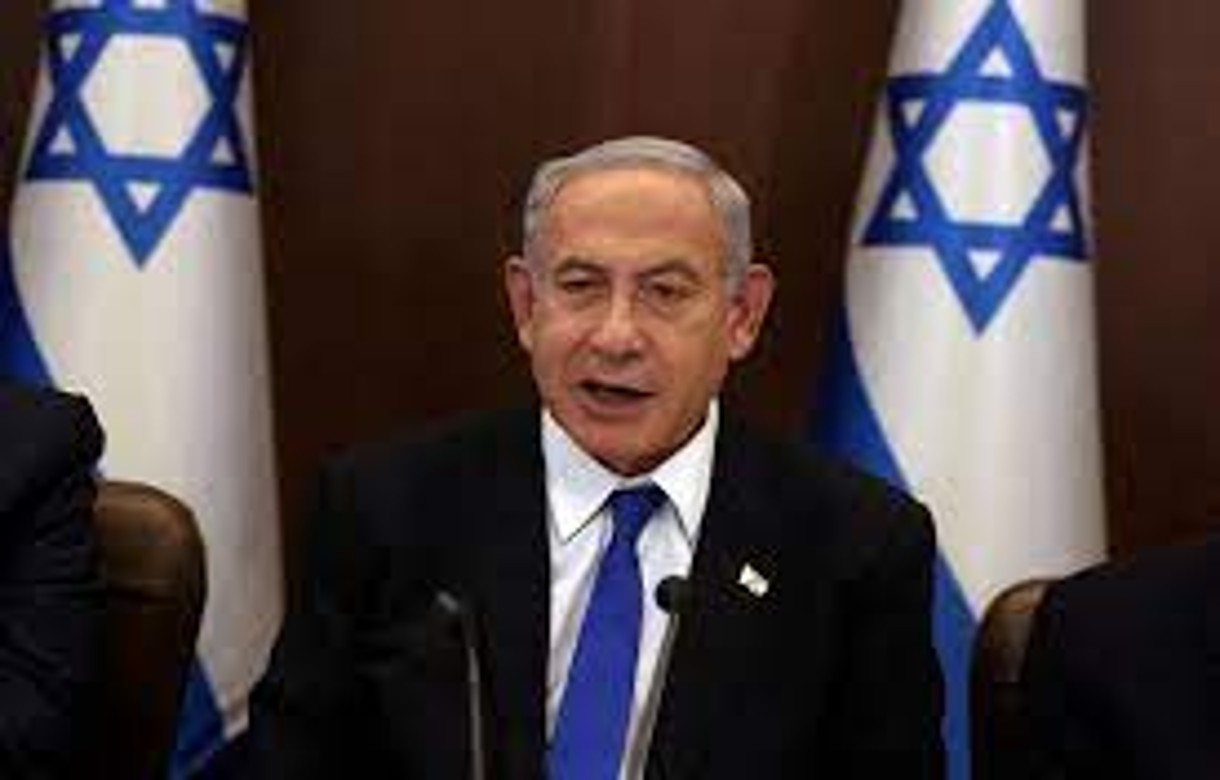
Israel’s Prime Minister Benjamin Netanyahu has publicly dismissed viral rumours about his death, appearing in a fresh video alongside US Ambassador to Israel Mike Huckabee.

The video surfaced after days of speculation online, where misleading posts questioned his absence and circulated claims about altered footage showing him with “six fingers.”

In the clip, Huckabee jokes that US President Donald Trump had asked him to personally check on Netanyahu. Responding with humour, Netanyahu says, “Yes, Mike. Yes, I’m alive.”

Rumours and online claims gain traction

Speculation had intensified across social media as tensions escalated between Israel and Iran.

Some posts claimed Netanyahu had not been seen publicly, while others pointed to a previous video where his hand appeared unusual, fuelling conspiracy theories about manipulated or AI-generated footage.

Remarks on iran conflict

During the interaction, Netanyahu also made comments referencing Israeli strikes, mentioning Iranian figures including Ali Larijani and Basij commander Gholamreza Soleimani.

Using a metaphorical tone, he spoke about “erasing names” from a list, while praising US support and reiterating Israel’s stance against Iran’s nuclear ambitions.

Huckabee responded in a lighter tone, joking that his own name was not on the list, to which Netanyahu replied that he was among the “good guys.”

Earlier video mocked conspiracy

Before releasing this clip, Netanyahu had already addressed the rumours in another video posted online. Sitting at a café, he joked about being “dead for coffee,” using a phrase implying strong liking.

He also directly responded to the “six fingers” claim by showing both hands to the camera and inviting viewers to count his fingers.

The videos appear aimed at countering misinformation circulating online as geopolitical tensions continue in the region.

Continue Reading

Latest world news

US strikes Iranian missile sites near Hormuz with 5,000-pound bunker buster bombs

US forces hit Iranian missile positions near the Strait of Hormuz using deep penetrator bombs to counter threats to global shipping.
Published

on

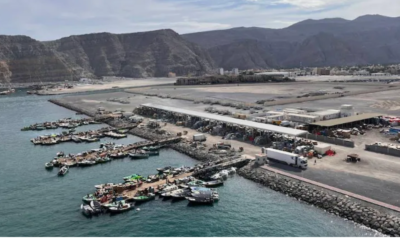
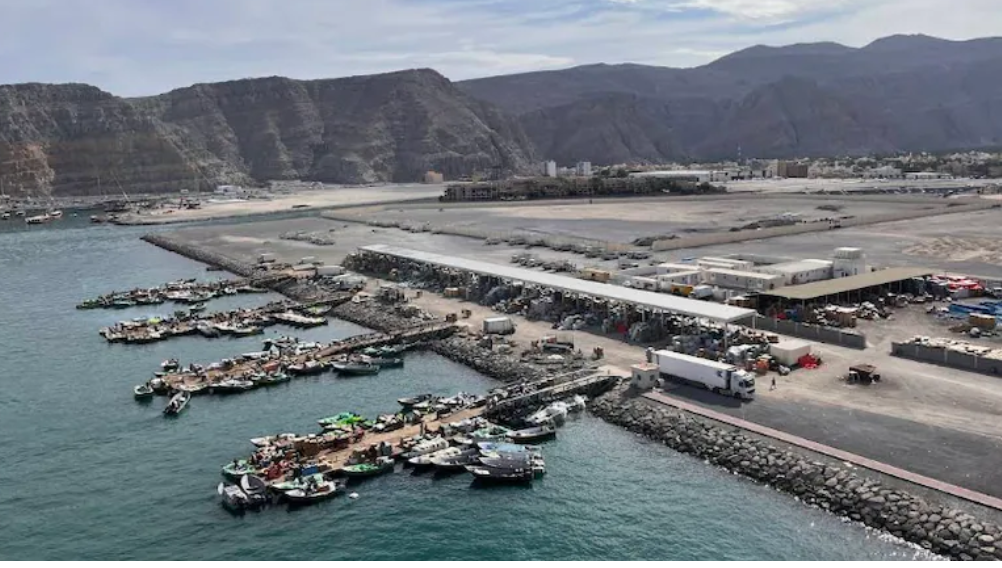
In a major escalation aimed at restoring maritime movement, the United States has carried out airstrikes on Iranian missile positions near the Strait of Hormuz using powerful deep-penetration bombs.

The US military confirmed that multiple 5,000-pound bunker buster munitions were used to target hardened missile infrastructure along Iran’s coastline. According to an official statement, the sites housed anti-ship cruise missiles that posed a significant threat to international shipping in the strategic waterway.

The strikes mark the first major US military action to reopen the Strait of Hormuz after Iran reportedly shut it down in response to the ongoing conflict involving the United States and Israel.

Strait disruption triggers global concern

The Strait of Hormuz is a critical global النفط transit route, with nearly one-fifth of the world’s oil supply passing through it. Its closure has severely disrupted shipping activity and triggered a sharp rise in global energy prices.

The US action appears to be aimed at neutralising immediate threats to vessels and restoring safe passage through the region.

Allies reluctant to back US move

The development comes amid reports that several US allies, including NATO members, have declined calls from President Donald Trump to support efforts to secure the strait.

Expressing frustration, Trump criticised allies for not contributing even limited resources such as minesweepers, despite longstanding US support to NATO. He maintained that preventing Iran from acquiring nuclear weapons remains a priority for global security.

However, Iran has consistently denied pursuing nuclear weapons, stating that its nuclear programme is intended solely for peaceful purposes, including energy production.

Use of bunker buster bombs

The bombs used in the operation are designed to destroy fortified or deeply buried targets. These 5,000-pound munitions, often referred to as bunker busters, are capable of penetrating hardened structures before detonation.

While powerful, they are smaller compared to the 30,000-pound bombs reportedly used by the US in previous strikes on Iranian nuclear facilities.

Continue Reading

Latest world news

Top US counterterrorism official resigns over Iran war, cites conscience

Joseph Kent steps down as US counterterrorism chief, questioning the justification for the Iran war and citing moral concerns.
Published

on

Trump official resigns

A senior US national security official has stepped down in protest against the ongoing war with Iran, citing moral concerns and disagreement with the administration’s decision.

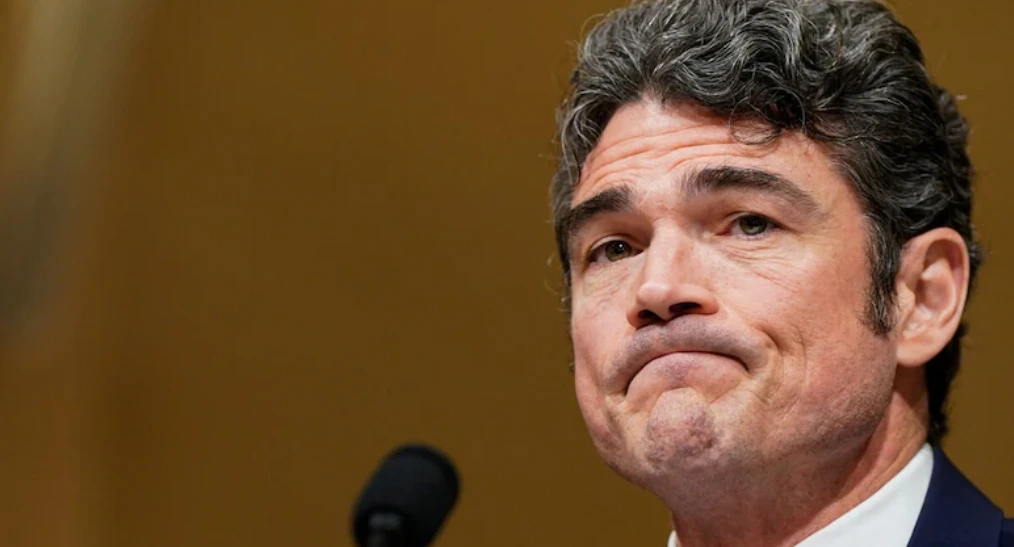
Joseph Kent, who headed the National Counterterrorism Center, resigned from his post, stating he could not support the conflict “in good conscience.” In his resignation letter, Kent argued that Iran did not pose an “imminent threat” to the United States.

He also alleged that external pressure, particularly from Israel and influential pro-war voices, played a role in shaping the decision to enter the conflict under President Donald Trump.

“I cannot in good conscience support the ongoing war in Iran,” Kent wrote, adding that the US had been drawn into the conflict despite a lack of direct threat.

Kent further claimed that a “misinformation campaign” by senior Israeli officials and sections of the American media contributed to building support for military action. According to him, this created an “echo chamber” that influenced the president’s perception of Iran as an immediate danger.

In his letter, Kent said that until mid-2025, Trump had acknowledged that prolonged wars in the Middle East had drained US resources and cost lives. However, he suggested that this position shifted under sustained pressure and messaging.

He urged the president to reconsider the course of action, warning that the conflict could push the country toward instability. “You can reverse course and chart a new path for our nation, or allow us to slip further toward decline and chaos,” he wrote.

Kent’s resignation marks the first high-level departure from the administration directly linked to the Iran war.

As head of the National Counterterrorism Center, Kent was responsible for analysing and monitoring terrorist threats. His tenure, however, had been controversial. He was confirmed to the role last year by a narrow Senate vote, facing strong opposition from Democrats over his past associations.

Critics had raised concerns about his links to far-right figures and his stance on conspiracy theories. During his earlier political campaign, Kent had professional associations with individuals connected to extremist groups, which became a point of contention during his confirmation hearings.

Continue Reading

Trending

© Copyright 2022 APNLIVE.com