
Latest world news
Mugabe denies to resign, may face impeachment


[vc_row][vc_column][vc_column_text]Party’s ultimatum: either resign or face impeachment
Zimbabwe is witnessing political uncertainty where President Robert Mugabe has denied conceding his party’s decision to expel and refused to accept people’s voice demanding him to demit the highest constitutional post.
His party Zimbabwe African national Union- Patriotic Front (ZANU-PF) has, on Sunday, expelled him and his wife issuing 24 hour ultimatum to either leave the office or face impeachment. The deadline ends at noon on Monday. Zimbabwe is 3.30 hrs behind Indian time.
Amid people’s demand for his resignation, Robert Mugabe chose to “address the nation” through official ZBC TV on Sunday evening with presence of the some security and military officials sharing the dais. But despite all kinds of pressures he did not announced the desired “resignation”.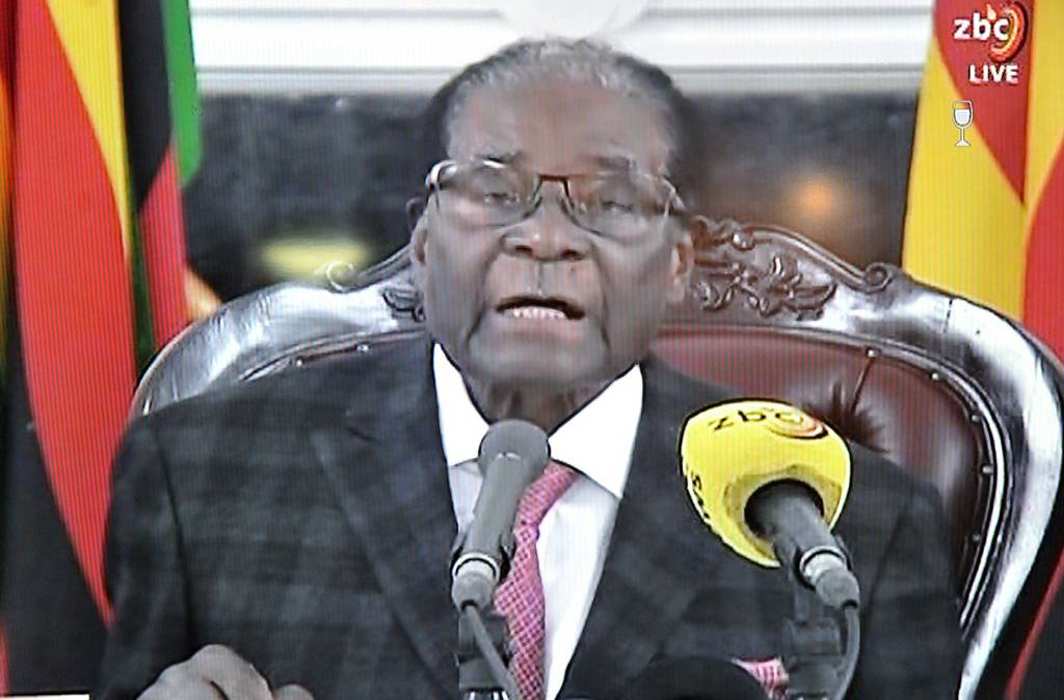 [/vc_column_text][vc_column_text]During the Sunday’s meeting, members of the ruling ZANU-PF, which was co-founded by Mugabe to usher Zimbabwe into independence, also anointed Emmerson Mnangagwa, the recently ousted vice president as the new party leader. The recent Mnangagwa’s sacking triggered the army intervention.
Mugabe’s ‘address to the nation” was delayed for some technical glitch. The viewers were forced to see some musical program while waiting to hear their desired announcement. His speech attracted the highest viewership after 1980 when country got independence of the British rule.[/vc_column_text][vc_raw_html]JTNDYmxvY2txdW90ZSUyMGNsYXNzJTNEJTIydHdpdHRlci10d2VldCUyMiUyMGRhdGEtbGFuZyUzRCUyMmVuJTIyJTNFJTNDcCUyMGxhbmclM0QlMjJlbiUyMiUyMGRpciUzRCUyMmx0ciUyMiUzRVNvcnJ5JTJDJTIweW91JTIwdGhvdWdodCUyMEklMjB3YXMlMjBnb2luZyUyMHRvJTIwd2hhdC4uJTNGJTIwJTNDYSUyMGhyZWYlM0QlMjJodHRwcyUzQSUyRiUyRnR3aXR0ZXIuY29tJTJGaGFzaHRhZyUyRnppbWJhYndlJTNGc3JjJTNEaGFzaCUyNmFtcCUzQnJlZl9zcmMlM0R0d3NyYyUyNTVFdGZ3JTIyJTNFJTIzemltYmFid2UlM0MlMkZhJTNFJTIwJTNDYSUyMGhyZWYlM0QlMjJodHRwcyUzQSUyRiUyRnQuY28lMkZNSTE2d1UzQUtmJTIyJTNFcGljLnR3aXR0ZXIuY29tJTJGTUkxNndVM0FLZiUzQyUyRmElM0UlM0MlMkZwJTNFJTI2bWRhc2glM0IlMjBSb2JlcnQlMjBNdWdhYmUlMjAlMjglNDBSR011Z2FiZSUyOSUyMCUzQ2ElMjBocmVmJTNEJTIyaHR0cHMlM0ElMkYlMkZ0d2l0dGVyLmNvbSUyRlJHTXVnYWJlJTJGc3RhdHVzJTJGOTMyMzM2NDYzOTkxMTk3Njk2JTNGcmVmX3NyYyUzRHR3c3JjJTI1NUV0ZnclMjIlM0VOb3ZlbWJlciUyMDE5JTJDJTIwMjAxNyUzQyUyRmElM0UlM0MlMkZibG9ja3F1b3RlJTNFJTBBJTNDc2NyaXB0JTIwYXN5bmMlMjBzcmMlM0QlMjJodHRwcyUzQSUyRiUyRnBsYXRmb3JtLnR3aXR0ZXIuY29tJTJGd2lkZ2V0cy5qcyUyMiUyMGNoYXJzZXQlM0QlMjJ1dGYtOCUyMiUzRSUzQyUyRnNjcmlwdCUzRSUwQQ==[/vc_raw_html][vc_column_text]Earlier in the day when ZANU-PF announced expulsion of Robert Mugabe, war veteran leader Chris Mutsvangwa described him as a “dictator”, embraced colleagues and shouted: “The President is gone. Long live the new President.” Mutsvangwa has spearheaded the 18 month long campaign to remove Mugabe from power.
During his rambling speech Mugabe said that he had met with the nation’s security force command before speaking to the nation. He acknowledged the struggles and criticism which led the nation’s security forces to seize power and the pressure on him to resign. However, he said that he will preside over the forthcoming ZANU-PF congress in December.
Mugabe acknowledged the concerns raised by security forces and his own party along with struggling economy which should be attended urgently. The 93-year old leader was seen shuffling his scripted speech papers appearing as if he lost the place. He even apologized saying, “It was a long speech”. At the end Mugabe was seen shaking hands with armed forces officials.
On November 15, Zimbabwe plunged into political uncertainty when Major General SB Moyo, Chief of Staff Logistics, in a televised speech, seized power in a targeted assault on “criminals” around President Mugabe and assured that leader and his family was safe and sound. Armored vehicles blocked the roads to the main government buildings.
On November 16, Mugabe did not attract any supporter seen on Harare streets. Instead most people remained calm and continued their usual business.[/vc_column_text][/vc_column][/vc_row]







Latest world news
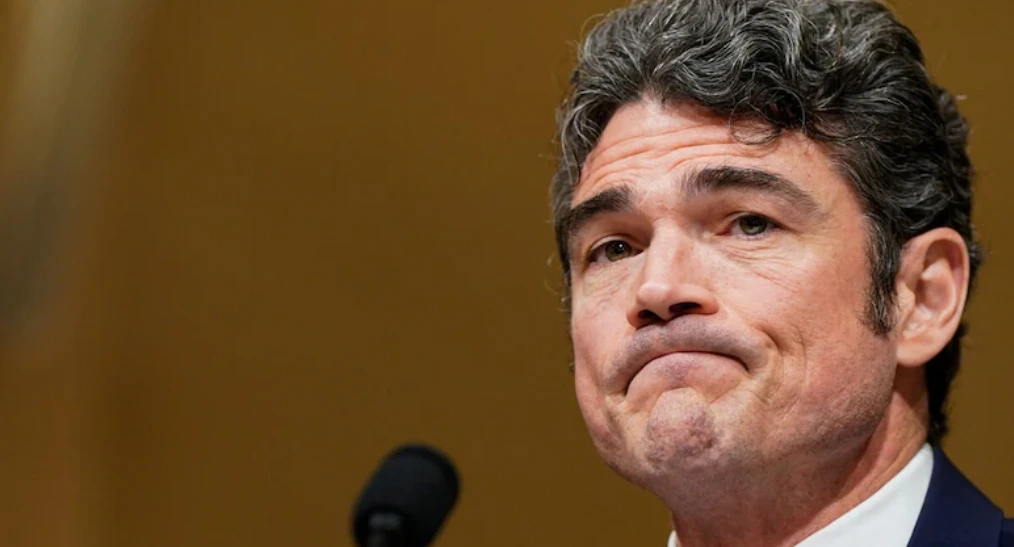
Top US counterterrorism official resigns over Iran war, cites conscience
Joseph Kent steps down as US counterterrorism chief, questioning the justification for the Iran war and citing moral concerns.

Latest world news
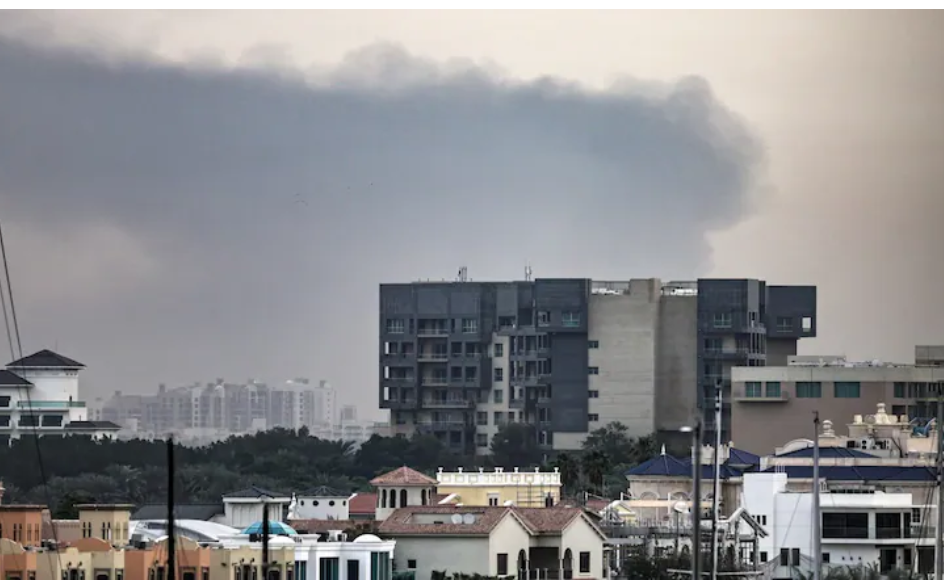
Fire near Dubai International Airport after drone incident, flights temporarily suspended
Flights at Dubai International Airport were temporarily suspended after a drone-related incident caused a fuel tank fire near the facility. Authorities confirmed the blaze was contained and no injuries were reported.

Latest world news
Dubai hit again within 24 hours as debris strikes building, drone targets US embassy in Baghdad
A building in Dubai’s financial hub was struck by debris from an intercepted attack while a drone targeted the US embassy in Baghdad, officials said.

Om Birla likely to move motion to revoke suspension of 8 opposition MPs today

Pakistan airstrike allegations on Kabul hospital leave hundreds dead, claims Taliban

Maharashtra passes freedom of religion bill with jail term up to 10 years

Mamata Banerjee writes to poll chief over officers’ reshuffle, calls move arbitrary

Centre assures action on LPG supply disruption, court closes distributors’ plea

Top US counterterrorism official resigns over Iran war, cites conscience

Mamata Banerjee warns BJP, EC over Bengal polls, says they will be accountable
Centre assures action on LPG supply disruption, court closes distributors’ plea
Om Birla likely to move motion to revoke suspension of 8 opposition MPs today
Maharashtra passes freedom of religion bill with jail term up to 10 years

Afghan Men Try To Hang With The Jet Engine Of The Aircraft in Kabul- Afghanistan News – Kabul News
Trending Top 10 News: 10000 Crore Fine on Flipkart, Apple to Launch Unique Feature, Hdfc Bank Job Ad

Trending Top 10 News: Nokia 6310, Apple sales, Bachpan ka Pyar Video Kid, Dainik Bhaskar IT Raid

Trending Top 10 News: Canada bans Indian flights, Rain in Delhi NCR, AIMIM Twitter hacked, Raj Kundra case

Trending Top 10 News: Shein India, Apple New Service, Pocket Oxygen, Oppo Launched New Phone
-
 India News15 hours ago
Om Birla likely to move motion to revoke suspension of 8 opposition MPs today
-
 India News16 hours ago
Pakistan airstrike allegations on Kabul hospital leave hundreds dead, claims Taliban
-
 India News15 hours ago
Maharashtra passes freedom of religion bill with jail term up to 10 years
-
 India News15 hours ago
Mamata Banerjee writes to poll chief over officers’ reshuffle, calls move arbitrary
-
India News6 hours ago
Centre assures action on LPG supply disruption, court closes distributors’ plea
-
 India News4 hours ago
Mamata Banerjee warns BJP, EC over Bengal polls, says they will be accountable
-
 Latest world news4 hours ago
Top US counterterrorism official resigns over Iran war, cites conscience
