
Latest world news
Musharraf blames Asif Ali Zardari, an ‘important Afghan figure’ for Benazir murder

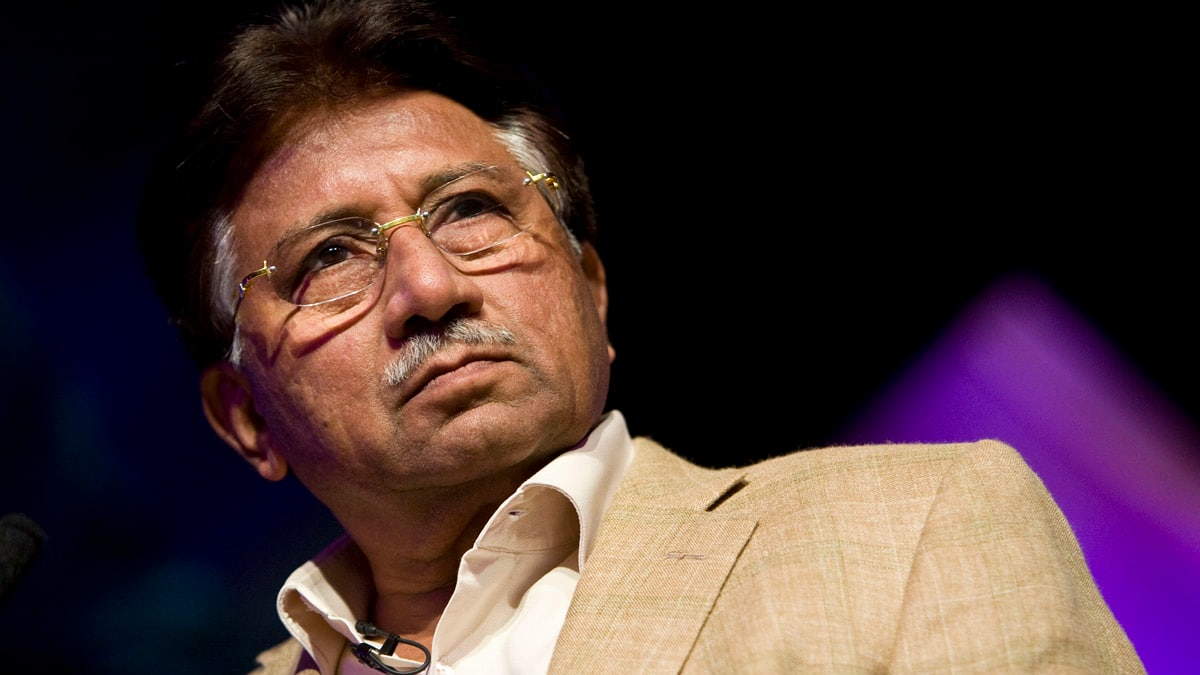
[vc_row][vc_column][vc_column_text]Fugitive in Bhutto murder case, former Pak president says Zardari gained most from Benazir and Murtaza Bhutto’s assassination while he lost everything
Former Pakistan President General Pervez Musharraf, on Friday, alleged that the murder of popular Pakistan People’s Party (PPP) chief Benazir Bhutto was plotted by her husband Asif Ali Zardari. The exiled leader has also claimed that the assassination was carried out in collusion with a ‘senior and important public figure in Afghanistan’ who he refused to name.
Musharraf’s claims, made in a video he released on Facebook, come weeks after an anti-terrorism court in Pakistan’s Rawalpindi declared him to be a fugitive in the Benazir Bhutto assassination case.
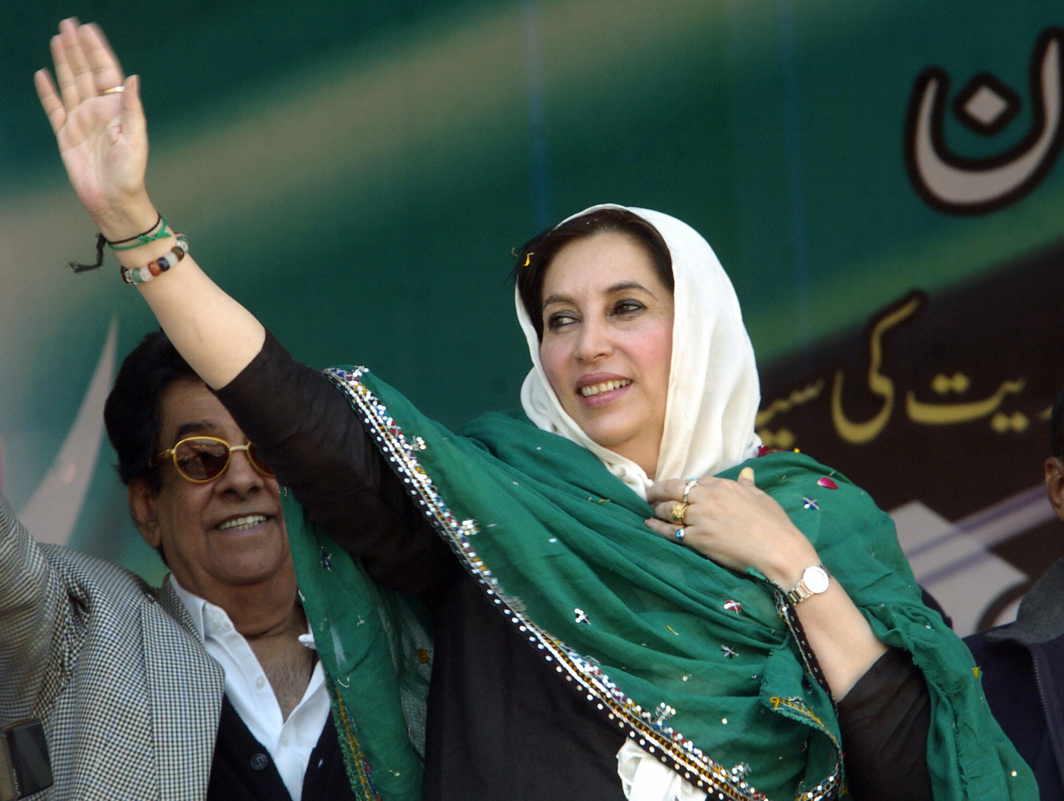
The former Pakistani dictator, who has been living in self-imposed exile in Dubai, said that his “analysis” of who could have murdered the former two-term Prime Minister was specifically addressed to Bhutto’s children – Bilawal, Bakhtawar and Aseefa.
Bhutto was killed along with over 20 people in a gun and bomb attack in Rawalpindi’s Liaquat Bagh during an election campaign rally on December 27, 2007 weeks after she had returned to the country from exile to lead her party into the general elections that took place in January 2008.
Musharraf, who Pakistan’s Federal Investigation Agency (FIA) has alleged had ordered Bhutto’s assassination, said he had “everything to lose” while “there was just one person that had everything to gain from Benazir’s assassination and that was Asif Ali Zardari.”[/vc_column_text][vc_video link=”https://www.youtube.com/embed/j9KdSFxSgFM”][vc_column_text]The retired Pakistan Army chief not only blamed Zardari for the PPP chief’s murder but also for the assassination of her brother Murtaza Bhutto, who had been killed in a dubious police encounter on September 20, 1996 in Karachi when Benazir Bhutto was the country’s Prime Minister.
“Asif Ali Zardari is responsible for the Bhutto family’s demise and is involved in the deaths of Benazir and Murtaza Bhutto,” Musharraf said, adding: “Every time there is a murder, the first thing that needs to be seen is who has the most to gain from the death. In this case, I had everything to lose as I was in power and the murder put my government in a difficult situation.”
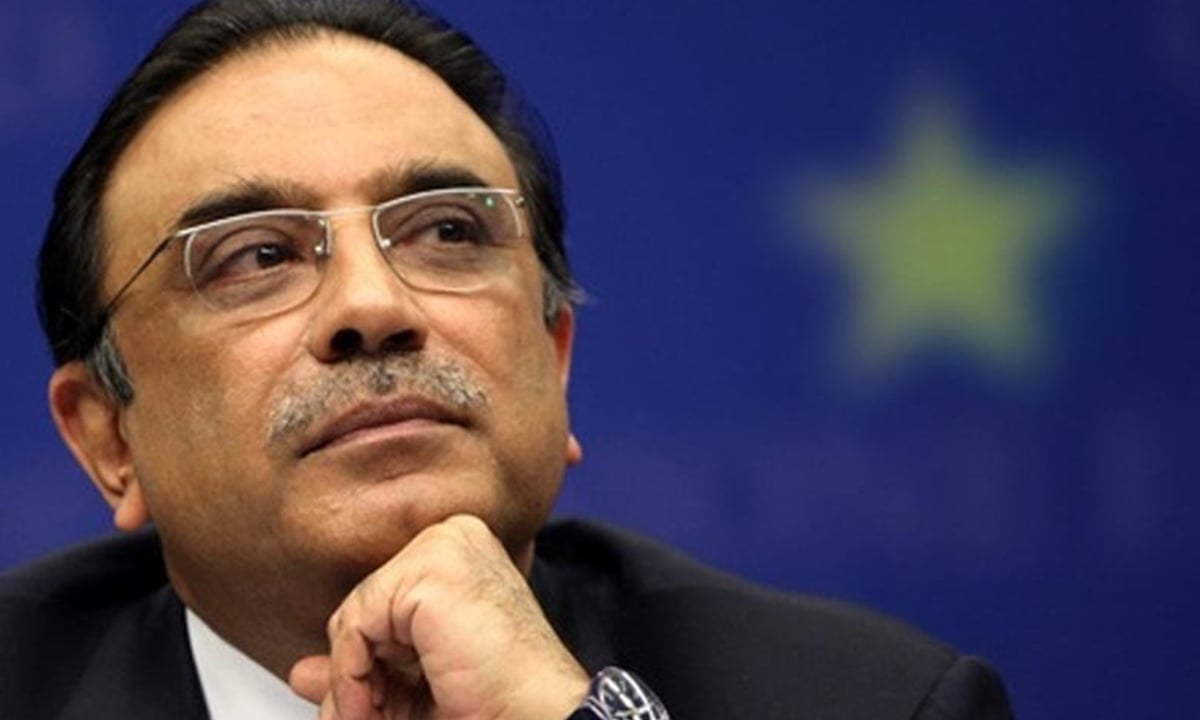 Musharraf alleged that following Bhutto’s assassination and the subsequent victory of her PPP in the general elections of 2008 which saw Zardari being appointed as Pakistan’s 11th President, “Zardari was in power for five years but he did not look into the cases (of Benazir and Murtaza’s murders) — because he was himself involved in Benazir’s murder”.
Musharraf then alleged that while the evidence was clear that “Baitullah Mehsud (chief of the banned terror outfit Tehreek-i-Taliban Pakistan , which was named in the Benazir Bhutto murder investigation for carrying out the strike) and his people were involved in the murder”, he wondered: “who had asked them to target Benazir Bhutto.”
The former Pakistan President claimed that he could not have asked the TTP chief to carry out the strike on Bhutto as “the group hated me and the feeling was mutual…It is a known fact that I wanted Mehsud dead and so did the government of Pakistan, after his group had attempted to kill me.”
In a theory that seemed rather far-fetched and could have a backlash from the Afghanistan establishment, Musharraf ventured to suggest that Zardari possibly reached out to Mehsud “either through the Taliban or then Afghan president Hamid Karzai”. He even suggested that a “very senior and important figure in Afghanistan,” was also possibly involved in the assassination plot but declined to name the person.
“The charge levied against me is that I did not provide Benazir adequate security — something I was not responsible for — the only question I have is, who took the decision to create a hatch in the roof of a bullet and bomb proof car (that Benazir was travelling in),” Musharraf said while insisting that Bhutto “had a heavy security detail and had got into her car unharmed, before someone called her on her phone incessantly and got her to wave to the people out of the hatch.”
Musharraf said that the investigating officers who probed Bhutto’s murder could have got vital leads in the case had they checked the slain PPP chief’s phone records from the time of her assassination, but “the phone went missing after her murder and resurfaced after two years by when its data was expectedly lost”.
While Bhutto’s eldest child and PPP chairman Bilawal Bhutto is yet to comment on Musharraf’s allegations, both her daughters – Aseefa and Bakhtawar took to Twitter to dismiss Musharraf’s allegation against their father and demanded that he return to Pakistan to stand trial for their mother’s murder.[/vc_column_text][vc_raw_html]JTNDYmxvY2txdW90ZSUyMGNsYXNzJTNEJTIydHdpdHRlci10d2VldCUyMiUyMGRhdGEtbGFuZyUzRCUyMmVuJTIyJTNFJTNDcCUyMGxhbmclM0QlMjJlbiUyMiUyMGRpciUzRCUyMmx0ciUyMiUzRSVGMCU5RiU5MSU4NyUyMCUyNmFtcCUzQiUyMGhlJTIwcmFuJTIwYXdheSUyMGNyeWluZyUyMGxpa2UlMjBhJTIwY293YXJkLiUyMCUzQ2ElMjBocmVmJTNEJTIyaHR0cHMlM0ElMkYlMkZ0d2l0dGVyLmNvbSUyRmhhc2h0YWclMkZNdXNoYXJyYWYlM0ZzcmMlM0RoYXNoJTIyJTNFJTIzTXVzaGFycmFmJTNDJTJGYSUzRSUyMHRvbyUyMGJ1c3klMjBvbiUyMGdvbGYlMjBjb3Vyc2VzJTIwcGxlYXNlJTIwY29tZSUyMHRvJTIwUGFraXN0YW4lMjAlMjZhbXAlM0IlMjBmYWNlJTIwcmVhbCUyMGNvdXJ0cyUyMCUzQ2ElMjBocmVmJTNEJTIyaHR0cHMlM0ElMkYlMkZ0d2l0dGVyLmNvbSUyRmhhc2h0YWclMkZBcnJlc3RNdXNoYXJyYWYlM0ZzcmMlM0RoYXNoJTIyJTNFJTIzQXJyZXN0TXVzaGFycmFmJTNDJTJGYSUzRSUyMCUzQ2ElMjBocmVmJTNEJTIyaHR0cHMlM0ElMkYlMkZ0LmNvJTJGVXFrNDF5OVlwZCUyMiUzRWh0dHBzJTNBJTJGJTJGdC5jbyUyRlVxazQxeTlZcGQlM0MlMkZhJTNFJTNDJTJGcCUzRSUyNm1kYXNoJTNCJTIwQmFraHRhd2FyJTIwQi1aYXJkYXJpJTIwJTI4JTQwQmFraHRhd2FyQlolMjklMjAlM0NhJTIwaHJlZiUzRCUyMmh0dHBzJTNBJTJGJTJGdHdpdHRlci5jb20lMkZCYWtodGF3YXJCWiUyRnN0YXR1cyUyRjkxMDk4OTQ0NTUyNDA4MjY4OCUyMiUzRVNlcHRlbWJlciUyMDIxJTJDJTIwMjAxNyUzQyUyRmElM0UlM0MlMkZibG9ja3F1b3RlJTNFJTBBJTNDc2NyaXB0JTIwYXN5bmMlMjBzcmMlM0QlMjIlMkYlMkZwbGF0Zm9ybS50d2l0dGVyLmNvbSUyRndpZGdldHMuanMlMjIlMjBjaGFyc2V0JTNEJTIydXRmLTglMjIlM0UlM0MlMkZzY3JpcHQlM0U=[/vc_raw_html][vc_raw_html]JTNDYmxvY2txdW90ZSUyMGNsYXNzJTNEJTIydHdpdHRlci10d2VldCUyMiUyMGRhdGEtbGFuZyUzRCUyMmVuJTIyJTNFJTNDcCUyMGxhbmclM0QlMjJlbiUyMiUyMGRpciUzRCUyMmx0ciUyMiUzRUxldCUyMG1lJTIwc3RhdGUlMjB0aGlzJTIwcXVpdGUlMjBjbGVhcmx5LiUyME11c2hhcnJhZiUyMGFuZCUyMGhpcyUyMGxhcGRvZyUyMGNyb25pZXMlMjBpbiUyMHRoZSUyMGVzdGFibGlzaG1lbnQlMjBhbmQlMjB0aGUlMjBhcm15JTIwYXJlJTIwcmVzcG9uc2libGUlMjBmb3IlMjBCQnMlMjBtdXJkZXIuJTNDJTJGcCUzRSUyNm1kYXNoJTNCJTIwQXNzYWQlMjBadWxmaXFhciUyMEtoYW4lMjAlMjglNDBwc2V1ZG9yZWJlbCUyOSUyMCUzQ2ElMjBocmVmJTNEJTIyaHR0cHMlM0ElMkYlMkZ0d2l0dGVyLmNvbSUyRnBzZXVkb3JlYmVsJTJGc3RhdHVzJTJGOTEwOTAwNjEwNTk3MzQzMjMzJTIyJTNFU2VwdGVtYmVyJTIwMjElMkMlMjAyMDE3JTNDJTJGYSUzRSUzQyUyRmJsb2NrcXVvdGUlM0UlMEElM0NzY3JpcHQlMjBhc3luYyUyMHNyYyUzRCUyMiUyRiUyRnBsYXRmb3JtLnR3aXR0ZXIuY29tJTJGd2lkZ2V0cy5qcyUyMiUyMGNoYXJzZXQlM0QlMjJ1dGYtOCUyMiUzRSUzQyUyRnNjcmlwdCUzRQ==[/vc_raw_html][/vc_column][/vc_row][vc_row css=”.vc_custom_1506069764420{border-bottom-width: 20px !important;padding-top: 20px !important;background-color: #b2b1bf !important;}”][vc_column][vc_column_text]The Bhutto assassination verdict
On August 31, 2017, an Anti-Terrorism court in Rawalpindi had declared General (retd) Pervez Musharraf an “absconder” and ordered that the State seize all properties owned by him. The court’s order came while it declaring its verdict in the assassination of former Pakistan Prime Minister Benazir Bhutto, who was killed in a suicide attack on December 27, 2007 while campaigning for her party at Rawalpindi’s Liaquat Bagh.
The Rawalpindi anti-terror court also awarded a total of 17 years in jail term for Saud Aziz, who was police chief of Rawalpindi when Bhutto was assassinated, and Khurram Shahzad, a former Superintendent of Police (SP) at Rawal Town. Aziz and Shahzad were each awarded 10 years in prison under Section 119 of the Pakistan Penal Code (PPC) and seven years each under Section 201 of the PPC.
Five suspects, Rafaqat Hussain, Husnain Gul, Sher Zaman, Aitzaz Shah and Abdul Rashid, all alleged operatives of the banned terror outfit Tehreek-i-Taliban Pakistan (TTP) were acquitted on all charges in the case.
In his concluding arguments before the Rawalpindi court, counsel for Pakistan’s Federal Investigation Agency, Mohammad Azhar Chaudhary had reiterated the agency’s stand that the assassination of Bhutto was ordered by Pervez Musharraf.[/vc_column_text][/vc_column][/vc_row]








Latest world news
S Jaishankar says India is a natural option for Russia amid Europe tensions
External Affairs Minister S Jaishankar said India remained a natural option for Russia as Moscow increasingly turned towards Asia amid strained relations with Europe. He highlighted the continuity of India-Russia ties and their significance for the balance of power in Asia.


Latest world news
Putin praises PM Modi, says he has very good ideas on Ukraine war
Russian President Vladimir Putin has praised Prime Minister Narendra Modi for repeatedly raising the need to end the Ukraine war, describing his ideas for a settlement as “very good”.

Latest world news
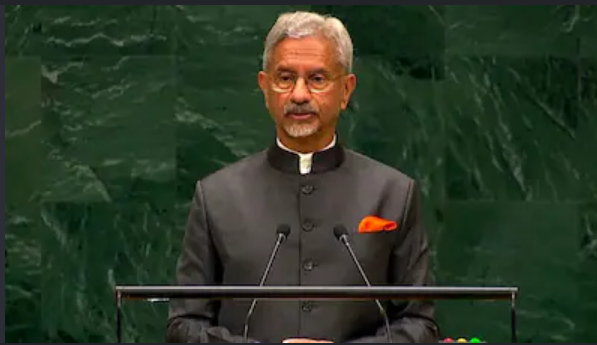
S Jaishankar calls Pakistan a “serial practitioner of terrorism” at UN
S Jaishankar criticised Pakistan at the UN General Assembly, referring to a “serial practitioner of terrorism” and warning against attempts to normalise terrorism.

Dhruv Rathee gets fresh summons in 2018 BJP IT cell video case

Nobody can browbeat judiciary, Chief Justice warns over Rahul Gandhi’s march

India-US trade deal first phase finalised, drafting underway

Election Commission orders voter roll revision in 17 states, UTs

Actor Imran Khan asked to leave India after CJP protest

Delhi Police offers 11-person limit for CJP’s Connaught Place protest
Actor Imran Khan asked to leave India after CJP protest
Election Commission orders voter roll revision in 17 states, UTs
India-US trade deal first phase finalised, drafting underway
Nobody can browbeat judiciary, Chief Justice warns over Rahul Gandhi’s march

Afghan Men Try To Hang With The Jet Engine Of The Aircraft in Kabul- Afghanistan News – Kabul News
Trending Top 10 News: 10000 Crore Fine on Flipkart, Apple to Launch Unique Feature, Hdfc Bank Job Ad

Trending Top 10 News: Nokia 6310, Apple sales, Bachpan ka Pyar Video Kid, Dainik Bhaskar IT Raid

Trending Top 10 News: Canada bans Indian flights, Rain in Delhi NCR, AIMIM Twitter hacked, Raj Kundra case

Trending Top 10 News: Shein India, Apple New Service, Pocket Oxygen, Oppo Launched New Phone
-
 India News15 hours ago
Dhruv Rathee gets fresh summons in 2018 BJP IT cell video case
-
 India News11 hours ago
Nobody can browbeat judiciary, Chief Justice warns over Rahul Gandhi’s march
-
 India News7 hours ago
India-US trade deal first phase finalised, drafting underway
-
 India News5 hours ago
Election Commission orders voter roll revision in 17 states, UTs
-
 India News4 hours ago
Actor Imran Khan asked to leave India after CJP protest
-
 India News3 hours ago
Delhi Police offers 11-person limit for CJP’s Connaught Place protest
