
Latest world news
Myanmar court sends Reuters journalists to jail for 7 years


Myanmar’s court has sentenced two Reuters journalists to seven years in jail after finding them guilty of violating official secrets act. They were involved in investigating into the killings of a number of Rohingya Muslims in Rakhine province.
The two journalists: Wa Lone, 32, and Kyaw Soe Oo, 28, were detained in December 2017 who were working to investigate the violence against the minority community.
UN described the large scale of violence as a form of “ethnic cleansing,” with military operations forcing more than 7 lakh Rohingya Muslims to flee the country to Bangladesh.
Read More: Myanmar books 2 Reuters journos for reporting on violence against Rohingya Muslims
In July, the journalists were charged with breaching the colonial-era official secret act, which carries a maximum penalty of 14 years in prison. The two men pleaded not guilty.

Following sentencing at the Yangon court Kyaw maintained the pair’s innocence, but added that they were not surprised by the verdict. “We didn’t do anything wrong. We’re not exactly shocked by the verdict.”
The lawyer of the journalists Zaw Maung reacted saying, “This is disappointing (and a blow) to democracy, rule of law and press freedom.”
Read More: Myanmar army chief downplays exodus, says Rohingya Muslims not native
The allegations were denied by the detained journalists. They testified in court that two police officers had given them papers relating to their investigation during a meeting in a Yangon restaurant which was followed by their arrests by plainclothes officers.
This was confirmed by a police officer, Moe Yan Naing, who testified that he had witnessed a plot by senior police to frame the two journalists by planting secret documents on them.
The detention of the two journalists has led to criticism of Myanmar’s de facto leader, Aung San Suu Kyi, who has also faced a loss in worldwide support for her handling of the Rohingya issue.
Meanwhile, Kunt Ostby, the UN Resident and Humanitarian Coordinator in the country has condemned the ruling. He said, “The United Nations has consistently called for the release of the Reuters journalists and urged the authorities to respect their right to pursue freedom of expression and information. Wa Lone and Kyaw Soe Oo should be allowed to return to their families and continue their work as journalists.”
Reuters Editor-in-Chief Stephen Adler , while reacting to the Mayanmar court’s order said that the conviction was “a sad day” for the organization, the two men and “the press everywhere,” adding that the verdict “must be corrected by the Myanmar government as a matter of urgency.”
The prosecution of Rohingya Muslims occurred in late 2016 when Myanmar’s armed forces and police started a major crackdown against them in response to the alleged attacks on Burmese border posts in October 2016 by unidentified insurgents.
The Burmese military have been accused of ethnic cleansing and genocide by various United Nations agencies, International Criminal Court officials, human rights groups, journalists, and governments including the United States. The UN has found evidence of wide-scale human rights violations, including extrajudicial killings, gang rapes, arson and infanticides, which the Burmese government dismisses as “exaggerations”.
The two journalists associated with Reuters were covering the unfolding developments in Rakhine province which was obviously not liked by the government. The police planted certain papers during a meeting with the duo in a restaurant. The journalists were immediately arrested by the other plain clothes officers.
Reuters news agency, having its headquarters in London, was established in 1851 by Paul Reuter, who worked at a book publishing firm in Berlin and was involved in distributing radical pamphlets at the beginning of Revolutions in 1848, which was known in some countries as the Spring of Nations, People’s spring or he Springtime of the Peoples.
The Myanmar Times reported on Saturday about dozens of protesters hitting the Yangon streets who were demanding the release of journalists ahead of Monday’s verdict on charges.





Latest world news
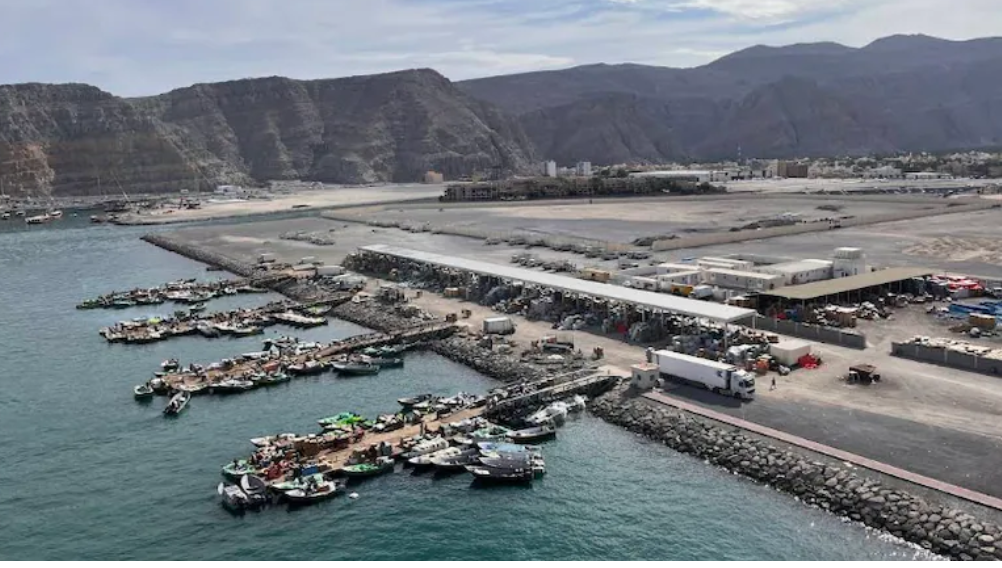
US strikes Iranian missile sites near Hormuz with 5,000-pound bunker buster bombs
US forces hit Iranian missile positions near the Strait of Hormuz using deep penetrator bombs to counter threats to global shipping.

Latest world news
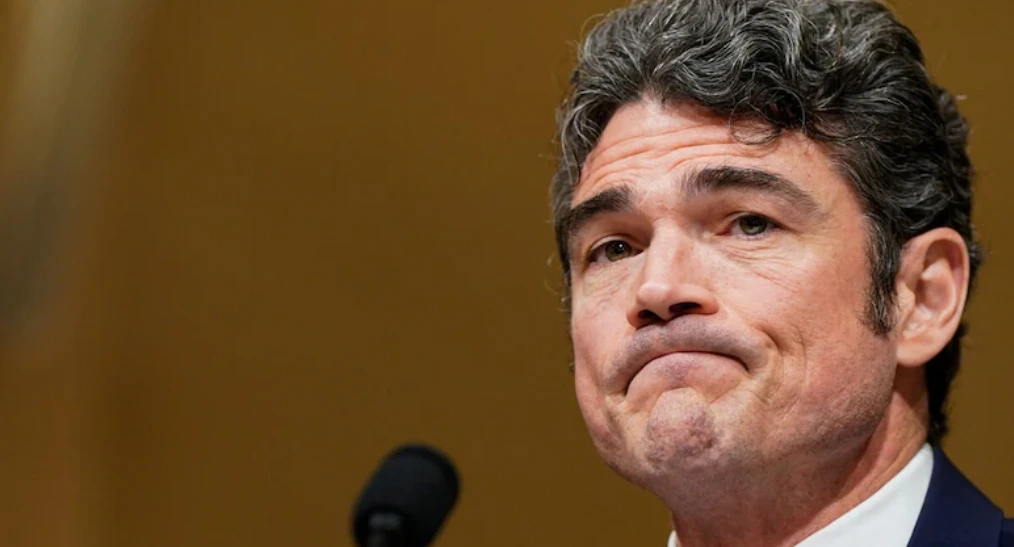
Top US counterterrorism official resigns over Iran war, cites conscience
Joseph Kent steps down as US counterterrorism chief, questioning the justification for the Iran war and citing moral concerns.
Latest world news
Fire near Dubai International Airport after drone incident, flights temporarily suspended
Flights at Dubai International Airport were temporarily suspended after a drone-related incident caused a fuel tank fire near the facility. Authorities confirmed the blaze was contained and no injuries were reported.


Om Birla likely to move motion to revoke suspension of 8 opposition MPs today

Centre assures action on LPG supply disruption, court closes distributors’ plea

Mamata Banerjee warns BJP, EC over Bengal polls, says they will be accountable

Top US counterterrorism official resigns over Iran war, cites conscience

US strikes Iranian missile sites near Hormuz with 5,000-pound bunker buster bombs
US strikes Iranian missile sites near Hormuz with 5,000-pound bunker buster bombs
Top US counterterrorism official resigns over Iran war, cites conscience
Mamata Banerjee warns BJP, EC over Bengal polls, says they will be accountable
Centre assures action on LPG supply disruption, court closes distributors’ plea
Om Birla likely to move motion to revoke suspension of 8 opposition MPs today

Afghan Men Try To Hang With The Jet Engine Of The Aircraft in Kabul- Afghanistan News – Kabul News
Trending Top 10 News: 10000 Crore Fine on Flipkart, Apple to Launch Unique Feature, Hdfc Bank Job Ad

Trending Top 10 News: Nokia 6310, Apple sales, Bachpan ka Pyar Video Kid, Dainik Bhaskar IT Raid

Trending Top 10 News: Canada bans Indian flights, Rain in Delhi NCR, AIMIM Twitter hacked, Raj Kundra case

Trending Top 10 News: Shein India, Apple New Service, Pocket Oxygen, Oppo Launched New Phone
-
 India News24 hours ago
Om Birla likely to move motion to revoke suspension of 8 opposition MPs today
-
India News15 hours ago
Centre assures action on LPG supply disruption, court closes distributors’ plea
-
 India News13 hours ago
Mamata Banerjee warns BJP, EC over Bengal polls, says they will be accountable
-
 Latest world news13 hours ago
Top US counterterrorism official resigns over Iran war, cites conscience
-
 Latest world news9 mins ago
US strikes Iranian missile sites near Hormuz with 5,000-pound bunker buster bombs
