
Latest world news
OIC Summit: Erdogan call Muslim leaders to confront Israel


Iran’s Rouhani urge Muslim countries to review ties with US and sever relations with Israel
A large number of Muslim countries, the members of Organization of Islamic Cooperation (OIC) have strongly condemned Israeli regime for killing Palestinian protesters at the end of an extra ordinary summit held in Turkish largest city Istanbul on Friday.
Turkish President Recep Tayyip Erdogan, while addressing the extra ordinary summit, called on Muslim leaders to unite and confront Israel and said that Israel should be held accountable over the killings which drew widespread international condemnation and triggered a wave of protests from Asia, through the Middle East, to North Africa. Scores of Palestinians were killed by Israeli snipers as they marked 70 years of Israeli occupation, the day when US relocated its embassy to Jerusalem Monday last.

“To take action for Palestinians massacred by Israeli bandits is to show the whole world that humanity is not dead,” Erdogan told the group of Muslim leaders. He described Israel’s killing of Palestinians as “thuggery, atrocity and state terror,” and said the US’ recognition of Jerusalem as Israel’s capital would inevitably haunt it.
Read More: OIC rejects Donald Trump’s Jerusalem move at extraordinary Summit in Ankara
Participating in the Summit, Iranian President Hassan Rouhani called on Muslim countries and other world nations to revise their ties with the US and sever all their relations with Israel in response to their hostile policies against Palestine.
Iran-US confrontation has recently triggered immediately after US President Donald Trump announced withdrawal from 2015 multilateral Iran nuclear deal known as JCPOA.
Speaking at on the occasion Rouhani slammed Israel’s recent massacre of Palestinians in Gaza and the relocation of the US embassy to Jerusalem al-Quds, and offered a number of proposals on how to put an end to such hostile policies.

He was quoted saying, “In order to assist the Palestinian nation and counter the destructive decision by [US President Donald] Trump, we call on Muslim governments and freedom-seeking nations in the world to revise their political, economic and commercial ties with the US administration, and also cut all their relations with the occupying Zionist regime [of Israel] and boycott the products and companies of the Zionists.”
Read More: Netanyahu rejects OIC declaring East Jerusalem as capital of Palestine
Rouhani also offered five other suggestions to the Muslim leaders: including examination of the “illegal” relocation of the US embassy and Israel’s recent crimes in Gaza at a UN General Assembly meeting, formation of an OIC expert group to formulate the required strategies, delivery of humanitarian assistance to Palestine, dismantling of Israel’s nuclear weapons and inclusion of the International Quds Day in the official calendars of all Islamic countries.
Iran’s former supreme leader and founder of Islamic Republic late Ayatollah Khomeini had called the world Muslims to observe International Quds Day by organizing protest marches against Palestine’s occupation by Israeli regime on the last Friday of holy month of Ramadan every year. Protests are held every year in several countries except Saudi Arabia and its GCC partners.
The Iranian president noted that Israel has been committing crimes against Palestinians for the past 70 years and said that Israel has defied all values and challenged the international community.
“While hundreds of thousands of innocent people are deprived of the most basic human rights, the Zionist regime has deceitfully presented its apartheid and racist regime as a democracy and describes its religious extremism as secularism. The most saddening point is that some Western countries are justifying the aggression of the occupiers,” Rouhani said.
Read More: Palestinians reject White House invitation of Gaza meet
Iranian government and its media call Israel as a Zionist regime because Tehran does not recognize it as a country. In 1979, when Islamic revolution succeeded, Iran had severed its diplomatic ties with Israel and gave away its embassy in Tehran to representatives of Palestine recognizing them as the rightful owner.
Iran also does not have diplomatic ties with US. Revolutionary students captured its embassy in Tehran calling it to the “den of spies” making all its diplomats hostages, which lasted for 444 days.
Addressing a joint press conference with OIC Secretary General Yousef al-Othaimeen and Palestinian Prime Minister Rami al-Hamdallah, Turkish President Tayyip Recep Erdoğan said they held a very meaningful summit in terms of showing solidarity with the Palestinian people as well as conveying the necessary messages to Israel.
Erdoğan criticized US administration saying that the responsibility for the consequences of “this provocative decision to sabotage the peace process entirely belongs to the U.S.”
He said “We won’t accept the unlawful decision of the U.S. to relocate its embassy from Tel Aviv to Jerusalem despite all warnings. We will never end our solidarity with the Palestinian people.”
Erdogan urged the international community, especially the UN Security Council, to fulfill their legal obligations with regards to Palestine. He also stressed on the need of sending international peace force to help the Palestinians. He also said an aid campaign will be carried out during Ramadan across all OIC states for Palestinians.
Yousef al-Othaimeen, the OIC’s secretary general, said in his closing speech that “We reiterated the need to provide international protection for the Palestinian people. We decided to assign the OIC’s secretariat general to form an international commission of experts to investigate the Israeli crimes in the Palestinian territories.”
Palestinian Prime Minister Rami Hamdallah also echoed the call for an international and transparent probe into the Israeli crimes in the Palestinian occupied territories.
Hamdallah further said, “We confirm also the necessity for international protection for the Palestinian people. The U.S.’ opening of its embassy in Jerusalem is a provocative act that undermines peace prospects in the region and threatens international peace and security. Such a move emboldens Israel to continue its illegal actions against the Palestinian people.”
Palestinian PM Hamdallah survived an assassination attempt in March this year when he entered Gaza strip. He adorned his office in June 2013, following the resignation of previous incumbent Salam Fayyad after six years in office.
The session was also attended by heads of states of Afghanistan, Guinea, Iran, Qatar, Kuwait, Mauritania, Sudan, Jordan and the Turkish Republic of Northern Cyprus (TRNC).
The prime ministers of Palestine, Kyrgyzstan and Pakistan took their place at the meeting, while Uzbekistan, Algeria and Sudan were represented at the parliamentary and senate level.
In addition, Saudi Arabia, Egypt, Azerbaijan, Bahrain, Lebanon, Iraq, Tunisia, Oman, Libya, Bangladesh, Burkina Faso, Chad, Kazakhstan, Comoros, Maldives and Tajikistan were represented at the foreign ministerial level.
The Istanbul summit was convened by Erdoğan to denounce the Israeli violence that killed at least 62 Palestinians during mass rallies on May 14 in the eastern part of the besieged Gaza Strip. Turkey also carries out the term presidency of the OIC.









Latest world news
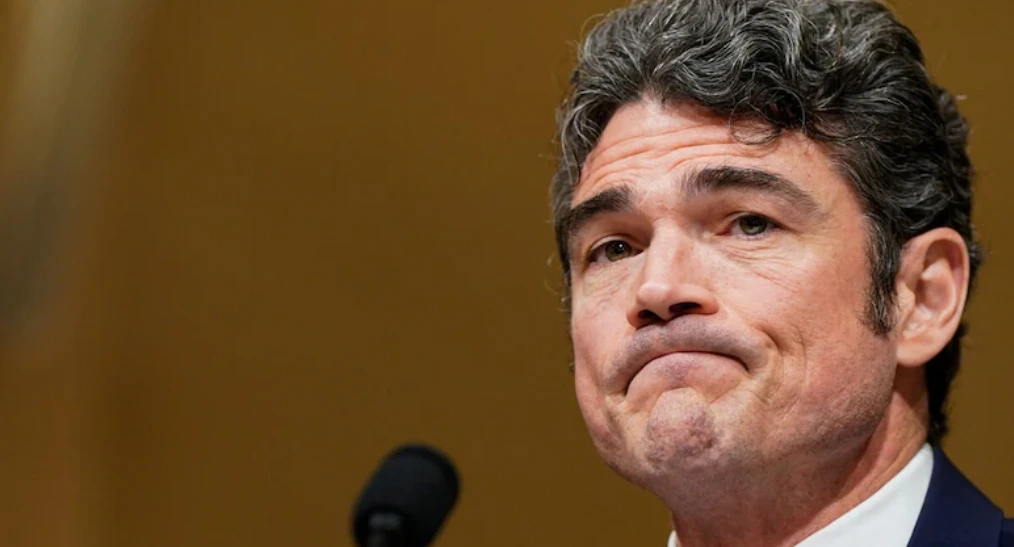
Top US counterterrorism official resigns over Iran war, cites conscience
Joseph Kent steps down as US counterterrorism chief, questioning the justification for the Iran war and citing moral concerns.

Latest world news
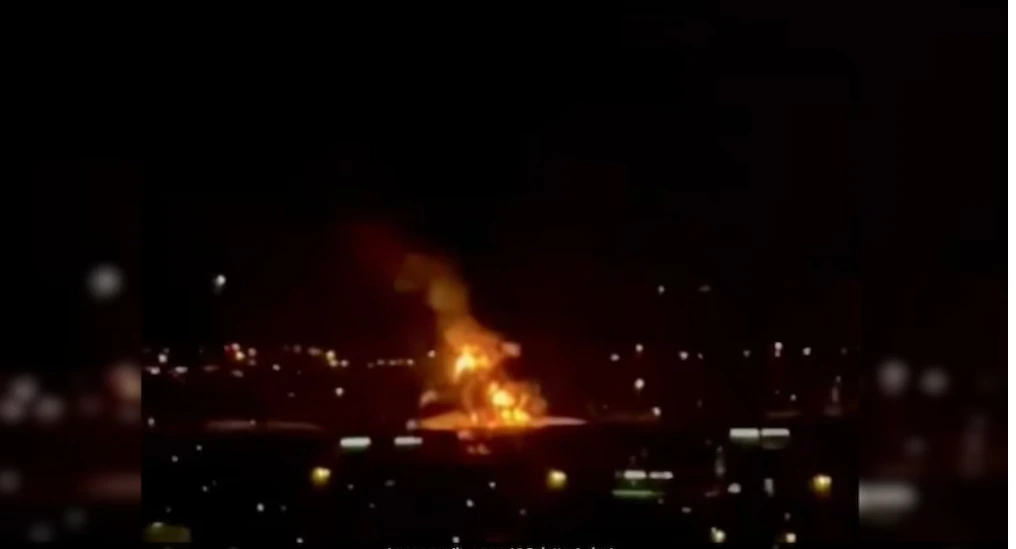
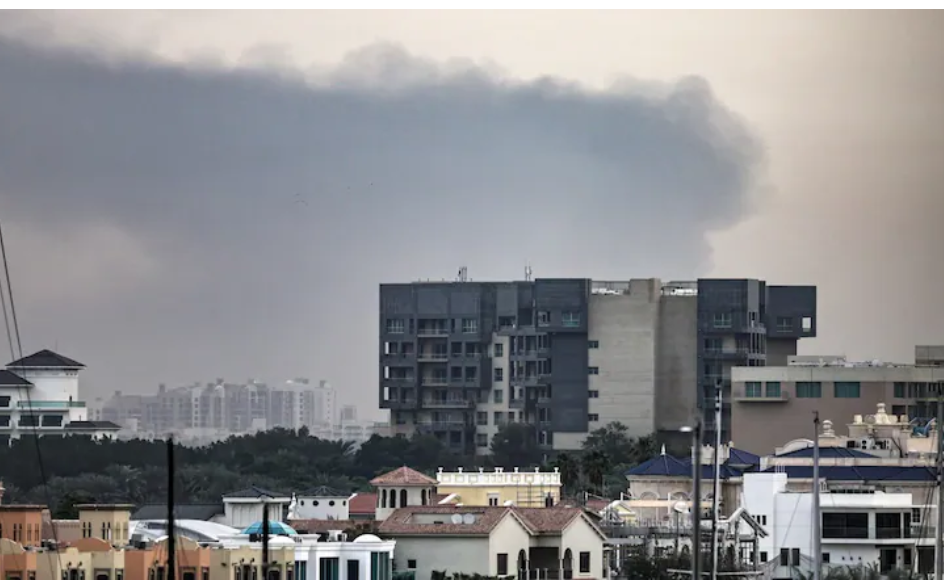
Fire near Dubai International Airport after drone incident, flights temporarily suspended
Flights at Dubai International Airport were temporarily suspended after a drone-related incident caused a fuel tank fire near the facility. Authorities confirmed the blaze was contained and no injuries were reported.
Latest world news
Dubai hit again within 24 hours as debris strikes building, drone targets US embassy in Baghdad
A building in Dubai’s financial hub was struck by debris from an intercepted attack while a drone targeted the US embassy in Baghdad, officials said.

Om Birla likely to move motion to revoke suspension of 8 opposition MPs today

Pakistan airstrike allegations on Kabul hospital leave hundreds dead, claims Taliban

Mamata Banerjee writes to poll chief over officers’ reshuffle, calls move arbitrary

Maharashtra passes freedom of religion bill with jail term up to 10 years
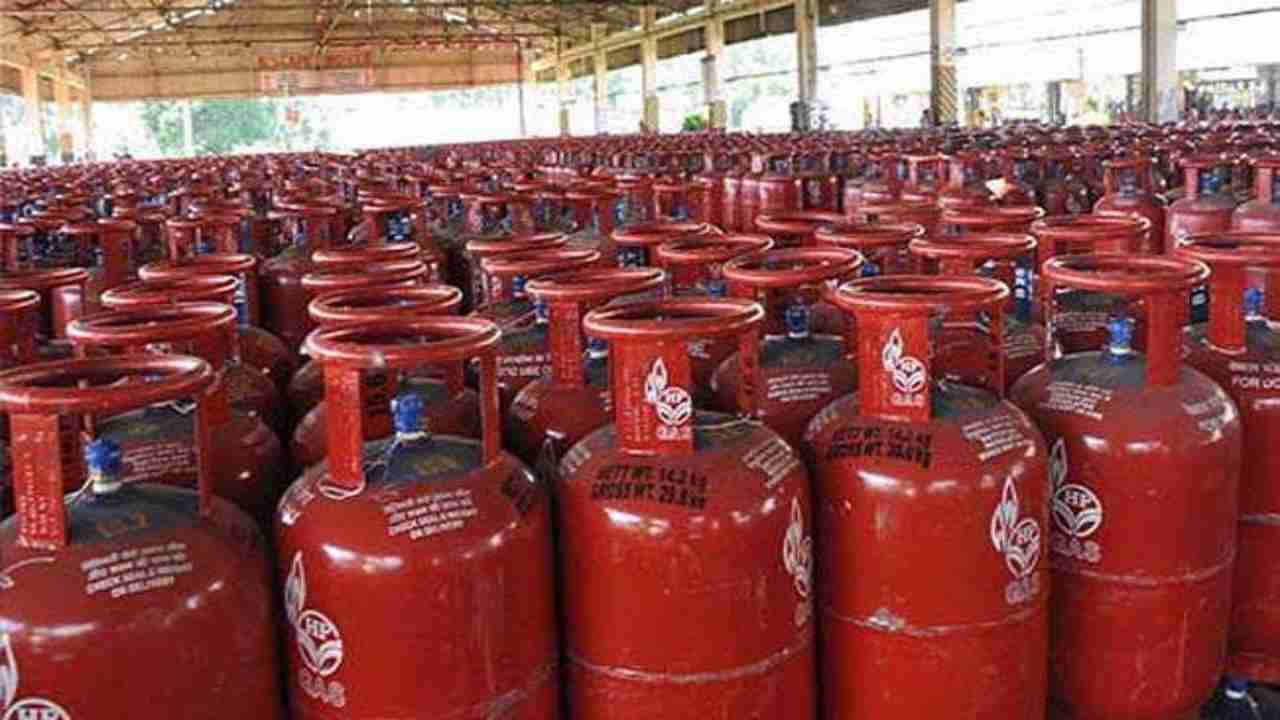
Centre assures action on LPG supply disruption, court closes distributors’ plea

Top US counterterrorism official resigns over Iran war, cites conscience

Mamata Banerjee warns BJP, EC over Bengal polls, says they will be accountable
Centre assures action on LPG supply disruption, court closes distributors’ plea
Om Birla likely to move motion to revoke suspension of 8 opposition MPs today
Maharashtra passes freedom of religion bill with jail term up to 10 years

Afghan Men Try To Hang With The Jet Engine Of The Aircraft in Kabul- Afghanistan News – Kabul News
Trending Top 10 News: 10000 Crore Fine on Flipkart, Apple to Launch Unique Feature, Hdfc Bank Job Ad

Trending Top 10 News: Nokia 6310, Apple sales, Bachpan ka Pyar Video Kid, Dainik Bhaskar IT Raid

Trending Top 10 News: Canada bans Indian flights, Rain in Delhi NCR, AIMIM Twitter hacked, Raj Kundra case

Trending Top 10 News: Shein India, Apple New Service, Pocket Oxygen, Oppo Launched New Phone
-
 India News20 hours ago
Om Birla likely to move motion to revoke suspension of 8 opposition MPs today
-
 India News21 hours ago
Pakistan airstrike allegations on Kabul hospital leave hundreds dead, claims Taliban
-
 India News21 hours ago
Mamata Banerjee writes to poll chief over officers’ reshuffle, calls move arbitrary
-
 India News20 hours ago
Maharashtra passes freedom of religion bill with jail term up to 10 years
-
India News11 hours ago
Centre assures action on LPG supply disruption, court closes distributors’ plea
-
 Latest world news9 hours ago
Top US counterterrorism official resigns over Iran war, cites conscience
-
 India News9 hours ago
Mamata Banerjee warns BJP, EC over Bengal polls, says they will be accountable
