
Latest world news
Outgoing Malaysian PM barred to travel abroad


Najib may face multi-million dollar corruption case
The outgoing Prime Minister of Malaysia Najib Razak has resigned as president of his United Malay National Organisation (UMNO) party, and as chairman of the ruling coalition, with immediate effect, shortly after he was issued a travel ban.
“We all feel sad about what happened but as a party that upholds democratic principles, we accept the people’s decision,” he said, referring to the stunning defeat of the long-ruling alliance in Wednesday’s general election.
Former PM Mahathir Mohamad, 92, who ruled the country from 1981 to 2003, was sworn in as the oldest elected leader, as seventh Prime Minister on Thursday night after defeating Najib led coalition.
Najib also announced that former deputy prime minister and Najib’s deputy Ahmad Zahid Hamidi would take over as the new president of the UMNO party, the main component of the Barisan Nasional alliance.

The resignation came after Najib was barred from leaving the country on Saturday amid reports that the government was reopening investigations into a multi-billion-dollar graft scandal at a state fund he founded.
Malaysia’s Immigration Department announced the travel ban moments after the scandal-plagued Najib said in a Facebook post that he and his family were taking a post-election holiday overseas starting from Saturday and would return next week.
“I have been informed that the Immigration Department does not allow me and my family to go abroad. I respect the direction and will remain with the family in the country,” Najib wrote on his twitter account.
Read More: Confusion on Mahathir bin Mohamad swearing continues
Newly sworn-in Prime Minister Mahathir Mohamad said he prevented Najib from travelling to “avoid problems with extradition”. Najib was supposed to leave for Indonesia.
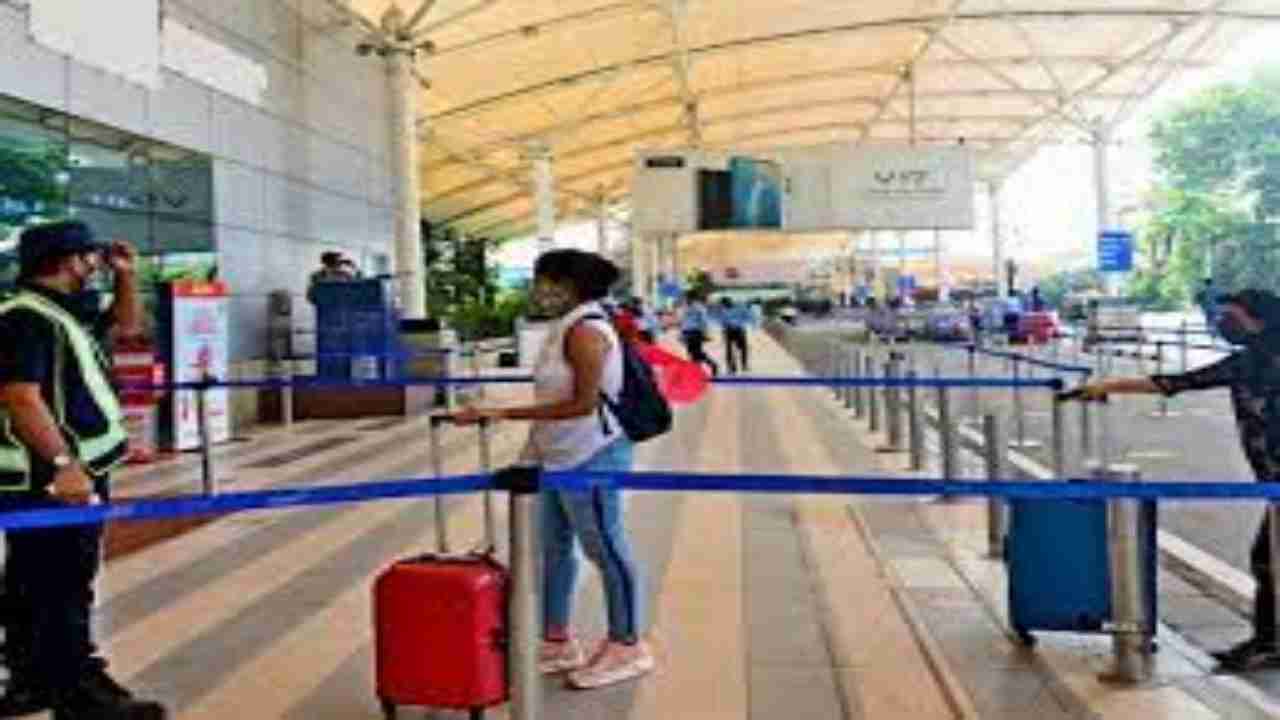
Earlier Malaysia’s official news agency Bernama reported that reporters from the local and international media thronged the Sultan Abdul Aziz Shah airport near Petaling Jaya on Saturday following a rumour that former PM Naji Razak would be leaving the country. Najib had also announced saying he would take a short break to spend time with his family.
Najib further said, “After four decades in politics and the recent election campaign, which was regrettably personal and perhaps the most intense in Malaysian history, I will take a short break to spend time with my family whom I have not seen enough of in recent years.”
The Federal Government of Malaysia is based in Kuala Lumpur and the executive is based in Putrajya. Under the federation 13 states operate within a constitutional monarchy under the Westminster parliamentary system and is categorized as a representative democracy.
The 14th Malaysian general elections were held on 9 May to elect members of the Parliament. In 222 seat parliament, Mahathir Mohamad led alliance won 121 seats, while the outgoing PM Najib Razak’s alliance got 79 seats.





Latest world news
Magnitude 7 earthquake strikes Russia’s Kamchatka Peninsula
A magnitude 7 earthquake struck Russia’s Kamchatka Peninsula region on Friday. The initial report placed the earthquake at a depth of 140 kilometres.


Latest world news
S Jaishankar says India is a natural option for Russia amid Europe tensions
External Affairs Minister S Jaishankar said India remained a natural option for Russia as Moscow increasingly turned towards Asia amid strained relations with Europe. He highlighted the continuity of India-Russia ties and their significance for the balance of power in Asia.

Latest world news
Putin praises PM Modi, says he has very good ideas on Ukraine war
Russian President Vladimir Putin has praised Prime Minister Narendra Modi for repeatedly raising the need to end the Ukraine war, describing his ideas for a settlement as “very good”.


Magnitude 7 earthquake strikes Russia’s Kamchatka Peninsula

Mallikarjun Kharge’s ‘Your Friends’ jab at Rahul Gandhi over congress exits

Delhi deploys 25,000 personnel, installs CCTV cameras ahead of CJP march

Abhijeet Dipke detained ahead of CJP’s national flag march in Delhi

Mallikarjun Kharge seeks all-party meeting with PM Modi on delimitation

Centre sends 3 letters to Punjab government after anti-drug activist’s killing
Mallikarjun Kharge seeks all-party meeting with PM Modi on delimitation
Abhijeet Dipke detained ahead of CJP’s national flag march in Delhi
Magnitude 7 earthquake strikes Russia’s Kamchatka Peninsula
Delhi deploys 25,000 personnel, installs CCTV cameras ahead of CJP march

Afghan Men Try To Hang With The Jet Engine Of The Aircraft in Kabul- Afghanistan News – Kabul News
Trending Top 10 News: 10000 Crore Fine on Flipkart, Apple to Launch Unique Feature, Hdfc Bank Job Ad

Trending Top 10 News: Nokia 6310, Apple sales, Bachpan ka Pyar Video Kid, Dainik Bhaskar IT Raid

Trending Top 10 News: Canada bans Indian flights, Rain in Delhi NCR, AIMIM Twitter hacked, Raj Kundra case

Trending Top 10 News: Shein India, Apple New Service, Pocket Oxygen, Oppo Launched New Phone
-
 Latest world news13 hours ago
Magnitude 7 earthquake strikes Russia’s Kamchatka Peninsula
-
 India News13 hours ago
Mallikarjun Kharge’s ‘Your Friends’ jab at Rahul Gandhi over congress exits
-
 India News13 hours ago
Delhi deploys 25,000 personnel, installs CCTV cameras ahead of CJP march
-
 India News4 hours ago
Abhijeet Dipke detained ahead of CJP’s national flag march in Delhi
-
 India News3 hours ago
Mallikarjun Kharge seeks all-party meeting with PM Modi on delimitation
-
 India News2 hours ago
Centre sends 3 letters to Punjab government after anti-drug activist’s killing
