
Latest world news
Ten Killed in Terror Attacks on Churches In Indonesia


[vc_row][vc_column][vc_column_text]At least ten people were killed and scores injured in suspected suicide bombings at three different churches in Surabaya, Indonesia on Sunday morning.
According to reports, France Barung Mangera, spokesman of East Java police, forty-one people including two police officers are being treated in hospital for their injuries.
The explosions targeted the Santa maria Catholic church, the Indonesian Christian Church and the Pentecost Central Church. Four were killed at Santa Maria Church while two each were killed at the other two churches. Two people died later in the hospital.
The first blast occurred at Santa Maria Catholic Church at 7.30 am while the other explosions took place at 7.35 a.m. and 8.00 am respectively. No organization has taken responsibility for the attacks so far.

The police spokesman further clarified saying, “Right now ther are only three locations. Do not believe in misleading information that (the bomb) exploded in five locations or any others. We suspect it is a suicide bomb attempt. We have identified one victim.”
Responding to a question about those responsible for the explosions, the official said, Give us time to conduct investigation in the locations. We will have a media centre for journalists”.
Meanwhile, Indonesia’s foreign minister Rento Marsudi posted a condolence message on his twitter account.[/vc_column_text][vc_raw_html]JTNDYmxvY2txdW90ZSUyMGNsYXNzJTNEJTIydHdpdHRlci10d2VldCUyMiUyMGRhdGEtbGFuZyUzRCUyMmVuJTIyJTNFJTNDcCUyMGxhbmclM0QlMjJlbiUyMiUyMGRpciUzRCUyMmx0ciUyMiUzRURlZXBlc3QlMjBjb25kb2xlbmNlcyUyMHRvJTIwdGhlJTIwdmljdGltcyUyMGFuZCUyMGZhbWlsaWVzJTIwb2YlMjB0aGUlMjBib21iaW5nJTIwdmljdGltcyUyMGluJTIwU3VyYWJheWEuJTNDYSUyMGhyZWYlM0QlMjJodHRwcyUzQSUyRiUyRnR3aXR0ZXIuY29tJTJGaGFzaHRhZyUyRlVuaXRlZEFnYWluc3RUZXJyb3Jpc20lM0ZzcmMlM0RoYXNoJTI2YW1wJTNCcmVmX3NyYyUzRHR3c3JjJTI1NUV0ZnclMjIlM0UlMjNVbml0ZWRBZ2FpbnN0VGVycm9yaXNtJTNDJTJGYSUzRSUzQ2ElMjBocmVmJTNEJTIyaHR0cHMlM0ElMkYlMkZ0d2l0dGVyLmNvbSUyRmhhc2h0YWclMkZXZUFyZU5vdEFmcmFpZCUzRnNyYyUzRGhhc2glMjZhbXAlM0JyZWZfc3JjJTNEdHdzcmMlMjU1RXRmdyUyMiUzRSUyM1dlQXJlTm90QWZyYWlkJTNDJTJGYSUzRSUzQyUyRnAlM0UlMjZtZGFzaCUzQiUyME1lbnRlcmklMjBMdWFyJTIwTmVnZXJpJTIwUmVwdWJsaWslMjBJbmRvbmVzaWElMjAlMjglNDBNZW5sdV9SSSUyOSUyMCUzQ2ElMjBocmVmJTNEJTIyaHR0cHMlM0ElMkYlMkZ0d2l0dGVyLmNvbSUyRk1lbmx1X1JJJTJGc3RhdHVzJTJGOTk1NTAyODEzNzUxOTE4NTkzJTNGcmVmX3NyYyUzRHR3c3JjJTI1NUV0ZnclMjIlM0VNYXklMjAxMyUyQyUyMDIwMTglM0MlMkZhJTNFJTNDJTJGYmxvY2txdW90ZSUzRSUwQSUzQ3NjcmlwdCUyMGFzeW5jJTIwc3JjJTNEJTIyaHR0cHMlM0ElMkYlMkZwbGF0Zm9ybS50d2l0dGVyLmNvbSUyRndpZGdldHMuanMlMjIlMjBjaGFyc2V0JTNEJTIydXRmLTglMjIlM0UlM0MlMkZzY3JpcHQlM0UlMEE=[/vc_raw_html][vc_column_text]Indonesia is the world’s most populous Muslim country with more than 82 percent of approximately 260 million people following Islam. An indigenous Muslim organization Jemaah Islamiyah had claimed responsibility for 11 attacks between 2000 and 2010, including Bali bombings in 2002, killing more than 200 people and injuring hundreds others.
According to Indonesian official news agency Antara, the Surabaya chapter of Islamic Organization Muhammadiyah has denounced the suspected terror bomb attacks at three churches.
Mahsun Jayadi, the chief of the organisation aid, “We, the Muhammadiyah regional executive board in Surabaya, ask the security agencies to probe the bomb attackers thoroughly.
Surabaya has so far been known as a secure and tranquil city, he said adding: “We appeal to all residents of Surabaya to stay alert by guarding the city.”
The terror acts in Indonesia often target the government offices or foreigners, most notably western visitors, especially those from US and Australia. In 2015 Indonesia was taken off the Financial Action Task Force blacklist of “Non-Cooperative Countries or Territories (NCCTs), giving the country the same status as other major economies in the G-20.[/vc_column_text][/vc_column][/vc_row]








Latest world news
Magnitude 7 earthquake strikes Tibet after floods
A magnitude 7 earthquake struck northern Tibet on Thursday, October 22. The tremor came weeks after deadly flash floods and landslides hit the mountainous region near the Nepal-China border. Initial reports did not confirm casualties or damage from the earthquake.

Latest world news
Macron rejects Trump’s immigration claims over France riots
French President Emmanuel Macron criticised Donald Trump and other foreign leaders over their comments on France’s recent unrest. Macron rejected claims that the country was being overrun by migrants and Islamists, calling such assertions false.

Latest world news
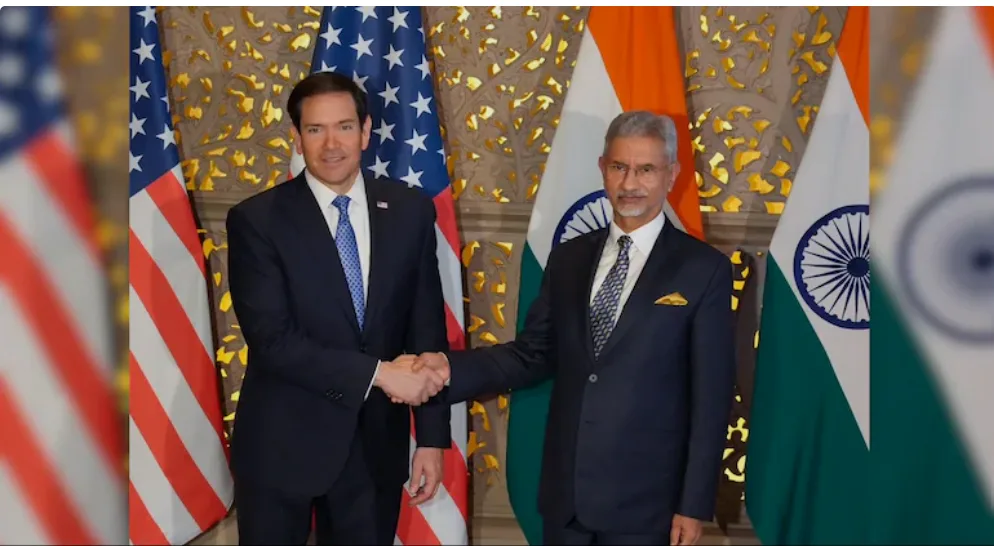
Marco Rubio says India and US share extraordinary alignment on key issues
US Secretary of State Marco Rubio said India and the United States share an extraordinary alignment on core issues, even though disagreements between the two countries may arise.

Om Prakash Mathur sworn in as Keralam Governor

PM Modi to inaugurate Rs 169-crore RBI data centre in Odisha on October 25

MEA responds after ITBP chief flags ongoing face-offs with China in Arunachal

Delhi High Court rejects Neha Bora’s plea against peace bond notice

Thousands bang utensils, beat drums in Manipur protest over continued killings

Congress seeks 175-200 seats in UP, Samajwadi Party stresses on winnability
Thousands bang utensils, beat drums in Manipur protest over continued killings
MEA responds after ITBP chief flags ongoing face-offs with China in Arunachal
Delhi High Court rejects Neha Bora’s plea against peace bond notice
PM Modi to inaugurate Rs 169-crore RBI data centre in Odisha on October 25

Afghan Men Try To Hang With The Jet Engine Of The Aircraft in Kabul- Afghanistan News – Kabul News
Trending Top 10 News: 10000 Crore Fine on Flipkart, Apple to Launch Unique Feature, Hdfc Bank Job Ad

Trending Top 10 News: Nokia 6310, Apple sales, Bachpan ka Pyar Video Kid, Dainik Bhaskar IT Raid

Trending Top 10 News: Canada bans Indian flights, Rain in Delhi NCR, AIMIM Twitter hacked, Raj Kundra case

Trending Top 10 News: Shein India, Apple New Service, Pocket Oxygen, Oppo Launched New Phone
-
 India News19 hours ago
Om Prakash Mathur sworn in as Keralam Governor
-
 India News19 hours ago
PM Modi to inaugurate Rs 169-crore RBI data centre in Odisha on October 25
-
 India News17 hours ago
MEA responds after ITBP chief flags ongoing face-offs with China in Arunachal
-
 India News18 hours ago
Delhi High Court rejects Neha Bora’s plea against peace bond notice
-
 India News5 hours ago
Thousands bang utensils, beat drums in Manipur protest over continued killings
-
 India News4 hours ago
Congress seeks 175-200 seats in UP, Samajwadi Party stresses on winnability
