English हिन्दी
Connect with us

Latest world news

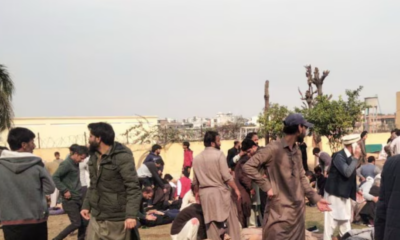
46 dead, 147 wounded in suicide bombing at Peshawar mosque

A suicide bombing at a mosque in Pakistan’s Peshawar city on Monday left at least 28 people dead and left another150 wounded, reports said.

Published

on

suicide bombing at a mosque in Pakistan

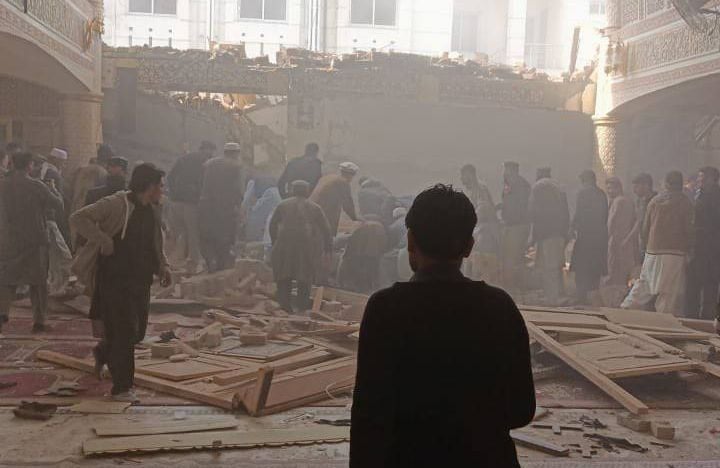
A suicide bombing at a mosque in Pakistan’s Peshawar city on Monday left at least 46 people dead and left another 147 wounded, reports said.

As per reports, the attack took place when worshippers gathered inside were offering afternoon prayers in the mosque in the northwestern city, the capital of Khyber Pakhtunkhwa province, bordered by Afghanistan.

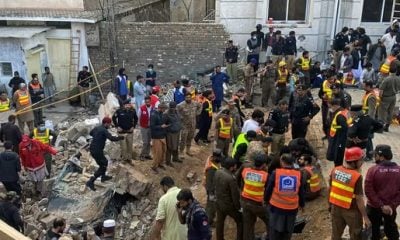
Police officials said a suicide bomber walked into the mosque where over 260 people were offering afternoon prayers and detonated his explosive vest causing a massive explosion. They said the roof of the mosque collapsed due to the blast and caved in burying many people underneath the debris.

Eyewitnesses said they saw blood-soaked survivors limping away from the blast site.

Reports quoted a police officer, Meena Gul, who survived the blast, as saying that he was inside the mosque when the blast occurred but could not provide details on the number of injured and dead in the attack.

Read Also: Devotees brawl inside Ajmer Sharif shrine, video viral | WATCH

Gul said he was disoriented and all he could hear was cries and screams after the bombing.

Officials said the wounded are being rushed to local medical facilities where many are stated to be in critical condition, raising fears that the death toll may rise.

No terrorist group has yet claimed responsibility for the attack; however, officials suspect this has all the markings of being the handiwork of the Tehreek-e-Taliban Pakistan (TTP), a close ally of the Afghan Taliban, who seized power in neighboring Afghanistan in August 2021 as U.S. and NATO troops were in the final stages of their pullout from the country after 20 years of war.

In March 2022, an Islamic State suicide bombing left 64 people dead at a minority Shiite mosque in Peshawar, the country’s deadliest terror attack since 2018.

Uttar Pradesh: Video of men flaunting weapon in moving car goes viral, internet users demand strict action | WATCH

Devotees brawl inside Ajmer Sharif shrine, video viral | WATCH

Latest world news

PM Modi speaks to Qatar, France, Jordan, Oman and Malaysia leaders on Middle East tensions

PM Modi held talks with leaders of five nations, stressing dialogue, condemning attacks on energy infrastructure and urging stability in the Middle East.

Published

on

PM Narendra Modi

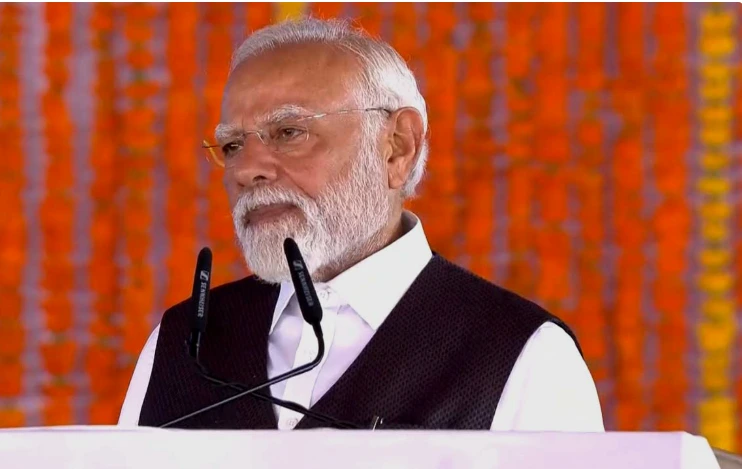
Prime Minister Narendra Modi held a series of high-level conversations with leaders from multiple countries, including Emmanuel Macron, as concerns grow over the escalating situation in the Middle East.

During separate telephonic discussions with leaders of Qatar, Jordan, Oman and Malaysia, the prime minister stressed the urgent need for de-escalation through dialogue and diplomacy. He also strongly condemned recent attacks targeting energy infrastructure in the region, warning that such actions could worsen tensions.

In his interaction with Qatar’s Amir, Sheikh Tamim bin Hamad Al Thani, PM Modi conveyed Eid greetings and reaffirmed India’s solidarity with the Gulf nation. He appreciated the support extended to the Indian community and reiterated the importance of ensuring safe and free navigation through the Strait of Hormuz.

Speaking with King Abdullah II, the prime minister again underlined the need for restoring peace and stability. Both leaders expressed concern over the evolving situation and agreed that attacks on energy infrastructure could trigger avoidable escalation. PM Modi also acknowledged Jordan’s assistance in facilitating the safe return of stranded Indian nationals.

In a separate exchange with French President Emmanuel Macron, the leaders discussed the urgent need to reduce tensions and maintain diplomatic efforts. Both sides agreed to continue close coordination to support peace initiatives in the region.

PM Modi also spoke with Haitham bin Tariq, where the two leaders emphasised prioritising dialogue for restoring stability. The prime minister condemned violations of Oman’s sovereignty and appreciated its role in helping evacuate people, including Indian citizens.

During his conversation with Malaysian Prime Minister Anwar Ibrahim, PM Modi exchanged festive greetings and discussed the broader regional situation. Both leaders reaffirmed their commitment to resolving the crisis through peaceful means.

These diplomatic engagements come amid heightened tensions following military actions involving the United States, Israel and Iran. India has consistently advocated for stability in the region, given its strategic and economic interests, particularly in energy security and maritime trade routes.

Continue Reading

Latest world news

Russian oil tanker rerouted to India amid Middle East crisis, to reach Mangaluru on March 21

A Russian oil tanker bound for China has been diverted to India as Middle East tensions disrupt global energy supply chains.
Published

on

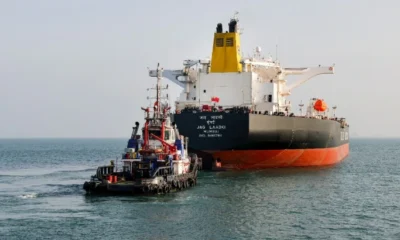
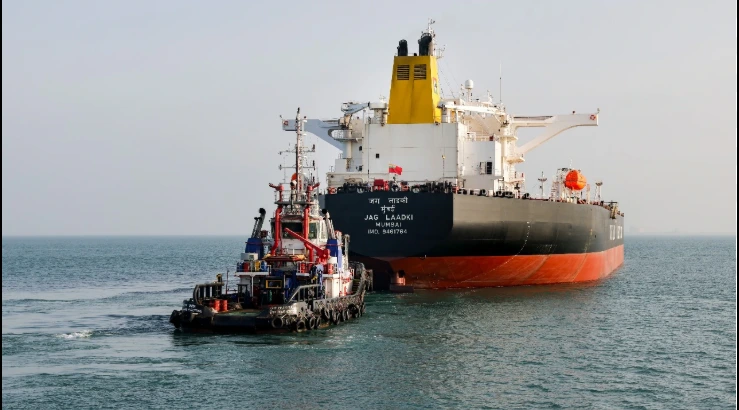
A Russian oil tanker carrying around 7.7 lakh barrels of crude oil is set to arrive at India’s New Mangalore port on March 21 after changing its original route to China, a senior government official said on Thursday.

The vessel, Aqua Titan, which sails under the Cameroon flag, departed from a Russian port on January 18. It altered its course while in the South China Sea and is now heading towards India, reflecting shifting global oil trade patterns amid ongoing geopolitical tensions.

Middle East conflict disrupts global supply

The diversion comes against the backdrop of escalating conflict in the Middle East. The ongoing war involving Iran, along with its retaliatory strikes on Gulf nations, has significantly disrupted oil and natural gas exports from the region. These disruptions have also led to temporary production halts in key energy facilities.

Since the conflict began on February 28, at least four Indian-flagged vessels carrying oil and gas cargo have already reached Indian ports safely.

Indian vessels stranded near Strait of Hormuz

According to the Ministry of Ports, Shipping and Waterways, a large number of Indian vessels remain stuck near the Strait of Hormuz, a critical global oil transit route.

Currently, 22 Indian-flagged cargo ships, along with 611 seafarers, are stranded in the western part of the Persian Gulf. Additionally, two loaded Indian vessels are positioned in the eastern section of the Strait.

Officials confirmed that authorities, including the Directorate General of Shipping, are closely monitoring the situation in coordination with shipowners, recruitment agencies, and Indian embassies. All Indian crew members in the region are reported to be safe, with no incidents recorded in the past 24 hours.

Global shipping crisis deepens

The disruption is not limited to Indian vessels. Around 700 ships from various countries have reportedly been stranded near the Strait of Hormuz for nearly 20 days. This has impacted global oil flows, with nearly 20 percent of crude supplies from the Middle East failing to reach international markets.

India, which imports about 85 percent of its crude oil needs from over 40 countries, is among the nations most affected by the crisis.

Oil prices surge amid attacks on energy infrastructure

Amid rising tensions, global crude prices have surged sharply, with Brent crude crossing $115 per barrel. Iran has threatened further strikes on regional energy installations following attacks linked to Israeli actions.

Recent incidents include missile strikes on Qatar’s Ras Laffan LNG facility, drone attacks on a Saudi refinery along the Red Sea, and fires reported at oil installations in Kuwait.

Government steps up monitoring and response

Authorities have stepped up efforts to manage the situation. The Directorate General of Shipping has facilitated the return of over 472 Indian seafarers so far, including 25 repatriated in the last 24 hours.

Despite the global disruption, India’s ports continue to operate without congestion. Officials confirmed that ports have sufficient storage capacity and are maintaining strict monitoring of vessel movement and cargo handling operations.

Continue Reading

Latest world news

Iran strike on Qatar LNG hub raises concerns for India’s energy security

Iran’s missile strike on Qatar’s LNG facility has disrupted global supply chains, posing risks for India’s energy imports and pricing.
Published

on

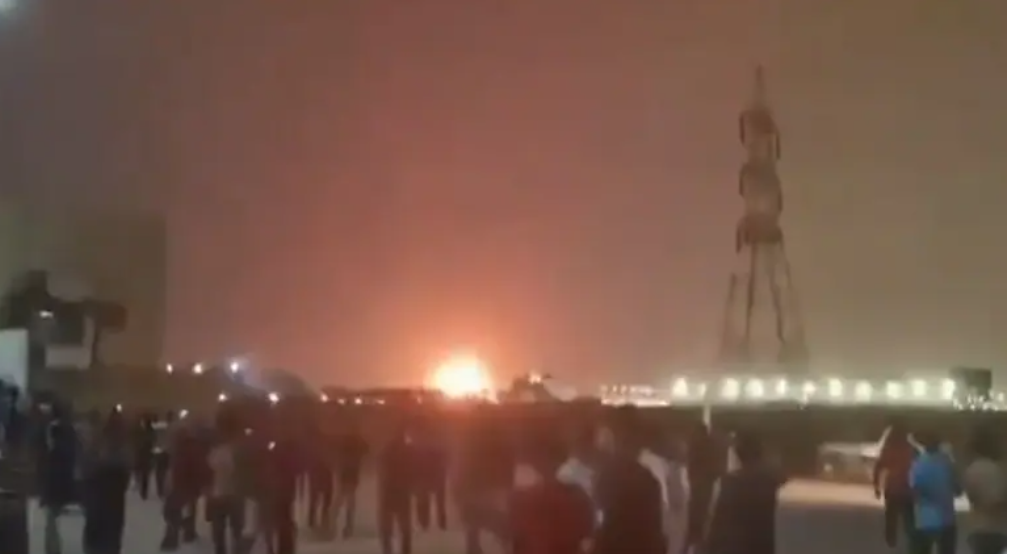
Heightened tensions in the Middle East have begun to ripple across global energy markets after Iran launched a missile strike on Ras Laffan, Qatar’s largest liquefied natural gas (LNG) facility. The attack has intensified fears of prolonged supply disruptions and rising fuel costs, with countries like India expected to feel the impact sharply.

The Gulf region has emerged as the focal point of escalating hostilities, with Iran targeting energy infrastructure and US-linked assets following strikes by the United States and Israel. The latest attack on Qatar’s key LNG hub has reportedly forced a complete halt in production at the facility, which is among the largest of its kind globally.

Qatar is a major LNG exporter and ranks alongside the United States, Australia and Russia in global supply. The disruption is not an isolated incident. Earlier in March, missile strikes on Qatari gas fields had already compelled QatarEnergy to suspend operations temporarily. These developments are linked to retaliatory actions following an Israeli strike on Iran’s South Pars gas field, part of the world’s largest natural gas reserve.

The broader conflict has also affected maritime activity in the Strait of Hormuz, a critical route that carries nearly one-fifth of the world’s oil supply. With rising threats to shipping, tanker movement has slowed significantly, pushing global oil and gas prices higher.

The situation has further escalated with continued strikes and counterstrikes across the region. Reports indicate heavy casualties in Iran, while missile and drone attacks continue to target strategic assets. The conflict, now in its third week, has effectively turned key shipping lanes into high-risk zones, with hundreds of cargo vessels stranded near major Gulf ports.

Impact on India

India is particularly vulnerable to these disruptions due to its reliance on imported natural gas. Around 50 percent of the country’s gas demand is met through imports, with Qatar accounting for a significant share.

According to energy economist Kirit Parikh, India sources roughly 40 percent of its LNG imports from Qatar, translating to about 20 percent of its total gas consumption. Any prolonged disruption could therefore strain domestic supply.

India’s current daily natural gas consumption stands at about 189 million metric standard cubic meters per day (MMSCMD), with nearly half met through domestic production. However, a portion of imported supply—estimated at 47.4 MMSCMD—has already been affected due to force majeure conditions.

In response, state-run gas companies have started sourcing LNG cargoes from alternative suppliers. However, such arrangements are likely to come at higher costs, adding pressure on industries dependent on gas, particularly the power sector.

Experts suggest that if the crisis persists, India may need to rationalise gas consumption, prioritising essential sectors while cutting usage in others.

Continue Reading

Trending

© Copyright 2022 APNLIVE.com