
Latest world news
Saudi forces attack Shia-Muharram tents in Qatif


Amidst ongoing rivalry with Iran, Saudi Arabia’s security forces continued its anti-Shia campaign in Kingdom’s eastern province of Qatif by attacking tents especially erected for having mourning rituals during the lunar Islamic calendar month of Muharram.
In the Middle Eastern countries, Tuesday was the first day of Muharram while the martyrdom day of Imam Hussein, the 10th of Muharram will be commemorated on Thursday next. However, Indian Muslims declared Wednesday as first of Muharram because of late appearance of the moon in the sub-continent.
According to the reports coming out of Saudi Arabia through social media along with the pictures of the vandalized tents indicate that the regime’s troops have attacked tents set up in the kingdom’s Shia-populated Qatif region in preparation for the mourning rituals.
Read More: Saudi Arabia leads Arab nations in condemning Iran, Hezbollah
Activists have reported through social media that at least 20 tents have so far been attacked and vandalized by Saudi forces since Tuesday. The forces have also been removing Shia signs under the pretext of ridding the region of what they call “visual pollution.” Social media users shared photos of the aftermath of the Saudi raids.
A group of activists announced about the ongoing attacks through Arabic language tweets.
? القطيف: إرتفاع عدد المواقع العاشورائية المهدمة إلى (٢٠) على الأقل منذ بداية المحرم.
يُذكر أن بعض المواقع تم هدمها على السيارات المتوقفة بجانبها ما أدى لوقوع أضرار فيها.
وتتنوع المواقع العاشورائية بين مضائف وأخرى ثقافية، ومخيمات تبرع بالدم، وخدمات مساندة للحسينيات المجاورة. pic.twitter.com/aVJttweaXP
— قناة أحرار (@QanatAhrar) September 13, 2018
Shias wear black clothes and mount special flags on their buildings in respect of the martyrdom anniversary of Prophet Muhammed’s grandson Imam Hussein, his family members and companions.
Imam Hussein and his 72 companions were martyred in the Battle of Karbala by the army of the tyrant of the time, the Umayyad caliph, Yazid I, in 680 AD.
Read More: War of words sharpens between Hezbollah and Saudi rulers
Qatif, situated in Saudi Arabia’s Eastern Province, has witnessed anti-regime protests since 2011, with demonstrators demanding free speech, release of political prisoners, and an end to economic and religious discrimination. They allege that Shias are not given equal opportunities and were being discriminated in all spheres of life.
Since 2011, when Arab spring occurred in several countries in the region leading to change of guard in Egypt, Tunisia and Libya and rise of opposition in Bahrain and Yemen, Riyadh has suppressed pro-democracy rallies. But the discrimination was intensified after January 2016 when Saudi Arabia executed respected Shia cleric Ayatollah Sheikh Nimr al-Nimr.









Latest world news
Top US counterterrorism official resigns over Iran war, cites conscience
Joseph Kent steps down as US counterterrorism chief, questioning the justification for the Iran war and citing moral concerns.


Latest world news
Fire near Dubai International Airport after drone incident, flights temporarily suspended
Flights at Dubai International Airport were temporarily suspended after a drone-related incident caused a fuel tank fire near the facility. Authorities confirmed the blaze was contained and no injuries were reported.

Latest world news
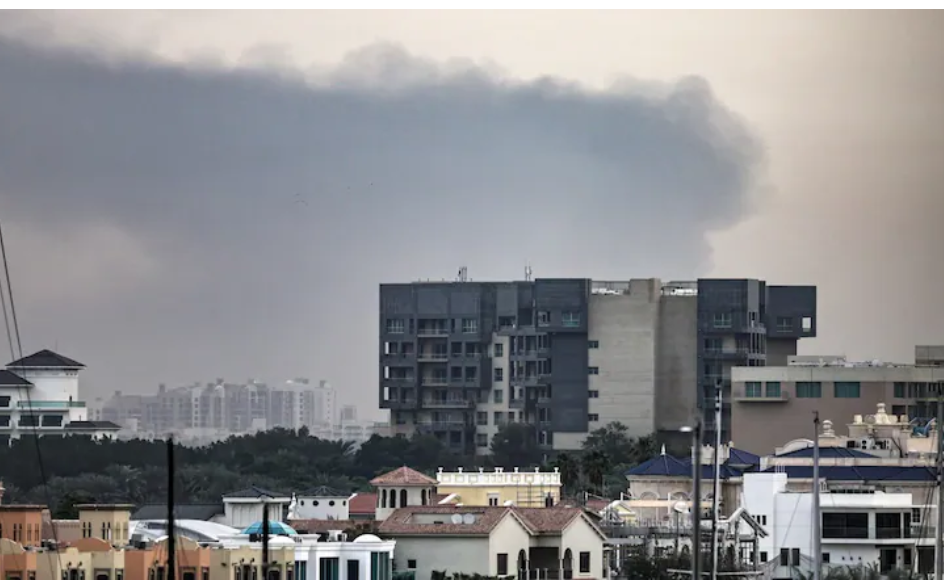
Dubai hit again within 24 hours as debris strikes building, drone targets US embassy in Baghdad
A building in Dubai’s financial hub was struck by debris from an intercepted attack while a drone targeted the US embassy in Baghdad, officials said.

Om Birla likely to move motion to revoke suspension of 8 opposition MPs today

Pakistan airstrike allegations on Kabul hospital leave hundreds dead, claims Taliban

Mamata Banerjee writes to poll chief over officers’ reshuffle, calls move arbitrary

Maharashtra passes freedom of religion bill with jail term up to 10 years

Centre assures action on LPG supply disruption, court closes distributors’ plea

Top US counterterrorism official resigns over Iran war, cites conscience

Mamata Banerjee warns BJP, EC over Bengal polls, says they will be accountable
Centre assures action on LPG supply disruption, court closes distributors’ plea
Om Birla likely to move motion to revoke suspension of 8 opposition MPs today
Maharashtra passes freedom of religion bill with jail term up to 10 years

Afghan Men Try To Hang With The Jet Engine Of The Aircraft in Kabul- Afghanistan News – Kabul News
Trending Top 10 News: 10000 Crore Fine on Flipkart, Apple to Launch Unique Feature, Hdfc Bank Job Ad

Trending Top 10 News: Nokia 6310, Apple sales, Bachpan ka Pyar Video Kid, Dainik Bhaskar IT Raid

Trending Top 10 News: Canada bans Indian flights, Rain in Delhi NCR, AIMIM Twitter hacked, Raj Kundra case

Trending Top 10 News: Shein India, Apple New Service, Pocket Oxygen, Oppo Launched New Phone
-
 India News20 hours ago
Om Birla likely to move motion to revoke suspension of 8 opposition MPs today
-
 India News21 hours ago
Pakistan airstrike allegations on Kabul hospital leave hundreds dead, claims Taliban
-
 India News21 hours ago
Mamata Banerjee writes to poll chief over officers’ reshuffle, calls move arbitrary
-
 India News20 hours ago
Maharashtra passes freedom of religion bill with jail term up to 10 years
-
India News11 hours ago
Centre assures action on LPG supply disruption, court closes distributors’ plea
-
 Latest world news9 hours ago
Top US counterterrorism official resigns over Iran war, cites conscience
-
 India News9 hours ago
Mamata Banerjee warns BJP, EC over Bengal polls, says they will be accountable
