
Latest world news
UN condemns “excessive” Israeli force against Palestinians


The UN General Assembly has condemned Israel for excessive use of force against Palestinian civilians, in a resolution adopted by a strong majority of 120 countries on Wednesday.
According to reports, the 193-member world body rejected the United States’ efforts to blame Gaza’s Hamas rulers for the violence that has killed over 120 Palestinians in the past two and half months. The resolution deplores Israel’s use of “excessive, disproportionate and indiscriminate force” against Palestinians.
Presented by Algeria and Turkey on behalf of Arab and Muslim countries, the measure won a decisive 120 votes, with eight votes against and 45 abstentions. The UNGA resolutions are not legally binding but carry political weight.
The resolution, which came weeks after US vetoed a similar resolution at UNSC, was opposed by Israel, US, Australia, the Marshall Islands, Micronesia, Nauru, Solomon Islands and Togo.
According to Aljazeera, at least 129 Palestinians have been killed by Israeli forces in Gaza border protests since March 30 to commemorate 70 years since the Nakba (or Catastrophe), when about 750,000 Palestinians were driven out from their homes. The protests are part of the “Right to return” campaign.
 May 14, the day when US moved its embassy from Tel Aviv to Jerusalem, witnessed the largest number of deaths. Palestinians and their supporters said most protesters were unarmed civilians and Israel used excessive force against them.
Palestinian UN envoy Riyad Mansour told the General Assembly before the vote,”We need protection of our civilian population,” and the resolution was “intended to contribute to a de-escalation of the volatile situation. We cannot remain silent in the face of the most violent crimes and human rights violations being systematically perpetrated against our people.”
Israel claims that many of the Palestinian protesters were armed and that the Israeli army was defending itself against attacks on the border fence with Gaza. US has maintained Israel’s right to defend itself.
The UN General Assembly resolution also asked UN chief Antonio Guterres to report back within 60 days on proposals “on ways and means for ensuring the safety, protection and well-being of the Palestinian civilian population under Israeli occupation, including … recommendations regarding an international protection mechanism.”
Meanwhile, the US Ambassador Nikki Haley has dismissed the resolution as “one-sided” and accused Arab countries of trying to score political points at home by seeking to condemn Israel at the United Nations. “For some, attacking Israel is their favourite political sport. That’s why we are here today,” Haley told the Assembly.
An amendment presented by the US that condemned Hamas for “inciting violence” along the border with Gaza failed to garner the two-thirds majority needed for adoption.
In December last year 128 countries defied US President Donald Trump and voted in favour of a UN General Assembly resolution calling for the US to drop its recognition of Jerusalem as Israel’s capital. Several protests took place in various countries opposing US decision to recognize Jerusalem as Israel’s capital and relocation of its embassy to the holy city.







Latest world news
Iran strike on Qatar LNG hub raises concerns for India’s energy security
Iran’s missile strike on Qatar’s LNG facility has disrupted global supply chains, posing risks for India’s energy imports and pricing.


Latest world news
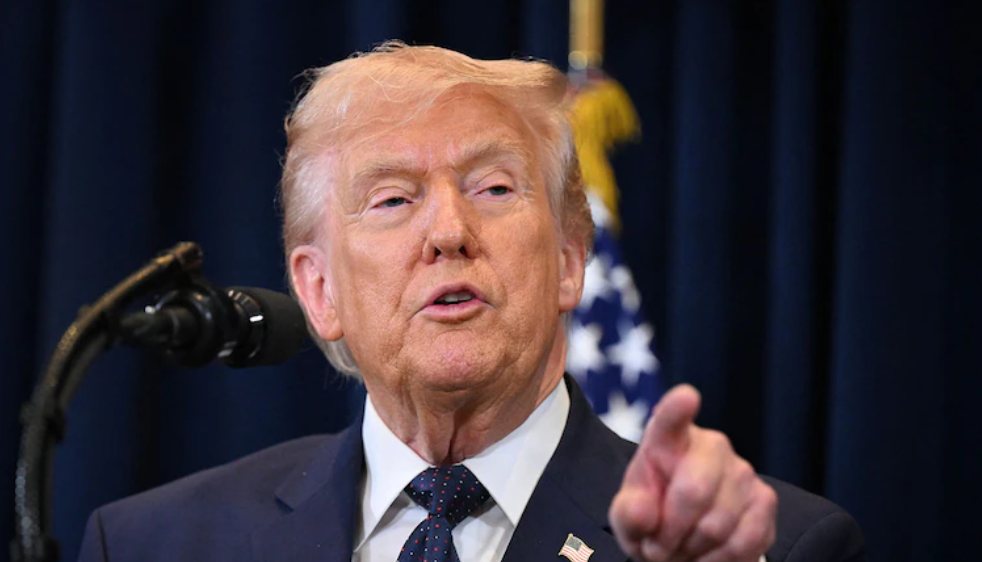
Trump warns of escalation after Iran hits Qatar LNG sites amid Gulf tensions
Trump warns of massive retaliation if Iran targets Qatar again after LNG facility attacks, as Gulf tensions push oil prices higher
Latest world news
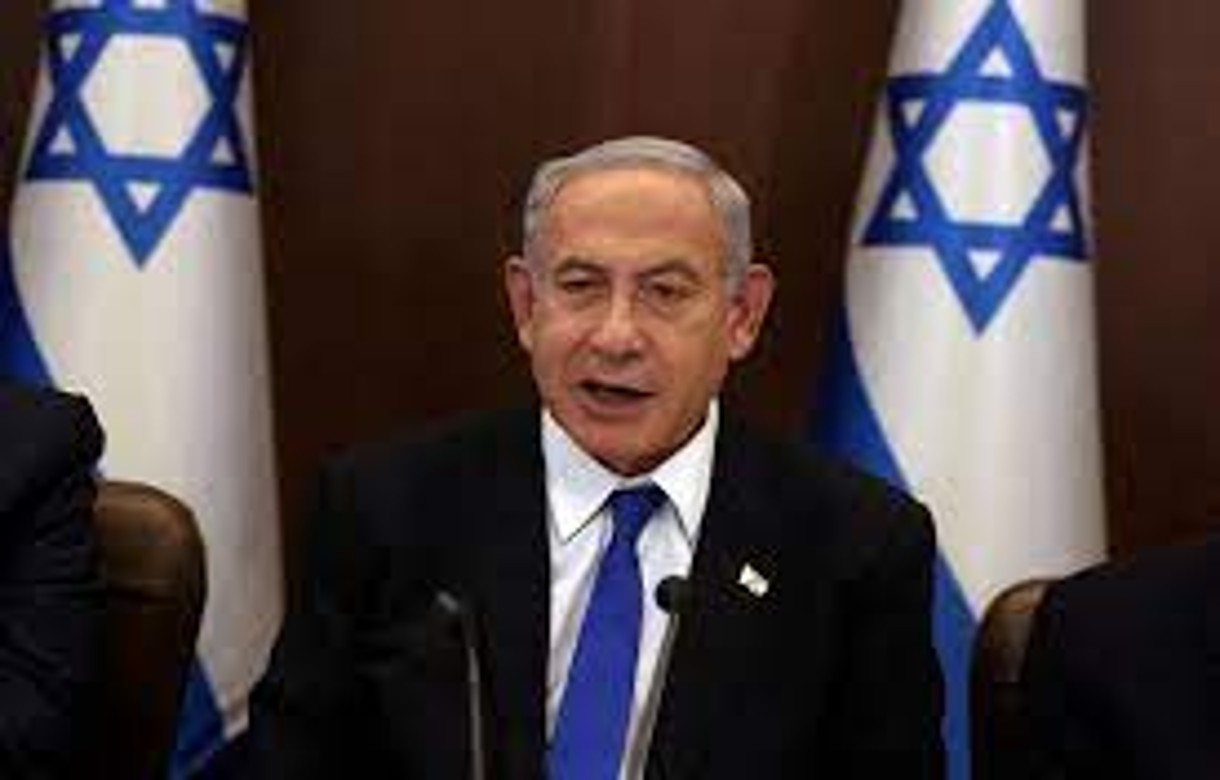
Netanyahu dismisses death rumours in video with US envoy, says I’m alive
Israel PM Benjamin Netanyahu has denied viral claims about his death, appearing in a video with US envoy Mike Huckabee and mocking online conspiracy theories.

Centre pushes states to cut levies to boost PNG adoption

BJP seals Assam seat-sharing pact, Modi to hold 3 rallies in April

Delhi-NCR sees second spell of rain and thunderstorms in four days

Deve Gowda hits back at Kharge’s married PM jibe, calls congress tie-up abusive relationship

Trump warns of escalation after Iran hits Qatar LNG sites amid Gulf tensions

Iran strike on Qatar LNG hub raises concerns for India’s energy security
Deve Gowda hits back at Kharge’s married PM jibe, calls congress tie-up abusive relationship

Markets tumble as oil crosses $110, sensex falls over 1,900 points
Trump warns of escalation after Iran hits Qatar LNG sites amid Gulf tensions
Delhi-NCR sees second spell of rain and thunderstorms in four days

Afghan Men Try To Hang With The Jet Engine Of The Aircraft in Kabul- Afghanistan News – Kabul News
Trending Top 10 News: 10000 Crore Fine on Flipkart, Apple to Launch Unique Feature, Hdfc Bank Job Ad

Trending Top 10 News: Nokia 6310, Apple sales, Bachpan ka Pyar Video Kid, Dainik Bhaskar IT Raid

Trending Top 10 News: Canada bans Indian flights, Rain in Delhi NCR, AIMIM Twitter hacked, Raj Kundra case

Trending Top 10 News: Shein India, Apple New Service, Pocket Oxygen, Oppo Launched New Phone
-
 India News20 hours ago
Centre pushes states to cut levies to boost PNG adoption
-
 India News20 hours ago
BJP seals Assam seat-sharing pact, Modi to hold 3 rallies in April
-
 India News18 hours ago
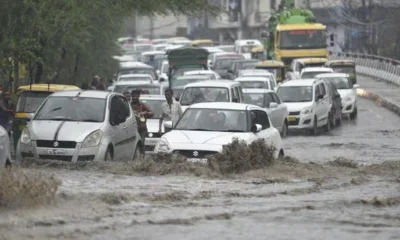
Delhi-NCR sees second spell of rain and thunderstorms in four days
-
 India News5 hours ago
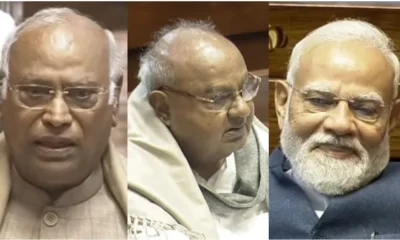
Deve Gowda hits back at Kharge’s married PM jibe, calls congress tie-up abusive relationship
-
 Latest world news5 hours ago
Trump warns of escalation after Iran hits Qatar LNG sites amid Gulf tensions
-
India News5 hours ago
Markets tumble as oil crosses $110, sensex falls over 1,900 points
-
 Latest world news4 mins ago
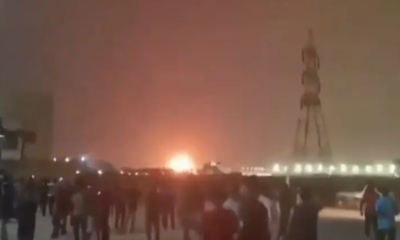
Iran strike on Qatar LNG hub raises concerns for India’s energy security
