
Latest world news
UN Head calls for de-escalation in Syria-Israel theatre


Iran says Israeli claim of shooting down its drone is ridiculous
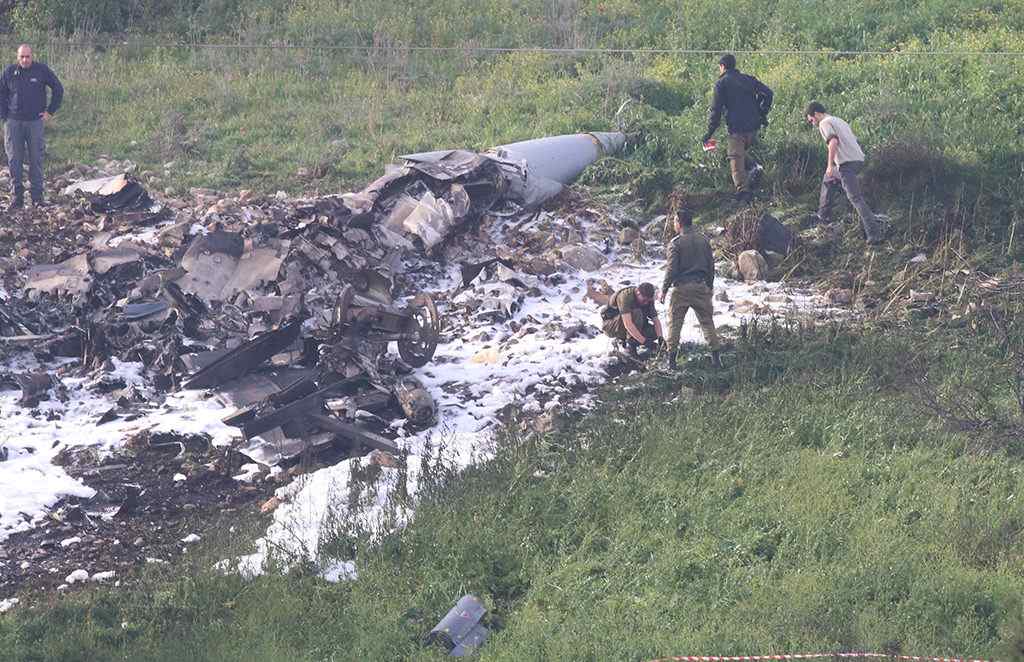
UN Secretary-General Antonio Guterres has called for an immediate de-escalation in Syria-Israel theatre after reports of Syrian forces shooting down Israeli F-16 warplane and Tel Aviv’s claim of downing Iranian made drone in its territory.
UN spokesman Stephane Dujarric said in a statement on Saturday,“ Guterres is following closely the alarming military escalation throughout Syria and the dangerous spillover across its borders,”
According to official SANA news agency, “Syrian Air Defense confronted an Israeli enemy aggression on one of the military positions at the central region and hit more than one Israeli aircrafts. Later, the Air Defense also confronted another Israeli aggression on Damascus countryside.”
Russian Foreign Ministry has also expressed concern about the latest developments in Syria and called on the sides to exercise restraint and avoid escalation of the situation.
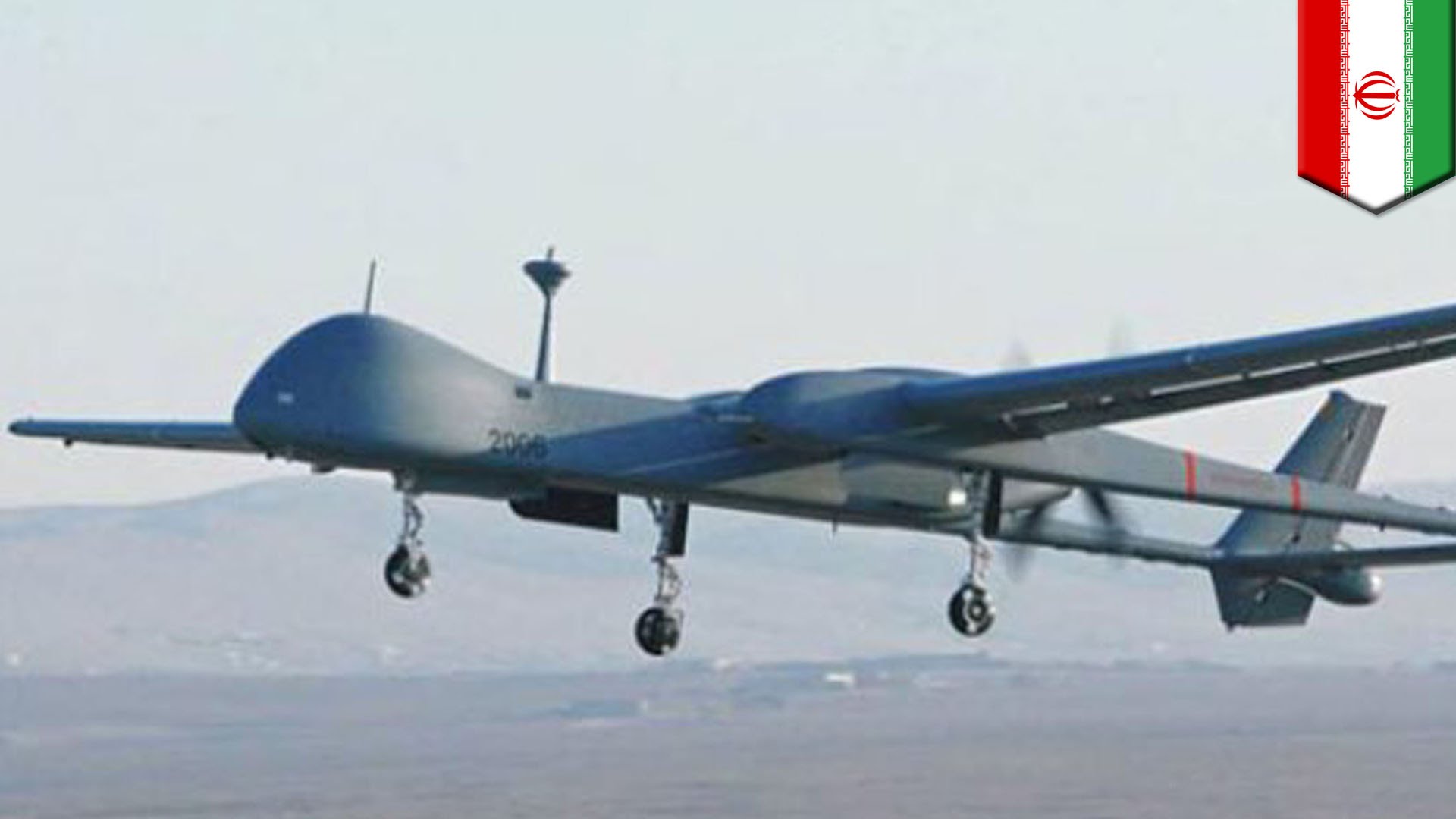
In the meantime, Iran has rejected Israel’s claim of shooting down Iranian made drone in its territory on Saturday as “ridiculous” and clarified that Islamic Republic’s military advisory presence in Syria is at the request “constitutional and legitimate” government in that country.
According to Tehran based Press TV, Bahram Qassemi, the spokesman of Iranian Foreign Ministry said on Saturday, “Claims about the flight of an Iranian drone … are too ridiculous to be addressed because the Islamic Republic of Iran has advisory presence in Syria at the request of the country’s legitimate and constitutional government.”
“The government and army of Syria as an independent country have a legitimate right to defend [the country’s] territorial integrity and counter any type of foreign aggression,” he reportedly said.
The spokesman emphasized that the “illegitimate Israeli regime cannot cover up its atrocities and crimes against Muslim nations in the region by playing a blame game and spreading lies.”
Meanwhile, Ali Akbar Velayati, adviser to country’s supreme leader Ayatollah Ali Khamenei on international affairs, while speaking to the reporters in Tehran on Saturday said that the Syrian government and nation have proved that they would sacrifice themselves to “safeguard their country’s territorial integrity, security and independence.”
He further said that Syrian people have achieved victory in an “international war”, in which more than 80 countries dispatched terrorists to that country.
On the other hand Tel Aviv based Haaretz quoted military sources saying that Israeli army decided to shoot down Iranian drone over its territory in an attempt to prove Tehran was operating in Syria against Israel.
The Israeli army said that Iran’s Islamic Revolutionary Guards Corps (IRGC)’s Quds Force have been active for a long period of time from the T-4 Syrian air force base near to Palmyra. It claims that they are supported by Syrian army with approval of the Assad regime.
 While describing the events leading to the crash of Israeli F-16 by Syrian forces, Haaretz said that “In response to the incursion by an Iranian drone, Israeli aircraft stuck Iranian targets in Syria, with a barrage of Syrian air-defense missiles bringing down an Israeli F-16 over Israel. Following the downing of the Israeli fighter jet, Israel said it carried out “large scale strikes” in Syria targeting Syrian air-defense batteries and four Iranian sites.”
Reuters also confirmed the situation which led to downing of Israeli F-16 warplane. A report compiled by its correspondents based in Jerusalem and Beirut said, “Anti-aircraft fire downed an Israeli warplane returning from a bombing raid on Iran-backed positions in Syria Saturday in the most serious confrontations yet between Israel and Iranian-backed forces based across the border.”
The agency, quoting an Israeli official, further reports that “The F-16, one of at least eight Israeli planes dispatched in response to what Israel said was an Iranian drone’s incursion into its airspace earlier in the day, was hit by a Syrian anti-aircraft missile and crashed in northern Israel.
Another Reuters report quoted Hezbollah condemning the Israeli aggression saying that Saturday marked the “start of a new strategic phase”. It also said that exploitation of Syrian airspace will be limited. “Today’s developments mean the old equations have categorically ended.”




Latest world news
S Jaishankar says India is a natural option for Russia amid Europe tensions
External Affairs Minister S Jaishankar said India remained a natural option for Russia as Moscow increasingly turned towards Asia amid strained relations with Europe. He highlighted the continuity of India-Russia ties and their significance for the balance of power in Asia.


Latest world news
Putin praises PM Modi, says he has very good ideas on Ukraine war
Russian President Vladimir Putin has praised Prime Minister Narendra Modi for repeatedly raising the need to end the Ukraine war, describing his ideas for a settlement as “very good”.

Latest world news
S Jaishankar calls Pakistan a “serial practitioner of terrorism” at UN
S Jaishankar criticised Pakistan at the UN General Assembly, referring to a “serial practitioner of terrorism” and warning against attempts to normalise terrorism.

Dhruv Rathee gets fresh summons in 2018 BJP IT cell video case

Nobody can browbeat judiciary, Chief Justice warns over Rahul Gandhi’s march

India-US trade deal first phase finalised, drafting underway

Election Commission orders voter roll revision in 17 states, UTs

Actor Imran Khan asked to leave India after CJP protest

Delhi Police offers 11-person limit for CJP’s Connaught Place protest
Actor Imran Khan asked to leave India after CJP protest
Election Commission orders voter roll revision in 17 states, UTs
India-US trade deal first phase finalised, drafting underway
Nobody can browbeat judiciary, Chief Justice warns over Rahul Gandhi’s march

Afghan Men Try To Hang With The Jet Engine Of The Aircraft in Kabul- Afghanistan News – Kabul News
Trending Top 10 News: 10000 Crore Fine on Flipkart, Apple to Launch Unique Feature, Hdfc Bank Job Ad

Trending Top 10 News: Nokia 6310, Apple sales, Bachpan ka Pyar Video Kid, Dainik Bhaskar IT Raid

Trending Top 10 News: Canada bans Indian flights, Rain in Delhi NCR, AIMIM Twitter hacked, Raj Kundra case

Trending Top 10 News: Shein India, Apple New Service, Pocket Oxygen, Oppo Launched New Phone
-
 India News13 hours ago
Dhruv Rathee gets fresh summons in 2018 BJP IT cell video case
-
 India News10 hours ago
Nobody can browbeat judiciary, Chief Justice warns over Rahul Gandhi’s march
-
 India News6 hours ago
India-US trade deal first phase finalised, drafting underway
-
 India News3 hours ago
Election Commission orders voter roll revision in 17 states, UTs
-
 India News3 hours ago
Actor Imran Khan asked to leave India after CJP protest
-
 India News2 hours ago
Delhi Police offers 11-person limit for CJP’s Connaught Place protest
