
Latest world news
US pushing Arab-NATO allies against Iran


James Mattis says reports of US war against Iran is “fiction”
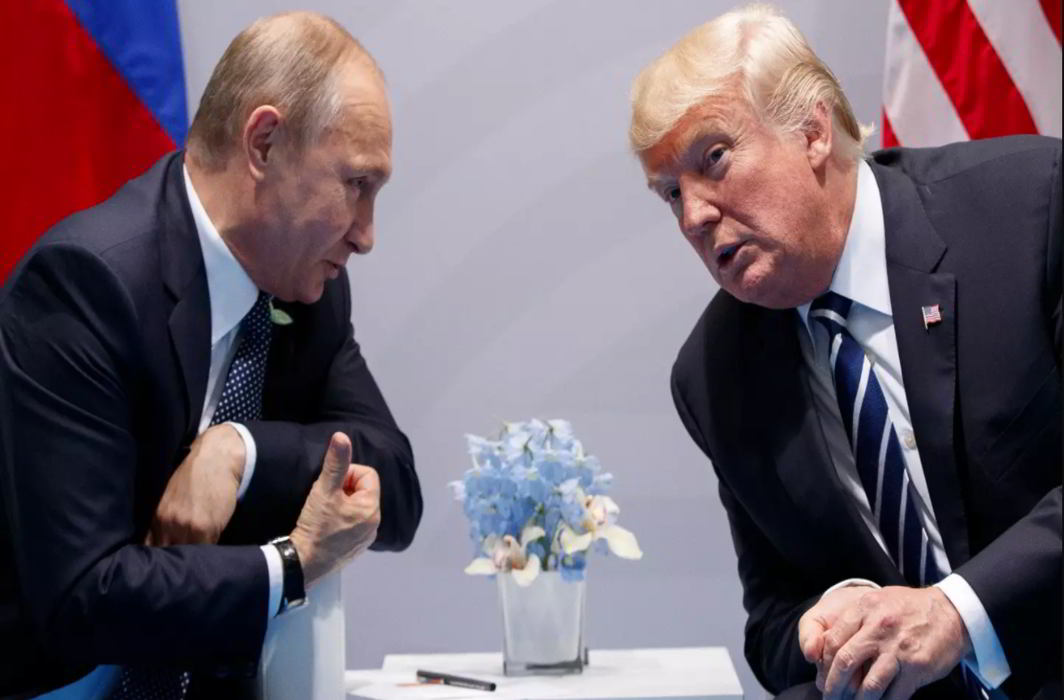
The contradictory statements and reports have been emanating from Washington over US intention for a possible war against Iran. Reuters, quoting US and Arab sources, reports that the Trump administration is quietly pushing ahead with a bid to create a new security and political alliance with six Gulf Arab states, Egypt and Jordan, in part to counter Iran’s expansion in the region.
Australia’s ABC news has also published an article on Thursday saying the US could initiate a missile strike against Iran as early as next month.
However, Washington based The Hill reports that US Defense Secretary James Mattis on Friday disputed a news report that US was preparing military action against Iran, calling it “fiction.”
Read More: US-Iran lock horns on strategic Hormuz waterway
“I have no idea where the Australian news people got that information,” Mattis told reporters. “I’m confident it is not something that’s being considered right now, and I think it’s a complete — frankly, it’s — it’s fiction.”
Meanwhile, Australian Prime Minister Malcolm Turnbull has also denied the report, which cites unnamed Australian officials. “It’s speculation,” Turnbull said, according to The Straits Times. “It is citing anonymous sources.”
 Reuters report says that the White House wants to see deeper cooperation between the countries on missile defence, military training, counter-terrorism and other issues such as strengthening regional economic and diplomatic ties, four sources said.
Describing the details further Reuters report said that the plan to forge what officials in the White House and Middle East have called an “Arab NATO” of Sunni Muslim allies will likely raise tensions between the United States and Shi’ite Iran, two countries increasingly at odds since President Donald Trump took office.
The administration’s hope is that the effort, tentatively known as the Middle East Strategic Alliance (MESA), might be discussed at a summit provisionally scheduled for Washington on Oct. 12-13, several sources said.
Read More: Trump Warns Iran Not To “Threaten” Or Face “Consequences”
The White House confirmed it was working on the concept of the alliance with “our regional partners now and have been for several months.”
Saudi officials raised the idea of a security pact ahead of a Trump visit last year to Saudi Arabia where he announced a massive arms deal, but the alliance proposal did not get off the ground, a U.S. source said.
Sources from some of the Arab countries involved also said they were aware of renewed efforts to activate the plan. Officials from other potential participants did not respond to requests for comment.
White House National Security Council’s spokesperson was quoted saying, “MESA will serve as a bulwark against Iranian aggression, terrorism, extremism, and will bring stability to the Middle East.”
US, Saudi Arabia and UAE accuse Iran of destabilizing the region, fomenting unrest in some Arab countries through proxy groups and increasingly threatening Israel. Arabs allege that opposition Shia groups in Bahrain and Houthis in Yemen were supported by Tehran.








Latest world news
Magnitude 7 earthquake strikes Tibet after floods
A magnitude 7 earthquake struck northern Tibet on Thursday, October 22. The tremor came weeks after deadly flash floods and landslides hit the mountainous region near the Nepal-China border. Initial reports did not confirm casualties or damage from the earthquake.


Latest world news
Macron rejects Trump’s immigration claims over France riots
French President Emmanuel Macron criticised Donald Trump and other foreign leaders over their comments on France’s recent unrest. Macron rejected claims that the country was being overrun by migrants and Islamists, calling such assertions false.

Latest world news
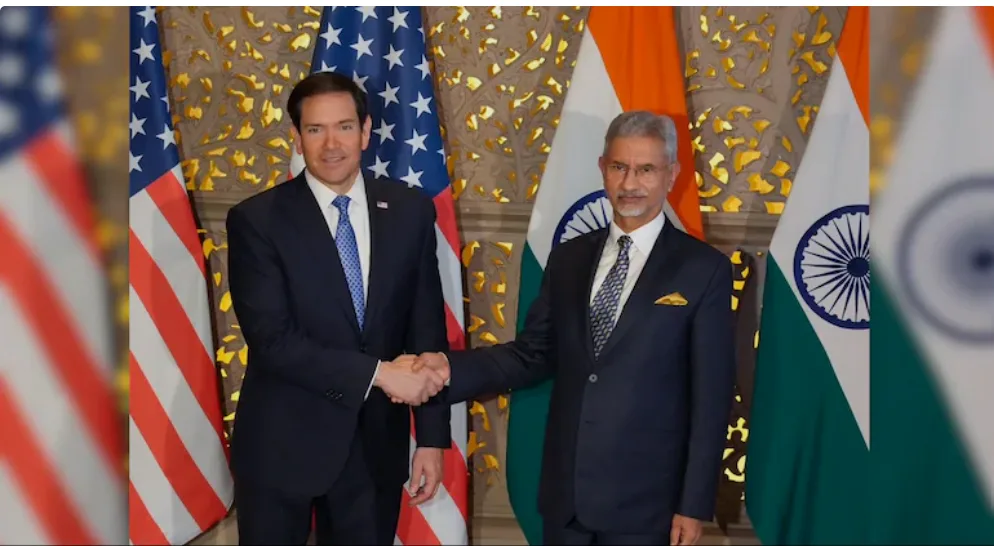
Marco Rubio says India and US share extraordinary alignment on key issues
US Secretary of State Marco Rubio said India and the United States share an extraordinary alignment on core issues, even though disagreements between the two countries may arise.

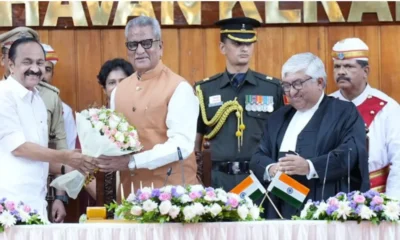
Om Prakash Mathur sworn in as Keralam Governor

PM Modi to inaugurate Rs 169-crore RBI data centre in Odisha on October 25

MEA responds after ITBP chief flags ongoing face-offs with China in Arunachal

Delhi High Court rejects Neha Bora’s plea against peace bond notice

Thousands bang utensils, beat drums in Manipur protest over continued killings

Congress seeks 175-200 seats in UP, Samajwadi Party stresses on winnability
Thousands bang utensils, beat drums in Manipur protest over continued killings
MEA responds after ITBP chief flags ongoing face-offs with China in Arunachal
Delhi High Court rejects Neha Bora’s plea against peace bond notice
PM Modi to inaugurate Rs 169-crore RBI data centre in Odisha on October 25

Afghan Men Try To Hang With The Jet Engine Of The Aircraft in Kabul- Afghanistan News – Kabul News
Trending Top 10 News: 10000 Crore Fine on Flipkart, Apple to Launch Unique Feature, Hdfc Bank Job Ad

Trending Top 10 News: Nokia 6310, Apple sales, Bachpan ka Pyar Video Kid, Dainik Bhaskar IT Raid

Trending Top 10 News: Canada bans Indian flights, Rain in Delhi NCR, AIMIM Twitter hacked, Raj Kundra case

Trending Top 10 News: Shein India, Apple New Service, Pocket Oxygen, Oppo Launched New Phone
-
 India News23 hours ago
Om Prakash Mathur sworn in as Keralam Governor
-
 India News23 hours ago
PM Modi to inaugurate Rs 169-crore RBI data centre in Odisha on October 25
-
 India News21 hours ago
MEA responds after ITBP chief flags ongoing face-offs with China in Arunachal
-
 India News21 hours ago
Delhi High Court rejects Neha Bora’s plea against peace bond notice
-
 India News8 hours ago
Thousands bang utensils, beat drums in Manipur protest over continued killings
-
 India News8 hours ago
Congress seeks 175-200 seats in UP, Samajwadi Party stresses on winnability
