
India News
With 73 per cent people trusting its government, India tops OECD survey

[vc_row][vc_column][vc_column_text]USA and Greece stands in the bottom position due to their various internal issues
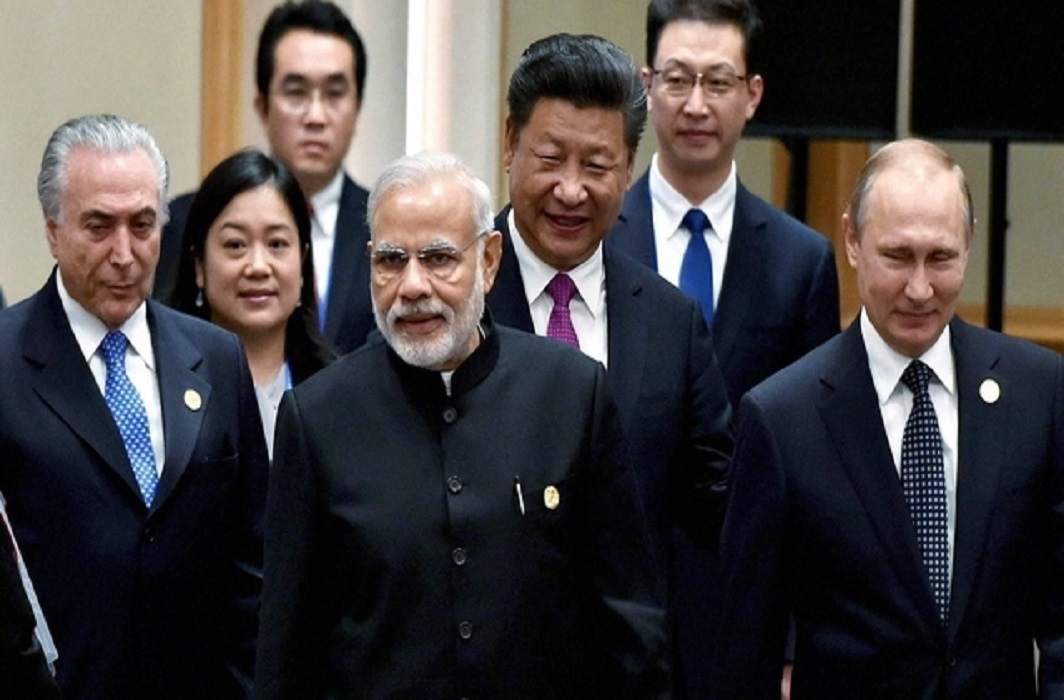
Surpassing the other countries, India has topped in a survey conducted by the Organisation for Economic Co-operation and Development (OECD) on how much a country trusts its government. The report ‘Government at a Glance 2017’ revealed that with 73 percent, India sits firmly at the top, while Canada under Justin Trudeau’s government comes second having earned the confidence of 62 per cent of its people. Turkey (58 percent), Russia (58 percent) and Germany has also secured spots in top five.
However, Greece was given the lowest rank as it continues to struggle with its finances and global loan defaults, and has been bailed out by the European Union.
Also, the United States with merely 30 percent was unable to grab the higher position because of the ongoing President Donald Trump controversies over the various fake news, scandals and allegations over Russian collusion.
According to the experts, government trust levels are generally determined by whether or not people consider their government stable and reliable, if it’s able to protect its citizens from risk and whether it can effectively deliver public services.
Trust in government serves as a driving force for a country’s economic development, makes governmental decisions more effective and leads to greater compliance with regulations and the tax system.
The main aim of the OECD is to promote policies that can improve the economic and social well-being of people around the world. It also provides a forum in which governments can work together to share experiences and seek solutions to common problems.
This organisation also looks at issues that directly affect everyone’s daily life, like how much people pay in taxes and social security, and how much leisure time they can take. It also compares how different countries school systems are readying their young people for modern life, and how different countries’ pension systems will look after their citizens in old age.[/vc_column_text][/vc_column][/vc_row]











India News
Indore voter deletions: 1.36 lakh names, but digital records not maintained
Replies to an RTI concerning 1,36,552 voter deletions in Indore in 2022 said several constituency offices had not maintained the requested digital records.

India News
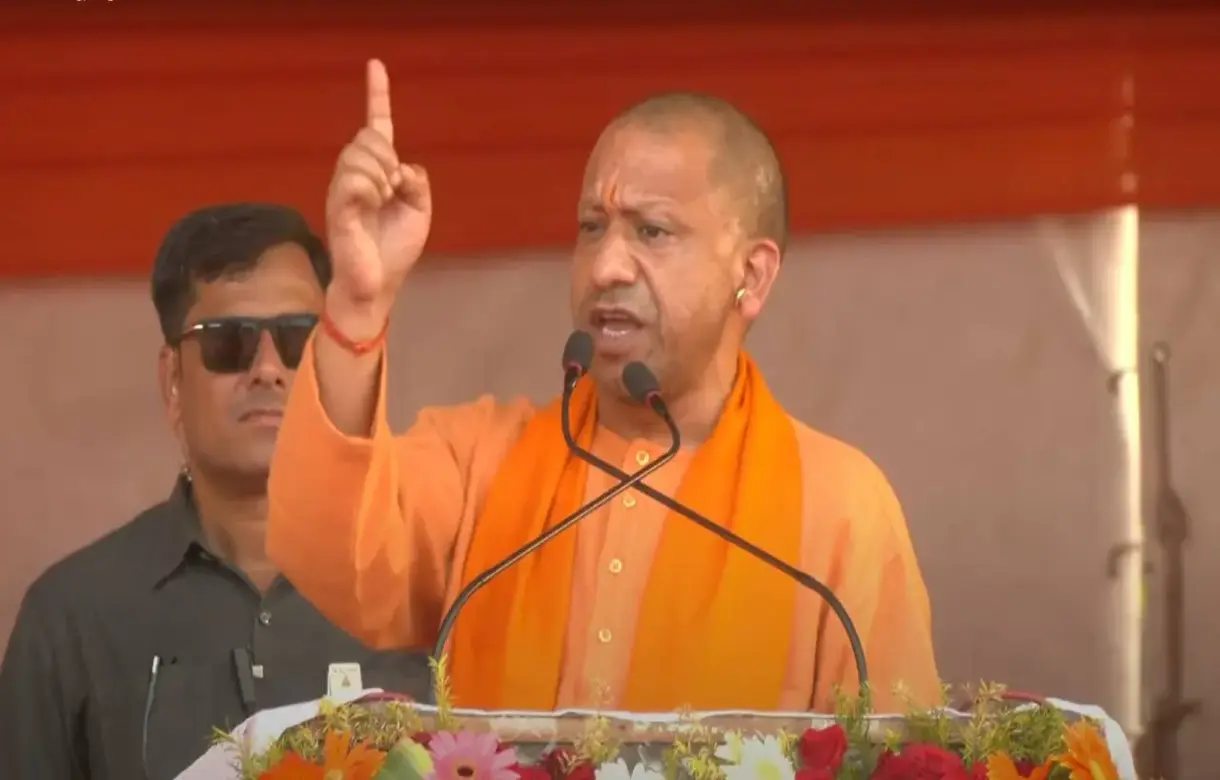
Yogi Adityanath transfers over Rs. 148 crore to 4.60 lakh students
Uttar Pradesh Chief Minister Yogi Adityanath transferred over Rs. 148 crore to the bank accounts of more than 4.60 lakh students under the state’s scholarship and fee reimbursement programme.
India News
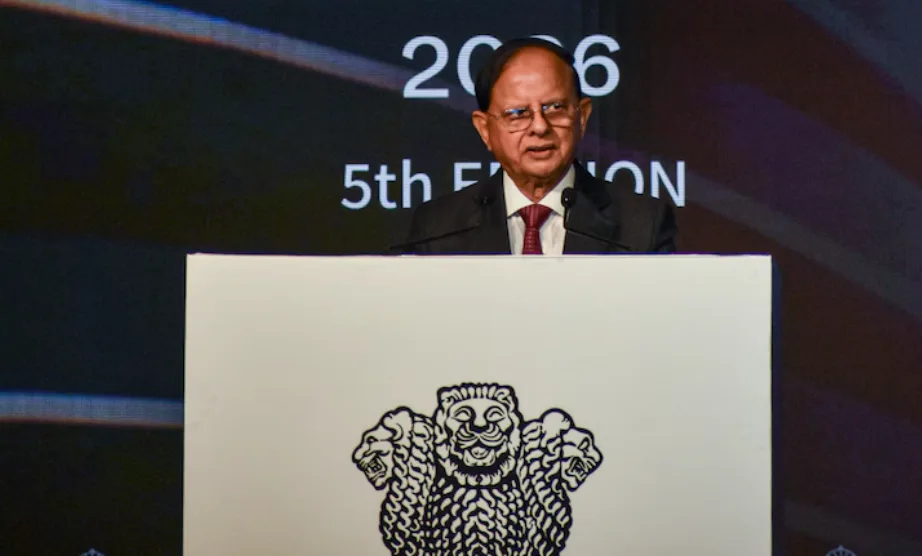
Tariffs, export controls increasingly used for strategic purposes, says PM’s Principal Secretary
PM’s Principal Secretary P K Mishra said tariffs, export controls and other restrictions are increasingly being used for strategic purposes amid growing global economic uncertainty.

MK Stalin attacks Vijay government over hindi signboard in Tamil Nadu

700 detained as Delhi, Mumbai see protests against Gyanesh Kumar

New UP Congress chief Aradhana Mishra backs stronger alliance with SP

CJP announces October 10 Delhi protest against Gyanesh Kumar

India beat Pakistan by 19 runs to win Asian Games cricket gold

Indore voter deletions: 1.36 lakh names, but digital records not maintained

Yogi Adityanath transfers over Rs. 148 crore to 4.60 lakh students

Tariffs, export controls increasingly used for strategic purposes, says PM’s Principal Secretary
India beat Pakistan by 19 runs to win Asian Games cricket gold
New UP Congress chief Aradhana Mishra backs stronger alliance with SP

Afghan Men Try To Hang With The Jet Engine Of The Aircraft in Kabul- Afghanistan News – Kabul News
Trending Top 10 News: 10000 Crore Fine on Flipkart, Apple to Launch Unique Feature, Hdfc Bank Job Ad

Trending Top 10 News: Nokia 6310, Apple sales, Bachpan ka Pyar Video Kid, Dainik Bhaskar IT Raid

Trending Top 10 News: Canada bans Indian flights, Rain in Delhi NCR, AIMIM Twitter hacked, Raj Kundra case

Trending Top 10 News: Shein India, Apple New Service, Pocket Oxygen, Oppo Launched New Phone
-
 India News22 hours ago
MK Stalin attacks Vijay government over hindi signboard in Tamil Nadu
-
 India News22 hours ago
700 detained as Delhi, Mumbai see protests against Gyanesh Kumar
-
 India News9 hours ago
New UP Congress chief Aradhana Mishra backs stronger alliance with SP
-
 India News10 hours ago
CJP announces October 10 Delhi protest against Gyanesh Kumar
-
 Cricket news3 hours ago
India beat Pakistan by 19 runs to win Asian Games cricket gold
-
 India News2 hours ago
Tariffs, export controls increasingly used for strategic purposes, says PM’s Principal Secretary
-
 India News2 hours ago
Yogi Adityanath transfers over Rs. 148 crore to 4.60 lakh students
-
India News48 mins ago
Indore voter deletions: 1.36 lakh names, but digital records not maintained
