
Latest Politics News
Gaining political ground till few months ago, Congress once again loses the plot in Gujarat

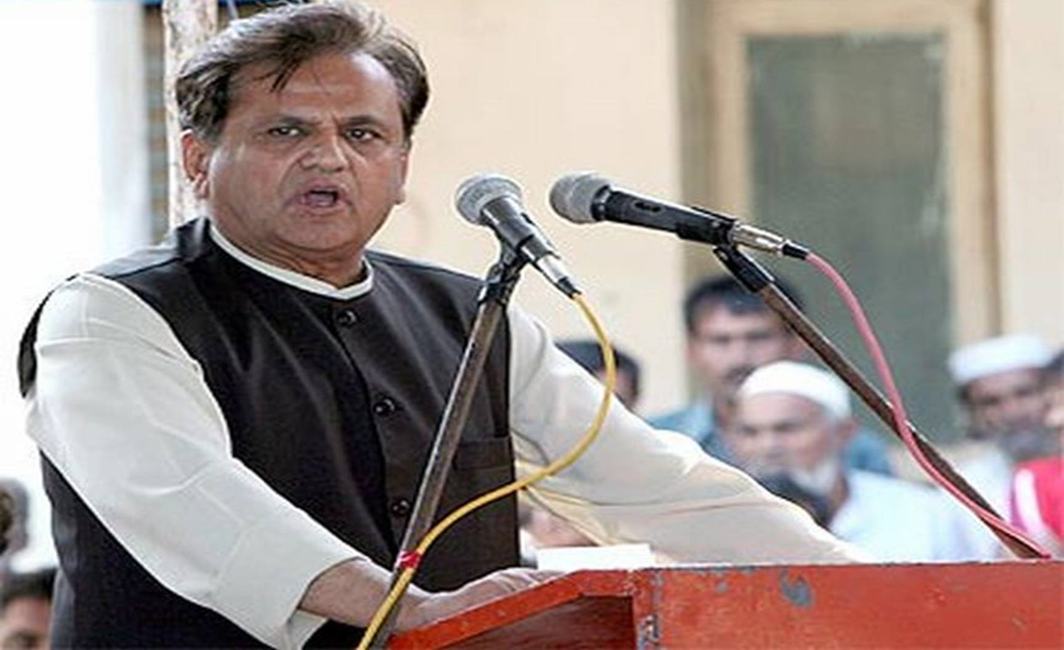
[vc_row][vc_column][vc_column_text]With imminent defeat of Congress president Sonia Gandhi’s political secretary Ahmed Patel in the Aug 8 RS polls, grand old party stares at another humiliation
By Puneet Nicholas Yadav
The signs are clear. There’s another humiliation coming the Congress’ way – and this time, for reasons that are more inter-personal than purely political, it could hit much closer home than the slew of poll debacles that the grand old party has faced over the past three years or the more recent collapse of its Mahagathbandhan government in Bihar where it was a minor partner.
Gujarat, where the Congress had till a few months ago, hoped to finally make incremental electoral gains in the Assembly polls due in December this year, is once again slipping away. And the indications of the Congress party’s perilous ride ahead have come in earlier than expected: 11 of its legislators cross-voted in the Presidential polls for BJP nominee Ram Nath Kovind; senior leader Shankersinh Vaghela predictably quit the party, and now the Congress is staring at an imminent defeat for its candidate – Ahmed Patel – in the Rajya Sabha polls due on August 8.
Six of the party’s 57 MLAs have resigned over the past three days, three of them have joined the BJP and speculation is rife that at least a dozen more may quit in the days to come. As a last ditch effort to keep its flock together, the Congress has flown 44 of its MLAs to the Egleton Resort near Ramanagara in Bengaluru, hoping that they would stay with the party at least till they cast their votes for Ahmed Patel in the RS polls. But then, the lure of five star hospitality isn’t really a guarantee for support in politics and it is uncertain whether these legislators will indeed do what their party wants them to.
But the Rajya Sabha election of Ahmed Patel – and his possible defeat in it – will assume greater significance for the Congress party for it won’t be just another defeat of just another candidate – those the Congress has had aplenty in recent years and even collectively they haven’t really been able to jolt the Grand Old Party out of its slumber.
For starters, Patel – a four-term Rajya Sabha member from Gujarat since 1993 – is the political secretary to Congress president Sonia Gandhi and though he maintains a low-profile and rarely ever interacts with the media, it is widely known that Sonia rarely ever takes any important political decision without discussing it first with Patel. As such, Patel enjoys a clout within the Congress leadership that is matched by no other party leader – with the exception of Sonia and her son, party vice-president Rahul Gandhi.
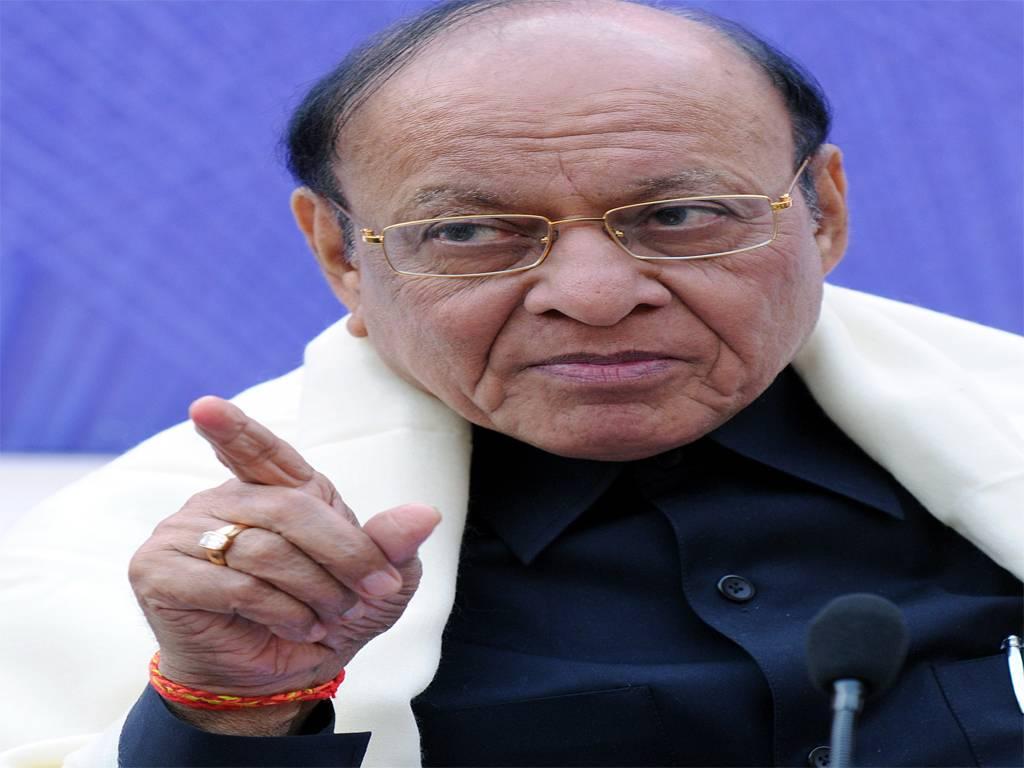
The immediate reason for Patel’s possible defeat in the RS polls is being attributed to defections being orchestrated by Vaghela – who had left the BJP to join the Congress nearly two decades ago but quit the Congress last week, ostensibly upset over the party’s reluctance to name him as its chief ministerial candidate ahead of the December 2017 assembly polls in Gujarat. However, Congress leaders from the state as well as some of Patel’s detractors in the AICC, say that Vaghela is only the face of the party’s latest trouble. There is a much bigger message that the party wants to send to Sonia by ensuring Patel’s defeat – that she, and Patel by proxy, can’t continue to run Congress’ affairs in Gujarat in the same manner as they do now and that the grassroots workers and state leadership can no longer be run roughshod over.
“Let’s face it.The Congress party’s position in Gujarat is not going to improve if Madam (read Sonia) continues to rely solely on Ahmed Patel to run the party’s affairs in Gujarat. Rahul doesn’t seem interested in the party anyway. Ahmed bhai knows that given the access he has to the party president, no leader will confront him directly but if he loses the election then the party might start listening to others too,” said a senior Gujarat Congress leader, requesting anonymity.
Raghavjee Patel, Congress MLA from Jamnagar (rural) who is considered close to Vaghela, was more forthcoming with his displeasure with the party’s internal affairs. “No senior leader wants to listen to us. I had seen this situation coming several months ago and had even told Ahmed Patel that he’ll lose the RS poll if corrective steps aren’t taken within the state Congress but he chose to not do anything. We can’t meet Sonia Gandhi directly because Ahmed bhai keeps a close watch on her appointments,” Raghavjee said.
In a clear sign of his frustration with the party leadership, Raghavjee admitted that he too was going to resign from the Congress in days to come. “What other option do I have when no one is willing to hear me in my own party”, he said, adding rather candidly: “In politics, no one wants to continue with the losing side. Ours is a bipolar state and the BJP is the only other player. It would be my natural choice once I quit the party,” he said.
Senior leaders feel that Patel’s defeat could finally force the Congress high command to wonder how it allowed things to reach such a pass in Gujarat.
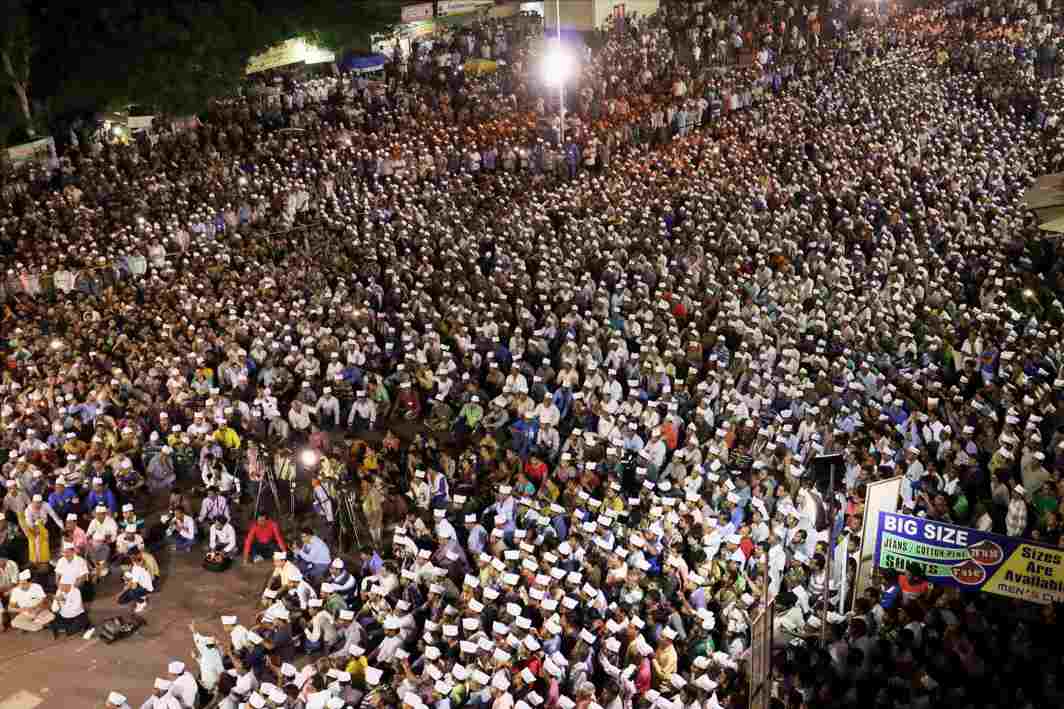
Although out of power in the state for almost 30 years – and nearly marginalized in the post-2002 riots era by then chief minister and now Prime Minister Narendra Modi – the Congress had been hopeful of substantial gains in Gujarat till just a few months ago. The Patel agitation led by Hardik Patel, the Dalit agitation after the barbaric flogging of Dalits in Una, the shaky innings of Anandiben Patel as chief minister post Modi and the massive anti-GST protests in Surat and Ahmedabad, had finally given enough ammunition to the Congress to launch a full-frontal attack on the BJP, abetted by a finally visible anti-incumbency.
But then, in its classic Grand Old style, the Congress seems to have squandered away its golden opportunity of reclaiming Gujarat once again. With BJP national president Amit Shah now set to enter Rajya Sabha from the state, the Congress will find itself in an even more troubled spot – in national politics, inside the Parliament and certainly in Gujarat.
Perhaps, like he claimed to have seen the power-swap of Nitish Kumar coming some three months ago, Rahul Gandhi may have a premonition about the Gujarat debacle too. But as is his ‘style’, it seems he’s willing to do little to correct what’s going so terribly wrong for his party.[/vc_column_text][/vc_column][/vc_row]







India News
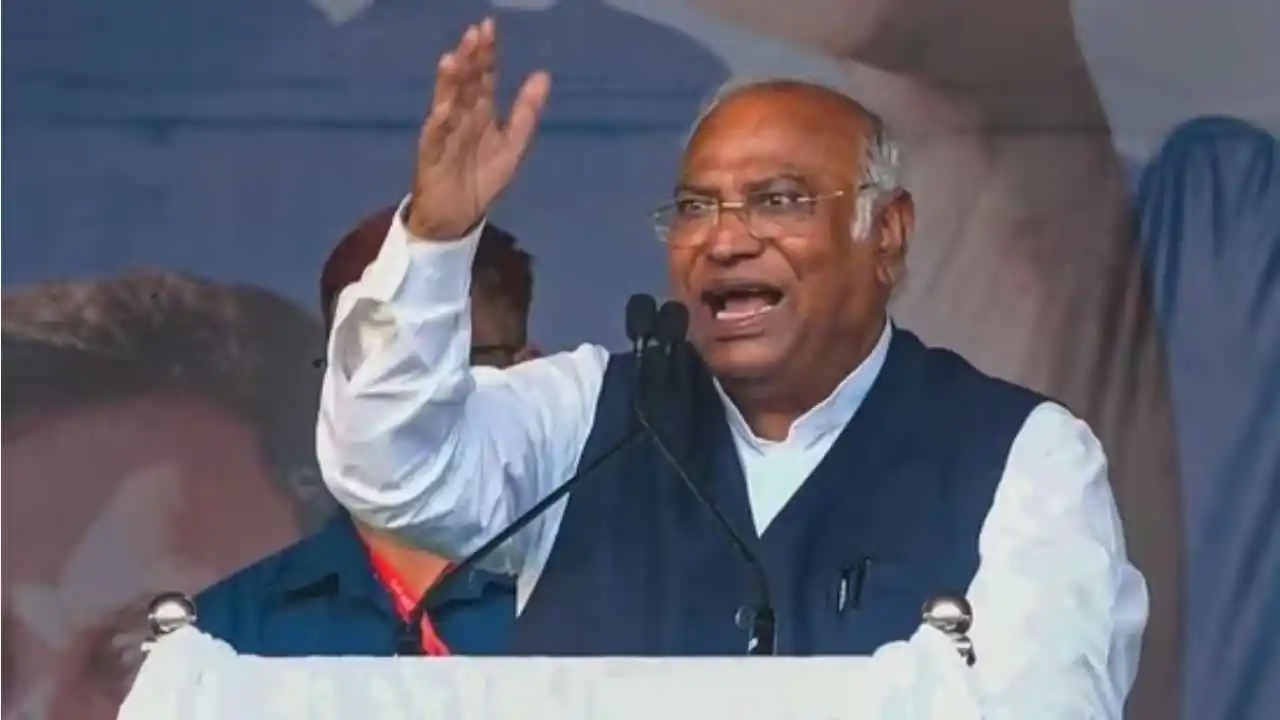
Mallikarjun Kharge seeks all-party meeting with PM Modi on delimitation
Congress president Mallikarjun Kharge has written to Prime Minister Narendra Modi for the fourth time, seeking an all-party meeting on delimitation. He also flagged the 64-day delay in proroguing Parliament’s Monsoon Session.

India News
CJP leaders Saurav Das, Ashutosh Ranka, Ajinkya Shinde sent to 5-day judicial custody
Three CJP leaders, Saurav Das, Ashutosh Ranka and Ajinkya Shinde, were placed under preventive arrest following a protest at Delhi’s Jantar Mantar over Chief Election Commissioner Gyanesh Kumar.

India News
BJP focuses on religion as opposition pushes BDM strategy in UP
The BJP is emphasising religious issues ahead of the Uttar Pradesh Assembly elections, while opposition parties are seeking to consolidate Backward, Dalit and Minority voters. Recent exchanges involving Yogi Adityanath, Akhilesh Yadav and Asaduddin Owaisi have added to the political contest over the state’s electoral narrative.


Delhi Police offers 11-person limit for CJP’s Connaught Place protest

Actor Imran Khan asked to leave India after CJP protest

Magnitude 7 earthquake strikes Russia’s Kamchatka Peninsula

Mallikarjun Kharge’s ‘Your Friends’ jab at Rahul Gandhi over congress exits

Delhi deploys 25,000 personnel, installs CCTV cameras ahead of CJP march

Mallikarjun Kharge seeks all-party meeting with PM Modi on delimitation

Abhijeet Dipke detained ahead of CJP’s national flag march in Delhi
Magnitude 7 earthquake strikes Russia’s Kamchatka Peninsula
Delhi deploys 25,000 personnel, installs CCTV cameras ahead of CJP march
Mallikarjun Kharge’s ‘Your Friends’ jab at Rahul Gandhi over congress exits

Afghan Men Try To Hang With The Jet Engine Of The Aircraft in Kabul- Afghanistan News – Kabul News
Trending Top 10 News: 10000 Crore Fine on Flipkart, Apple to Launch Unique Feature, Hdfc Bank Job Ad

Trending Top 10 News: Nokia 6310, Apple sales, Bachpan ka Pyar Video Kid, Dainik Bhaskar IT Raid

Trending Top 10 News: Canada bans Indian flights, Rain in Delhi NCR, AIMIM Twitter hacked, Raj Kundra case

Trending Top 10 News: Shein India, Apple New Service, Pocket Oxygen, Oppo Launched New Phone
-
 India News23 hours ago
Delhi Police offers 11-person limit for CJP’s Connaught Place protest
-
 India News24 hours ago
Actor Imran Khan asked to leave India after CJP protest
-
 Latest world news11 hours ago
Magnitude 7 earthquake strikes Russia’s Kamchatka Peninsula
-
 India News11 hours ago
Mallikarjun Kharge’s ‘Your Friends’ jab at Rahul Gandhi over congress exits
-
 India News11 hours ago
Delhi deploys 25,000 personnel, installs CCTV cameras ahead of CJP march
-
 India News2 hours ago
Abhijeet Dipke detained ahead of CJP’s national flag march in Delhi
-
 India News31 mins ago
Mallikarjun Kharge seeks all-party meeting with PM Modi on delimitation
