
India News
Mercedes Maybach worth Rs 12 crore added to PM Modi’s convoy, here’s list of his car collection
The latest addition to PM Narendra Modi’s convoy is a Mercedes-Maybach S 650 Guard which is worth Rs 12 crore.

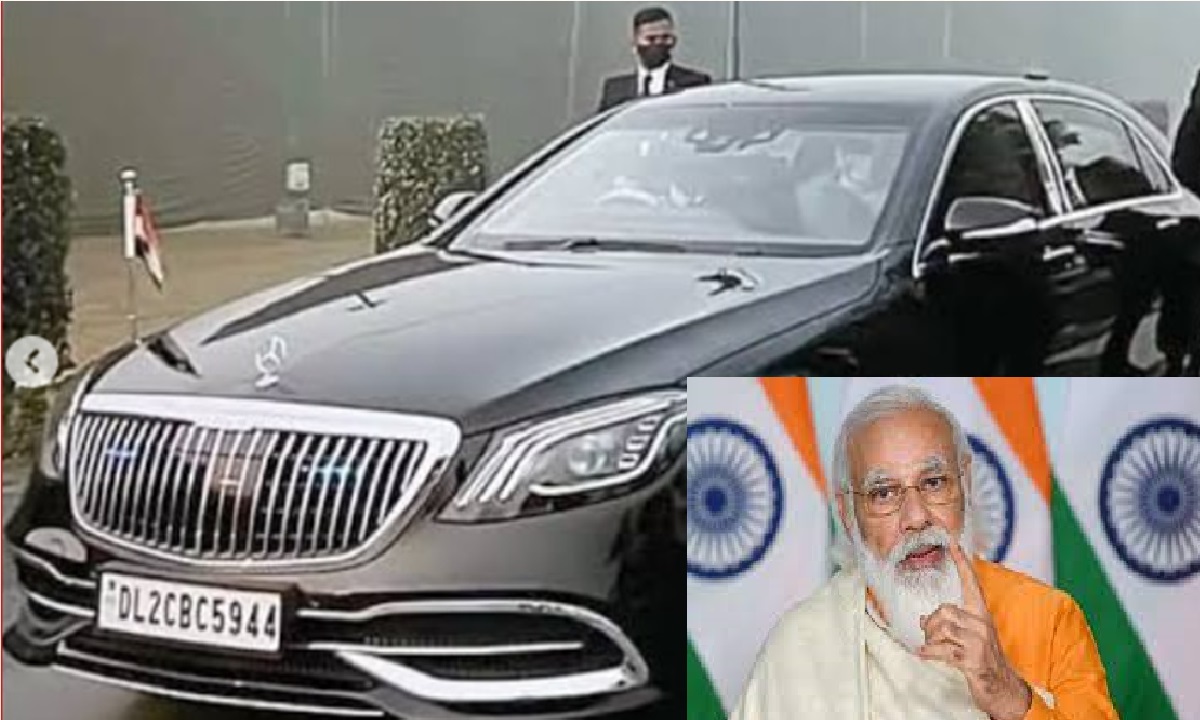
Narendra Modi, the Prime Minister of India, is one to always find a place in the headlines. Today is no different. This time it is not the prime minister himself, who is the main topic of this breaking news. It is his latest car that has caught everyone’s attention.
The latest vehicle and its features
The latest addition to PM Narendra Modi’s convoy is a Mercedes-Maybach S 650 Guard which is worth Rs 12 crore. The car was spotted at Hyderabad House, Delhi, when the Prime Minister arrived to welcome Vladmir Putin, the President of Russia. The mercedes comes with VR10-level protection. The highest level of armoured protection that is available on a production car is offered by the Mercedes car. The windows and body shell have been upgraded to withstand bullets. The car can even take an assault from AK-46 vehicles. The car is capable of protecting occupants from a 15kg TNT blast from a distance of two metres. Hence, it gets an Explosive Resistant Vehicle (ERV) 2010 rating. The cabin has been customised to supply air in case of a gas attack.
The upper body of the car is covered with armour to protect the occupants in case there is a direct explosion. Insides of the windows are coated with polycarbonate as well. There is a plush interior, seat massagers and enhanced legroom that is provided in standard Maybach S-Class.
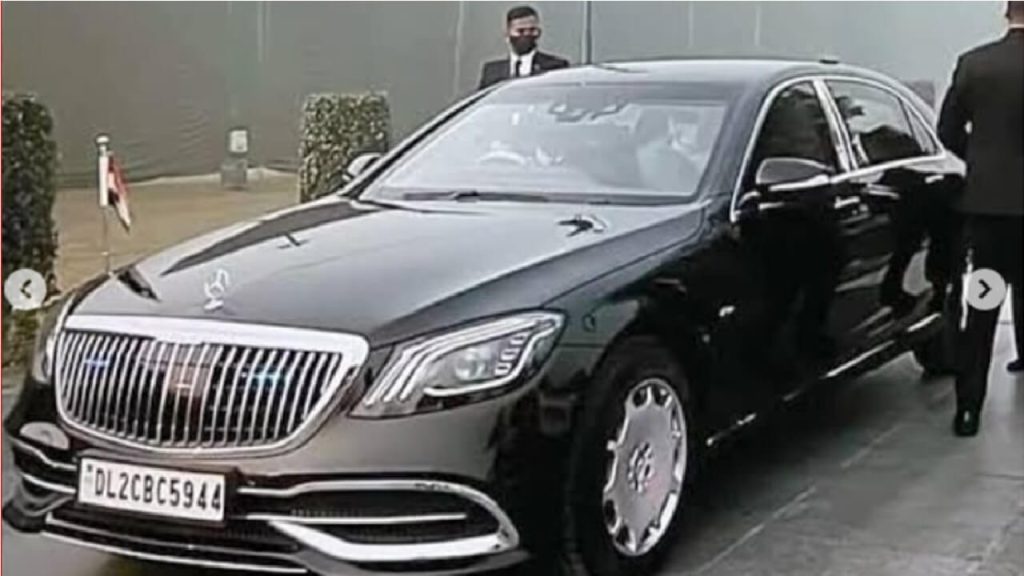
The Maybach S 650 Guard’s engine is a 6.0-litre twin-turbo V12 that develops approximately 900 Nm of peak torques and 516 bhp. In case of a tyre damage or puncture, special run-flat tyres have been placed.
PM Modi’s old cars
The most recent car that the Prime Minister traveled in was the Range Rover HSE. It is fully armoured to ensure his safety. With a 5 litre V8 engine, the Range Rover produces 375 hp of power. It also has a 4×4 drive system.
Before the Range Rover, the Prime Minister of India commuted in a BMW 7 Series 760 Li High-Security Edition. It is the most sought after car for security purposes. It is bulletproof, has a self-sealing petrol tank and 20-inch tires. PM Modi’s car included an oxygen tanks as well.
The Toyota Land Cruiser that comes with a 4.5 litre V8 engine, produces 262 hp of power with 650 Nm of torque, is also a part of the Prime Minister’s convoy. The car has been customised to protect the leader.
The car that PM Modi used during his first Prime Minister rally was a Mahindra Scorpio. A rather basic model, it served the Prime Minister well with its 2.2 litre mHawk diesel engine, torques of 120 hp and 280 Nm and a 4×4 system.
One of the first cars in Narendra Modi’s convoy was a Tata Safari. He was seen travelling often in this car when he was the Chief Minister of Gujarat. It was customised according to security details.








India News
Delhi Police offers 11-person limit for CJP’s Connaught Place protest
Delhi Police has offered to facilitate a group of 11 people at Central Park in Connaught Place for the Cockroach Janata Party’s October 16 protest, while warning that violations of prohibitory orders could invite legal action.


India News
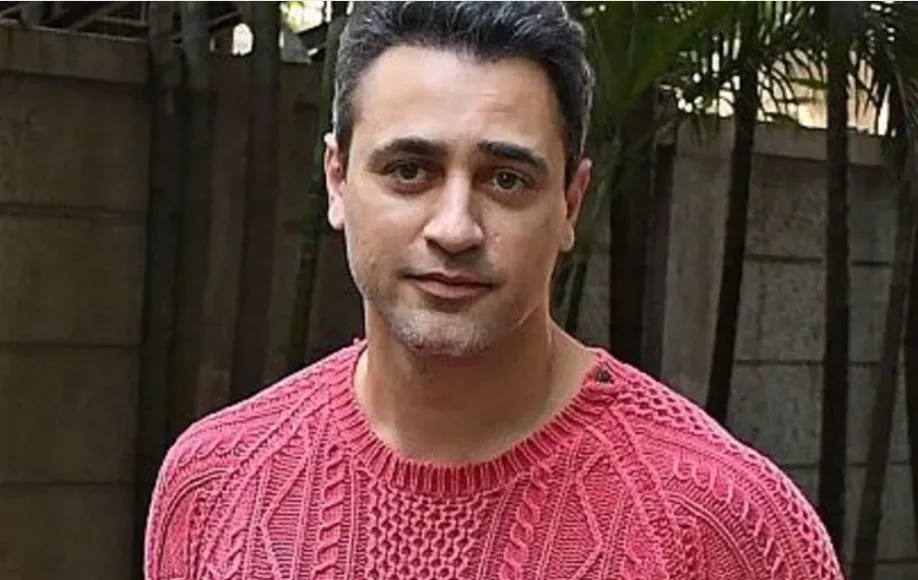
Actor Imran Khan asked to leave India after CJP protest
Actor Imran Khan has been asked to leave India by October 28, days after participating in a protest called by the Cockroach Janta Party (CJP) in Mumbai.
India News
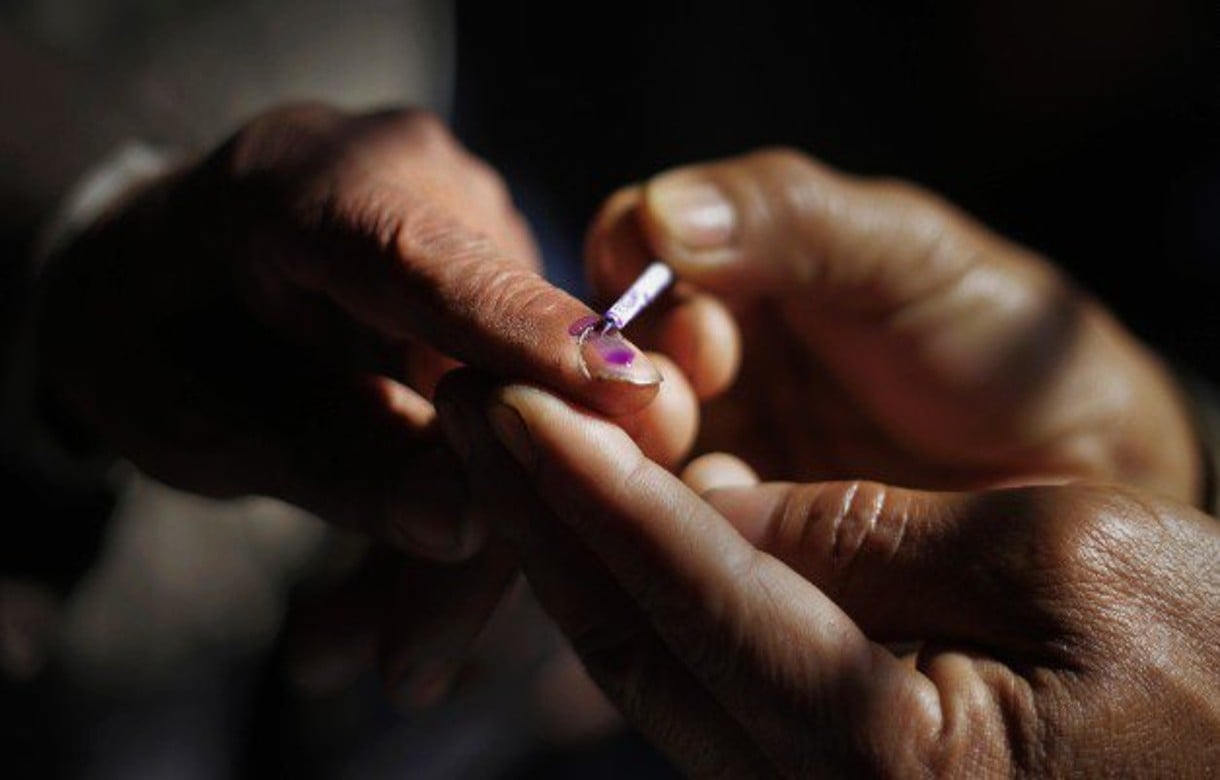
Election Commission orders voter roll revision in 17 states, UTs
The Election Commission has ordered a Special Summary Revision of electoral rolls in 17 states and Union Territories. Draft rolls are scheduled for November 12, with final rolls due on January 4, 2027.

Dhruv Rathee gets fresh summons in 2018 BJP IT cell video case

Nobody can browbeat judiciary, Chief Justice warns over Rahul Gandhi’s march

India-US trade deal first phase finalised, drafting underway

Election Commission orders voter roll revision in 17 states, UTs

Actor Imran Khan asked to leave India after CJP protest

Delhi Police offers 11-person limit for CJP’s Connaught Place protest
Actor Imran Khan asked to leave India after CJP protest
Election Commission orders voter roll revision in 17 states, UTs
India-US trade deal first phase finalised, drafting underway
Nobody can browbeat judiciary, Chief Justice warns over Rahul Gandhi’s march

Afghan Men Try To Hang With The Jet Engine Of The Aircraft in Kabul- Afghanistan News – Kabul News
Trending Top 10 News: 10000 Crore Fine on Flipkart, Apple to Launch Unique Feature, Hdfc Bank Job Ad

Trending Top 10 News: Nokia 6310, Apple sales, Bachpan ka Pyar Video Kid, Dainik Bhaskar IT Raid

Trending Top 10 News: Canada bans Indian flights, Rain in Delhi NCR, AIMIM Twitter hacked, Raj Kundra case

Trending Top 10 News: Shein India, Apple New Service, Pocket Oxygen, Oppo Launched New Phone
-
 India News18 hours ago
Dhruv Rathee gets fresh summons in 2018 BJP IT cell video case
-
 India News15 hours ago
Nobody can browbeat judiciary, Chief Justice warns over Rahul Gandhi’s march
-
 India News10 hours ago
India-US trade deal first phase finalised, drafting underway
-
 India News8 hours ago
Election Commission orders voter roll revision in 17 states, UTs
-
 India News7 hours ago
Actor Imran Khan asked to leave India after CJP protest
-
 India News6 hours ago
Delhi Police offers 11-person limit for CJP’s Connaught Place protest
