India News
Jethmalani hangs his lawyer’s coat, set for a ‘different mission’

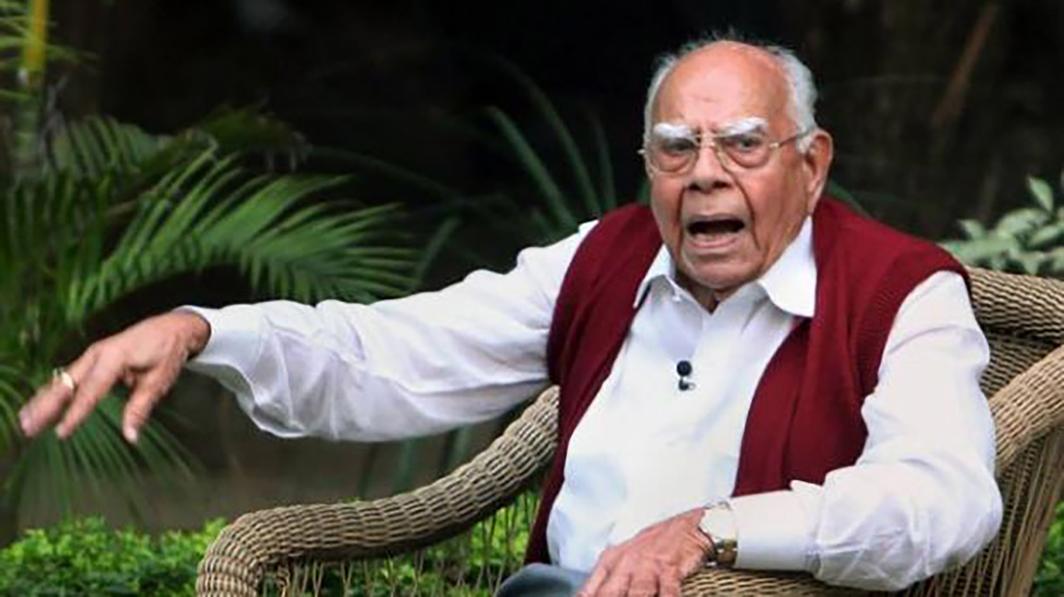
[vc_row][vc_column][vc_column_text]The nonagenarian jurist, known for his high-octane and controversial jibes at politicians of all hues – including Prime Minister Narendra Modi – says he isn’t going into vanvaas
After seven decades of an extraordinary career, never without controversy and always on a high amid everything, India’s most pre-eminent lawyer Ram Jethmalani,on Sunday (September 10), announced that he was retiring, but only from his practice as a jurist.
Speaking at a function organised by the Bar Council of India, to felicitate the new Chief Justice of India, Justice Dipak Misra, the 94-year-old Jethmalani said he was retiring from his law practice, but it was not as if he was moving into vanvaas. He said he would ‘reappear in a different avatar, with a different mission’.
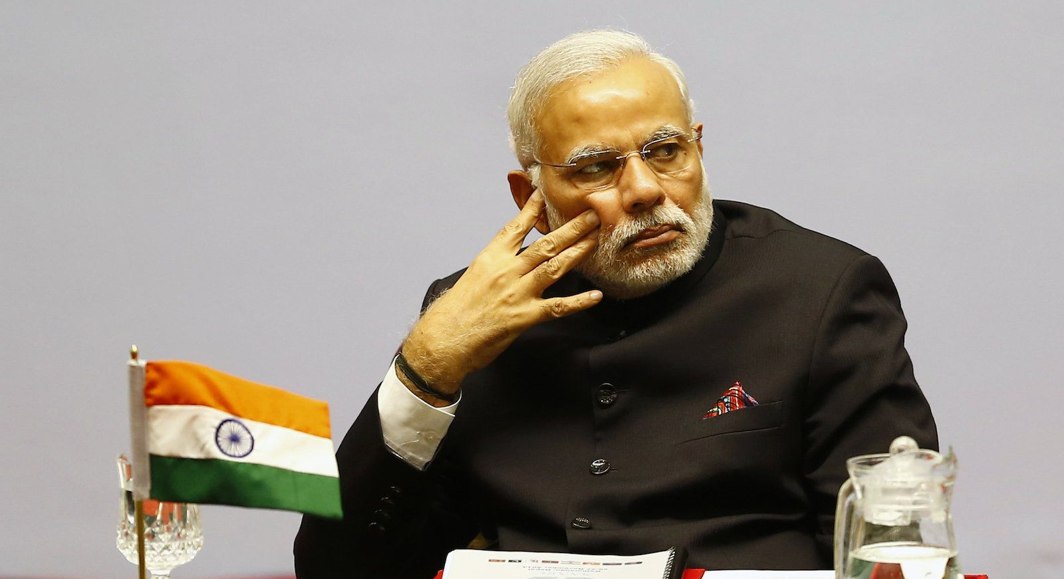
This ‘different mission’ of the senior advocate, who evidently has had a bitter falling out with Prime Minister Narendra Modi – who he once couldn’t stop praising – and BJP national president Amit Shah who was once his client in the post-Godhra riots cases, could however be bad news for the saffron party and its government at the Centre. Or at least this is what Jethmalani’s comments at the function signaled at.
The former BJP MP, who has been upset at the Modi government’s failure in delivering on its poll-promise of brining back black money stashed by Indians in tax havens abroad – an issue that Jethmalani has repeatedly raised – said that the current NDA dispensation had let the country down, quite like the previous UPA government.
He has been reported to have said: “The country is not in a good shape. The previous and the current governments both have let down the nation very badly. It is the duty of the members of the bar and all good citizens to rise to this great calamity.”
“I am here just to tell you I am retiring from the profession but I am taking on a new role as long as I am alive. I wish to combat the corrupt politicians that have been brought into the position of power and I hope the condition of India will take good shape,” Jethmalani said.
He had never really kept his feelings about the NDA government – or previous regimes for that matter – to himself. In a damning letter (dated August 23) to Prime Minister Modi – one of the many that he has written – he had said: “You are intelligent enough not to understand my total disappointment with you during the three years that have gone by and each day by providing more and more evidence of your failure as a friend and as a leader of the unfortunate Indian nation that trusted its destiny in your undeserving hands.”
He went on to say: “Your conduct, or rather, gross misconduct no longer compels my silence…”
Then, recalling his now famous comment about “living in the departure lounge of god’s airport”, he criticised the black money return promise of the PM and listed out over 10 “ghastly failures” of Modi, his government and the BJP.
Recalling that in 2004, the United Nations had produced its Convention against Corruption that dealt with issues arising from and to curb black money stolen from many countries, Jethmalani said: “the then Congress government signed the Convention but deliberately lodge with the UN the document of ratification without which the Convention doesn’t become binding. You (Modi) made no exposure of this fraud to the Indian nation.”
Noting in details about the failures of the Modi government is recovering the illicit money deposited by Indians in overseas tax havens and especially from those who were named in a 2008 list leaked by an employee of Germany’s Liechtenstein bank which purportedly had details of scores of Indian black money account holders, Ram Jethmalani went on to call Modi as a “silent accomplice in cheating the nation”.
In his letter to the PM, Jethmalani added: “I am determined to see you suffer a shameful defeat in 2019, long before your selected date, i.e 2022 (a reference to a claim by many BJP insiders and political observers that Modi and the BJP will be in power at least till 2022).”
On Sunday, when he announced that he won’t be wearing the black coat of a jurist anymore, Jethmalani said he would act as some sort of vigilante in trying to clear up corruption. Should Prime Minister Narendra Modi and his government be concerned?[/vc_column_text][/vc_column][/vc_row]










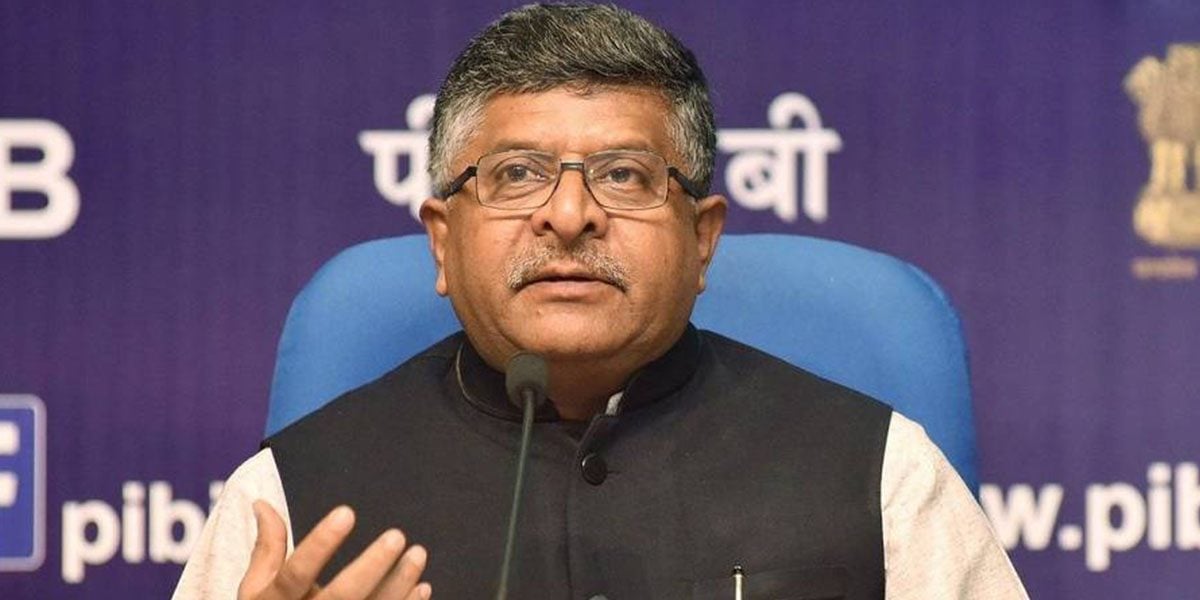
India News
Journalist files police complaint against Rahul Gandhi over push allegation
Journalist Richa Parashar has filed a criminal complaint against Rahul Gandhi and others, alleging that she was pushed while covering the Opposition’s march to the Supreme Court. The Congress has denied the allegation.

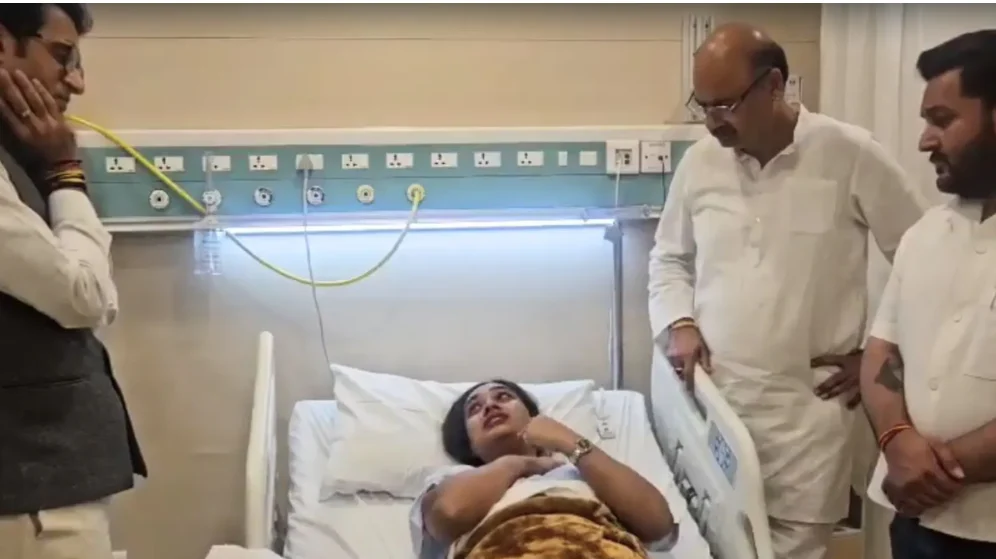
India News
Delhi court orders release of CJP founder Abhijeet Dipke
A Delhi court on Saturday ordered the conditional release of Cockroach Janta Party founder Abhijeet Dipke, who was detained and subsequently arrested ahead of a planned protest march at Connaught Place.
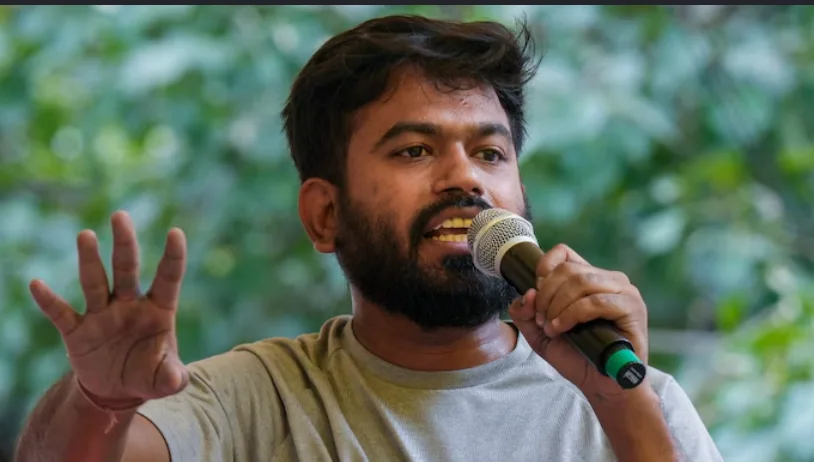
India News
Anirudh Ravichander to marry Kavya Maran in November, reception on November 21
Anirudh Ravichander and Kavya Maran are set to marry in November, with their Chennai wedding reception scheduled for November 21.


Anirudh Ravichander to marry Kavya Maran in November, reception on November 21

Journalist files police complaint against Rahul Gandhi over push allegation

Delhi court orders release of CJP founder Abhijeet Dipke
Journalist files police complaint against Rahul Gandhi over push allegation
Delhi court orders release of CJP founder Abhijeet Dipke
Anirudh Ravichander to marry Kavya Maran in November, reception on November 21

ED summons Pinarayi Vijayan in money laundering case

LK Advani, 98, hospitalised in Delhi with chest infection

Afghan Men Try To Hang With The Jet Engine Of The Aircraft in Kabul- Afghanistan News – Kabul News
Trending Top 10 News: 10000 Crore Fine on Flipkart, Apple to Launch Unique Feature, Hdfc Bank Job Ad

Trending Top 10 News: Nokia 6310, Apple sales, Bachpan ka Pyar Video Kid, Dainik Bhaskar IT Raid

Trending Top 10 News: Canada bans Indian flights, Rain in Delhi NCR, AIMIM Twitter hacked, Raj Kundra case