
Latest world news
Sri Lakna declares emergency to prevent spread of communal clashes


The expansion of hatred between Buddhists and Rohingya Muslims in Myanmar has caused stir in Sri Lanka on Tuesday when Colombo declared a State of Emergency for 10 days to rein in the spread of communal violence in some parts of the country.
The decision to declare emergency came a day after the eruption of clashes between Buddhists and Muslims in Sri Lanka’s central district of Kandy. There are reports of rising tension between the two communities over the past year. Some hard-line Buddhist groups have been accusing Muslims of forcing people to convert to Islam and vandalizing Buddhist archaeological sites.
According to Colombo based Daily Mirror, Minister of Social Empowerment and Welfare S. B. Dissanayake, while speaking to the media persons after a Cabinet meeting, said that President Maithripala Sirisena and Cabinet had decides to declare a State of Emergency for 10 days “following the violence prevailed in some parts of the country”. He said that the Gazette Notice in this regard would be issued right away.
He was quoted saying, “There are allegations that the law was not implemented to minimize the impact of these tense situations. Now, the Police and Army personnel had been deployed to respective areas to beef up security.”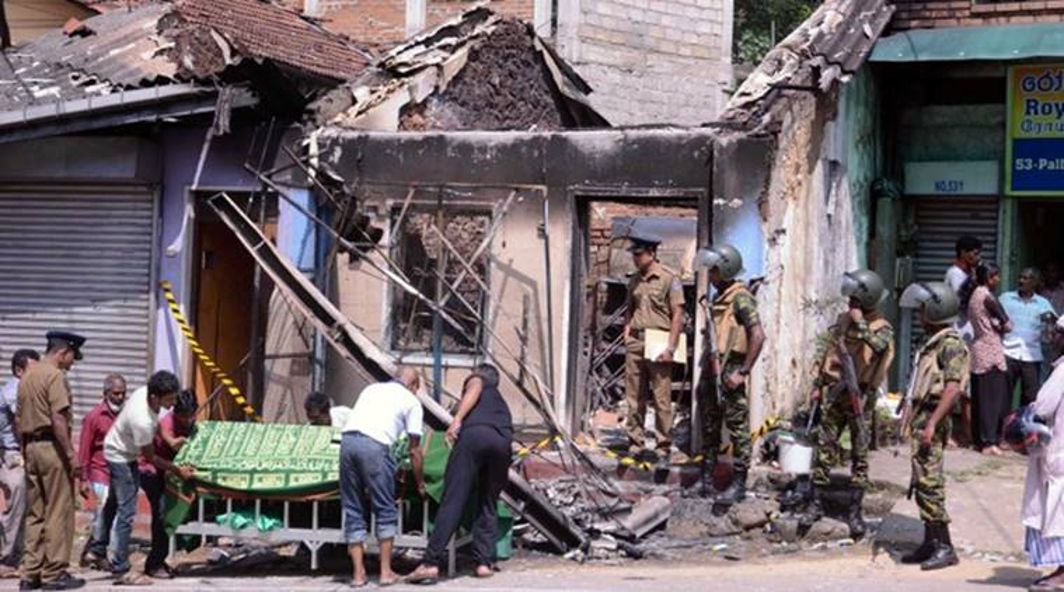
He further said that President could decide at the end of 10 days, whether to extend the State of Emergency.
Some Buddhist nationalist have also protested against the presence of asylum seeker Rohingya Muslims from Myanmar in Sri Lanka.
The government’s spokesman and Minister of Sport Dayasiri Jayasekara, told journalists “At a special cabinet meeting, it was decided to declare a state of emergency for 10 days to prevent the spread of communal riots to other parts of the country. It was also decided to take stern action against people who are instigating violence through Facebook,” he added.
Acting immediately after Buddhists set fire to a Muslim-owned shop on Monday, the government sent troops and elite police to Kandy to prevent further clashes between majority Sinhalese Buddhists and minority Muslims.
Muslims in Sri Lanka are generally known as Moors are the minority ethnic group comprising 9.3% of the country’s total population. They are mainly speakers of Tamil language with influence of Sinhalese and Arabic words. Muslims are mainly concentrated in Ampara, Trincomalee and Batticaloa districts.







Latest world news
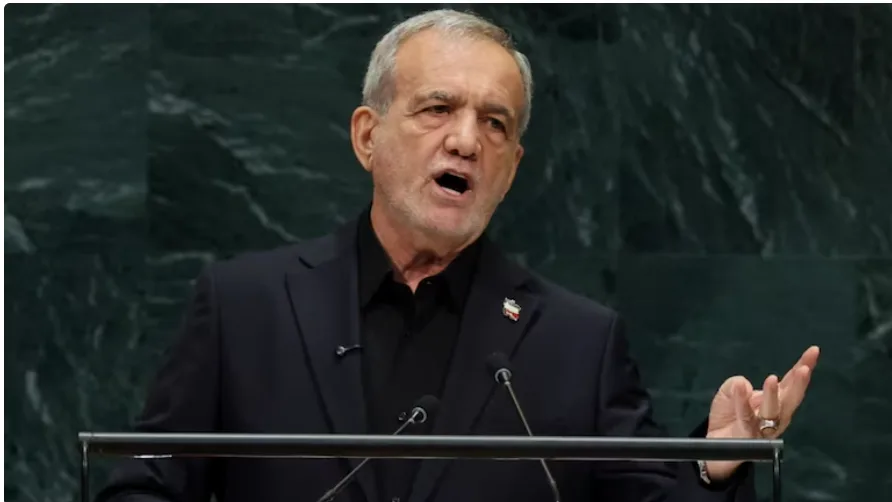
Iranian President Pezeshkian at UN says Iranians have been victims of US terrorism
Iranian President Masoud Pezeshkian said at the UN General Assembly that Iranians had been victims of US terrorism and insisted that Iran had acted in self-defence.

Latest world news
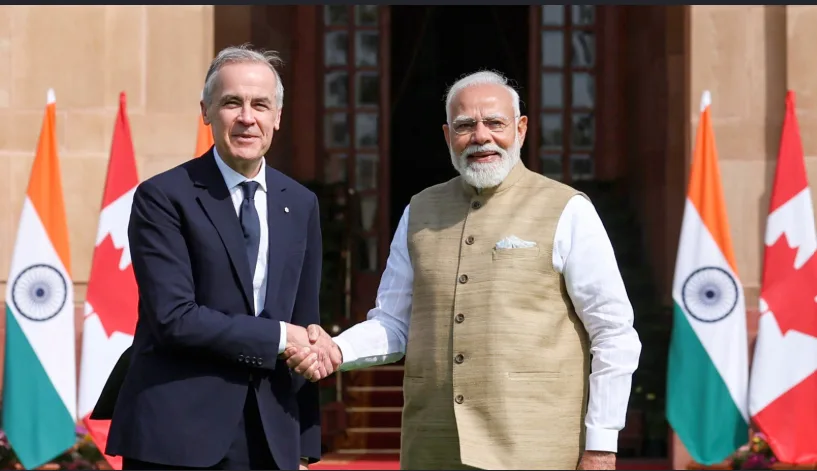
PM Modi’s Canada visit could help wrap trade talks, says Canada PM Mark Carney
Canadian PM Mark Carney said he is looking forward to hosting PM Narendra Modi, with both countries aiming to conclude their ongoing trade negotiations.
Latest world news
Trump issues fresh Iran warning at UN General Assembly, signals deal after midterms
US President Donald Trump issued a fresh warning to Iran during his UN General Assembly address, saying he faces a choice between a deal and further escalation.

Asian Games 2026: Gurindervir Singh, Animesh Kujur lead India athletics campaign

Assam makes Muslim marriage registration compulsory under new rules
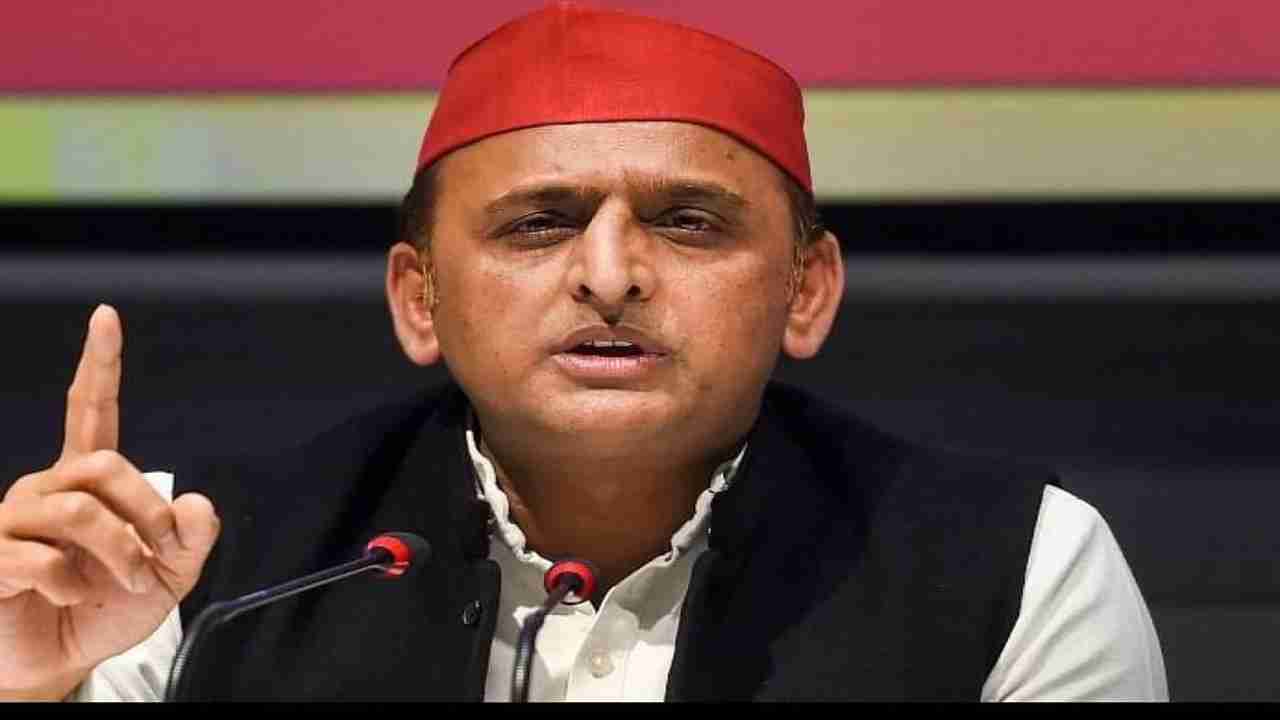
Akhilesh Yadav launches SP’s 2027 UP poll campaign from Rahul Gandhi’s seat

Trump-Xi Summit: Trade, Taiwan and AI among key takeaways

Congress protests against Gyanesh Kumar, demands Election chief’s resignation

Veeramani POCSO case: Vijay questions Stalin over earlier probe

Women wrestlers challenge Brij Bhushan’s acquittal in sexual harassment case
Congress protests against Gyanesh Kumar, demands Election chief’s resignation
Assam makes Muslim marriage registration compulsory under new rules
Trump-Xi Summit: Trade, Taiwan and AI among key takeaways

Afghan Men Try To Hang With The Jet Engine Of The Aircraft in Kabul- Afghanistan News – Kabul News
Trending Top 10 News: 10000 Crore Fine on Flipkart, Apple to Launch Unique Feature, Hdfc Bank Job Ad

Trending Top 10 News: Nokia 6310, Apple sales, Bachpan ka Pyar Video Kid, Dainik Bhaskar IT Raid

Trending Top 10 News: Canada bans Indian flights, Rain in Delhi NCR, AIMIM Twitter hacked, Raj Kundra case

Trending Top 10 News: Shein India, Apple New Service, Pocket Oxygen, Oppo Launched New Phone
-
 LATEST SPORTS NEWS23 hours ago
Asian Games 2026: Gurindervir Singh, Animesh Kujur lead India athletics campaign
-
 India News10 hours ago
Assam makes Muslim marriage registration compulsory under new rules
-
India News11 hours ago
Akhilesh Yadav launches SP’s 2027 UP poll campaign from Rahul Gandhi’s seat
-
 India News10 hours ago
Trump-Xi Summit: Trade, Taiwan and AI among key takeaways
-
 India News2 hours ago
Congress protests against Gyanesh Kumar, demands Election chief’s resignation
-
 India News44 mins ago
Women wrestlers challenge Brij Bhushan’s acquittal in sexual harassment case
-
 India News6 mins ago
Veeramani POCSO case: Vijay questions Stalin over earlier probe
