
Latest world news
Hezbollah: Saudi Arabia offered huge money to Syria’s Assad


Saudi rulers wanted Syria to cut ties with Iran
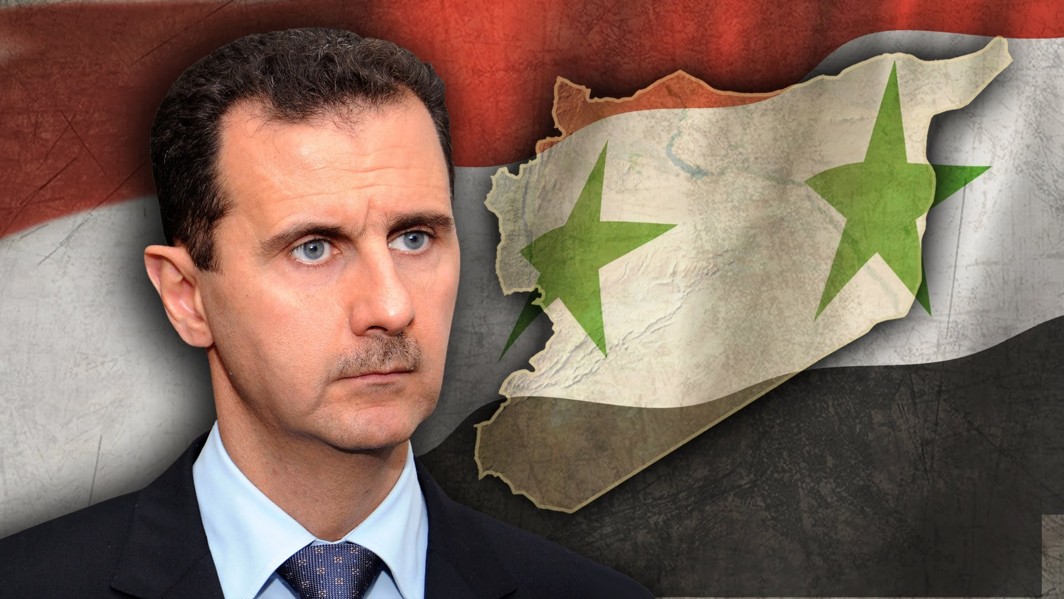
In a surprising revelation, Hassan Nasrallah, the leader of the Lebanese Hezbollah movement has said that Saudi regime had offered Syrian president Bashar al-Assad hundreds of billions of dollars for reconstruction if it accepted to cut ties with Iran.
According to Beirut based Arabic-language al-Akhbar daily newspaper Hassan Nasrallah said the Riyadh regime had made the proposal twice and that Syrian President Bashar al-Assad had turned it down.
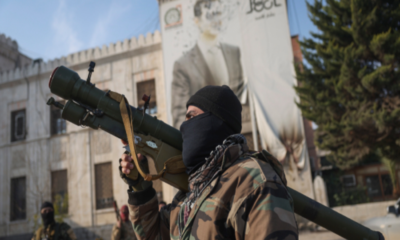
Syria, Iraq and Iran believe that Saudi Arabia is a key sponsor of the Takfiri terrorists, an Arabic term generally used for Wahabi influenced terror groups including Daesh (IS), Alqaeda, Al-Nusra and alikes, who have been operating to topple the Syrian government since 2011. Wahabism is the radical ideology dominating Saudi Arabia and freely preached by the Saudi clerics.
Press TV reports that Iran, along with Russia and Hezbollah, has been effectively helping the Syrian government in its fight against those terrorists.
The Lebanese leader Nasrallah further said the target of the war in Syria is in fact the anti-Israel resistance front, because the resistance movement’s victories in the region pose a threat to the American agenda in the region. He claimed that Hezbollah has grown stronger and hence more attacks are expected in the future.
 The Lebanese leader, who is considered to be a close ally of Iran, also accused Saudi Arabia and the US of using “dirty” means to interfere in Lebanese general elections, scheduled for May 6, as part of their attempts to weaken Hezbollah.
While elaborating about the Saudi Arabia’s involvement in Lebanese affairs, Nasrallah said that by detaining Lebanese PM Saad Hariri and forcing him to resign last November, the Saudis intended to dissolve the Lebanese government and pit it against Hezbollah.
Read More: Lebanon PM Hariri’s detention in Saudi Arabia seems confirmed
Hariri had suddenly resigned immediately after landing at Riyadh in November last year. While announcing his resignation through Saudi State television Hariri accused Iran and Hezbollah of sowing strife in the Arab world, an allegation rejected by both sides.
Senior sources close to Hariri and top Lebanese officials said Riyadh had coerced the Lebanese premier into stepping down and put him under house arrest.
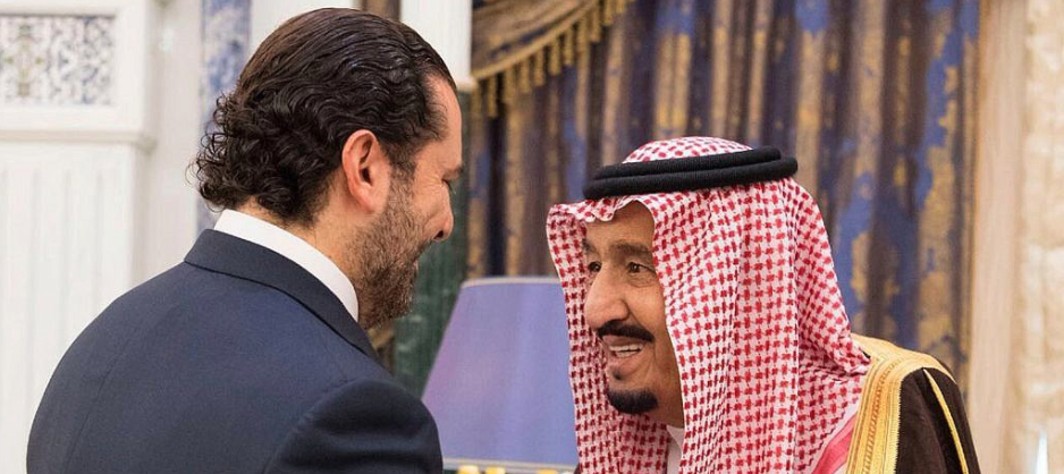 Hariri, however, managed to get out of the kingdom amid international pressure on Riyadh. He rescinded his resignation after returning home.
Read More: Lebanon: Hariri defers his resignation after reaching Beirut
Nasrallah said at that time that Saudi authorities had clearly and openly declared a war on Lebanon by holding Hariri hostage and forcing him to quit.
Hezbollah is coalition partner in the Lebanese government. However it is considered as a terrorist organisation by governments of US, Israel, Canada, Gulf Cooperation Council (GCC) and Arab League member states. However, it is known as a reckoning force against Israel after they forced Israel to withdraw from south Lebanon in 2000. They have played important role in defeating Daesh (IS) terrorists in recent war in Syria and Iraq.






Latest world news
Trump waives Russia-related sanctions, tariffs in relief for India
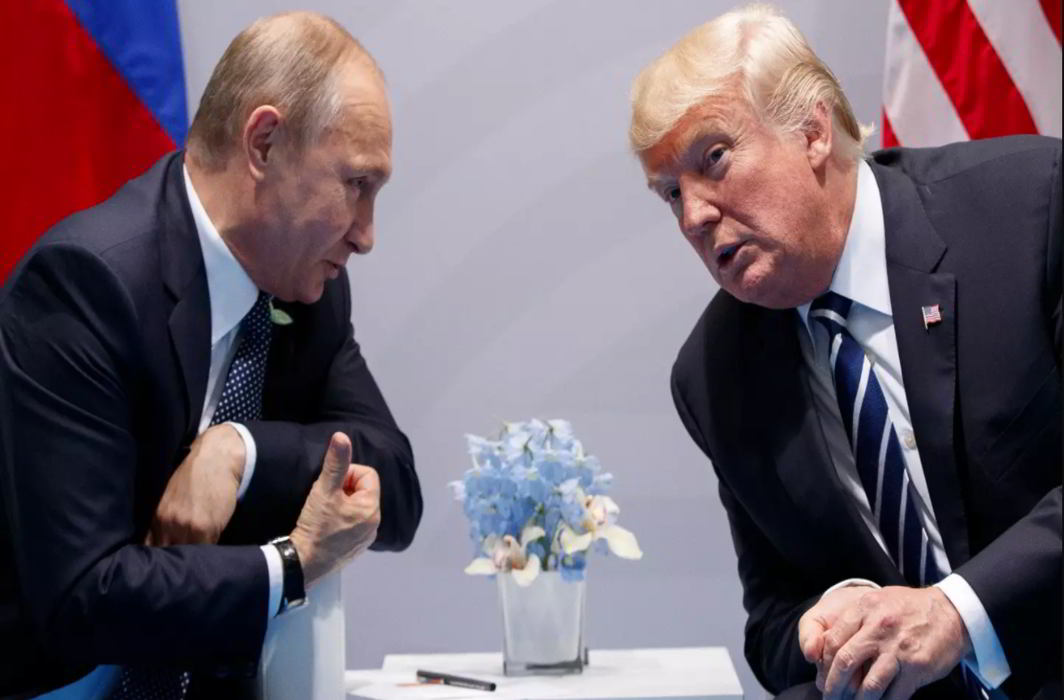
Donald Trump has waived several Russia-related sanctions, restrictions and duties under a new US law, potentially easing tariff pressure on India and China, two major buyers of Russian energy.

Latest world news
Magnitude 7 earthquake strikes Russia’s Kamchatka Peninsula
A magnitude 7 earthquake struck Russia’s Kamchatka Peninsula region on Friday. The initial report placed the earthquake at a depth of 140 kilometres.

Latest world news
S Jaishankar says India is a natural option for Russia amid Europe tensions
External Affairs Minister S Jaishankar said India remained a natural option for Russia as Moscow increasingly turned towards Asia amid strained relations with Europe. He highlighted the continuity of India-Russia ties and their significance for the balance of power in Asia.


LK Advani, 98, hospitalised in Delhi with chest infection
Trump waives Russia-related sanctions, tariffs in relief for India

ED summons Pinarayi Vijayan in money laundering case

Anirudh Ravichander to marry Kavya Maran in November, reception on November 21

Delhi court orders release of CJP founder Abhijeet Dipke

Journalist files police complaint against Rahul Gandhi over push allegation
Delhi court orders release of CJP founder Abhijeet Dipke
Anirudh Ravichander to marry Kavya Maran in November, reception on November 21
ED summons Pinarayi Vijayan in money laundering case
LK Advani, 98, hospitalised in Delhi with chest infection

Afghan Men Try To Hang With The Jet Engine Of The Aircraft in Kabul- Afghanistan News – Kabul News
Trending Top 10 News: 10000 Crore Fine on Flipkart, Apple to Launch Unique Feature, Hdfc Bank Job Ad

Trending Top 10 News: Nokia 6310, Apple sales, Bachpan ka Pyar Video Kid, Dainik Bhaskar IT Raid

Trending Top 10 News: Canada bans Indian flights, Rain in Delhi NCR, AIMIM Twitter hacked, Raj Kundra case

Trending Top 10 News: Shein India, Apple New Service, Pocket Oxygen, Oppo Launched New Phone
-
 India News16 hours ago
LK Advani, 98, hospitalised in Delhi with chest infection
-
Latest world news16 hours ago
Trump waives Russia-related sanctions, tariffs in relief for India
-
 India News15 hours ago
ED summons Pinarayi Vijayan in money laundering case
-
 India News5 hours ago
Anirudh Ravichander to marry Kavya Maran in November, reception on November 21
-
 India News5 hours ago
Delhi court orders release of CJP founder Abhijeet Dipke
-
 India News3 hours ago
Journalist files police complaint against Rahul Gandhi over push allegation
