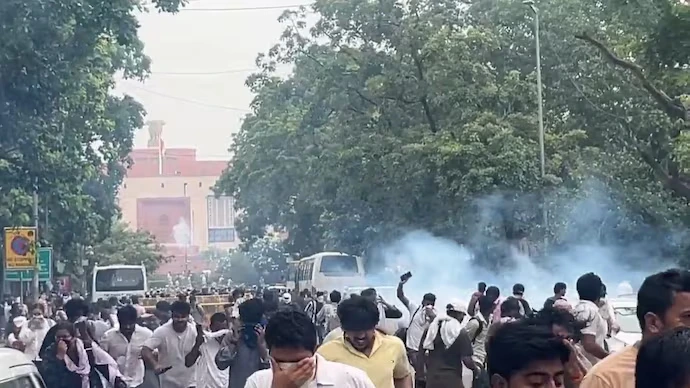
The Bharat bandh called by Dalit organisations turned violent on Monday, April 2. Four persons were killed in Morena, Gwalior in Madhya Pradesh and violent protests were reported from parts of Uttar Pradesh, Gujarat, Rajasthan, Punjab and Jharkhand, said media reports.
Protestors blocked several trains in Bihar and Jharkhand, affecting railway services.
Meanwhile, the Central government moved a review petition in the Supreme Court on Monday. Union Law Minister Ravi Shankar Prasad said BJP is committed to the development of Dalits. “I wish to convey that today we’ve filed a petition on the judgement by Supreme Court on the SC/ST act. We have filed a comprehensive review petition which will be presented before the court by the senior lawyers of the government ,” he said.
The Supreme Court, on a plea for stay and review of verdict putting safeguards in the SC/ST Act moved by All India Federation of SC/ST Organisations, a conglomerate of nearly 150 groups, declined urgent hearing. It will be taken up in due course, said court.
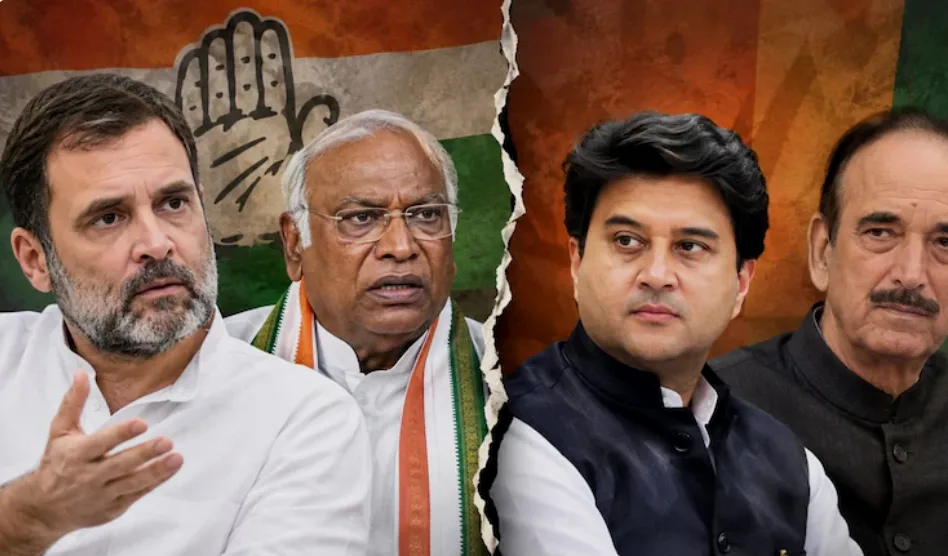
Congress chief Rahul Gandhi slammed the Modi government saying its attitude towards the minority community is derogatory.
The CBSE postponed all Class 12 and 10 exams scheduled for Monday in Punjab. Exams will be held as scheduled in Chandigarh and in the rest of the country.
The bandh call given by Dalit organizations, over the alleged dilution of SC/ST (Prevention of Atrocities) Act by a Supreme Court order, turned violent in Gwalior and Chambal divisions of Madhya Pradesh and curfew was imposed in parts of Bhind, Morena and Gwalior districts following incidents of firing and arson on Monday, said a report in The India Express (IE).
One person was killed in Morena and at least half a dozen persons injured in Bhind in incidents of firing as protesters targeted government properties, reported IE. The condition of two more persons was reported to be critical. The police had to resort to lathicharge after protesters tried to disrupt rail traffic in Morena. Protesters also blocked traffic on the state highway.
Protesters squatted on tracks in several places outside Delhi, stopping trains, including the Dehradun Express and the Ranchi Rajdhani, to enforce an all India shutdown against the dilution of the SC/ST Act, officials said today. Services were disrupted when a mob arrived at the Ghaziabad yard around 10 am today, Northern Railway officials said. Many trains, such as Saptakranti Express, Utkal Express and the Bhubaneswar and Ranchi Rajdhani as well as the Kanpur Shatabdi, were stopped ahead of Ghaziabad in Meerut and Modinagar, officials said.
Incidents of violence were reported from several areas of north India.
Madhya Pradesh: Four people have died in Gwalior and Morena amid the Bharat Bandh protests raging across the nation, IG Law and Order Makrand Deuskar told news agency ANI. News agencies reported that curfew had been imposed in Morena. In Madhya Pradesh, curfew was also imposed in parts of Gwalior and Section 144 (prohibiting assembly of more than four people in the area) in Sagar.
Appealing for calm, Chief Minister Shivraj Singh Chouhan said that the Central government has filed a review petition in the Supreme Court. “Our government is committed to protecting the rights of Scheduled Castes and Scheduled Tribes,” he tweeted in the wake of violence.
The CM called the chief secretary and the DGP to review the law and order situation at an emergency meeting in his chamber. A government spokesman, however, claimed that the situation is now under control, said media reports.
Uttar Pradesh: In Azamgarh, reports said a bus going to Nepal with foreigners inside was attacked by protesters. The foreigners on the bus have been escorted to a safe place by the police. The Tehsil office in Azamgarh is also under siege.
In Firozabad, protesters claimed that one Dalit protester was killed by police lathi-charge and police personnel were attacked. Protesters claimed that the protester, identified as Suraj Chand, died after police resorted to lathi charge to control the protests, according to a Times Now report. District administration, however, has not confirmed death. Protesters were reportedly staging a sit-in with the deceased’s body on the road, the report said.
In, Agra, Dalits reportedly pelted stones at police. Aligarh railway station was under siege. Delhi-Howrah rail route has been affected as due to protesters blocking trains.
In Saharanpur, commuters were assaulted, slapped by protesters who stopped traffic.
‘Bharat bandh’ protests over the SC/ST protection Act turned violent in Meerut. Shobhapur police station was set on fire by protesters. Many cars were reportedly damaged, according to news agency ANI. Protesters were also thrashed by police personnel.
As Dalit protests in Uttar Pradesh turned violent, Uttar Pradesh Chief Minister Yogi Adityanath appealed for calm. “The central and state governments are dedicated towards the welfare of backward castes, SC and ST. I appeal to all to not disturb the law and order. If at all there are any issues, you can bring them to government’s notice,” said Yogi Adityanath.
Rajasthan: An apparel showroom was vandalised in Jaipur, reports added.
In Barmer, there were reports of Dalits clashing with Rajput Karni Sena members. Vehicles were vandalised by protesters.
Bihar: Protesters turned violent in Patna, attacking cars plying on the road. People were caught on camera hitting the cars with lathis. Protesters blocked the streets and did not allow vehicles to move. Protesters, however, claimed that they were asking the vehicles to move so that an ambulance could pass
Protesters stopped a train at Forbesganj Junction. Earlier, protesters in Arrah blocked a train and different groups including CPIML activists are part of protests.
In Patna, RJD and Congress conducted a march in solidarity with the Dalits. Former Bihar deputy CM Tejashwi Yadav led the march in Patna. He hit out at the government, calling the review petition a “nautanki.”
Jharkhand: Clashes took place between ‘Bharat bandh’ protesters and the police on Monday in Jharkhand’s Ranchi. According to reports, several people were injured.
Uttarakhand: In Dehradun, protesters forced shop-owners to shut down their shops.
Delhi: Protests were organised at New Delhi’s Mandi House. Hundreds of protesters shouting ‘Jai Bhim’ gathered, bringing traffic to a standstill. Protesters raised slogans against the Centre, claiming that the review petition by the Centre has been filed after the bandh call was given. “After the Bharat Bandh was announced, the Centre then decided to file a review petition. Why didn’t the Centre review petition on its own?” a protester said, speaking to Times Now.
Mumbai has not been affected by the Bharat Bandh. Protests are peaceful. A group staged protests outside the collector’s office in Bandra, wanted to submit a memorandum
Punjab: Protesters have blocked a train in Punjab’s Patiala.
Punjab government ordered a security clampdown and suspended internet services from 5 pm on Sunday till 11 pm on Monday to check rumour-mongering on social media. Schools will remain shut and buses off the road on Monday and CBSE has postponed the Class X and Class XII Board exams which were scheduled to take place on Monday. The Army and paramilitary forces are on standby.
Union Minister Rajnath Singh appealed to all groups to maintain peace. “We have filed the review petition in Supreme Court. I appeal to all political parties and groups to maintain peace and not incite violence,” Rajnath Singh told reporters.
He said it was the responsibility of all the state administrations, chief ministers and ministers to ensure that the situation is under control. Rajnath advised them to refrain from making provocative statements.
The Supreme Court on March 20 had diluted the provisions of the Scheduled Castes and the Scheduled Tribes (Prevention of Atrocities) Act, in a bid to protect honest public servants discharging bona fide duties from being blackmailed with false cases under the Act. The apex court said government servants should not be arrested without prior sanction and private citizens too should be arrested only after an inquiry under the law.
The court said, that there was no “absolute bar against the grant of anticipatory bail in cases under the Atrocities Act if no prima facie case is made out or where on judicial scrutiny the complaint is found to be prima facie mala fide”.
But Dalit organisations, including the Dalit Shoshan Mukti Manch, and some political parties fear the dilution of the provisions might lead to increase in violence against Dalits. Various political parties too have been protesting on the issue and have demanded that the government seek a review of the Supreme Court judgement or bring amendments in the law.