
India News
SC Collegium agrees to reiterate recommendation for Justice KM Joseph – with others


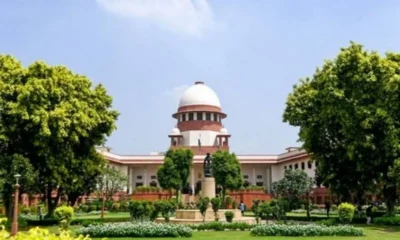
The Supreme Court Collegium at its meeting on Friday, May 11, agreed to reiterate its recommendation for appointment of Justice KM Joseph as a Supreme Court judge, along with names of some other High Court chief justices.
This resolution of the issue would in effect affect Justice Joseph’s seniority, likely precluding his chances to be a part of the Collegium in the future or becoming Chief Justice. Justice Jospeh, born in June, 1958, is 60 now. Supreme Court judges retire at the age of 65.
The SC Collegium, which consists of five senior-most judges – CJI Dipak Misra, Justice Chelameswar, Justice Ranjan Gogoi, Justice M B Lokur and Justice Kurian Joseph – had previously met on May 2 but deferred its decision on the matter.
In its meeting today, it “unanimously agreed” that that the recommendation for appointment of Justice KM Joseph as a Judge of the Supreme Court “should be reiterated”.
It added” “However, the said reiteration should also be accompanied by the recommendation of the names of Chief Justices of High Courts for elevation as Judges of the Supreme Court, for which detailed discussion is required.”
The other names will be decided on a meeting on May 16. Until then, Justice Joseph’s name will not be sent back to the Centre.
The apex court is functioning with 24 judges out of a total strength of 31; four judges are expected to retire this year, said a report in The Indian Express.
The Collegium at its meeting on January 10, had decided unanimously to recommend the names of Justice KM Joseph and (then senior advocate) Indu Malhotra to the Supreme Court.
On April 26, the government returned for reconsideration the collegium’s recommendation to elevate Justice KM Joseph but notified the appointment of Malhotra as a judge.
The Centre had the following objections said Justice Joseph stood at number 42 in the seniority of high court judges and there were 11 chief justices of different high courts who would senior to him.
The Centre also raised the principle of proportionality contending that Kerala high court was a “comparatively small high court” with a sanctioned strength of 42 judges and was a parent high court for top court judge Justice Kurian Joseph and the chief justices of three high courts — Justice KM Joseph himself (Uttarakhand), Justice TB Radhakrishnan (Chhattisgarh) and Justice Antony Dominic (Kerala).
The Central government also flagged the absence of SC/ST judges in the top judiciary.










India News
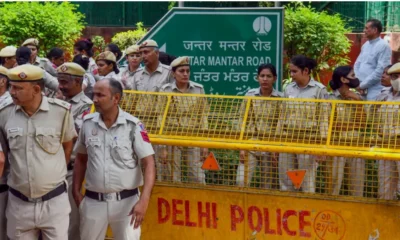
Delhi deploys 25,000 personnel, installs CCTV cameras ahead of CJP march
More than 25,000 police and paramilitary personnel have been deployed in Delhi ahead of the CJP’s planned protest march at Connaught Place. Authorities have also imposed restrictions and stepped up CCTV surveillance.


India News
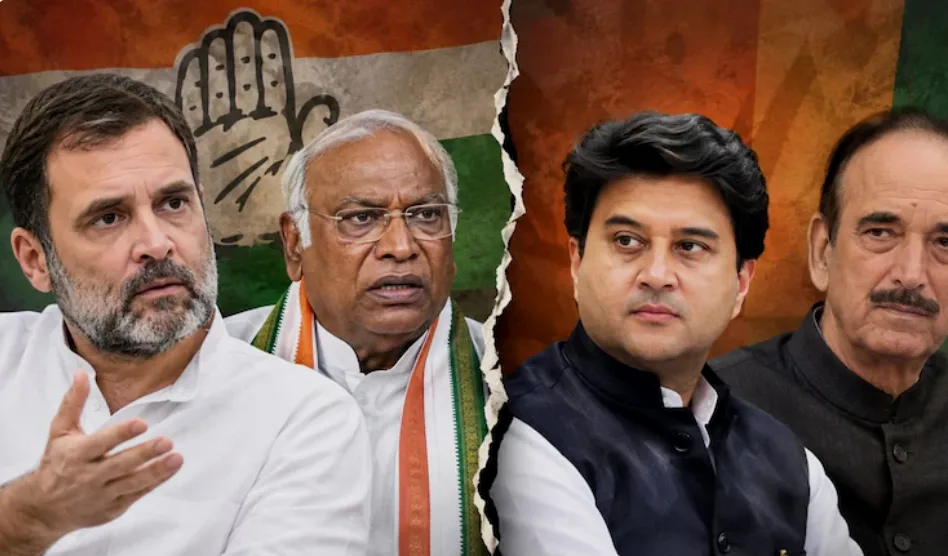
Mallikarjun Kharge’s ‘Your Friends’ jab at Rahul Gandhi over congress exits
Congress president Mallikarjun Kharge took a dig at Rahul Gandhi after the Leader of the Opposition reportedly described former party leaders Jyotiraditya Scindia and Ghulam Nabi Azad as among those who had left the Congress.
India News
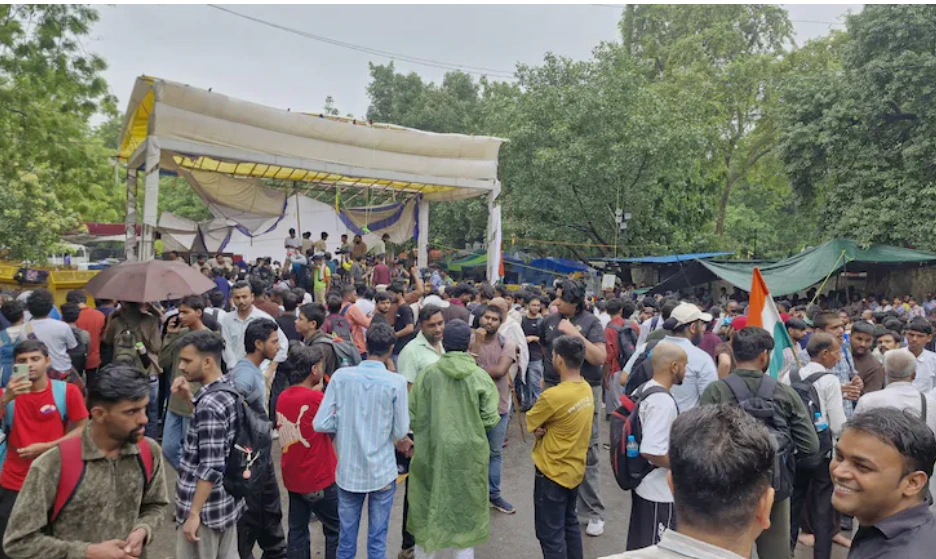
Delhi Police offers 11-person limit for CJP’s Connaught Place protest
Delhi Police has offered to facilitate a group of 11 people at Central Park in Connaught Place for the Cockroach Janata Party’s October 16 protest, while warning that violations of prohibitory orders could invite legal action.

India-US trade deal first phase finalised, drafting underway

Election Commission orders voter roll revision in 17 states, UTs

Actor Imran Khan asked to leave India after CJP protest

Delhi Police offers 11-person limit for CJP’s Connaught Place protest

Mallikarjun Kharge’s ‘Your Friends’ jab at Rahul Gandhi over congress exits

Magnitude 7 earthquake strikes Russia’s Kamchatka Peninsula

Delhi deploys 25,000 personnel, installs CCTV cameras ahead of CJP march
Mallikarjun Kharge’s ‘Your Friends’ jab at Rahul Gandhi over congress exits
Delhi Police offers 11-person limit for CJP’s Connaught Place protest
Actor Imran Khan asked to leave India after CJP protest

Afghan Men Try To Hang With The Jet Engine Of The Aircraft in Kabul- Afghanistan News – Kabul News
Trending Top 10 News: 10000 Crore Fine on Flipkart, Apple to Launch Unique Feature, Hdfc Bank Job Ad

Trending Top 10 News: Nokia 6310, Apple sales, Bachpan ka Pyar Video Kid, Dainik Bhaskar IT Raid

Trending Top 10 News: Canada bans Indian flights, Rain in Delhi NCR, AIMIM Twitter hacked, Raj Kundra case

Trending Top 10 News: Shein India, Apple New Service, Pocket Oxygen, Oppo Launched New Phone
-
 India News23 hours ago
India-US trade deal first phase finalised, drafting underway
-
 India News21 hours ago
Election Commission orders voter roll revision in 17 states, UTs
-
 India News21 hours ago
Actor Imran Khan asked to leave India after CJP protest
-
 India News20 hours ago
Delhi Police offers 11-person limit for CJP’s Connaught Place protest
-
 India News8 hours ago
Mallikarjun Kharge’s ‘Your Friends’ jab at Rahul Gandhi over congress exits
-
 India News8 hours ago
Delhi deploys 25,000 personnel, installs CCTV cameras ahead of CJP march
-
 Latest world news8 hours ago
Magnitude 7 earthquake strikes Russia’s Kamchatka Peninsula
