
India News
Gorakhpur: 70-year-old man marries his 28-year-old daughter-in-law, photos viral | Know the story here
The wedding moved many eyeballs as the woman was 42 years younger than the man


A 70-year-old man married his 28-year-old daughter-in-law in Gorakhpur, Uttar Pradesh. This difficult-to-digest-story of marriage has become a topic of discussion as soon as the pictures of their wedding went viral on social media.
This story is from Barhalganj police station area of the Gorakhpur district. 70-year-old Kailash Yadav, a resident of Chhapia Umrao village, married his son’s 28-year-old wife, Pooja, at a temple. Everyone was surprised by the marriage of a man with a girl 42 years younger than him.
Watch their wedding photo here:

Now, the photos of this married couple’s wedding at a temple are going viral on social media. As soon as the photo went viral, this marriage has become a topic of discussion in the area.
Notably, Kailash Yadav works as a watchman of Barhalganj police station. His wife died 12 years ago.
Elderly man marries his third son’s widow
Kailash Yadav has four sons and after the death of his third son, his daughter-in-law decided to settle her life elsewhere. But meanwhile the man got attracted to his daughter-in-law and to much surprise, she also began catching feelings for him. After this, breaking the shackles of age and of society, both went to the temple and married each other.
It is believed that both of them got married with mutual consent. No complaint was filed on behalf of any party at the police or administration level regarding this marriage.
Bring my daughter-in-law back or else…
In another incident in Rajasthan, a man climbled atop a water tank with his 2-year-old grandson demanding from the administration to bring back his estranged daughter-in law.
The matter had come to the fore from Baran district of Rajasthan. There was a stir in Chhabra town of the district after the news spread in the area. Notably, the woman had begun living with some other person and was not willing to return home. Reacting to which, the man climbed the water-tank and threatened of jumping off with his daughter-in-law’s 2-year-old son.
The reports said that Vinod, son of Radheshyam Khati, was married to a girl named Rakhi a few years back. The couple also has a 2-year-old son. But in the middle she ran away from her in-laws house with her paramour and began living in front with him at a rented house. Due to this the family was in tension. A lot of efforts were made to convince the daughter-in-law but still she did not return home and is still living with the same young man.
Case filed in Bombay HC against Kiren Rijiju, Vice President for remarks against judiciary
Parliament adjourned till 2 pm after opposition demands debate on the Hindenburg report








India News
Indore voter deletions: 1.36 lakh names, but digital records not maintained
Replies to an RTI concerning 1,36,552 voter deletions in Indore in 2022 said several constituency offices had not maintained the requested digital records.

India News
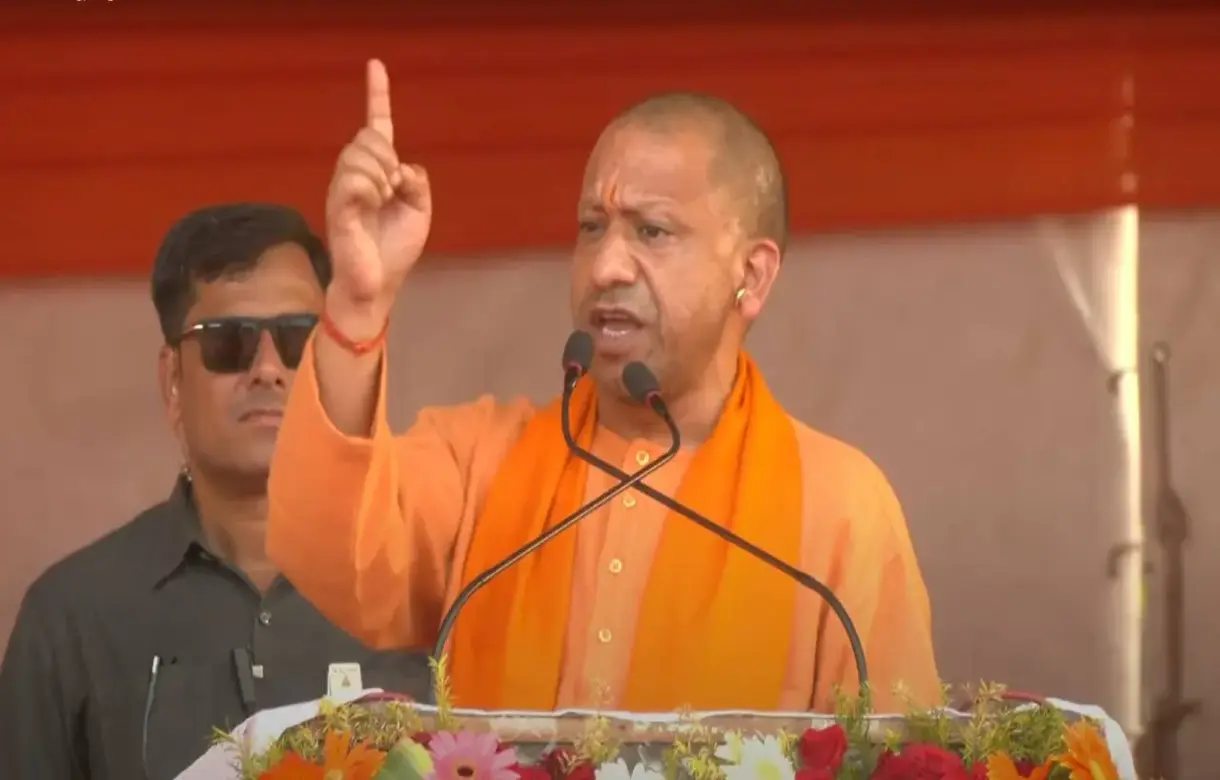
Yogi Adityanath transfers over Rs. 148 crore to 4.60 lakh students
Uttar Pradesh Chief Minister Yogi Adityanath transferred over Rs. 148 crore to the bank accounts of more than 4.60 lakh students under the state’s scholarship and fee reimbursement programme.
India News
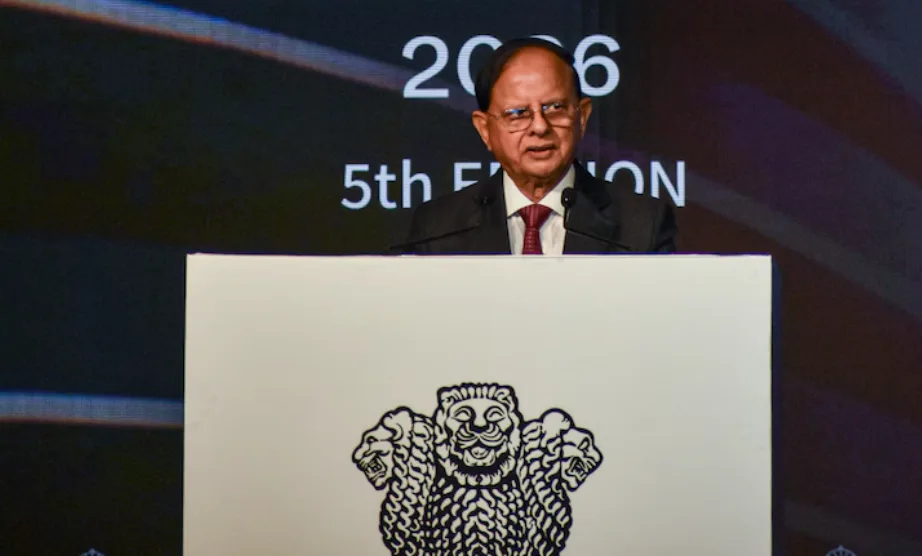
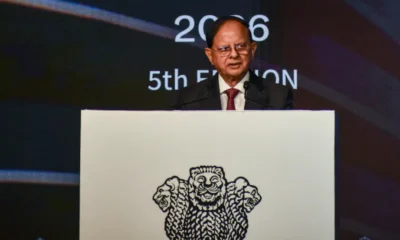
Tariffs, export controls increasingly used for strategic purposes, says PM’s Principal Secretary
PM’s Principal Secretary P K Mishra said tariffs, export controls and other restrictions are increasingly being used for strategic purposes amid growing global economic uncertainty.

India beat Pakistan by 19 runs to win Asian Games cricket gold

Tariffs, export controls increasingly used for strategic purposes, says PM’s Principal Secretary

Yogi Adityanath transfers over Rs. 148 crore to 4.60 lakh students

Indore voter deletions: 1.36 lakh names, but digital records not maintained
Indore voter deletions: 1.36 lakh names, but digital records not maintained
Yogi Adityanath transfers over Rs. 148 crore to 4.60 lakh students
Tariffs, export controls increasingly used for strategic purposes, says PM’s Principal Secretary
India beat Pakistan by 19 runs to win Asian Games cricket gold

New UP Congress chief Aradhana Mishra backs stronger alliance with SP

Afghan Men Try To Hang With The Jet Engine Of The Aircraft in Kabul- Afghanistan News – Kabul News
Trending Top 10 News: 10000 Crore Fine on Flipkart, Apple to Launch Unique Feature, Hdfc Bank Job Ad

Trending Top 10 News: Nokia 6310, Apple sales, Bachpan ka Pyar Video Kid, Dainik Bhaskar IT Raid

Trending Top 10 News: Canada bans Indian flights, Rain in Delhi NCR, AIMIM Twitter hacked, Raj Kundra case

Trending Top 10 News: Shein India, Apple New Service, Pocket Oxygen, Oppo Launched New Phone
-
 Cricket news22 hours ago
India beat Pakistan by 19 runs to win Asian Games cricket gold
-
 India News20 hours ago
Tariffs, export controls increasingly used for strategic purposes, says PM’s Principal Secretary
-
 India News20 hours ago
Yogi Adityanath transfers over Rs. 148 crore to 4.60 lakh students
-
India News19 hours ago
Indore voter deletions: 1.36 lakh names, but digital records not maintained
