
Top Stories
New Parliament inaugurated: PM Modi installs Sengol next to Lok Sabha Speaker’s chair, prayers, ceremonies ahead of landmark moment






India News
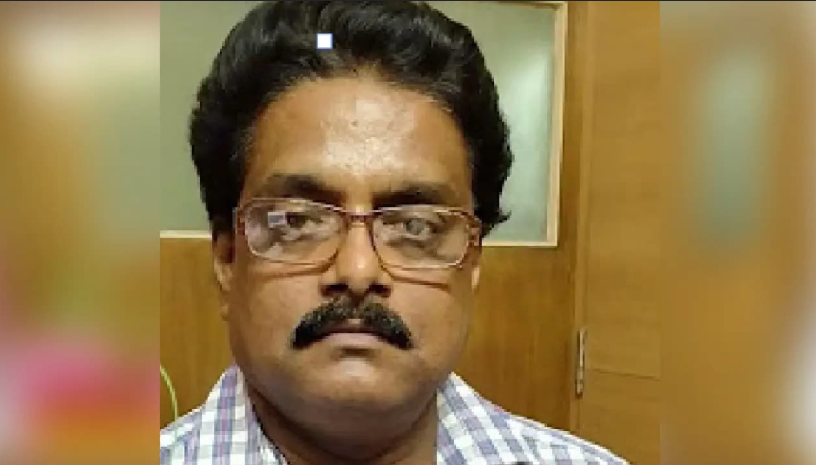
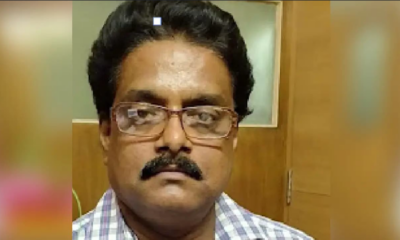
Nandigram bypoll: Congress candidate arrested hours after Mamata’s support
Congress’s Nandigram bypoll candidate Milan Pradhan has been arrested in connection with an old alleged murder case, hours after Mamata Banerjee announced support for his candidature.

India News
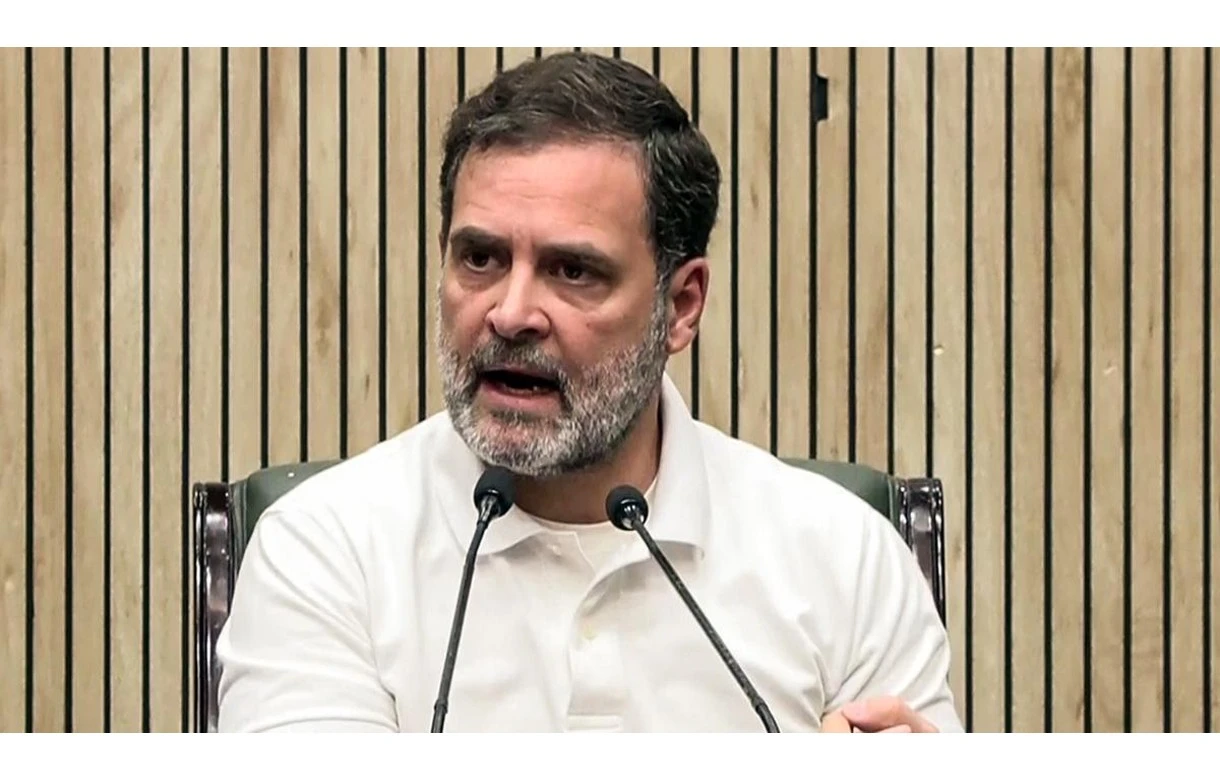
Rahul Gandhi attacks Election Commission over TMC symbol freeze
Rahul Gandhi accused the Election Commission of colluding with the BJP after the poll panel froze the Trinamool Congress’ election symbol ahead of West Bengal bypolls.
Latest world news
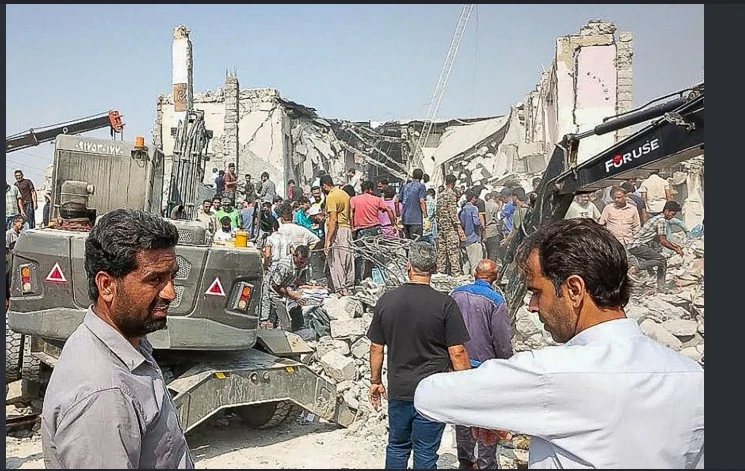
US strike on Iran school that killed 150 may be war crime, UN panel says
A UN-backed panel said there were reasonable grounds to believe US forces committed war crimes, citing a strike on a primary school in Minab that killed more than 150 people.

US strike on Iran school that killed 150 may be war crime, UN panel says

Rahul Gandhi attacks Election Commission over TMC symbol freeze

iPhone 18 Pro sale begins in India as buyers queue up across cities

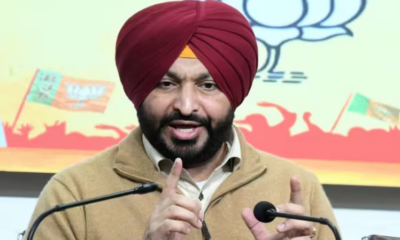
BJP convoy attacked in Punjab ahead of anti-drug campaign launch

Mamata Banerjee’s Nandigram candidate withdraws from bypoll

Nandigram bypoll: Congress candidate arrested hours after Mamata’s support
Mamata Banerjee’s Nandigram candidate withdraws from bypoll
BJP convoy attacked in Punjab ahead of anti-drug campaign launch
iPhone 18 Pro sale begins in India as buyers queue up across cities
Rahul Gandhi attacks Election Commission over TMC symbol freeze

Afghan Men Try To Hang With The Jet Engine Of The Aircraft in Kabul- Afghanistan News – Kabul News
Trending Top 10 News: 10000 Crore Fine on Flipkart, Apple to Launch Unique Feature, Hdfc Bank Job Ad

Trending Top 10 News: Nokia 6310, Apple sales, Bachpan ka Pyar Video Kid, Dainik Bhaskar IT Raid

Trending Top 10 News: Canada bans Indian flights, Rain in Delhi NCR, AIMIM Twitter hacked, Raj Kundra case

Trending Top 10 News: Shein India, Apple New Service, Pocket Oxygen, Oppo Launched New Phone
-
 Latest world news16 hours ago
US strike on Iran school that killed 150 may be war crime, UN panel says
-
 India News15 hours ago
Rahul Gandhi attacks Election Commission over TMC symbol freeze
-
 India News14 hours ago
iPhone 18 Pro sale begins in India as buyers queue up across cities
-
 India News8 hours ago
BJP convoy attacked in Punjab ahead of anti-drug campaign launch
-
 India News8 hours ago
Mamata Banerjee’s Nandigram candidate withdraws from bypoll
-
 India News7 hours ago
Nandigram bypoll: Congress candidate arrested hours after Mamata’s support
