English हिन्दी
Connect with us

Latest world news

Israel-Hamas war: WHO calls for humanitarian corridor into Gaza Strip

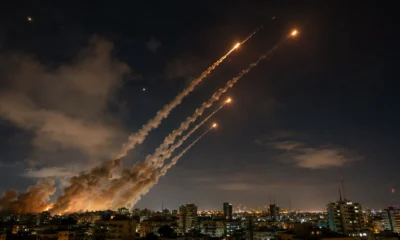
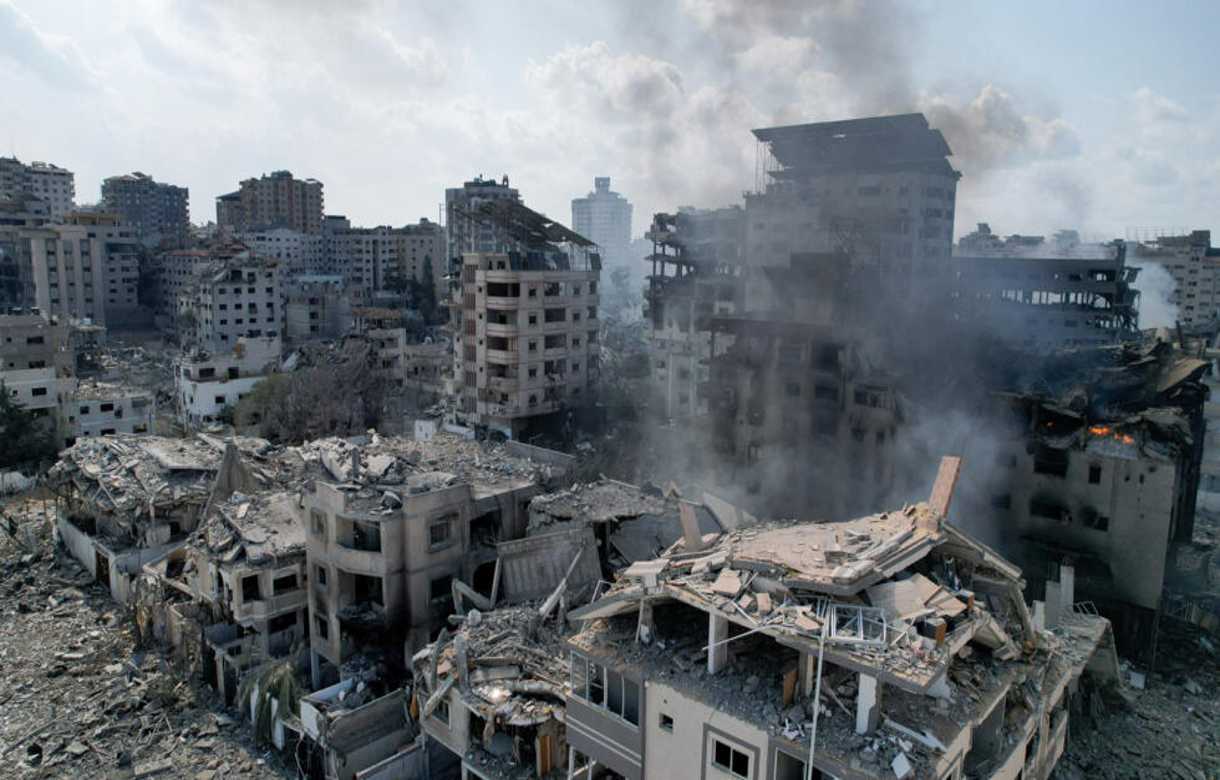
More than 1,100 people have been killed on both sides after Gaza-based Palestinian militant group Hamas launched a triple attack on Israel on Saturday.

Published

on

Israel-Hamas war: WHO calls for humanitarian corridor into Gaza Strip

The World Health Organization has called for a humanitarian corridor into the Gaza strip, which war-hit Israel has placed under total siege. Tel Aviv has completely cut off the water supply, food, electricity and other essential supplies in Gaza.

World Health Organisation spokesperson Tarik Jasarevic stated that they are calling for an end to the violence and that an humanitarian corridor is needed to reach people with critical medical supplies.

Reports said that more than 1,100 people have been killed on both sides after Gaza-based Palestinian militant group Hamas launched a triple attack on Israel on Saturday. Over 130 Israeli and other nationals are also feared as taken hostage by Hamas, while more than 900 people alone have been killed in one of the country’s worst civilian massacres.
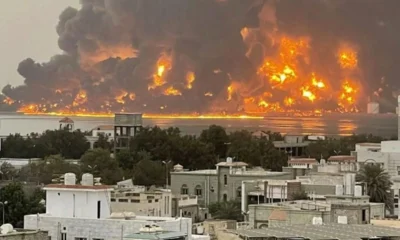
The declaration of war by Israel PM Benjamin Netanyahu gave the green light for the country to take significant military steps against Hamas after which the army called up around 300,000 troops. In retaliation to the attack, Israel launched a massive airstrike operation, claiming to have eliminated 400 militants.

On Monday late night, Prime Minister Benjamin Netanyahu said the offensive against Hamas in the Gaza Strip has only started. He added that they have only started striking Hamas and what they will do to their enemies in the coming days will reverberate with them for generations.

Meanwhile, Israeli Health Ministry announced on Tuesday that all the medical, nursing and health profession students who have not been called for IDF reserve duty yet, might be called to serve in the medical system.

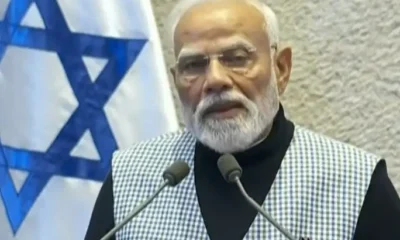
On the other hand, Indian Prime Minister Narendra Modi echoed India’s support to war-hit Israel. Narendra Modi added that the people of India stand firmly with Israel in this difficult hour. He further remarked that India strongly and unequivocally condemns terrorism in all its forms and manifestation. 

Latest world news

Iran offers to reopen Strait of Hormuz with conditions, Trump administration sceptical

Iran has предложed reopening the Strait of Hormuz under three conditions, but the US remains unconvinced due to concerns over nuclear negotiations.

Published

on

Iran has proposed reopening the strategically vital Strait of Hormuz under a three-condition plan, but the offer has been met with scepticism from the administration of Donald Trump, raising doubts over any immediate breakthrough in the ongoing conflict.

The proposal comes amid heightened tensions between the United States and Iran, with global energy markets closely watching developments around the key maritime route.

Iran’s three conditions for reopening Hormuz

According to reports, Iran has indicated it is willing to reopen the Strait of Hormuz if the United States agrees to:

  • Lift its naval blockade on Iran and its ports
  • End the ongoing conflict in the Middle East
  • Postpone discussions on Iran’s nuclear programme to a later stage

The offer is seen as an attempt to ease tensions and restart diplomatic engagement, especially after weeks of disruption to global oil supplies due to restricted movement through the strait.

Why the US is not convinced

Despite the proposal, US officials have expressed reservations. President Donald Trump and his national security team are reportedly unconvinced, particularly because the plan delays talks on Iran’s nuclear programme.

Washington has consistently maintained that any agreement must directly address concerns about Iran developing nuclear weapons. US Secretary of State Marco Rubio has also indicated that a deal excluding nuclear commitments would not be acceptable.

Key sticking point remains nuclear issue

The central disagreement lies in sequencing. Iran wants to first ease military and economic pressure, while the US insists nuclear restrictions must be part of the initial agreement.

This gap has made progress difficult, with no clear roadmap emerging for a ceasefire or long-term resolution.

Global impact of Hormuz tensions

The Strait of Hormuz is one of the world’s most critical oil transit chokepoints, carrying a significant share of global energy supplies. Any disruption or delay in reopening the route has immediate implications for oil prices and global trade stability.

With both sides holding firm on core demands, the path to a negotiated settlement remains uncertain.

Continue Reading

Latest world news

Iran proposes 3-stage plan to US to end war, reopen Hormuz and delay nuclear talks

Iran has предложed a three-stage plan to the US focusing on ending the war, discussing Hormuz management, and delaying nuclear negotiations.

Published

on

Iran has proposed a three-stage framework for talks with the United States, outlining a phased approach that begins with ending the war and moves towards addressing the nuclear issue at a later stage.

According to media reports, the proposal sets out a sequence aimed at reducing tensions while avoiding early deadlock on more complex issues.

Three-stage framework outlined

In the first stage, Iran has called for a complete end to the war, along with guarantees to ensure that hostilities do not resume. This step is positioned as a necessary starting point before any further discussions can take place.

The second stage focuses on discussions related to the Strait of Hormuz, particularly its management and administration. The waterway remains a critical global oil transit route and has been central to regional tensions.

In the third stage, Iran has proposed that talks on its nuclear programme be taken up only after progress is made in the earlier phases. This sequencing reflects a shift from previous negotiation patterns where nuclear issues dominated discussions from the outset.

Diplomatic channel and context

The proposal was reportedly conveyed through intermediaries, indicating ongoing backchannel diplomatic efforts. It comes after earlier attempts at engagement, including talks involving regional players, did not lead to a breakthrough.

Tensions between Iran and the United States have remained high over issues including the war, regional security concerns, and disagreements related to Iran’s nuclear programme.

Focus on phased engagement

By placing the nuclear issue in the final stage, the proposal appears to prioritise initial agreements on conflict resolution and regional stability. The approach suggests an effort to build momentum through sequential steps rather than tackling all contentious issues simultaneously.

While it remains unclear how the United States will respond, the proposal marks a fresh diplomatic move amid ongoing geopolitical tensions.

Continue Reading

Latest world news

Trump sets fresh ultimatum to Iran, rules out nuclear strike as tensions escalate

Trump says “clock is ticking” for Iran but rules out nuclear weapons, maintaining pressure for a long-term deal.

Published

on

Donald Trump statement

Amid rising tensions in the ongoing Iran-US conflict, Donald Trump has issued a new ultimatum to Iran, stating that time is running out for Tehran to reach a deal with Washington.

According to recent media reports, Trump reiterated that while the United States is prepared to continue military pressure, it does not intend to use nuclear weapons in the conflict. He emphasised that Iran has already been significantly weakened through conventional military action.

No urgency for deal, but pressure remains

Despite the “clock is ticking” warning, Trump indicated there is no immediate pressure on the US to finalise a deal. He suggested that any agreement would only be pursued if it aligns with American interests and ensures long-term stability rather than a quick resolution.

This stance reflects a continued hardline approach, where Washington is maintaining strategic pressure while keeping diplomatic options open.

Nuclear option ruled out

In a significant statement, Trump ruled out the use of nuclear weapons in the conflict, calling such a move unnecessary given the current military situation. He stressed that conventional forces have already inflicted major damage on Iran’s capabilities.

Conflict enters critical phase

The Iran-US conflict, which has seen military strikes, naval tensions, and diplomatic efforts, remains at a sensitive stage. While ceasefire efforts and negotiations have intermittently taken place, both sides continue to exchange warnings and prepare for potential escalation.

Recent developments, including maritime tensions and earlier threats targeting infrastructure, underline the fragile situation in the region.

Continue Reading

Trending

© Copyright 2022 APNLIVE.com