English हिन्दी
Connect with us

Latest Politics News

Political Games

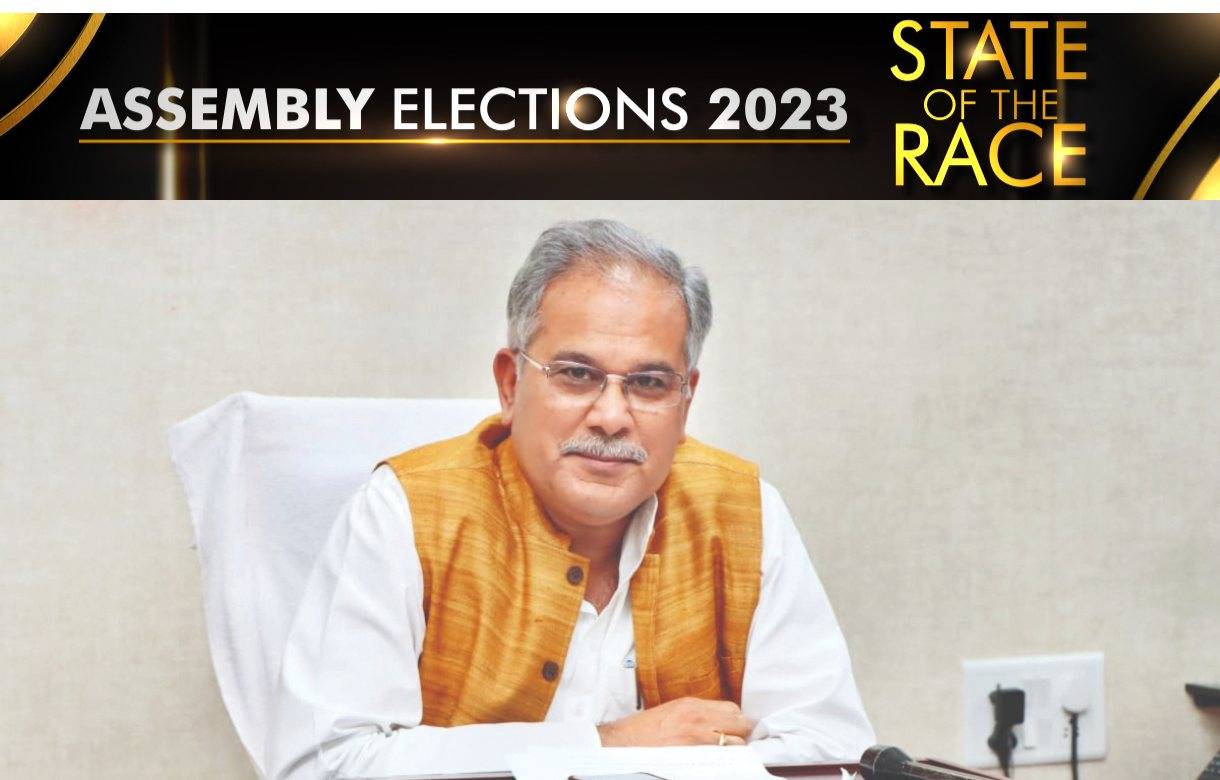
Two Delhi ministers, including the then Deputy Chief Minister Manish Sisodia, are in jail courtesy the Enforcement Directorate in the alleged liquor scam for which the agency has not produced a shred of evidence. Several Congressmen in Maharashtra, West Bengal, Karnataka, Jharkhand and Andhra Pradesh, etc, have changed sides fearing ED raids and exposure, but there is one state and its Congress leadership targeted by the ED for the past two years which has remained steadfastly beyond its tentacles. Chhattisgarh and its chief minister Bhupesh Baghel are living examples of how to beat the ED and still manage to win

Published

on

Bupesh Baghel

By Neeraj Mishra

There is more than meets the eye in the failure of searches and seizures in the Rs 2,000 crore liquor scam (Delhi in comparison is a mere Rs 100 crore) and alleged mining scam in Chhattisgarh. The Enforcement Directorate and Income Tax department have been operating relentlessly in the state for the past two years with the prime target being Bhupesh Baghel, euphemistically mentioned as “highest political authority” in its chargesheets. But till date, not only have the two government agencies miserably failed despite attaching properties worth over Rs 1,200 crore, but are now actually scraping the bottom of the barrel arresting and invading minor rice millers.

The major accused have all got bail or prevention from arrest orders from the Supreme Court unlike Delhi ministers. Anwar Dhebar, an alleged kingpin in the excise and mining game and alleged money bag of Baghel, first obtained bail from the High Court and then got it confirmed from the Supreme Court. Anil Tuteja, now a retired IAS officer, could never be arrested despite several raids and he finally obtained a prevention from arrest orders, somehow akin to anticipatory bail. The ED raids had begun with much fanfare early in 2022, with the mining department as the main target. Mining Director Bishnoi, IAS, was arrested and is still behind bars. Then several small fry in the mining department were raided and arrested, but nothing led to Baghel. Finally Ranu Sahu, IAS, was also arrested and is still in jail.

Meanwhile, businessman Surya Tiwari and Baghel’s OSD Saumya Chaurasia were also picked up with allegations that they were close to Baghel and had some unexplained cash and properties. Later, several liquor barons and dealers were raided and arrested, but nothing came of it. This whole drama kept playing out over months with much fanfare. The local BJP kept praying that ED and IT will manage something that they have not been able to dislodge Baghel from his chair.

After almost a year it turned out in Tuteja’s case in the Supreme Court that the ED did not even have the basic legal rights to proceed in the excise case. For the ED to jump into any case with its PMLA, there has to be a predicate offence or a case registered in a thana or a court under relevant sections of the IPC. It had been proceeding on the basis of information provided by the IT department about some WhatsApp conversations between the accused. The Supreme Court dismissed the case though some accused continue to be in custody due to other charges. After the Supreme Court’s judgment, the ED rapidly registered a case of fraudulent 3D stickers provided to the Excise department by a Noida manufacturer in which it named amongst others, Tuteja, excise commissioner and some bottlers. The proceeds of fake liquor bottles sold as excise paid liquor was frowned upon by the Supreme Court as an afterthought. Though the Supreme Court itself is still lingering over the case as it has been for the past two years under three different chief justices.

What is most mysterious, however, is the ease with which Baghel and company have got away so far in the current atmosphere of raids and counter allegations. There are two logical conclusions that come to mind. First, all accused have stood by Baghel and have refused to name him as a collaborator or recipient of benefits under either the excise or mining scams. It shows how he has built loyalty over his tenure. He has also steadfastly refused to order enquiries against all the officers arrested by the ED though they have been suspended under the DOPT rules. The second theory is that Baghel has some backers with the BJP system and despite Amit Shah’s obvious dislike for him, he has continued to thrive.

India News

CJP leaders Saurav Das, Ashutosh Ranka, Ajinkya Shinde sent to 5-day judicial custody

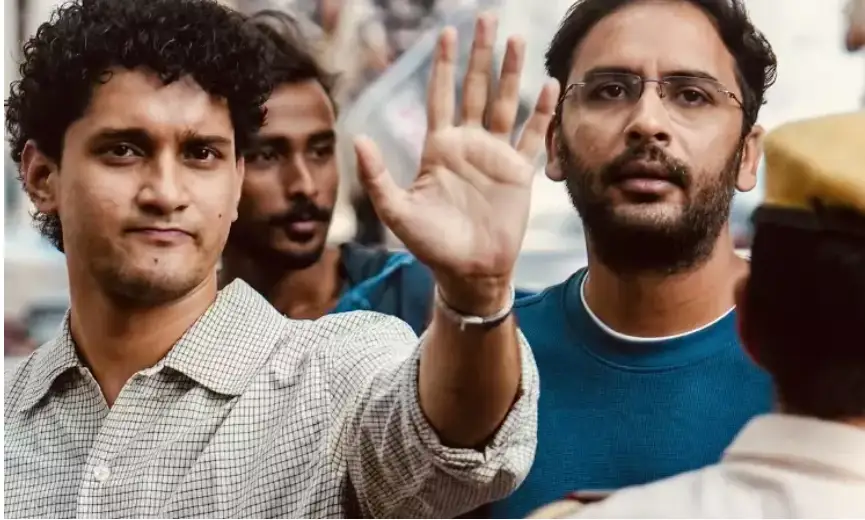
Three CJP leaders, Saurav Das, Ashutosh Ranka and Ajinkya Shinde, were placed under preventive arrest following a protest at Delhi’s Jantar Mantar over Chief Election Commissioner Gyanesh Kumar.

Published

on

Three leaders of the Cockroach Janata Party (CJP) — Saurav Das, Ashutosh Ranka and Ajinkya Shinde — have been placed under preventive arrest in connection with a protest at Delhi’s Jantar Mantar, where demonstrators demanded the resignation of Chief Election Commissioner Gyanesh Kumar.

The three were detained early Tuesday after crossing police barricades and entering Jantar Mantar, which was recently removed from the list of designated protest venues. A case was registered against them over their alleged actions.

According to the police case, the charges include trespassing, violation of a bond, and obstructing a public official from performing official duties.

The three leaders were produced before a Special Court of the Executive Magistrate on Wednesday and could be sent to judicial custody at Tihar Jail.

Why CJP leaders protested at Jantar Mantar

The protest comes amid demonstrations by the CJP and opposition groups over alleged irregularities in the Special Intensive Revision (SIR) of electoral rolls.

The protesters were demanding the resignation of Chief Election Commissioner Gyanesh Kumar. The controversy centres on allegations concerning the electoral roll revision exercise, which the Election Commission and the BJP have denied.

Jantar Mantar was recently removed from the list of designated protest venues in Delhi. The change followed an order naming alternative locations for demonstrations, prompting criticism from groups that want to hold protests at the established site.

CJP legal team raises concerns over detention

Ratna Singh, head of the CJP legal team, said in a post on X that Delhi Police had arrested Saurav Das, Ashutosh Ranka and Ajinkya Shinde at Parliament Street Police Station in connection with the Jantar Mantar case.

Singh alleged that the three were brought to the police station in a private van at around 3 am and were not allowed to meet their lawyers until late at night.

She also raised concerns about the legal process and the possibility of the leaders being sent to judicial custody.

The allegations regarding access to legal counsel were made by the CJP legal team and should be distinguished from the charges registered by the police.

The arrests mark another development in the ongoing dispute over protests at Jantar Mantar and the CJP’s campaign against the Chief Election Commissioner over the SIR exercise.

Continue Reading

India News

BJP focuses on religion as opposition pushes BDM strategy in UP

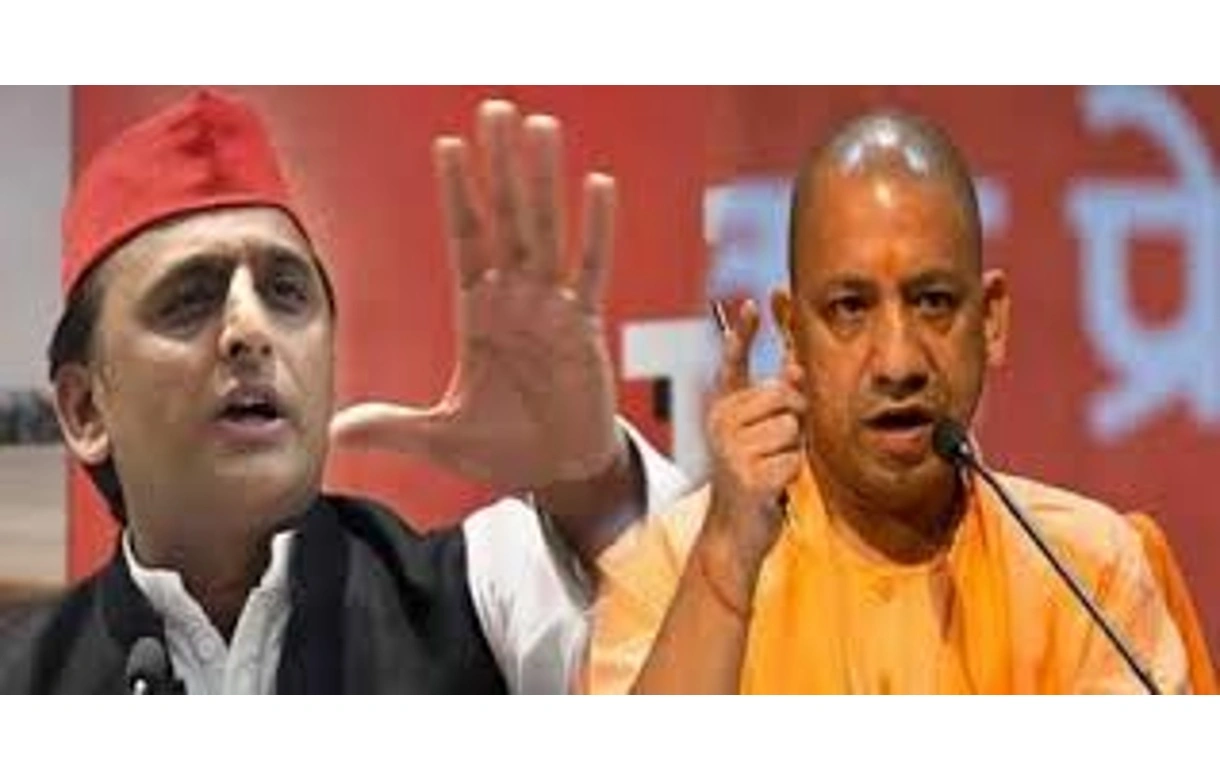
The BJP is emphasising religious issues ahead of the Uttar Pradesh Assembly elections, while opposition parties are seeking to consolidate Backward, Dalit and Minority voters. Recent exchanges involving Yogi Adityanath, Akhilesh Yadav and Asaduddin Owaisi have added to the political contest over the state’s electoral narrative.
Published

on

Ahead of the 2027 Uttar Pradesh Assembly elections, the BJP is emphasising religious issues, while opposition parties are seeking to build a coalition of Backward, Dalit and Minority voters. The competing approaches have brought caste representation and religious messaging to the forefront of the state’s political discourse.

Recent temple-related controversies in Kashi, Ayodhya, Mathura and Sambhal have brought religious messaging back into the political conversation. The developments have also coincided with exchanges between Chief Minister Yogi Adityanath and Samajwadi Party chief Akhilesh Yadav over possible electoral contests.

Yogi Adityanath, Akhilesh Yadav trade election challenges

The latest round of political exchanges followed Yogi Adityanath’s invocation of the “80-20” formula during the Rajya Sabha election. Akhilesh Yadav subsequently challenged the Chief Minister to contest from Ayodhya.

During his visit to Ayodhya, the Samajwadi Party president attended a Bhagwat Katha but did not visit the Ram Mandir for darshan. His visit, during which he attended a Bhagwat Katha but did not visit the Ram Mandir for darshan, became another point of political discussion.

The Chief Minister responded during a visit to Balrampur, asking Akhilesh Yadav to contest against him.

The exchanges continued as political leaders questioned the Samajwadi Party chief’s religious outreach. State minister Om Prakash Rajbhar asked why Yadav had not visited Mathura, while AIMIM chief Asaduddin Owaisi challenged him to contest from Sambhal.

Responding to questions about the challenges, Akhilesh Yadav said the Chief Minister does not decide which candidates the parties nominate.

At a press conference in Lucknow, Yadav also remarked, “What could be better than getting the Chief Minister’s chair without even contesting the election?” His comment suggested that Adityanath might not contest the Assembly elections.

Adityanath, meanwhile, said he was pleased to have several options available to him.

BJP works on its own caste coalition

Alongside its emphasis on religious issues, the BJP is also seeking to broaden its social support base through caste representation.

During the Rajya Sabha elections, the party fielded three candidates from Backward Classes, two Dalits, two Brahmins and one Rajput. The Backward Class candidates included representatives of the Pal, Kurmi and Lodh communities.

The report describes the BJP’s selection of candidates from the Sonkar and Rawat communities as an attempt to attract support among the Gaur and Jatav Dalit vote banks. Its selection of two Brahmins and one Rajput was also part of its outreach to upper-caste voters.

These choices reflect the BJP’s efforts to build a social coalition that extends beyond its religious messaging as the state approaches the next Assembly election.

Akhilesh Yadav balances caste outreach with temple politics

The Samajwadi Party is also combining its BDM approach with religious outreach, described in the report as “soft Hindutva”.

Akhilesh Yadav is overseeing the construction of the Kedareshwar Temple in Etawah. When questioned about not visiting the Ram Mandir during his Ayodhya trip, he said he was waiting for the temple’s “Pran Pratishtha”, or consecration ceremony, implying that the ceremony held in 2024 did not count.

Yadav has also raised the issue of alleged theft of offerings at the Ram Temple, a move the report interprets as an attempt to appeal to Hindu voters.

The competing strategies indicate that caste representation, religious issues and temple-related controversies are all featuring in political messaging ahead of the 2027 Uttar Pradesh Assembly elections.

Continue Reading

India News

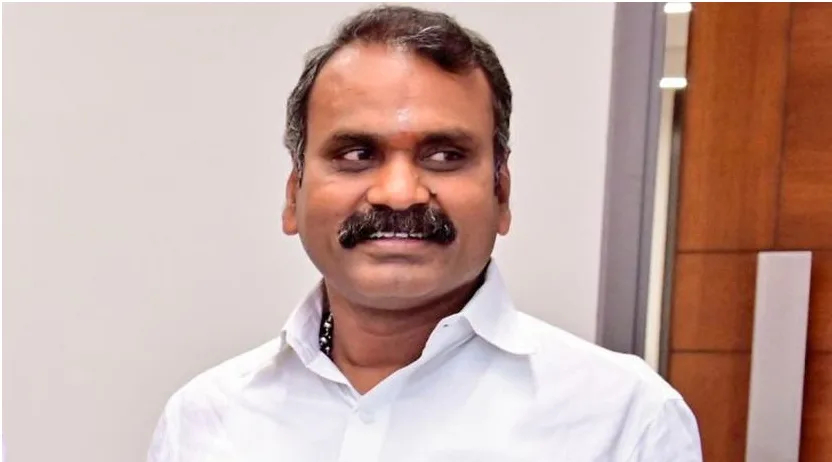
L Murugan quits Union ministry to strengthen BJP in Tamil Nadu

L Murugan has resigned from his Union ministerial post and Rajya Sabha membership, saying he wants to return to grassroots politics and dedicate himself to strengthening the BJP in Tamil Nadu before the 2029 Lok Sabha elections.
Published

on

L Murugan

L Murugan has resigned from his position as Union Minister of State and his Rajya Sabha membership, saying he wants to return to grassroots politics and work towards strengthening the Bharatiya Janata Party (BJP) in Tamil Nadu ahead of the 2029 Lok Sabha elections.

Murugan, who held the portfolios of Information and Broadcasting and Parliamentary Affairs, announced his decision in a post on X on Tuesday, October 13. He described his time in the Union government under Prime Minister Narendra Modi’s leadership as a great honour and said he wanted to devote himself full-time to the party’s work in Tamil Nadu.

L Murugan says he wants to return to grassroots politics

In his post, Murugan expressed gratitude for the opportunity to serve in the Union Council of Ministers and highlighted his background as the son of daily-wage labourers.

He said he now wished to return to the grassroots, stand alongside BJP workers and dedicate his time to strengthening the party in Tamil Nadu before the next Lok Sabha elections.

Murugan’s stated objective is to help expand the BJP’s presence in the state and contribute to the party’s performance in the 2029 general elections.

Murugan’s resignation comes amid Cabinet reshuffle speculation

His decision comes amid speculation about a possible reshuffle in the Union government. The discussion gained momentum after several Rajya Sabha MPs and ministers, including Petroleum Minister Hardeep Singh Puri, were not renominated.

However, the report does not establish that the speculation about a Cabinet reshuffle was the reason for Murugan’s resignation. His publicly stated reason was his desire to return to grassroots work and strengthen the BJP in Tamil Nadu.

Murugan thanks PM Modi for the opportunity to serve

Murugan described serving India and Tamil Nadu under Modi’s leadership as one of the greatest privileges of his life. He also referred to his journey from a family of daily-wage labourers to the Union Council of Ministers.

His announcement places his immediate political focus on Tamil Nadu, with the BJP’s preparations for the 2029 Lok Sabha elections forming a central part of his stated plans.

Continue Reading

Trending

© Copyright 2022 APNLIVE.com