English हिन्दी
Connect with us

India News

Surrendered Maoists traitors, say naxalites in Chhattisgarh

Published

on

By Neeraj Mishra

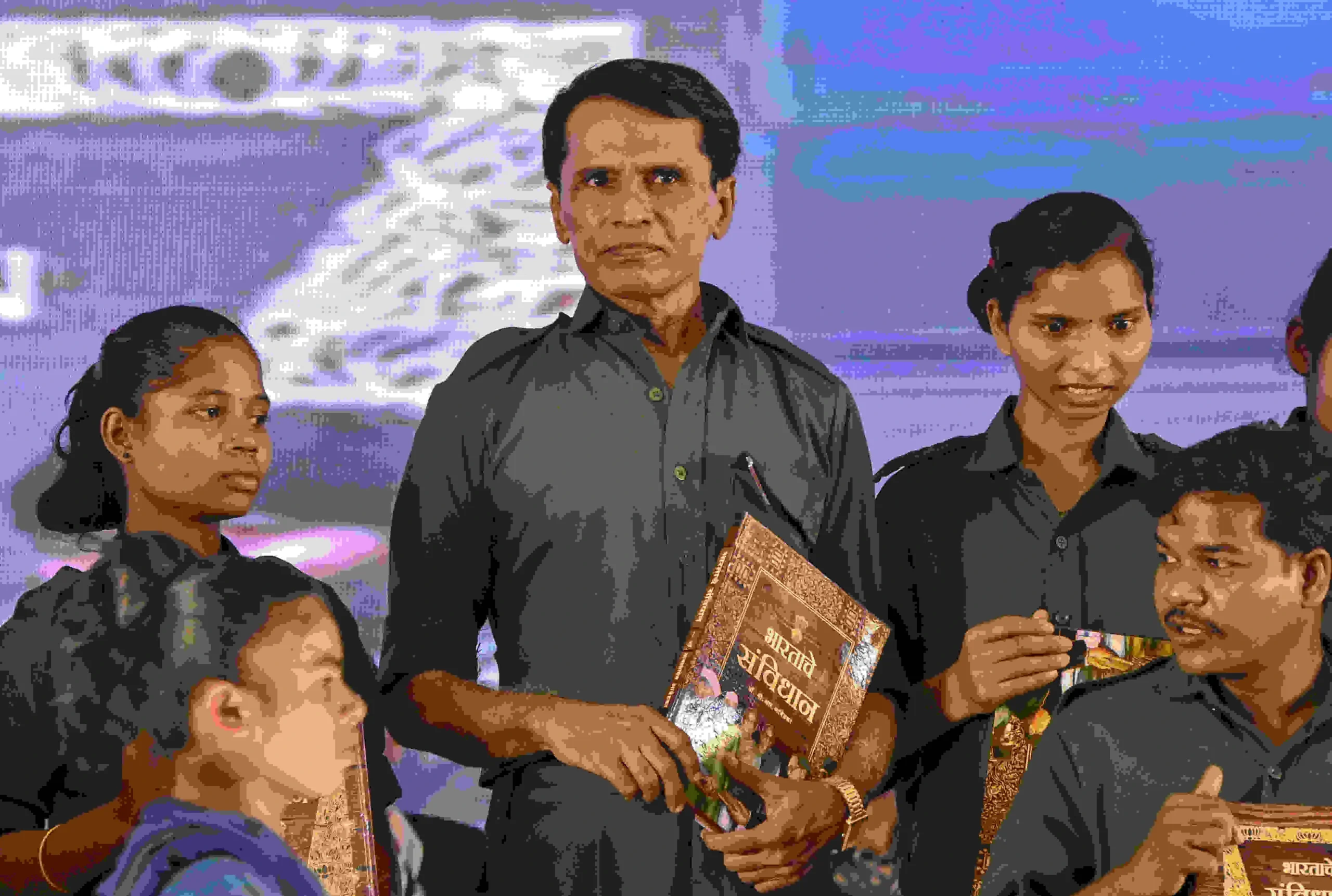
The Chhattisgarh government is trying its best to assimilate surrendered naxalites into the mainstream. In this small village in Udanti area of Gariyaband district of less than 25,000 people, several surrendered naxalite families were seen shopping for Diwali and it is being used as publicity by the administration to highlight its efforts against naxalites in a positive light.

Several women—the wives of surrendered naxalites—were seen shopping in this village once considered a safe hideout for naxalites crossing over from Chhattisgarh into Odisha and Telangana.  It comes in the wake of 210 naxalites surrendering on the eve of Diwali on October 17. The surrender was led by area commander Sathish. That surrender had followed another big giving-up event in neighbouring Gadchiroli district in Maharashtra when one of the top naxalites and politburo member Bhupathi laid down arms in front of Chief Minister Devendra Fadnavis

There has been some tumult among naxalite ranks with other leaders claiming the surrendered naxalites were traitors to the cause. Meanwhile, the Udanti area commander Sunil released an appeal to his fellow naxalites to surrender stating sustained pressure from the administration and police had made it difficult to carry on an armed struggle.

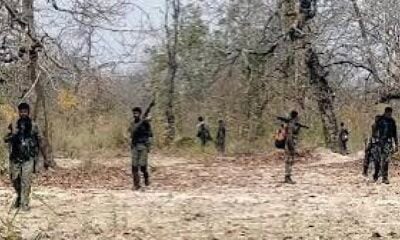
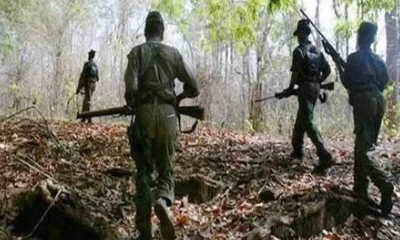
The letter itself has come under dispute as some naxalites have called it the handiwork of Gariyaband Police. The state police, however, maintains that the surrenders are a significant turning point as it symbolizes the end of naxalism in the state. The police believe it has been able to free at least three of the worst affected naxalite districts in Bastar completely. The Gariyaband-Udanti region is an outlier but some of the most significant encounters have been held within a 40 km range from here. The BSF, PAC and the SRG (Special Reconnaisance Group) all have battalions stationed here and are constantly on the prowl and combing the dense forests along the border with Odisha.

India News

India bans sugar exports till September 2026 amid domestic supply concerns

India has banned sugar exports with immediate effect until September 2026 or until further orders to stabilise domestic supply and control prices.

Published

on

The Indian government has banned the export of sugar with immediate effect until September 30, 2026, or until further orders, in a move aimed at addressing domestic supply concerns and stabilising local prices.

According to an order issued by the Directorate General of Foreign Trade (DGFT) under the Ministry of Commerce and Industry, the restriction applies to raw, white and refined sugar shipments.

The policy shift effectively changes the export status from “restricted” to “prohibited,” marking a significant tightening of India’s sugar export regime.

Shift from earlier export allowance

India had previously permitted limited sugar exports based on expectations of surplus production. However, the latest decision reverses that stance amid evolving supply conditions.

The move is intended to ensure sufficient domestic availability of sugar and control price pressures in the local market.

Key impact on trade and shipments

The ban will apply to all new export consignments of sugar categories covered under the order. However, exemptions may apply for shipments already in the pipeline, depending on compliance with specified conditions set by authorities.

The restriction is expected to significantly impact sugar trade flows, given India’s position as one of the world’s largest sugar producers and exporters.

Continue Reading

India News

Congress ends Kerala suspense, VD Satheesan to be CM

Congress has named V D Satheesan as the next chief minister of Kerala, concluding its internal deliberations over the state leadership.

Published

on

VD Satheesan

The Congress party has announced that V D Satheesan will be the next Chief Minister of Kerala, ending days of speculation over the leadership choice following the United Democratic Front’s (UDF) recent electoral victory.

The decision was taken by the party leadership after internal discussions and comes amid intense lobbying among senior leaders for the top post.

Leadership decision after prolonged suspense

According to reports, the announcement was made after a series of meetings within the Congress high command, which had been deliberating between multiple contenders for the chief minister’s post.

Satheesan, who currently serves as the Leader of the Opposition in the Kerala Legislative Assembly, emerged as the final choice after discussions involving senior party leadership in Delhi.

Who is V D Satheesan

V D Satheesan is a senior Congress leader from Kerala and has been one of the party’s most prominent faces in the state. He has served as Leader of the Opposition in the Kerala Assembly since 2021 and has represented the Paravur constituency multiple times.

He is widely seen as a key strategist within the Congress-led UDF in Kerala.

Internal competition within Congress

The selection process had reportedly seen competition among several senior leaders, including K C Venugopal and Ramesh Chennithala, before the party finalized Satheesan’s name.

The delay in announcing the chief minister had led to speculation and political debate within Kerala’s political circles.

UDF returns to power in Kerala

The announcement follows the United Democratic Front’s electoral victory in the state, which ended the Left Democratic Front’s (LDF) tenure in Kerala politics.

The new government formation is expected to take place soon after the formal swearing-in process is completed.

Continue Reading

India News

Jaishankar, Lavrov hold talks in New Delhi ahead of BRICS foreign ministers’ meet

S Jaishankar and Sergey Lavrov discussed India-Russia cooperation, energy ties and global issues ahead of the BRICS foreign ministers’ meeting in New Delhi.

Published

on

S. Jaishankar met Russian Foreign Minister Sergey Lavrov in New Delhi on Wednesday ahead of the two-day BRICS foreign ministers’ meeting hosted by India.

The meeting focused on strengthening India-Russia cooperation in areas including energy and trade, while the two leaders also exchanged views on major global developments.

Lavrov arrived in the national capital to participate in the BRICS foreign ministers’ conclave beginning Thursday. Ministers and delegates from several BRICS member countries, including Brazil and South Africa, are attending the discussions chaired by India.

In a social media post after the meeting, Jaishankar described the interaction as a “productive exchange of views” with his Russian counterpart. Reports said the talks also covered the ongoing West Asia tensions and the Ukraine conflict.

According to the Russian Foreign Ministry, the discussions were expected to review progress on bilateral agreements and preparations for upcoming high-level engagements between the two countries.

The BRICS foreign ministers’ meeting in New Delhi is likely to focus on regional security, global governance reforms, energy security and economic cooperation among member nations. The ongoing conflict in West Asia is also expected to feature prominently during the deliberations.

Continue Reading

Trending

© Copyright 2022 APNLIVE.com