
India News
Assembly Elections: Jammu and Kashmir to vote on Sept 18, 25, Oct 1; Haryana to vote on Oct 1, results Oct 4
In his address on the announcement of dates for Assembly elections, Kumar noted that the 2024 Lok Sabha polls were the biggest election process at the world level and were completed successfully and peacefully.

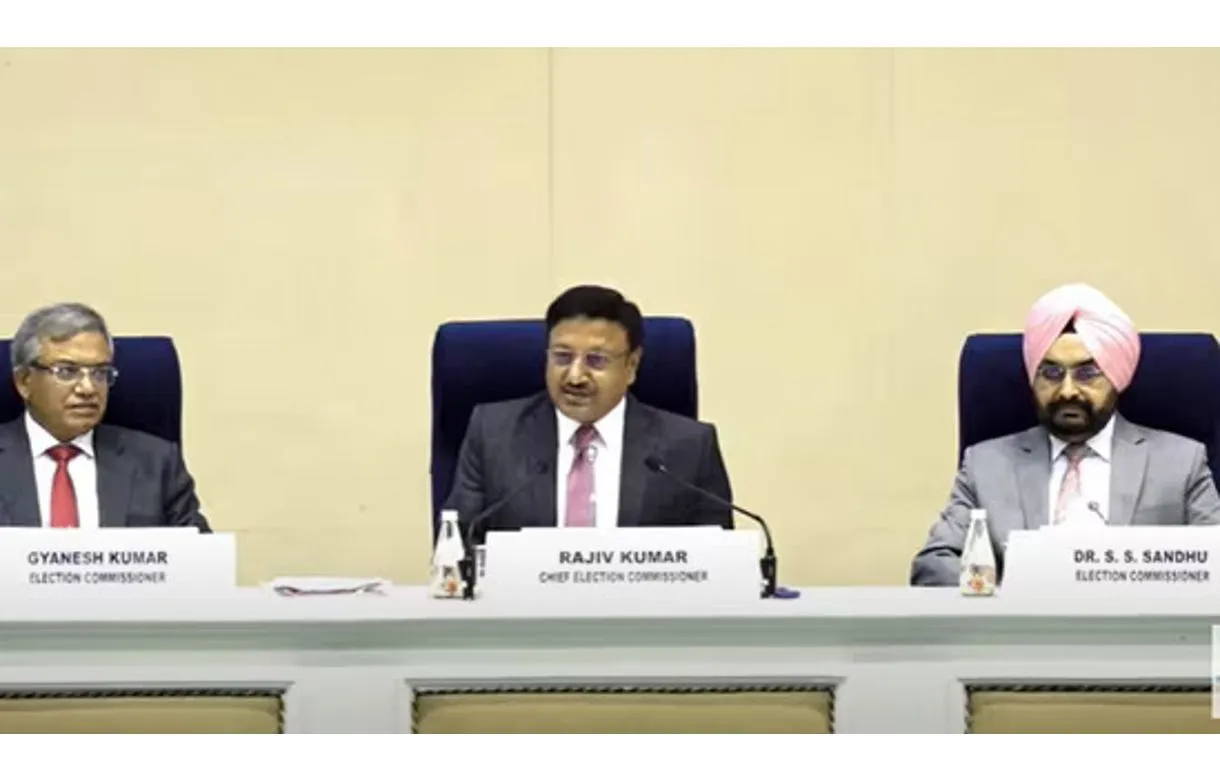
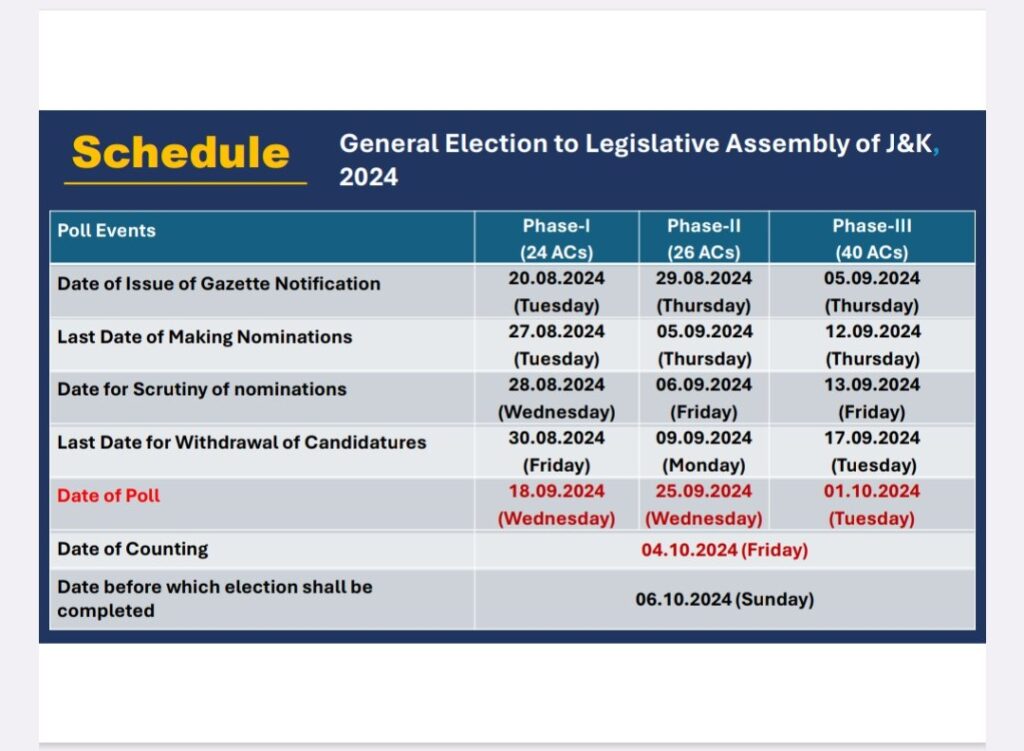
The Election Commission of India on Friday announced the schedules for the Assembly elections in Jammu and Kashmir, and Haryana. The Union Territory will witness Assembly elections in three phases starting on September 18, the second phase on September 25, and the third on October 1; while Haryana will vote in a single phase on October 1. The counting of votes for the Assembly elections in both Jammu and Kashmir and Haryana will be held on October 4.
Addressing a press conference, the Chief Election Commissioner (CEC) Rajiv Kumar said that there are a total of 90 Assembly constituencies in the Union Territory, of which 74 are general, Scheduled Castes are 7, and Scheduled Tribes are 9.
During his address, Kumar informed that there will be a total of 87.09 lakh voters in Jammu and Kashmir, out of which 44.46 lakh are males, 42.62 lakh are females, 3.71 lakh are first-time voters and 20.7 lakh are young voters. The Amarnath Yatra will end on August 19 and the final voter list will also be published on August 20, he added.
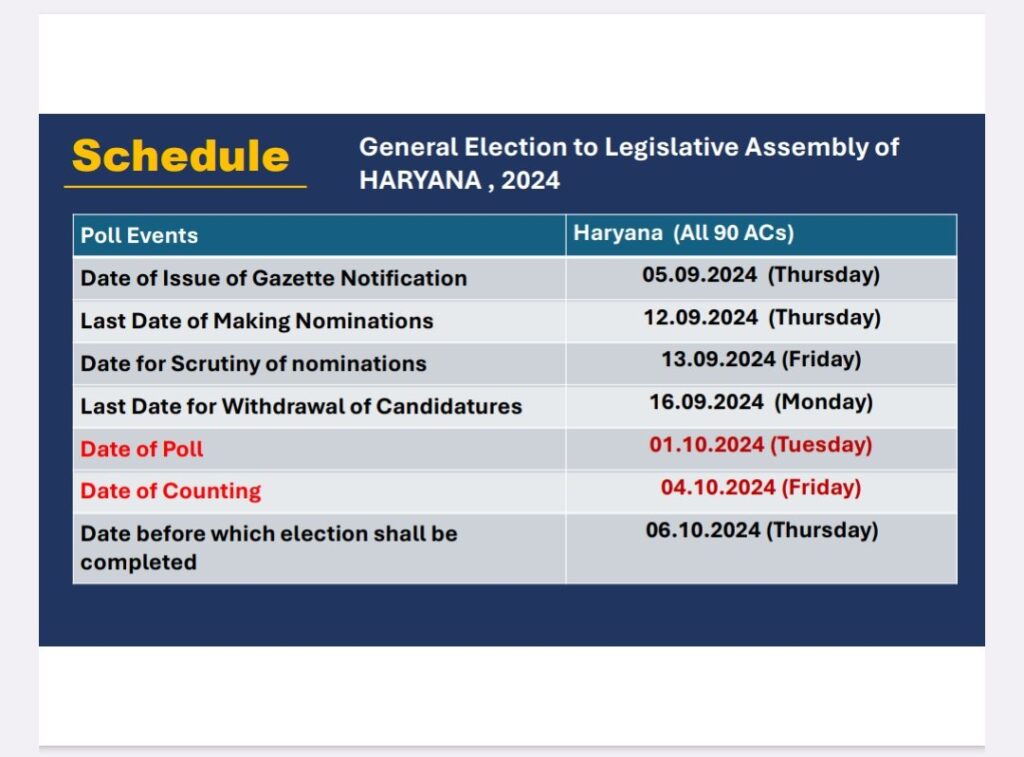
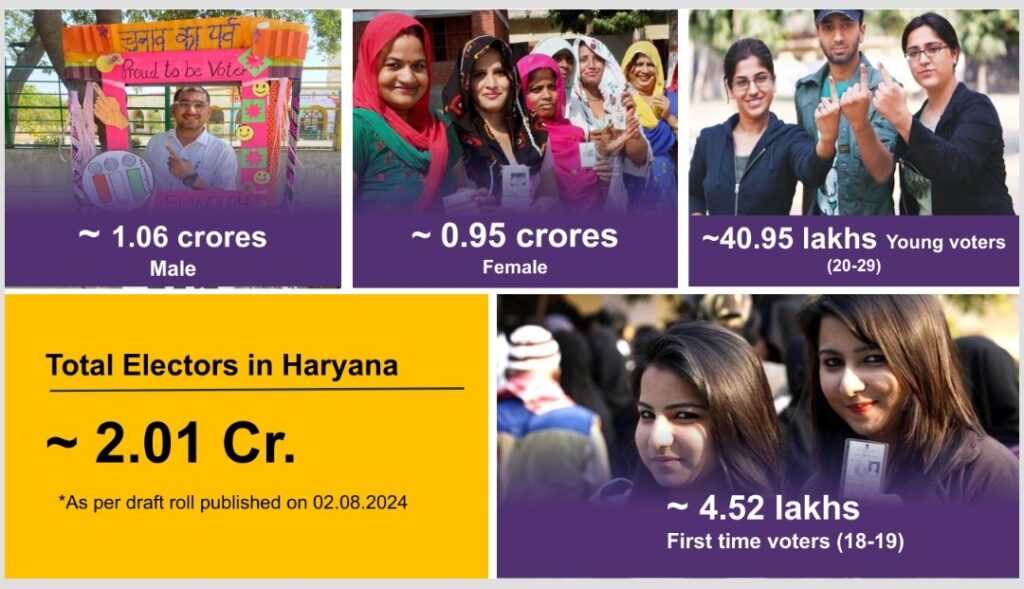
The Chief Election Commissioner stated that there are a total of 90 Assembly constituencies in Haryana, out of which 73 are general, 17 to SCs, and none are STs. He emphasised that there will be a total of 2.01 crore voters in Haryana, of which 1.06 crore are males, 0.95 crore are females, 4.52 lakhs are first-time voters and 40.95 lakhs are young voters. The electoral roll of Haryana will be published on 27th August 2024, he added.
In his address on the announcement of dates for Assembly elections, Kumar noted that the 2024 Lok Sabha polls were the biggest election process at the world level and were completed successfully and peacefully.
It created a very strongly democratic surface for the entire democratic world, it was peaceful without any violence and the whole country celebrated the festival of elections, he said. “We also made many records. For the first time, maximum polling took place in the world”, the chief election commissioner asserted.
On their recent visit to Jammu & Kashmir and Haryana, Kumar said great enthusiasm was seen among the people and they wanted to participate in the election process. People want elections to be conducted there as early as possible, Kumar said.
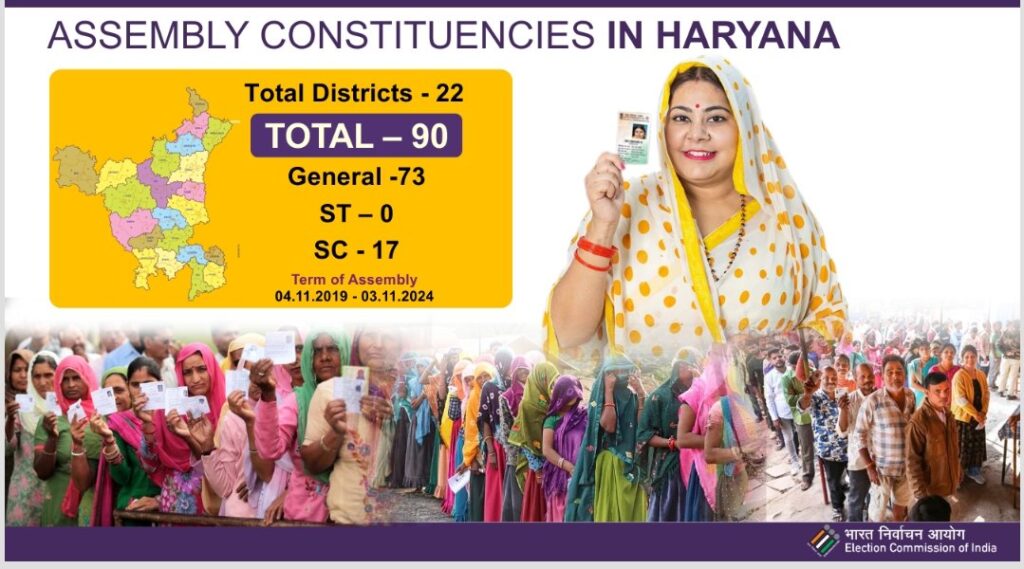
The most heartening was the visuals of long queues of young, old, women voters waiting patiently to exercise their franchise during the Lok Sabha elections are proof that people not only want change but also want to raise their voices by becoming a part of that change, Kumar added.
The Chief Election Commissioner further added that this glimpse of hope and democracy shows that the people want to change the picture and want to write their own destiny. The people of Jammu and Kashmir chose ballot over bullet in Lok Sabha elections, he said.
On being asked about Assembly elections in Maharashtra, Kumar said last time, Maharashtra and Haryana Assembly elections were held together. At that time, J&K was not a factor but this time there were 4 elections this year, and 5th election immediately after this, which is to start with J&K, Haryana, Maharashtra, Jharkhand, and Delhi, he added.
Depending on the requirement of forces, ECI has decided to conduct 2 elections together. The other factor is that there was heavy rainfall in Maharashtra and there are several festivals lined up too, the CEC added.









India News
Delhi High Court rejects Neha Bora’s plea against peace bond notice
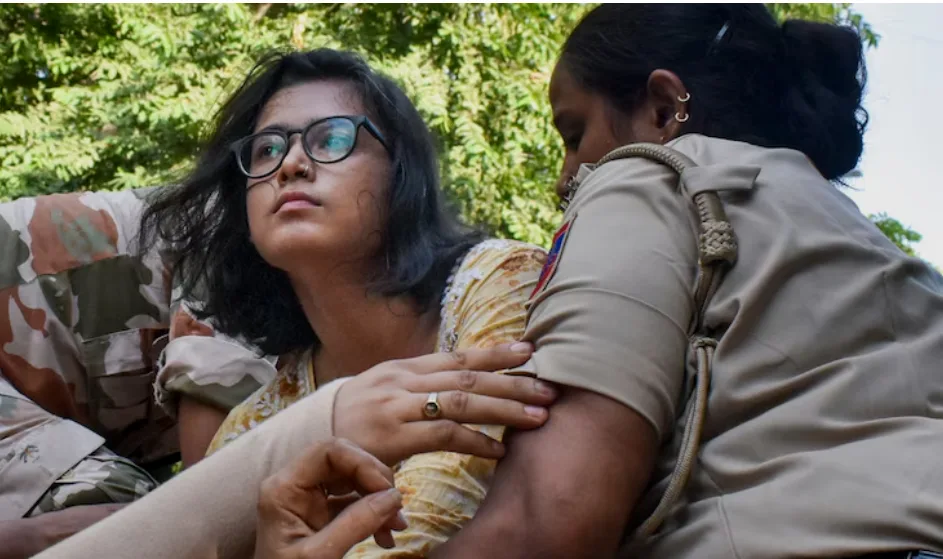
The Delhi High Court has rejected AISA president Neha Bora’s petition challenging a police notice requiring her to execute a peace bond following her participation in recent protests in the national capital.

India News
PM Modi to inaugurate Rs 169-crore RBI data centre in Odisha on October 25
Prime Minister Narendra Modi is scheduled to visit Odisha on October 25 to inaugurate the Reserve Bank of India’s Rs. 169-crore data centre in Jatni, near Bhubaneswar.

India News
Om Prakash Mathur sworn in as Keralam Governor
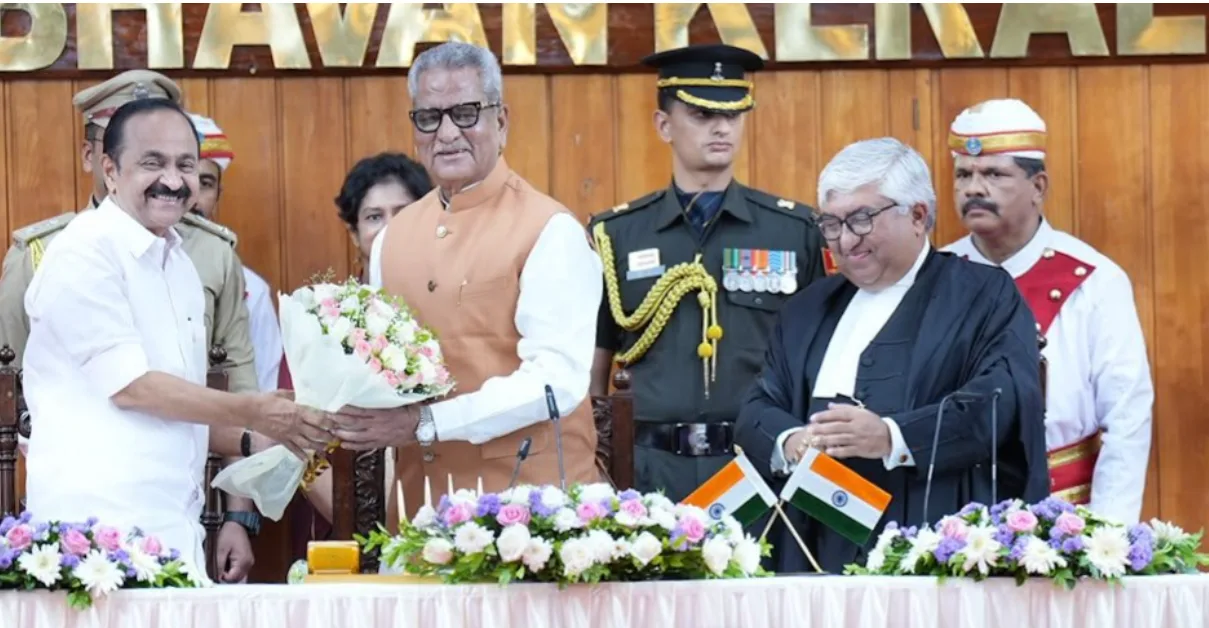
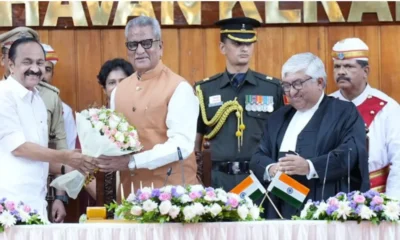
Om Prakash Mathur was sworn in as Keralam Governor on Friday. Kerala High Court Chief Justice Soumen Sen administered the oath at Lok Bhavan in Thiruvananthapuram.

Punjab strike hits public services as 3 lakh employees and roadways workers protest

Two election commissioners complained against senior poll officer, RTI reveals

Om Prakash Mathur sworn in as Keralam Governor

PM Modi to inaugurate Rs 169-crore RBI data centre in Odisha on October 25

Delhi High Court rejects Neha Bora’s plea against peace bond notice
Delhi High Court rejects Neha Bora’s plea against peace bond notice
PM Modi to inaugurate Rs 169-crore RBI data centre in Odisha on October 25
Om Prakash Mathur sworn in as Keralam Governor
Two election commissioners complained against senior poll officer, RTI reveals
Punjab strike hits public services as 3 lakh employees and roadways workers protest

Afghan Men Try To Hang With The Jet Engine Of The Aircraft in Kabul- Afghanistan News – Kabul News
Trending Top 10 News: 10000 Crore Fine on Flipkart, Apple to Launch Unique Feature, Hdfc Bank Job Ad

Trending Top 10 News: Nokia 6310, Apple sales, Bachpan ka Pyar Video Kid, Dainik Bhaskar IT Raid

Trending Top 10 News: Canada bans Indian flights, Rain in Delhi NCR, AIMIM Twitter hacked, Raj Kundra case

Trending Top 10 News: Shein India, Apple New Service, Pocket Oxygen, Oppo Launched New Phone
-
 India News13 hours ago
Punjab strike hits public services as 3 lakh employees and roadways workers protest
-
 India News13 hours ago
Two election commissioners complained against senior poll officer, RTI reveals
-
 India News2 hours ago
Om Prakash Mathur sworn in as Keralam Governor
-
 India News1 hour ago
PM Modi to inaugurate Rs 169-crore RBI data centre in Odisha on October 25
-
 India News18 mins ago
Delhi High Court rejects Neha Bora’s plea against peace bond notice
