English हिन्दी
Connect with us

Latest world news

PM Modi tells Indians in Australia: Your tea is still Indian Down Under

PM Modi addressed around 30,000 members of the Indian community in Melbourne, highlighting stronger India-Australia ties, India’s economic progress and the diaspora’s contribution.

Published

on

PM Modi

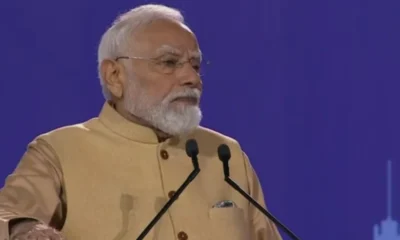
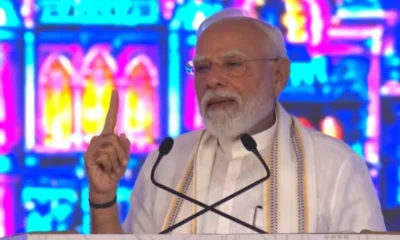
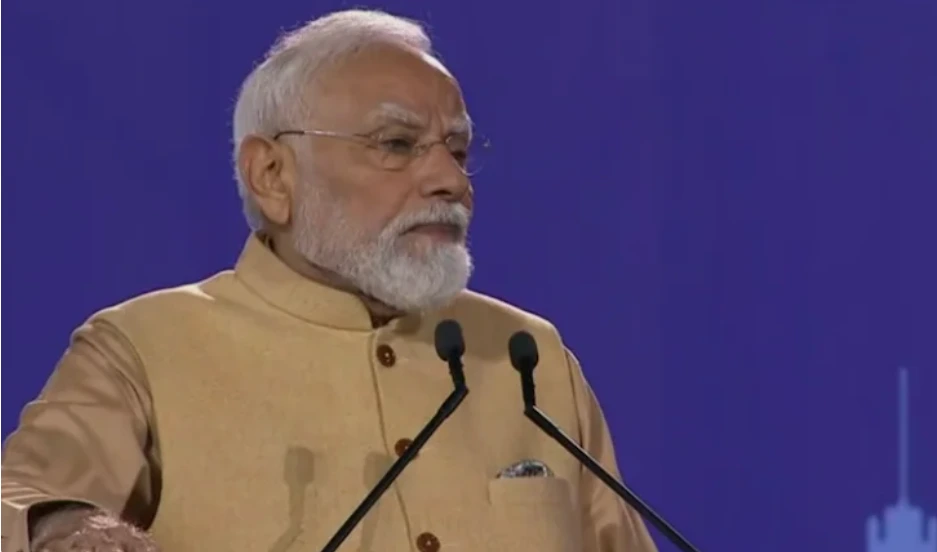
India and Australia have reaffirmed their growing partnership as Prime Minister Narendra Modi concluded high-level talks with Australian Prime Minister Anthony Albanese in Melbourne on Thursday. Later, addressing a gathering of around 30,000 members of the Indian community, PM Modi spoke about the close cultural bond shared by overseas Indians with their homeland while highlighting India’s economic and technological progress.

The bilateral meeting expanded the India-Australia Comprehensive Strategic Partnership, with both countries announcing 18 outcomes covering areas such as defence, energy, trade and critical technologies.

PM Modi highlights Indian identity abroad

Welcoming the large turnout, PM Modi described the event as a “houseful” gathering and said he had been looking forward to meeting the Indian community in Melbourne after interacting with them twice earlier in Sydney.

Using a light-hearted example, he said that while many Indian families in Australia use Australian milk at home, the tea they prepare remains distinctly Indian. He added that even when vegetables and lentils are sourced locally, the authentic Indian flavour comes from Indian spices, reflecting how the community has preserved its cultural roots while contributing to Australia’s growth.

The Prime Minister also said many Indian families manage two time zones every day, with children following Australian schedules while grandparents in India wait to connect through video calls, showing how closely overseas Indians remain connected to their homeland.

India-Australia partnership continues to expand

Earlier in the day, PM Modi and Prime Minister Anthony Albanese held wide-ranging discussions aimed at strengthening cooperation between the two countries.

In a post on X after the meeting, PM Modi said the Comprehensive Strategic Partnership launched in 2022 has continued to expand and both countries have decided to accelerate work on the Comprehensive Economic Cooperation framework.

The leaders announced 18 outcomes that further strengthen collaboration across defence, clean energy, trade, critical technologies and other strategic sectors.

PM Modi highlights India’s progress

During his address, PM Modi said India’s defence capabilities are gaining global recognition and referred to Operation Sindoor as an example of the country’s resolve against terrorism.

He also highlighted the success of the Make in India initiative, saying Indian-made mobile phones, electronics, automobiles and pharmaceutical products are reaching markets around the world.

Speaking about governance reforms, the Prime Minister said India has simplified public services through self-attestation and digital initiatives such as DigiLocker, allowing citizens to securely store, verify and share official documents online.

India’s global role and startup growth

PM Modi said India has earned international trust by extending humanitarian assistance without discrimination, adding that relief operations launched after the recent earthquake in Venezuela reflected India’s commitment to helping countries in times of crisis.

He also highlighted India’s emergence as the world’s third-largest startup ecosystem and said an Indian space startup is preparing to launch a satellite using its own rocket for the first time.

Concluding his address, PM Modi said the India-Australia trade agreement continues to deliver benefits for both countries and expressed confidence that cooperation between New Delhi and Canberra will continue to deepen in the years ahead.

Latest world news

105 Indians among 400 travellers missing in Nepal flash floods, 46 dead

At least 46 people have died and 384 travellers, including 105 Indians, are missing after flash floods hit northern Nepal.

Published

on

At least 46 people have died after a massive flash flood in Nepal’s Bhote Koshi River swept through parts of the country’s northern districts.

The flooding affected Nuwakot and Dhading districts, with floodwaters coming from the Tibetan side of the border. Several villages were reportedly washed away, while roads and other infrastructure suffered extensive damage.

At least 105 Indians are among 384 travellers reported missing from the affected area. The missing travellers include people who were travelling towards Kailash Mansarovar in Tibet with different travel agencies.

384 travellers reported missing

According to the Nepal Tourism Board, 384 travellers are missing, including 291 foreigners and 93 Nepali nationals.

Of the foreign nationals reported missing, 105 are Indians. The travellers were on their way to the Kailash Mansarovar Yatra when the flash flood struck.

The disaster has also affected security personnel. At least 26 Nepal Police personnel remain missing in Rasuwa district, while the Armed Police Force has reported seven missing personnel.

The Nepal Army has deployed helicopters and disaster response personnel to the affected areas. Authorities are also collecting information about the damage caused by the floods.

Six hydropower facilities damaged

The floods have also damaged major power infrastructure in Nepal.

The Nepal Electricity Authority said six of its major hydropower and transmission facilities were damaged. These include Rasuwagadhi, Chilime, Trishuli 3A, Trishuli 3B Hub 220 kV Substation, Trishuli Hydropower Station and Devighat Hydropower Station.

The authority said the damage to production, transmission and distribution facilities has disrupted electricity supplies.

Several highways in Nepal have also been closed following the flooding.

Nepal PM convenes emergency meeting

Prime Minister Balendra Shah has convened an emergency meeting of the National Disaster Risk Reduction and Management Authority to review the situation.

Mr Shah said work had begun to take necessary measures in coordination with medical teams, scouts and the Red Cross.

Videos shared by Nepal Police and others showed torrents of muddy water moving through mountain valleys in areas bordering Tibet.

Authorities have warned people living close to rivers to move to safer locations as rescue and assessment operations continue.

Monsoon rains between June and September regularly cause floods and landslides across South Asia. Scientists have also linked climate change to an increase in the frequency and intensity of extreme weather events in the region.

Continue Reading

Latest world news

US pauses visa interviews worldwide amid new screening training

The US has paused or rescheduled visa appointments worldwide as consular officers undergo training focused on comprehensive immigration screening.

Published

on

Donald Trump

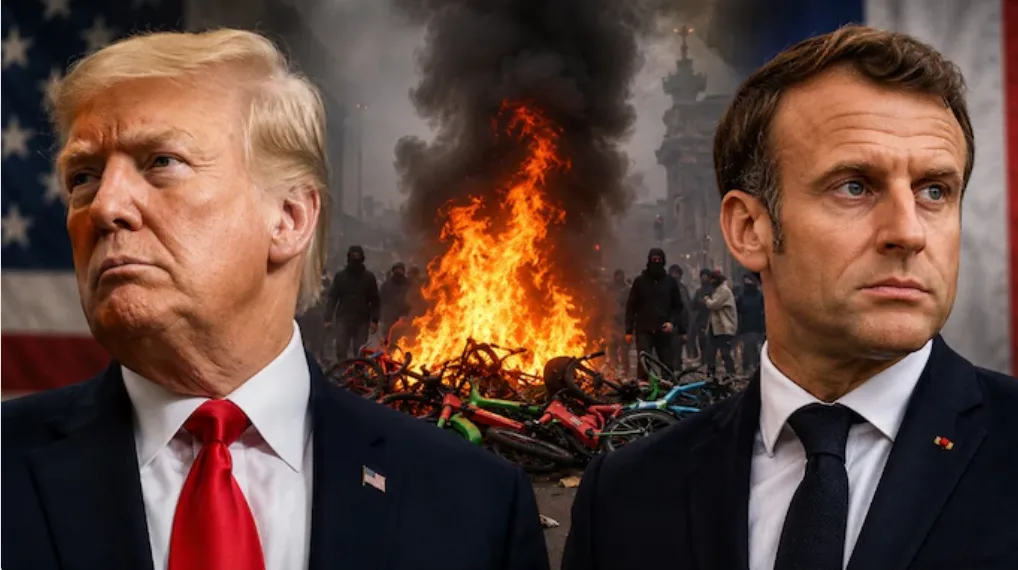
The Trump administration has paused or rescheduled visa appointments at US embassies and consulates worldwide as the State Department conducts a global training initiative for consular officers.

The State Department said visa service appointments are being adjusted to accommodate the training across its overseas diplomatic posts. The initiative is aimed at helping officers screen applicants who may be considered likely to become dependent on US public benefits and at ensuring visa applications are evaluated comprehensively and consistently.

There is currently no specific timeline for how long the changes to visa appointments will continue.

Visa applicants receive rescheduling notices

Some immigrant visa applicants who already had interviews scheduled at US embassies and consulates have reportedly received emails informing them that their appointments would be rescheduled.

The applicants were told that they would receive further communication regarding a new interview date.

The development comes as the Trump administration continues its broader immigration crackdown, which has included visa and green card revocations and rejection of applications on various grounds.

Trump administration steps up immigration scrutiny

The administration has also begun a White House review of a proposal to overhaul the H-1B visa programme. The proposal has been classified as economically significant and could affect the employment-based immigration route used by thousands of Indian professionals.

Separately, the administration plans to revoke the visas of around 200,000 foreigners who entered the US for tourism or business but later sought to remain in the country by applying for asylum, according to the report.

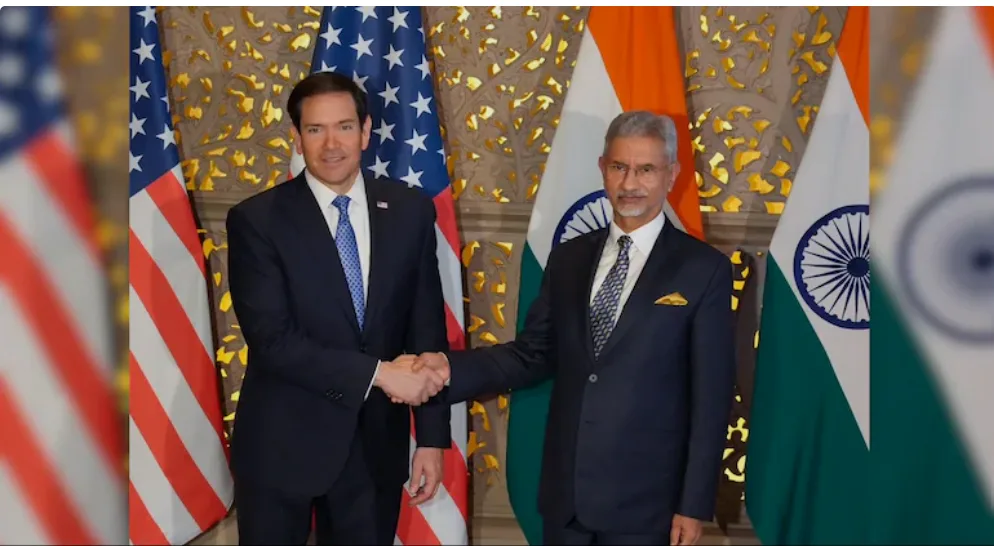
The immigration crackdown has also faced legal challenges. A US judge recently struck down a policy that suspended the issuance of immigrant visas to applicants from 75 countries, ruling that the policy exceeded Secretary of State Marco Rubio’s statutory authority.

Continue Reading

Latest world news

Iran pushes back against new US sanctions, warns of possible retaliation

Iran has warned of retaliation after the US widened economic sanctions, with Tehran saying it is prepared to counter Washington’s pressure and maintain ties with major trading partners.

Published

on

Iran has threatened retaliation following the United States’ decision to widen economic sanctions against Tehran, with senior officials insisting that the new measures will not easily isolate the country from its major trading partners.

Iranian Parliament Speaker Mohammad Bagher Ghalibaf dismissed the latest US pressure, arguing that Washington was not in a position to further restrict Iran’s economic ties with other nations. He also said Iran’s trading partners had indicated that they would not be swayed by the US statements.

The comments came after US Treasury Secretary Scott Bessent announced measures aimed at cutting off Iran’s economic lifeline. He warned that countries continuing to trade with Iran could eventually face restrictions that would affect their access to the dollar-based financial system.

However, Bessent did not identify the countries that could face such penalties or specify when they would be imposed. The US Treasury Department separately announced sanctions against 60 individuals, entities and vessels.

Notably, the sanctions list did not include Chinese financial institutions suspected of helping facilitate Iran’s oil trade. China remains Iran’s biggest trading partner.

Tehran says it is ready to counter US pressure

Following the US announcement, Ghalibaf said Iran’s partners were not taking Washington’s latest statements seriously.

Iranian Economy Minister Ali Madanizadeh also said Tehran was “fully prepared” to deal with the expanded sanctions. He argued that Iran had developed its own economic tools after years of sanctions and warned that its response could extend beyond defence.

Madanizadeh further said that neither China nor Russia had accepted the US measures and predicted that other countries would also resist Washington’s pressure.

Iran has also warned of possible military retaliation and indicated that it could further reduce oil exports from the Gulf if its infrastructure comes under threat.

Iran warns of attacks on US interests and energy routes

Brigadier General Hossein Mohebbi, a spokesperson for Iran’s Islamic Revolutionary Guard Corps, warned that Iran could deliver heavy blows against US vital interests and energy chokepoints if its infrastructure is threatened.

The warning comes amid continued tensions involving shipping and energy routes in the region. Tehran has previously indicated that it could use its military capabilities and control over strategically important areas to respond to threats.

What is the current situation in the Iran conflict?

The conflict remains unresolved despite a reduction in major strikes in recent weeks. The US administration is continuing to pursue economic pressure against Tehran while also seeking ways to address Iranian attacks on ships in the Gulf and, through its allies, in the Red Sea.

The conflict has placed further pressure on energy markets, while years of US and international sanctions have already caused significant economic difficulties for Iran.

Iran’s conventional military capabilities have also been affected by the conflict. However, Tehran is reported to retain missile and drone capabilities that could threaten Gulf neighbours and shipping through the Strait of Hormuz.

The condition of Iran’s nuclear programme remains unclear, while the US and Israel continue to seek its dismantling.

Continue Reading

Trending

© Copyright 2022 APNLIVE.com