
India News
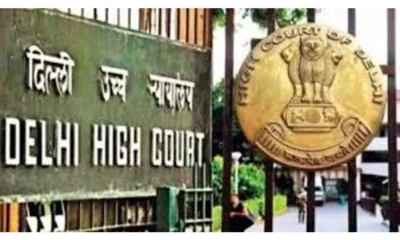
Delhi High Court rejects CBI Spl Director Rakesh Asthana’s plea for quashing cases


[vc_row][vc_column][vc_column_text]
The Delhi High Court today (Friday, Jan 11) dismissed the pleas of CBI Special Director Rakesh Asthana and suspended DSP Devender Kumar seeking quashing of FIR against them on bribery allegations and extortion.
The court said the allegation of mala fide raised against the then CBI Director Alok Verma is not made out. Verma was yesterday removed as CBI director in a 2:1 decision by the Select Committee headed by Prime Minister Narendra Modi on grounds of a report by Central Vigilance Commission listing allegations levelled by Asthana against him.
Verma, who was posted as Director General, Fire Services, Civil Defence & Home Guards for the residual period of his present term ending on January 31, 2019, has declined to take up the post and said that he has superannuated and was continuing as CBI chief because of the fixed two-year tenure for that post.
Meanwhile, interim CBI director M Nageswara Rao today revoked all transfer decisions taken by Alok Verma restoring the position of officials as on January 8.
In his order against Asthana today, Justice Najmi Waziri also vacated the October 23, 2018 interim order directing the agency to maintain “status quo” on proceedings against Asthana, who had sought directions for no coercive steps in connection with a case of alleged bribery.
The court was hearing petitions filed by the three challenging the First Information Report or FIR in which Asthana was charged with criminal conspiracy, corruption and criminal misconduct.
The court further said the investigation into the FIR against four, including Asthana, be completed within 10 weeks time.
It ruled that the sanction to prosecute Asthana and Devender Kumar was not required in the matter, keeping the facts of this case in view.
The court had reserved the judgment on December 20, 2018, on various petitions after hearing submissions of counsel for the CBI, Asthana, agency director Alok Verma, Deputy Superintendent Devender Kumar, and Joint Director AK Sharma.
Asthana, Kumar and an alleged middleman Manoj Prasad had moved court seeking the quashing of the FIR against them.
The FIR was filed after Hyderabad-based businessman Sathish Babu Sana claimed he had paid bribes to get relief in a case related to meat-exporter Moin Qureshi and made allegations of corruption and extortion against Asthana.
Sana alleged he paid bribe to get relief in a money laundering case involving meat exporter Moin Qureshi. Rakesh Asthana, a 1984-batch IPS officer of the Gujarat cadre, is accused of accepting a bribe of Rs. 2 crore from Sana.
Kumar, earlier the investigating officer in a case involving Qureshi, was arrested in the case on October 22, 2018 and was granted bail a week later. Prasad was arrested on October 17, 2018, and he was granted bail on December 18, 2018.
Besides seeking to summon records of the FIR and related documents, Asthana and others had sought quashing of the FIR lodged against them on October 15, 2018, under various sections of the IPC and Prevention of Corruption Act.
Also Read: Alok Verma first CBI director to be removed by Select Committee’s 2:1 decision
Asthana had told the court he was maliciously harassed and there was no evidence against him and the bribery case is a backlash to complaints of criminal misconduct against Alok Verma.
Alok Verma’s resignation letter
Alok Verma, who was removed as CBI director by the PM-led selection panel on Thursday, said in his resignation letter that it was a moment of “collective introspection”.
“Also, it may be noted that the undersigned already superannuated as on July 31, 2017 and was only serving Government as director, CBI till January 31, 2019, as the same was fixed tenure role. The undersigned is no longer director, CBI and has already crossed the superannuation age for DG Fire Service, Civil Defence and Home Guards. Accordingly, the undersigned may be deemed as superannuated with effect from today,” Verma said in his letter to Secretary, Department of Personnel and Training.
Verma, a 1979-batch IPS officer from AGMUT cadre, was transferred from the position of CBI Director to Director General, Fire Service, Civil Defence and Home Guards under the home ministry Thursday.
Alok Verma had claimed that he was transferred on the basis of “false, unsubstantiated and frivolous allegations” made by only one person who was inimical to him.
In a statement late last night, Verma had said that the CBI being a prime investigating agency dealing in corruption in high public places is an institution whose independence should be preserved and protected.

[/vc_column_text][/vc_column][/vc_row]







India News
Centre sends 3 letters to Punjab government after anti-drug activist’s killing
The Centre has sought reports from the Punjab government on three incidents linked to allegations surrounding drug-related activities, including the killing of anti-drug activist Parvinder Singh Jhota.

India News
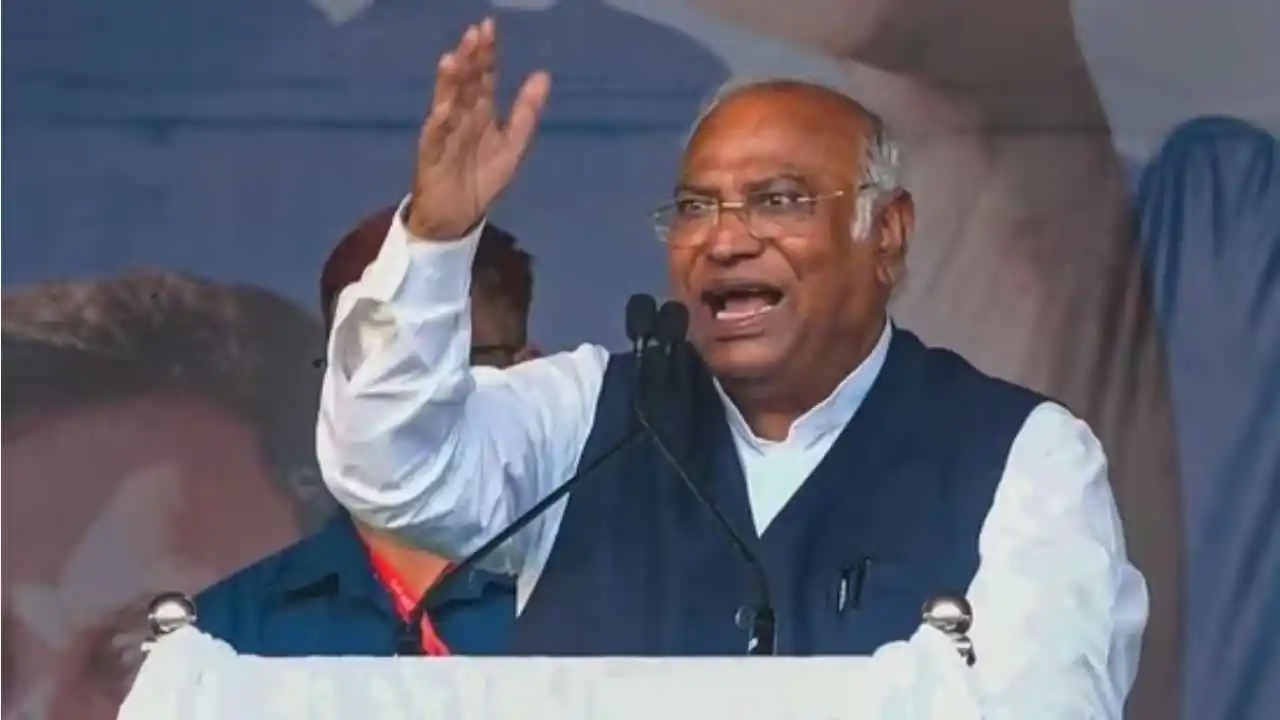
Mallikarjun Kharge seeks all-party meeting with PM Modi on delimitation
Congress president Mallikarjun Kharge has written to Prime Minister Narendra Modi for the fourth time, seeking an all-party meeting on delimitation. He also flagged the 64-day delay in proroguing Parliament’s Monsoon Session.
India News
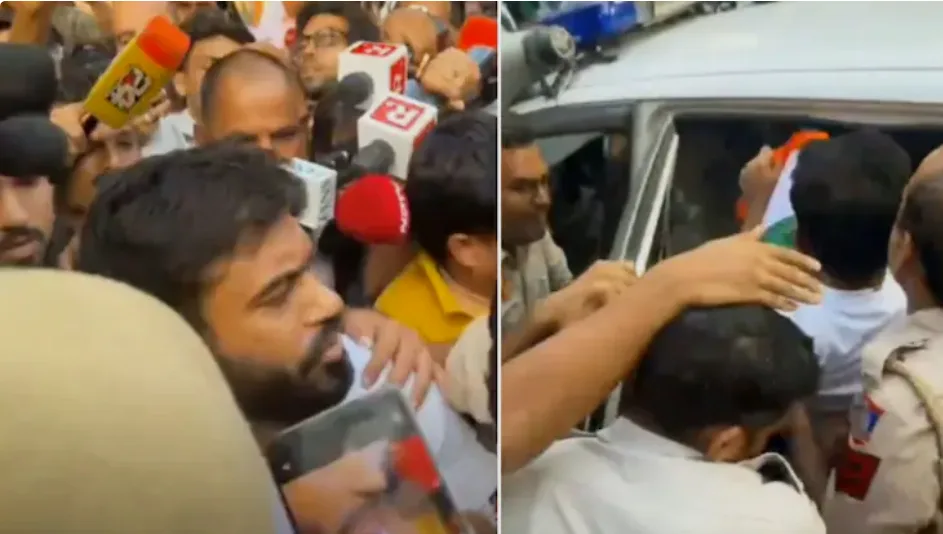
Abhijeet Dipke detained ahead of CJP’s national flag march in Delhi
Cockroach Janta Party founder Abhijeet Dipke was detained by Delhi Police on October 16, 2026, shortly before a planned national flag march. The proposed rally followed the judicial custody of two CJP members who had waved the Tricolour at Jantar Mantar.

Mallikarjun Kharge’s ‘Your Friends’ jab at Rahul Gandhi over congress exits

Magnitude 7 earthquake strikes Russia’s Kamchatka Peninsula

Delhi deploys 25,000 personnel, installs CCTV cameras ahead of CJP march

Abhijeet Dipke detained ahead of CJP’s national flag march in Delhi

Mallikarjun Kharge seeks all-party meeting with PM Modi on delimitation

Centre sends 3 letters to Punjab government after anti-drug activist’s killing
Mallikarjun Kharge seeks all-party meeting with PM Modi on delimitation
Abhijeet Dipke detained ahead of CJP’s national flag march in Delhi
Magnitude 7 earthquake strikes Russia’s Kamchatka Peninsula
Delhi deploys 25,000 personnel, installs CCTV cameras ahead of CJP march

Afghan Men Try To Hang With The Jet Engine Of The Aircraft in Kabul- Afghanistan News – Kabul News
Trending Top 10 News: 10000 Crore Fine on Flipkart, Apple to Launch Unique Feature, Hdfc Bank Job Ad

Trending Top 10 News: Nokia 6310, Apple sales, Bachpan ka Pyar Video Kid, Dainik Bhaskar IT Raid

Trending Top 10 News: Canada bans Indian flights, Rain in Delhi NCR, AIMIM Twitter hacked, Raj Kundra case

Trending Top 10 News: Shein India, Apple New Service, Pocket Oxygen, Oppo Launched New Phone
-
 India News12 hours ago
Mallikarjun Kharge’s ‘Your Friends’ jab at Rahul Gandhi over congress exits
-
 Latest world news12 hours ago
Magnitude 7 earthquake strikes Russia’s Kamchatka Peninsula
-
 India News12 hours ago
Delhi deploys 25,000 personnel, installs CCTV cameras ahead of CJP march
-
 India News3 hours ago
Abhijeet Dipke detained ahead of CJP’s national flag march in Delhi
-
 India News2 hours ago
Mallikarjun Kharge seeks all-party meeting with PM Modi on delimitation
-
 India News47 mins ago
Centre sends 3 letters to Punjab government after anti-drug activist’s killing
